1x10 Flashcard Study Method: The Essential Guide
The 1x10 flashcard study method helps you actively recall info while spacing reviews for better retention. Flashrecall simplifies creating and managing your.
How Flashrecall app helps you remember faster. It's free
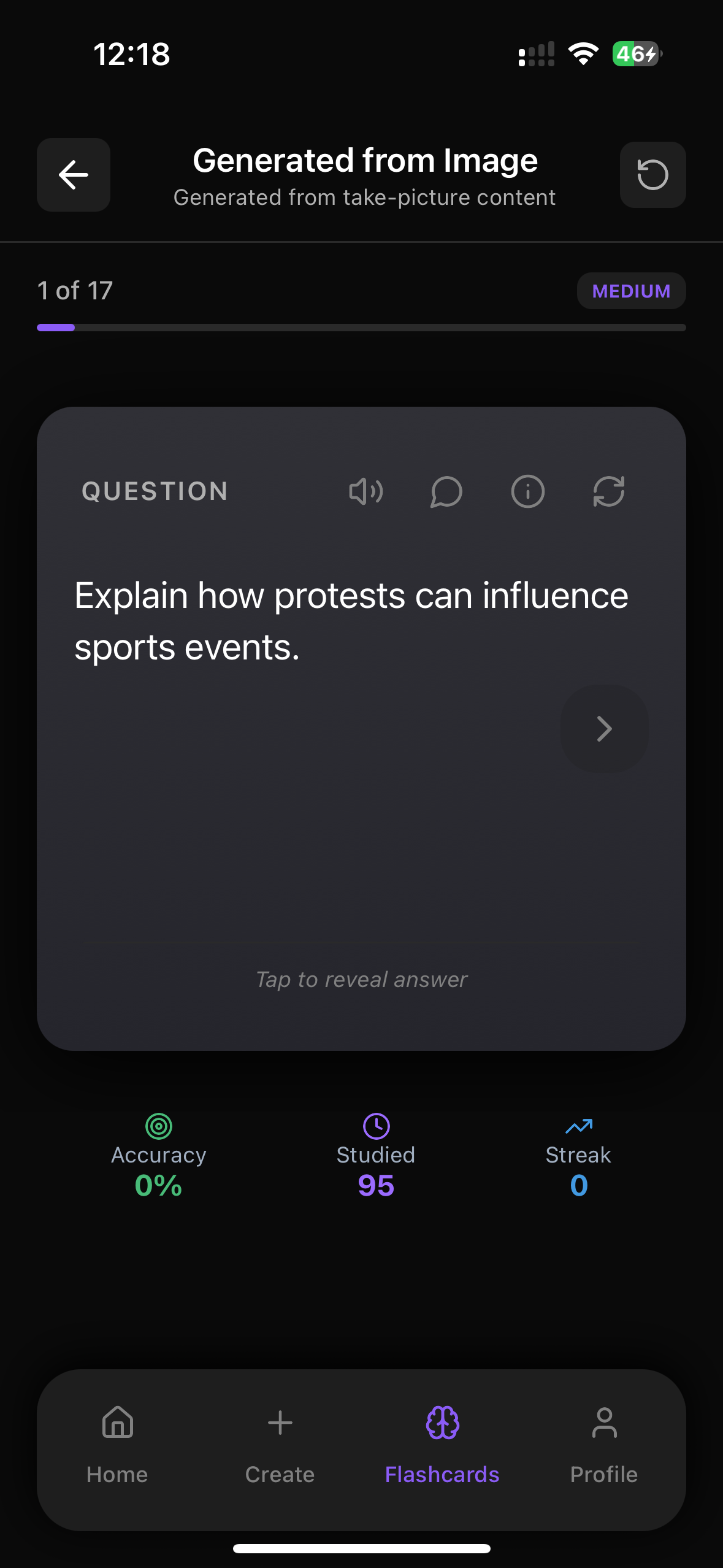
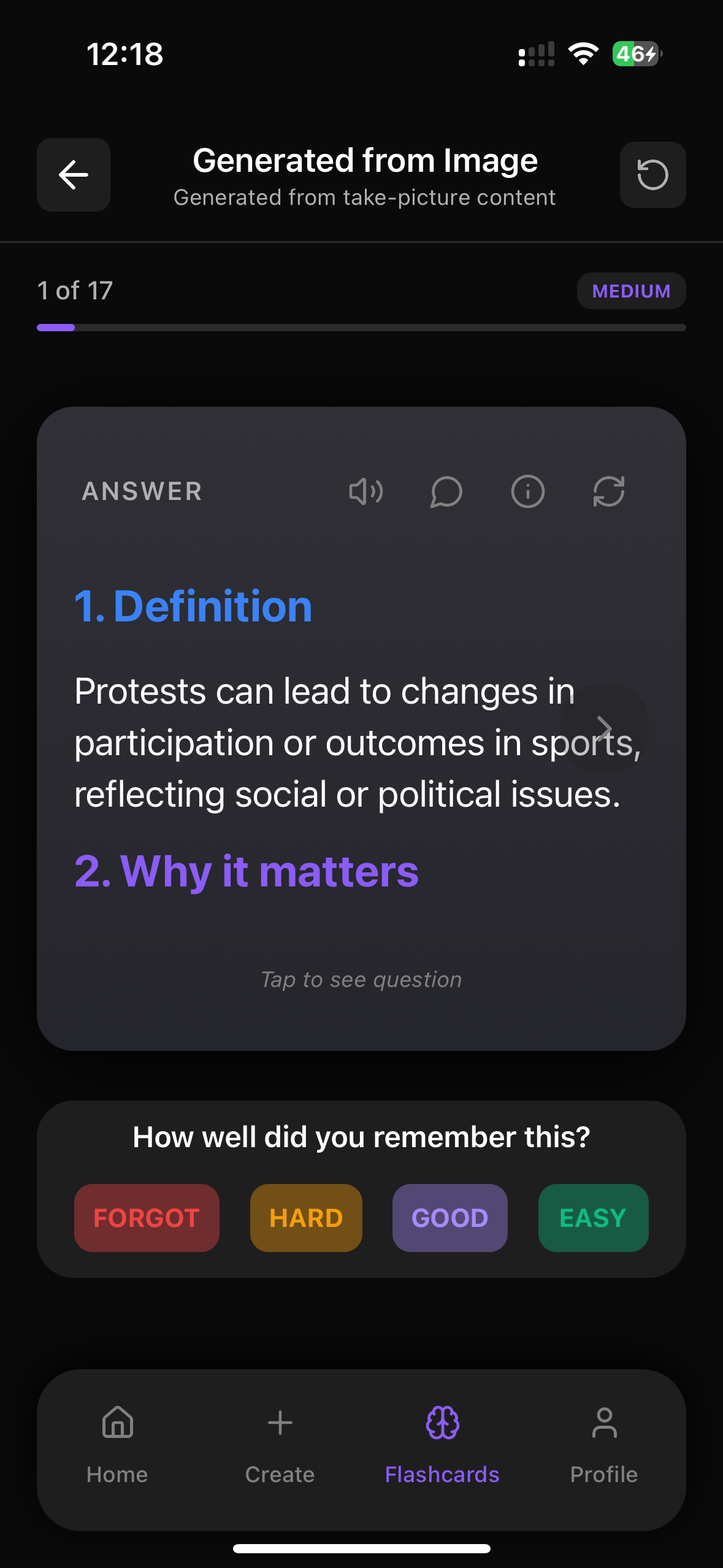
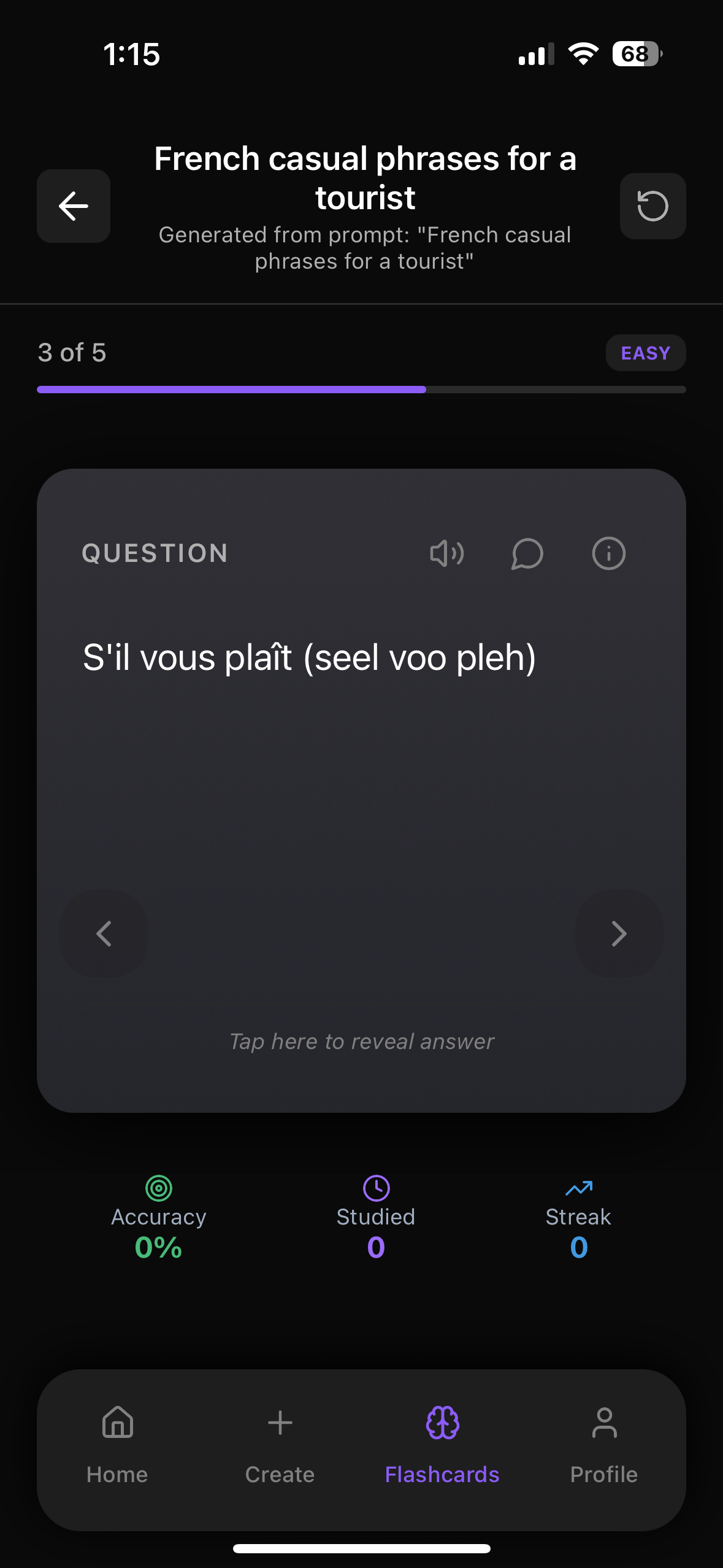
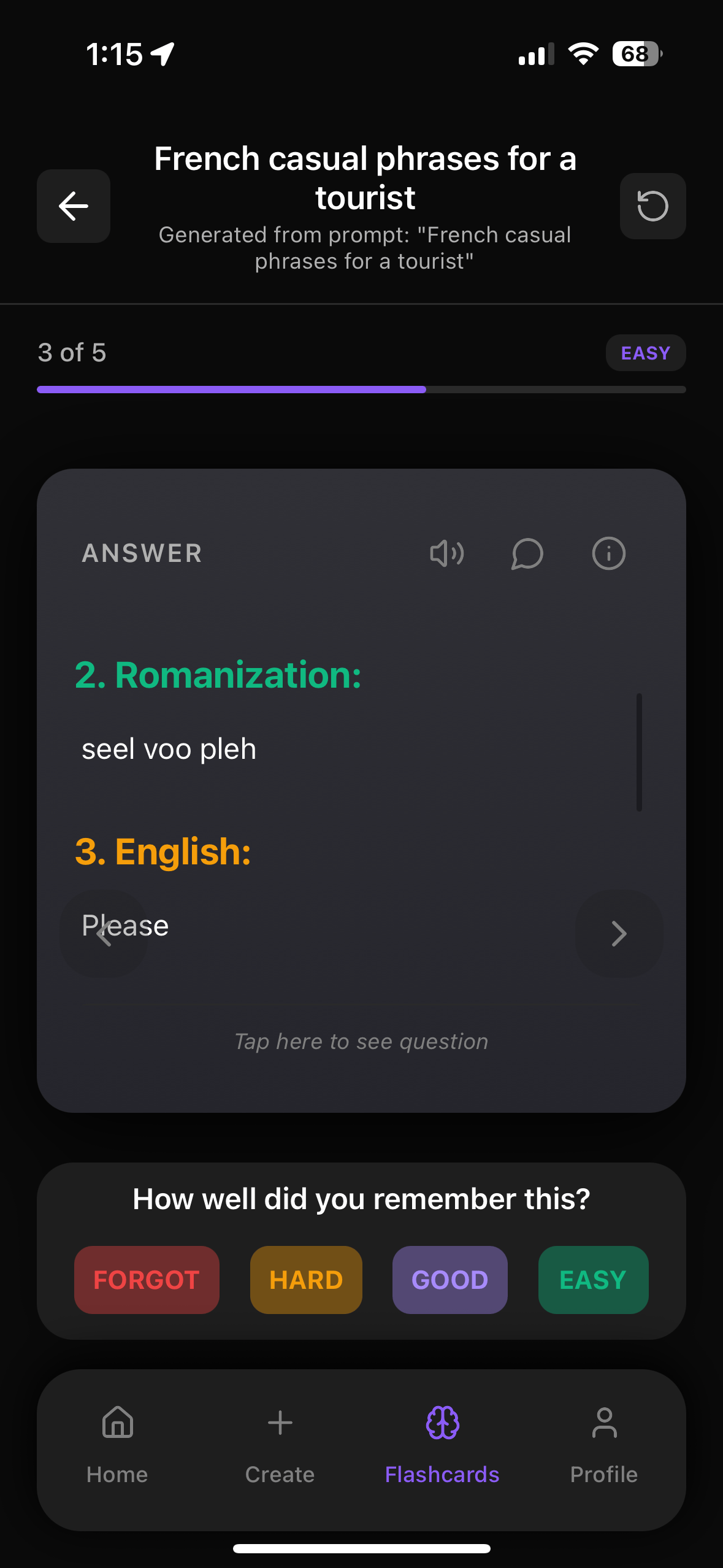
Alright, so you know how trying to learn a ton of stuff all at once can feel like a brain overload? That's where this 1x10 flashcard study method comes in handy. It's all about actively recalling the info you're trying to learn and spacing out your review sessions, so it sticks better in your memory. It's like giving your brain little mini workouts instead of one long, exhausting one. And the best part? Flashrecall totally has your back here. It automates the whole process—scheduling, reminders, all of it—so you can just focus on the learning part. If you're curious about how to turn those tiny "1x10" flashcard sets into your secret weapon for faster learning, we've got a complete guide that's super chill and full of tips. Grab a coffee, and let's dive into making study time way more effective.
Why 1–10 Flashcards Matter Way More Than You Think
Let’s skip the fluff: if you (or your kid) can’t confidently handle numbers 1–10, everything else in math gets harder.
Counting, adding, subtracting, times tables, even reading a clock — it all starts with those first ten numbers. That’s why 1–10 flashcards are such a big deal, especially for:
- Kids just starting with numbers
- Adults learning a new language
- Anyone teaching math basics (parents, tutors, teachers)
And instead of making and losing paper cards over and over, you can just use an app like Flashrecall to handle everything for you:
👉 https://apps.apple.com/us/app/flashrecall-study-flashcards/id6746757085
Flashrecall lets you create super simple 1–10 flashcards in seconds, then uses spaced repetition and active recall to actually make the numbers stick.
Let’s break down how to do this in a way that’s fast, fun, and actually effective.
What Are 1–10 Flashcards, Really?
“1–10 flashcards” sounds basic, but you can use them in a bunch of different ways, like:
- Number → Name
- Front: `3`
- Back: `three`
- Number → Dots / Objects
- Front: `5`
- Back: picture of 5 apples
- Name → Number
- Front: `seven`
- Back: `7`
- Number → Language Translation
- Front: `4`
- Back: `cuatro` (Spanish), `vier` (German), etc.
- Number → Simple Math
- Front: `2 + 3 = ?`
- Back: `5`
You can start super simple (just number recognition) and then build up to counting, language learning, and basic math — all with the same 1–10 set.
Why Flashcards Work So Well For Numbers 1–10
Two big learning principles make flashcards ridiculously effective:
1. Active Recall (Your Brain’s “Search Mode”)
Instead of just staring at a number chart, flashcards force your brain to answer:
- “What number is this?”
- “How many objects is that?”
- “How do I say this in English / Spanish / French?”
That “trying to remember” moment is what actually strengthens memory. Flashrecall has active recall built-in — it shows you the front, you think, then you flip and mark if you got it right or wrong.
2. Spaced Repetition (Review Just Before You Forget)
If you review “1–10” once and never again, you’ll forget.
If you review them constantly, you’ll get bored and quit.
Spaced repetition hits the sweet spot: you review each card right before you’re about to forget it.
Flashrecall does this automatically with spaced repetition and smart reminders, so you don’t have to remember when to study — the app pings you at the right time.
How To Set Up Powerful 1–10 Flashcards In Flashrecall
You can totally use paper cards if you want, but if you want to save time and not lose them under the couch, here’s how to do it in Flashrecall.
👉 Download it here (free to start):
https://apps.apple.com/us/app/flashrecall-study-flashcards/id6746757085
Step 1: Create a “Numbers 1–10” Deck
- Open Flashrecall on your iPhone or iPad
- Tap to create a new deck, name it something like “Numbers 1–10 – Basics”
Step 2: Add Cards (Fast)
You’ve got options:
- Manual entry
- Card 1: Front: `1`, Back: `one`
- Card 2: Front: `2`, Back: `two`
- … up to 10
- Use images
- Snap a photo of number charts, worksheets, or textbook pages
- Flashrecall can instantly turn images into flashcards
- You can crop just the number/dots and make a card from it
- From PDFs or text
- If you have a PDF or notes with numbers 1–10 and their words, you can import them
- Flashrecall can auto-generate flashcards from PDFs or text so you don’t type everything
You can even make multiple decks:
- Numbers → Words
- Numbers → Dots
- Numbers → Translations
- Numbers → Simple equations
Same numbers, different skills.
Fun Ways To Use 1–10 Flashcards (With Examples)
1. For Kids Learning To Count
Make it visual and playful:
- Card:
- Front: `3`
- Back: picture of 3 stars
- Card:
- Front: picture of 7 apples
- Back: `7`
In Flashrecall, you can quickly add images to cards, so you’re not stuck drawing stick apples forever.
Flashrecall automatically keeps track and reminds you of the cards you don't remember well so you remember faster. Like this :
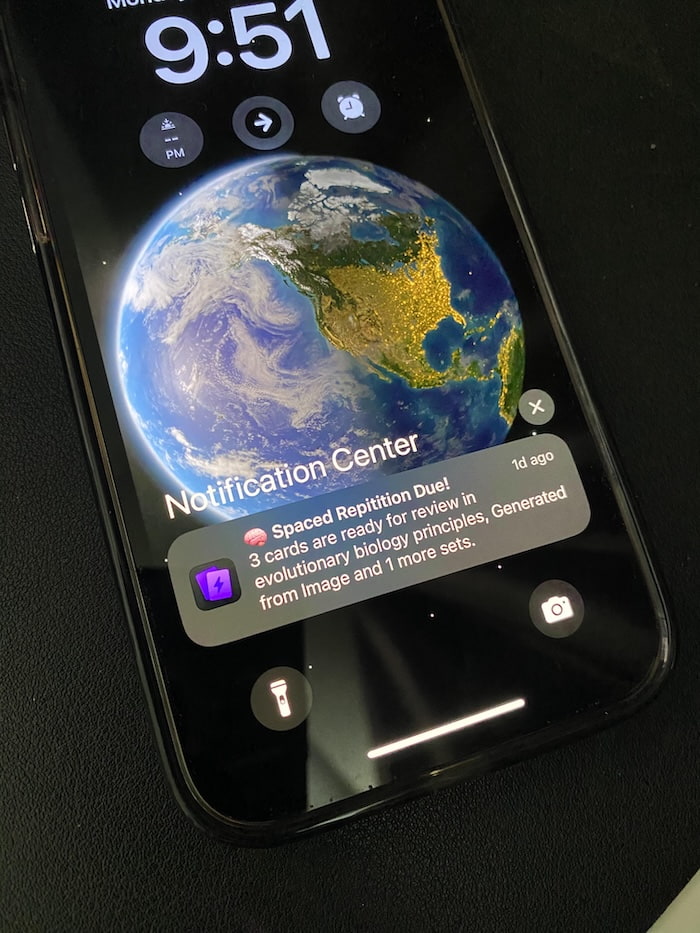
Sit with your kid, open Flashrecall, and for each card:
- Ask them to say the number out loud
- Then ask them to clap or jump that many times
Now it’s not just memory — it’s movement, sound, and fun.
2. For Language Learning (Numbers 1–10 In Another Language)
Numbers are one of the easiest ways to start learning a new language.
Example cards:
- Front: `1`
Back: `uno (Spanish)`
- Front: `five`
Back: `cinco (Spanish)`
- Front: `8`
Back: `acht (German)`
You can even chat with the flashcard in Flashrecall if you’re unsure:
- Ask: “How do I use ‘cinco’ in a sentence?”
- Or: “Give me example sentences with the number 3 in Spanish.”
Now your 1–10 deck becomes a mini language tutor.
3. For Basic Math (Using 1–10 As Building Blocks)
Once numbers 1–10 are familiar, use the same deck to build early math skills.
Example cards:
- Front: `2 + 2 = ?`
Back: `4`
- Front: `5 – 3 = ?`
Back: `2`
- Front: `What comes after 6?`
Back: `7`
- Front: `What comes before 4?`
Back: `3`
You can keep everything in one deck or create a “1–10 Math Practice” deck in Flashrecall.
Why Use Flashrecall Instead Of Paper 1–10 Flashcards?
You can do all this on paper, but here’s where Flashrecall makes life easier:
1. Instant Card Creation
- From images, PDFs, text, YouTube links, or just typing
- No cutting, no gluing, no losing cards
2. Built-In Spaced Repetition
- Cards you struggle with (like 7 or 9) show up more often
- Cards you know well show up less often
- The app handles the schedule for you with auto reminders
So you’re not reviewing “1” and “2” a thousand times while still forgetting “7”.
3. Active Recall Without Extra Effort
Flashrecall is designed around question → think → reveal → rate how you did.
That’s active recall baked in — no extra setup.
4. Study Reminders (So You Don’t Forget To Practice)
You can set study reminders, and Flashrecall will nudge you:
- “Time to review Numbers 1–10”
Perfect for kids, busy students, or adults learning a new language on the side.
5. Works Offline
No Wi‑Fi? No problem.
You can still review your 1–10 flashcards on the bus, on a plane, or in a waiting room.
6. You Can Chat With Your Flashcards
Stuck on something like:
- “Why does ‘one’ have that weird spelling?”
- “How do I say ‘ten’ in French again?”
You can chat with the flashcard inside Flashrecall and ask follow-up questions. It’s like your deck explains itself.
A Simple 7-Day Plan To Master 1–10 Using Flashrecall
Here’s a quick, realistic plan.
Day 1: Build & Learn
- Create your Numbers 1–10 deck in Flashrecall
- Add:
- Number → Word
- Number → Image (if useful)
- Do one full round of review (takes just a few minutes)
Day 2–3: Short Daily Reviews
- Open Flashrecall when you get a reminder
- Spend 5–10 minutes reviewing
- Mark honestly which ones you got wrong — the app will prioritize them
Day 4: Add A Twist
- Add a few “What comes before/after?” cards
- “What comes after 4?” → 5
- “What comes before 9?” → 8
Day 5: Mix In Another Skill
Pick one:
- Language (add translations)
- Simple math (2 + 3, 4 – 1, etc.)
- Counting objects (images with dots or objects)
Day 6–7: Keep It Light But Consistent
- Just follow Flashrecall’s suggested reviews
- You’ll notice that 1–10 start to feel automatic
By the end of a week, numbers 1–10 should feel effortless, and you’ll have a deck you can keep expanding.
Extra Ideas To Make 1–10 Flashcards More Engaging
- Use themes
- 1–10 with animals, cars, fruits, planets, whatever the learner loves
- Add audio
- Record yourself saying the number or the word
- Great for kids or language learning
- Turn it into a challenge
- “Let’s see if you can get all 10 numbers right in under a minute”
- Use different decks for different goals
- “1–10 English Words”
- “1–10 Spanish”
- “1–10 Math Facts”
Flashrecall makes it easy to create multiple decks and switch between them depending on what you’re working on.
Ready To Make 1–10 Stick For Good?
You don’t need anything fancy to master numbers 1–10 — just good flashcards and a system that reminds you when to review them.
Flashrecall gives you:
- Instant flashcard creation from images, text, PDFs, YouTube, or manual input
- Built-in active recall
- Smart spaced repetition with auto reminders
- Study reminders so you (or your kid) don’t forget to practice
- Works offline on iPhone and iPad
- Great for kids, students, language learners, and teachers
- Free to start
Set up your 1–10 flashcards once, and let the app handle the rest:
👉 https://apps.apple.com/us/app/flashrecall-study-flashcards/id6746757085
Start small with 1–10 — then use the same system to learn anything.
Frequently Asked Questions
What's the fastest way to create flashcards?
Manually typing cards works but takes time. Many students now use AI generators that turn notes into flashcards instantly. Flashrecall does this automatically from text, images, or PDFs.
Is there a free flashcard app?
Yes. Flashrecall is free and lets you create flashcards from images, text, prompts, audio, PDFs, and YouTube videos.
How do I start spaced repetition?
You can manually schedule your reviews, but most people use apps that automate this. Flashrecall uses built-in spaced repetition so you review cards at the perfect time.
What is active recall and how does it work?
Active recall is the process of actively retrieving information from memory rather than passively reviewing it. Flashrecall forces proper active recall by making you think before revealing answers, then uses spaced repetition to optimize your review schedule.
What's the best way to learn vocabulary?
Research shows that combining flashcards with spaced repetition and active recall is highly effective. Flashrecall automates this process, generating cards from your study materials and scheduling reviews at optimal intervals.
Related Articles
- Halloween Flashcards Printable: 7 Powerful Ways To Turn Spooky Fun Into Smarter Learning Fast – Discover how to go from basic printables to interactive flashcards that kids actually want to use.
- Montessori Flashcards: The Essential Guide To Raising Independent Learners With Powerful Visual Cards – Simple ways to use flashcards the Montessori way at home or in class (without hours of prep).
- Action Words Flash Cards: 7 Powerful Ways To Help You Learn Verbs Faster And Actually Remember Them – Especially With This Smart Flashcard App
Research References
The information in this article is based on peer-reviewed research and established studies in cognitive psychology and learning science.
Cepeda, N. J., Pashler, H., Vul, E., Wixted, J. T., & Rohrer, D. (2006). Distributed practice in verbal recall tasks: A review and quantitative synthesis. Psychological Bulletin, 132(3), 354-380
Meta-analysis showing spaced repetition significantly improves long-term retention compared to massed practice
Carpenter, S. K., Cepeda, N. J., Rohrer, D., Kang, S. H., & Pashler, H. (2012). Using spacing to enhance diverse forms of learning: Review of recent research and implications for instruction. Educational Psychology Review, 24(3), 369-378
Review showing spacing effects work across different types of learning materials and contexts
Kang, S. H. (2016). Spaced repetition promotes efficient and effective learning: Policy implications for instruction. Policy Insights from the Behavioral and Brain Sciences, 3(1), 12-19
Policy review advocating for spaced repetition in educational settings based on extensive research evidence
Karpicke, J. D., & Roediger, H. L. (2008). The critical importance of retrieval for learning. Science, 319(5865), 966-968
Research demonstrating that active recall (retrieval practice) is more effective than re-reading for long-term learning
Roediger, H. L., & Butler, A. C. (2011). The critical role of retrieval practice in long-term retention. Trends in Cognitive Sciences, 15(1), 20-27
Review of research showing retrieval practice (active recall) as one of the most effective learning strategies
Dunlosky, J., Rawson, K. A., Marsh, E. J., Nathan, M. J., & Willingham, D. T. (2013). Improving students' learning with effective learning techniques: Promising directions from cognitive and educational psychology. Psychological Science in the Public Interest, 14(1), 4-58
Comprehensive review ranking learning techniques, with practice testing and distributed practice rated as highly effective

FlashRecall Team
FlashRecall Development Team
The FlashRecall Team is a group of working professionals and developers who are passionate about making effective study methods more accessible to students. We believe that evidence-based learning tec...
Credentials & Qualifications
- •Software Development
- •Product Development
- •User Experience Design
Areas of Expertise
Ready to Transform Your Learning?
Start using FlashRecall today - the AI-powered flashcard app with spaced repetition and active recall.
Download on App Store