8BitDo Zero 2 iPad Anki: Complete Setup Guide + A Faster Way To Review Cards
8bitdo zero 2 ipad anki actually works: step-by-step keyboard mode setup, button mapping for Again/Good/Easy, plus when it’s easier to just use Flashrecall.
How Flashrecall app helps you remember faster. It's free
So… Can You Use 8BitDo Zero 2 With iPad And Anki?
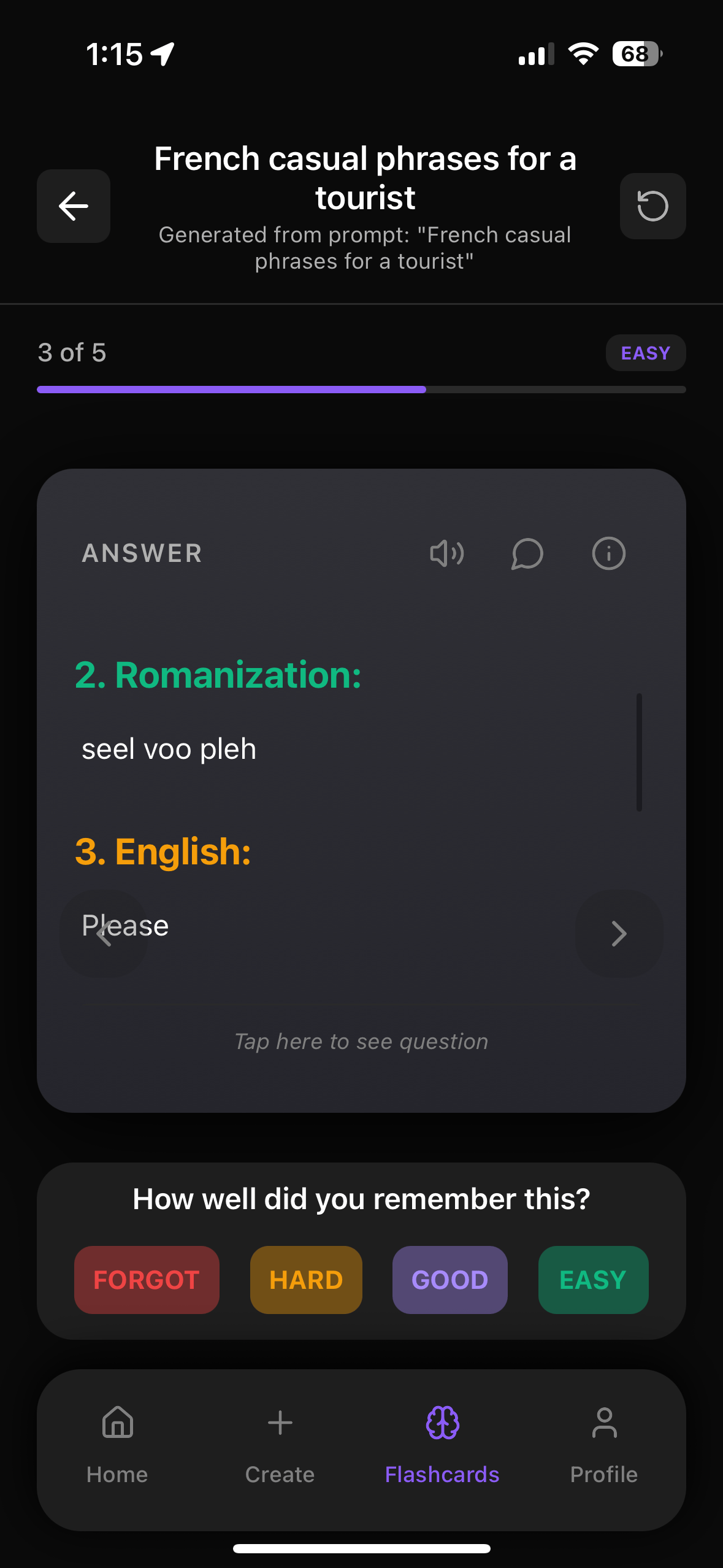
Alright, let’s talk about 8bitdo zero 2 ipad anki because yes, you can use the 8BitDo Zero 2 as a little remote to flip cards on your iPad while using Anki or other flashcard apps. It basically works like a tiny Bluetooth keyboard/gamepad, so you map its buttons to the keys Anki (or your flashcard app) uses for “Again/Good/Easy” and card navigation. This is super handy if you’re studying with your iPad propped up and don’t want to keep reaching out to tap the screen. And if you want something that just works smoothly on iPhone and iPad with spaced repetition built in, Flashrecall is a really nice alternative that already runs perfectly on iOS and iPadOS:
https://apps.apple.com/us/app/flashrecall-study-flashcards/id6746757085
Let’s walk through how to set this up, what actually works on iPad, and also when it might be easier to just switch to a more iOS-friendly flashcard app like Flashrecall.
How The 8BitDo Zero 2 Works With iPad
So the 8BitDo Zero 2 can connect to your iPad in different “modes”:
- Keyboard mode – acts like a Bluetooth keyboard (this is what you want for Anki-style shortcuts)
- Gamepad modes – meant for games, not ideal for text shortcuts
- Different OS profiles – like Switch, Android, etc.
For flashcards, you want it to behave like a keyboard, so the buttons send key presses like `1`, `2`, `3`, `4`, arrow keys, spacebar, etc.
On desktop Anki, people often map:
- `1 / 2 / 3 / 4` → Again / Hard / Good / Easy
- Arrow keys or space → Show answer / Next
On iPad, things are a bit messier because:
- The official AnkiMobile app has limited keyboard shortcut support compared to desktop.
- Not every key press is recognized the same way.
- Some gestures in the UI can’t be triggered by keys at all.
That’s where you might hit some frustration.
Step-By-Step: Connecting 8BitDo Zero 2 To Your iPad
Let’s get the basics done first.
1. Put 8BitDo Zero 2 In The Right Mode
You want keyboard mode. Depending on your firmware, this is usually:
- Hold Start + B (or sometimes Start + another button) while turning it on
- You should see a specific LED pattern for that mode (check the tiny manual or 8BitDo’s site for your exact revision)
If it’s in the wrong mode (like Switch or Android gamepad), it might still pair but act weird in apps.
2. Pair It With Your iPad
1. On your iPad, go to Settings → Bluetooth
2. Turn on Bluetooth
3. On the Zero 2, put it into pairing mode (usually hold Start until it blinks fast)
4. Tap the device when it appears (something like “8BitDo Zero 2”)
5. Wait for it to say Connected
Done. Now your iPad thinks it has a tiny keyboard/game controller attached.
Testing The Buttons (Before You Open Anki)
Before you mess with Anki or any app, test what keys the Zero 2 is actually sending.
Easiest way: use a notes app
1. Open Notes or any text editor on your iPad
2. Click into the text area
3. Press buttons on the Zero 2 one by one
4. See what appears:
- Numbers?
- Letters?
- Arrow keys (cursor moving)?
- Space / Enter?
This helps you figure out:
- Which button is “space”
- Which ones send numbers (good for Anki ratings)
- Which ones might not send visible characters (like arrows)
Write yourself a tiny map:
- A button → `1`
- B button → `2`
- X button → `space`
- Y button → `enter`
…etc.
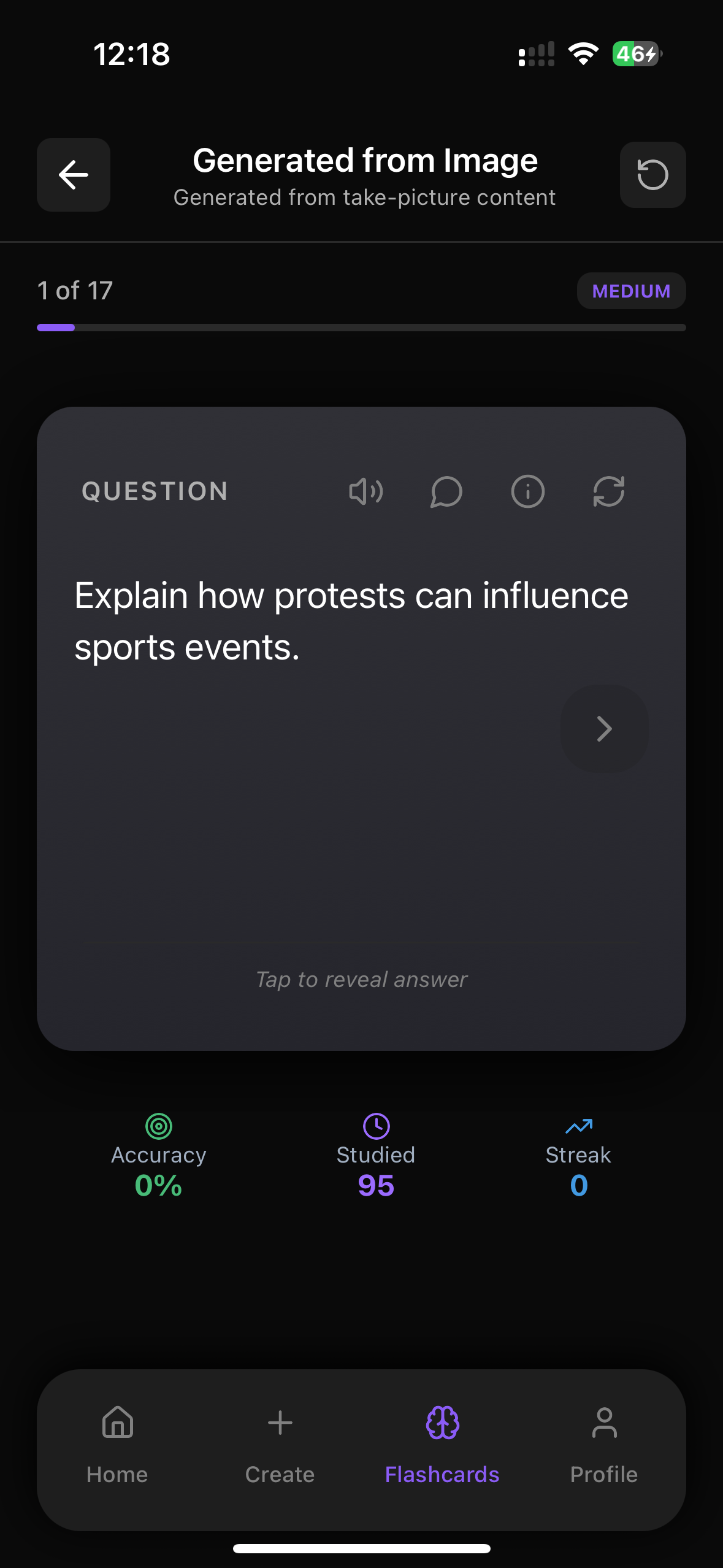
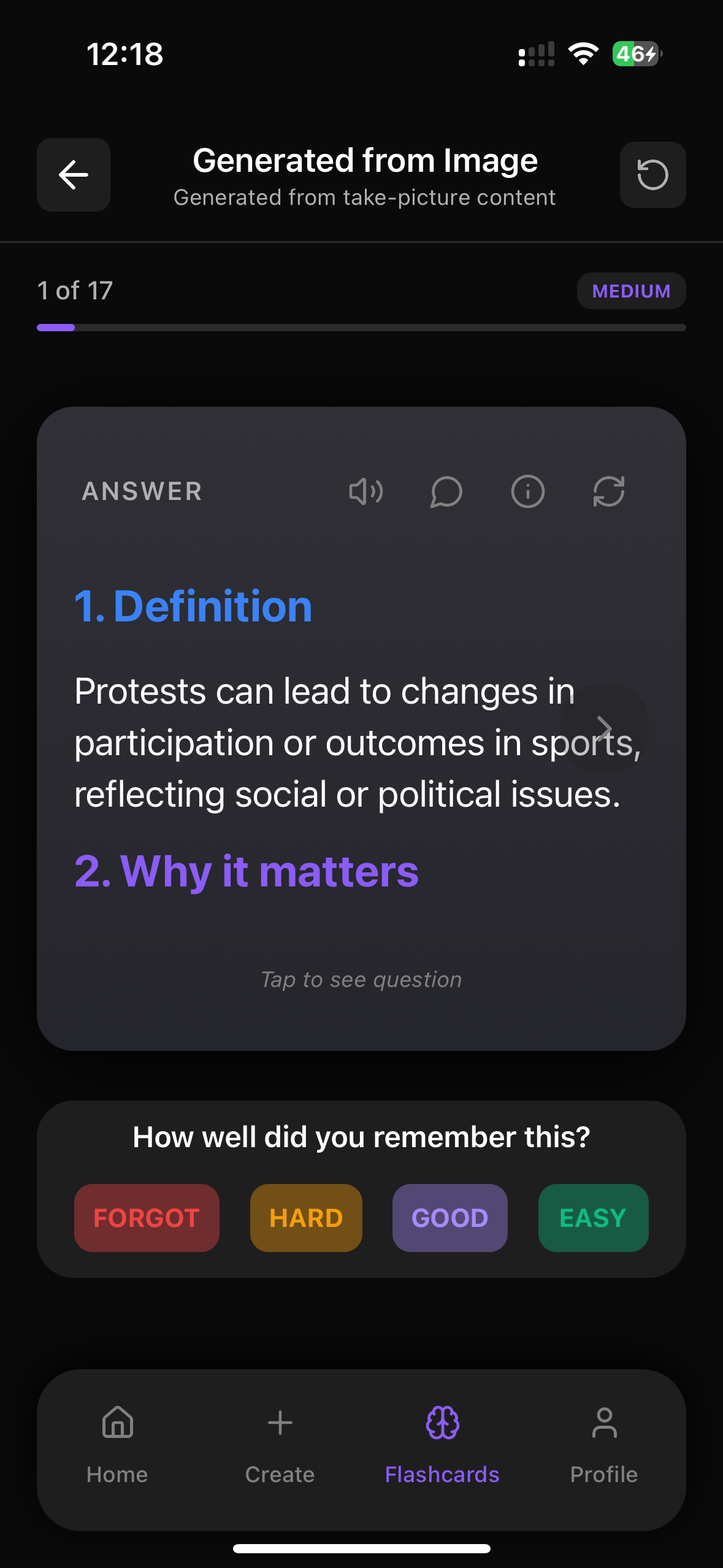
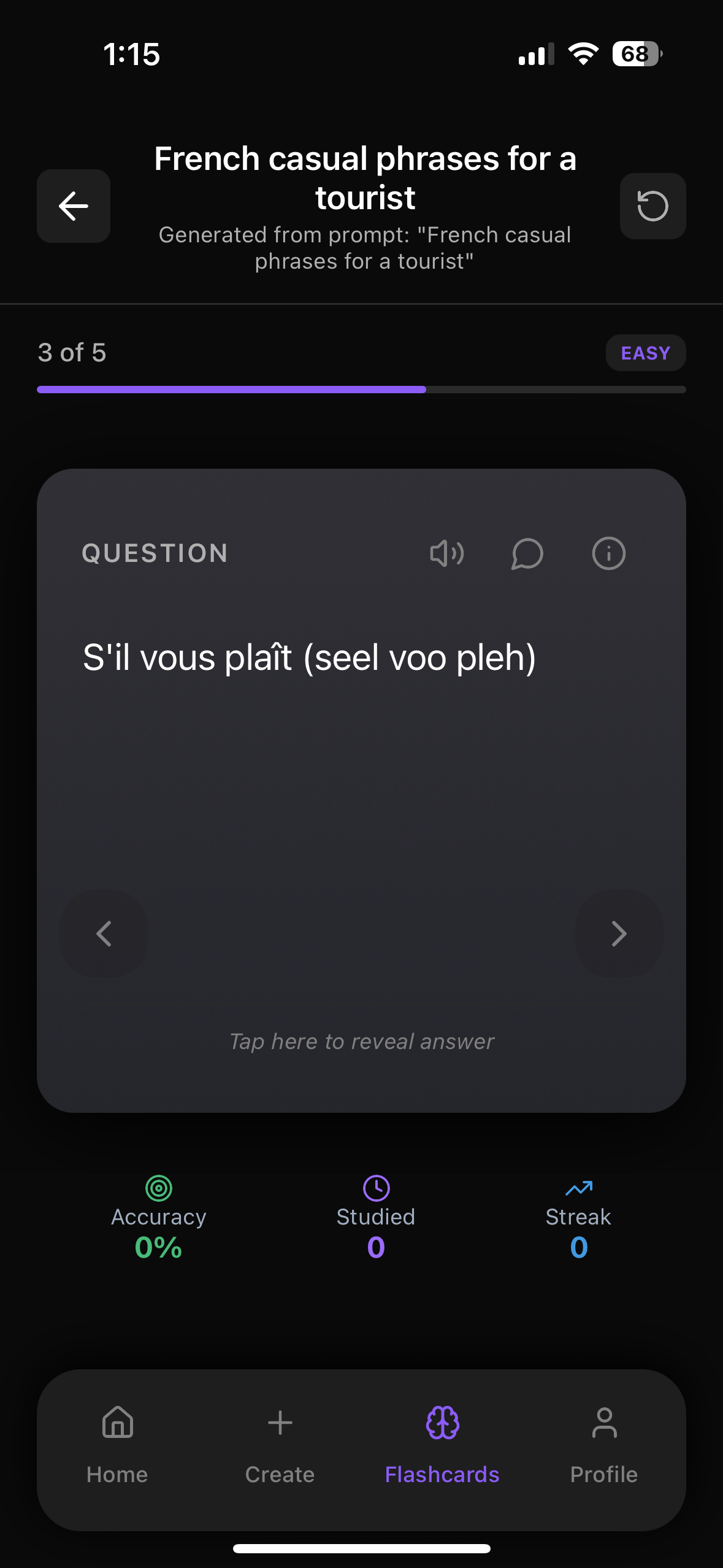
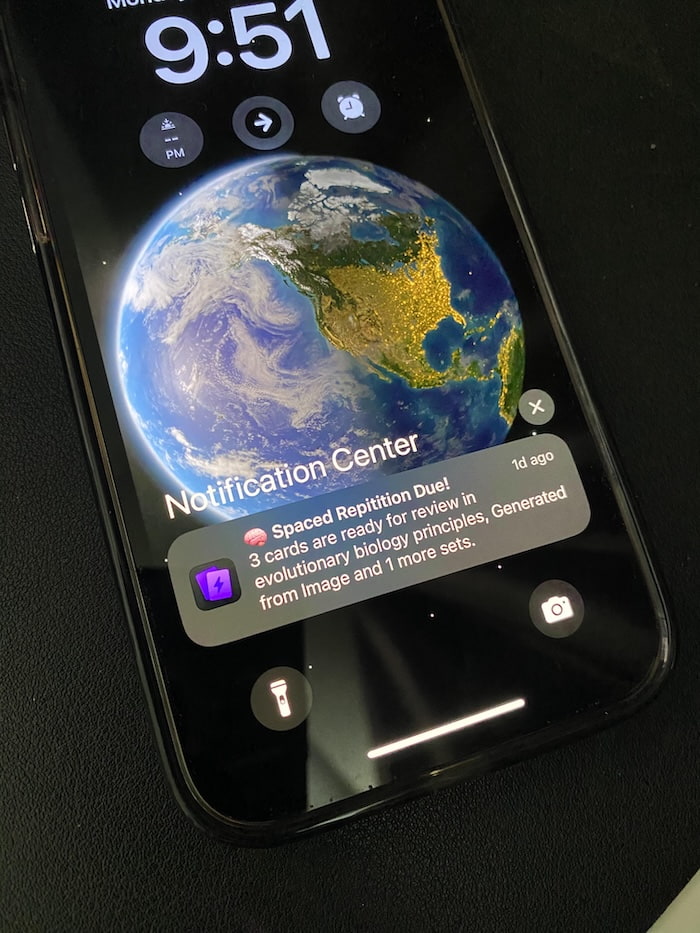
Flashrecall automatically keeps track and reminds you of the cards you don't remember well so you remember faster. Like this :
You’ll use this mental map when you’re in Anki or another flashcard app.
Using 8BitDo Zero 2 With Anki On iPad
Here’s the catch: AnkiMobile (the iOS app) is not the same as desktop Anki when it comes to keyboard shortcuts.
What Usually Works
Depending on the version and settings, AnkiMobile may respond to:
- Number keys (`1–4`) → Rating (Again/Hard/Good/Easy)
- Space / Enter → Show answer / Next card
So if your 8BitDo buttons send those keys, you’re good:
- One button to reveal the answer
- One button to mark “Good”
- Maybe another for “Again”
This is enough to do a full review session without touching the screen.
What Usually Doesn’t Work Well
- Complex shortcuts like `Ctrl + something`
- Custom keyboard shortcuts like on desktop
- Some UI actions that are tap-only
So don’t expect full desktop-level control. You’re mostly just getting:
- Flip card
- Rate card
Still, that’s already a nice quality-of-life upgrade.
What If Anki On iPad Is Still Clunky?
If you’re fighting with:
- Weird key mappings
- Shortcuts not working
- The app not feeling “iPad-native”
…you’re not alone. That’s exactly why a lot of people just switch to a flashcard app that’s built specifically for iPhone and iPad instead of ported from desktop.
That’s where Flashrecall comes in.
A Smoother Alternative: Using Flashrecall On iPad Instead Of Anki
If your main goal is:
> “I just want to review flashcards fast on my iPad, ideally with spaced repetition and minimal tapping”
Then honestly, it might be easier to move your workflow to Flashrecall instead of wrestling with AnkiMobile + controller hacks.
You can grab it here:
👉 https://apps.apple.com/us/app/flashrecall-study-flashcards/id6746757085
Why Flashrecall Feels Better On iPad
Flashrecall is built to be fast and simple on iPhone and iPad:
- Automatic spaced repetition
You don’t have to tweak intervals or remember when to review. Cards resurface automatically at the right time.
- Built-in active recall
Same idea as Anki: you see a prompt, try to remember, then reveal the answer and rate how well you knew it.
- Study reminders
You get gentle nudges so you don’t forget to review your decks.
- Works offline
Perfect for studying on the go, flights, commutes, bad Wi‑Fi, whatever.
- Super quick card creation
This is where it really beats basic Anki workflows on iPad:
- Turn images, text, PDFs, audio, YouTube links, or typed prompts into cards
- Or make cards manually if you like full control
- You can chat with a flashcard
Stuck on a concept? You can literally chat with the card to get more explanation, examples, or clarification.
- Great for everything
Languages, med school, exams, school subjects, business terms, coding concepts—anything you need to memorize or understand.
- Free to start and very easy to use.
So instead of spending 30–60 minutes tweaking controller modes and troubleshooting shortcuts, you can be… actually studying.
Can You Still Use 8BitDo Zero 2 With Flashrecall?
Right now, Flashrecall doesn’t officially market “controller support,” but here’s the key point:
If your 8BitDo Zero 2 is in keyboard mode and Flashrecall supports basic keyboard input for navigation on iPad, then:
- Space / Enter / Arrow keys may still work for moving through cards
- Some keys might act like taps (depends on how iPadOS maps them)
So the same idea applies:
- Put the Zero 2 in keyboard mode
- Test in Notes to see which buttons send what
- Open Flashrecall and try:
- Space / Enter → show next / reveal
- Arrow keys → move between cards (if supported)
Even if you end up still tapping occasionally, Flashrecall’s overall experience (fast UI, auto spaced repetition, reminders, easy card creation) usually saves you more time than full-blown controller integration.
When Does A Controller Actually Help For Studying?
Using an 8BitDo Zero 2 with your iPad is most useful if:
- Your iPad is on a stand and you’re:
- Lying in bed
- Sitting back on a couch
- Using an external keyboard or monitor
- You want to keep your hands low/relaxed and just click through cards
It’s less about speed and more about comfort.
But if you:
- Spend more time configuring than studying
- Keep losing connection or shortcuts break after updates
…then honestly, a smooth app like Flashrecall is a bigger upgrade than any controller.
Quick Comparison: Anki + 8BitDo vs Flashrecall On iPad
- ✅ Familiar if you already use Anki desktop
- ✅ Can use number keys for Again/Good/Easy
- ✅ Hands-free-ish card flipping with controller
- ❌ Keyboard shortcuts on iPad are limited vs desktop
- ❌ Setup can be annoying (modes, mapping, testing)
- ❌ Card creation on iPad isn’t as fast or flexible
- ✅ Automatic spaced repetition
- ✅ Super fast card creation from images, PDFs, YouTube, text, audio
- ✅ Works offline, has reminders, modern interface
- ✅ You can chat with cards to understand concepts better
- ✅ Great for languages, school, uni, medicine, business, anything
- ✅ Free to start and works on both iPhone and iPad
- ❌ Doesn’t try to clone every tiny Anki feature (it focuses on being simple + effective)
If your goal is maximum comfort + minimal friction, Flashrecall is usually the better long-term setup.
Grab it here and try building one deck today:
👉 https://apps.apple.com/us/app/flashrecall-study-flashcards/id6746757085
TL;DR: How To Use 8BitDo Zero 2 With iPad Anki (And When To Switch)
- Yes, 8bitdo zero 2 ipad anki can work:
- Put the controller in keyboard mode
- Pair it via Bluetooth
- Test buttons in Notes to see what keys they send
- Use those keys in AnkiMobile for rating cards and showing answers
- But Anki on iPad has limited keyboard shortcut support, so don’t expect desktop-level control.
- If you’re tired of fiddling with settings and just want:
- Automatic spaced repetition
- Easy card creation from any content
- Smooth, iPad-native studying
- Offline mode + reminders
…then switching to Flashrecall will probably give you a bigger upgrade than the controller itself.
Again, here’s the link so you don’t have to search:
https://apps.apple.com/us/app/flashrecall-study-flashcards/id6746757085
Set up your Zero 2 if you enjoy the gadget side of things—but if you want to actually remember stuff faster, let the app do the heavy lifting for you.
Frequently Asked Questions
Is Anki good for studying?
Anki is powerful but requires manual card creation and has a steep learning curve. Flashrecall offers AI-powered card generation from your notes, images, PDFs, and videos, making it faster and easier to create effective flashcards.
What's the fastest way to create flashcards?
Manually typing cards works but takes time. Many students now use AI generators that turn notes into flashcards instantly. Flashrecall does this automatically from text, images, or PDFs.
How do I start spaced repetition?
You can manually schedule your reviews, but most people use apps that automate this. Flashrecall uses built-in spaced repetition so you review cards at the perfect time.
Related Articles
- Anki Notion Workflow: The Complete Guide To Smarter Notes And Faster Flashcards Most People Ignore
- 8BitDo Anki Setup Guide: Turn Your Gamepad Into The Ultimate Flashcard Power Tool Most Students Don’t Know About
- Anki Cards English: 7 Powerful Tricks To Learn Faster (And A Better Alternative) – Stop wasting time on clunky decks and start learning English with tools that actually fit your life.
Research References
The information in this article is based on peer-reviewed research and established studies in cognitive psychology and learning science.
Cepeda, N. J., Pashler, H., Vul, E., Wixted, J. T., & Rohrer, D. (2006). Distributed practice in verbal recall tasks: A review and quantitative synthesis. Psychological Bulletin, 132(3), 354-380
Meta-analysis showing spaced repetition significantly improves long-term retention compared to massed practice
Carpenter, S. K., Cepeda, N. J., Rohrer, D., Kang, S. H., & Pashler, H. (2012). Using spacing to enhance diverse forms of learning: Review of recent research and implications for instruction. Educational Psychology Review, 24(3), 369-378
Review showing spacing effects work across different types of learning materials and contexts
Kang, S. H. (2016). Spaced repetition promotes efficient and effective learning: Policy implications for instruction. Policy Insights from the Behavioral and Brain Sciences, 3(1), 12-19
Policy review advocating for spaced repetition in educational settings based on extensive research evidence
Karpicke, J. D., & Roediger, H. L. (2008). The critical importance of retrieval for learning. Science, 319(5865), 966-968
Research demonstrating that active recall (retrieval practice) is more effective than re-reading for long-term learning
Roediger, H. L., & Butler, A. C. (2011). The critical role of retrieval practice in long-term retention. Trends in Cognitive Sciences, 15(1), 20-27
Review of research showing retrieval practice (active recall) as one of the most effective learning strategies
Dunlosky, J., Rawson, K. A., Marsh, E. J., Nathan, M. J., & Willingham, D. T. (2013). Improving students' learning with effective learning techniques: Promising directions from cognitive and educational psychology. Psychological Science in the Public Interest, 14(1), 4-58
Comprehensive review ranking learning techniques, with practice testing and distributed practice rated as highly effective

FlashRecall Team
FlashRecall Development Team
The FlashRecall Team is a group of working professionals and developers who are passionate about making effective study methods more accessible to students. We believe that evidence-based learning tec...
Credentials & Qualifications
- •Software Development
- •Product Development
- •User Experience Design
Areas of Expertise
Ready to Transform Your Learning?
Start using FlashRecall today - the AI-powered flashcard app with spaced repetition and active recall.
Download on App Store