Abbreviation Flashcards: The Best Way To Learn Acronyms Fast (Most People Study Them Wrong)
Abbreviation flashcards train recall, not recognition, so acronyms finally stick. See how apps like Flashrecall auto-generate cards and schedule reviews for...
How Flashrecall app helps you remember faster. It's free
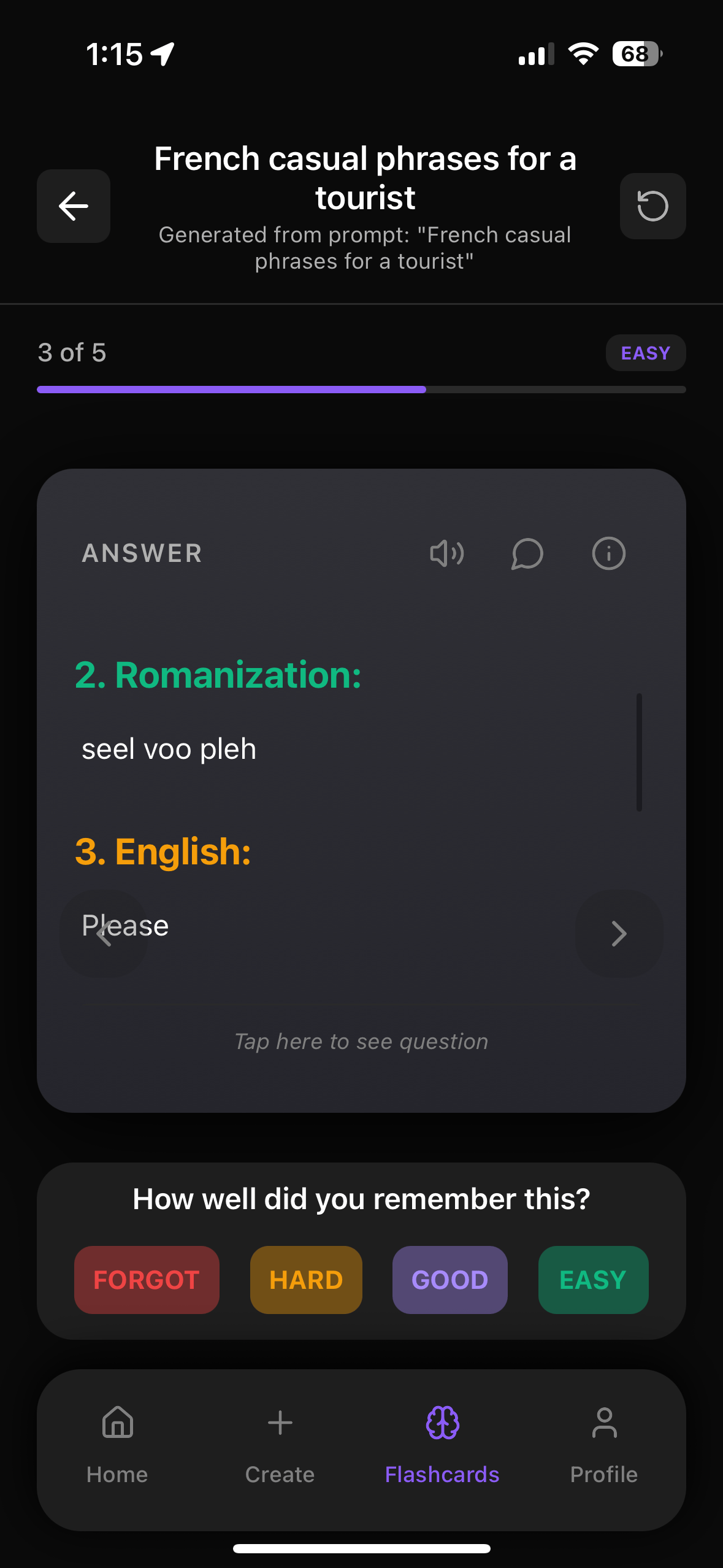
What Are Abbreviation Flashcards (And Why They Work So Well)?
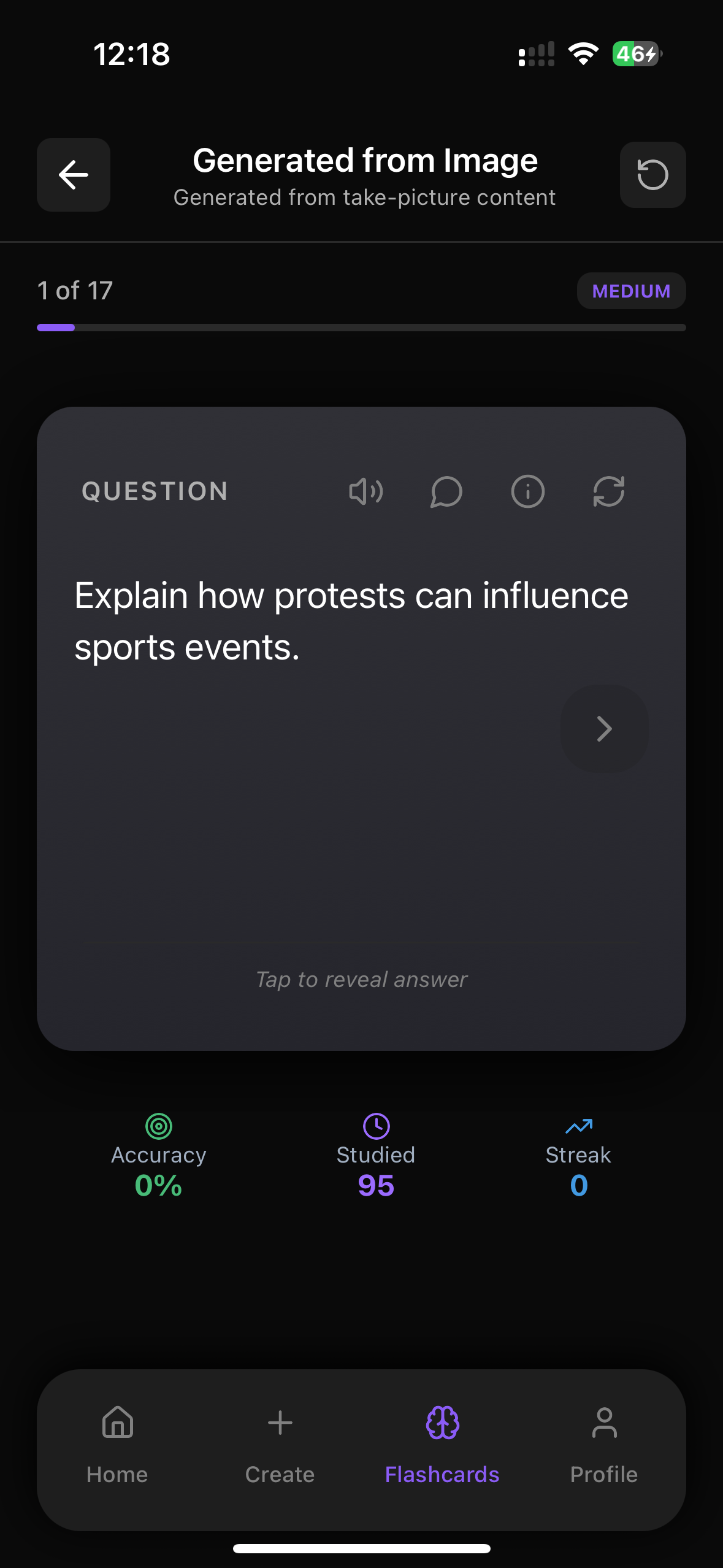
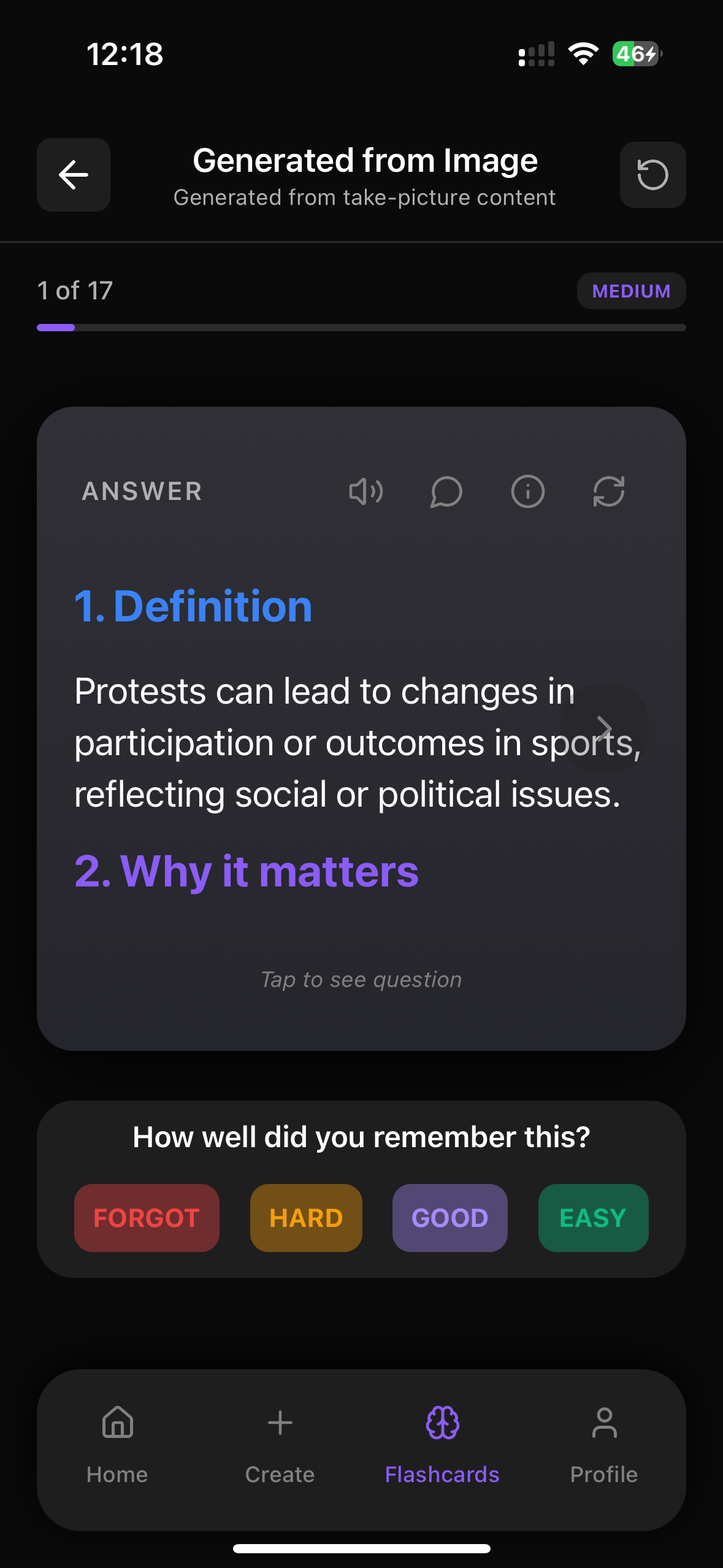
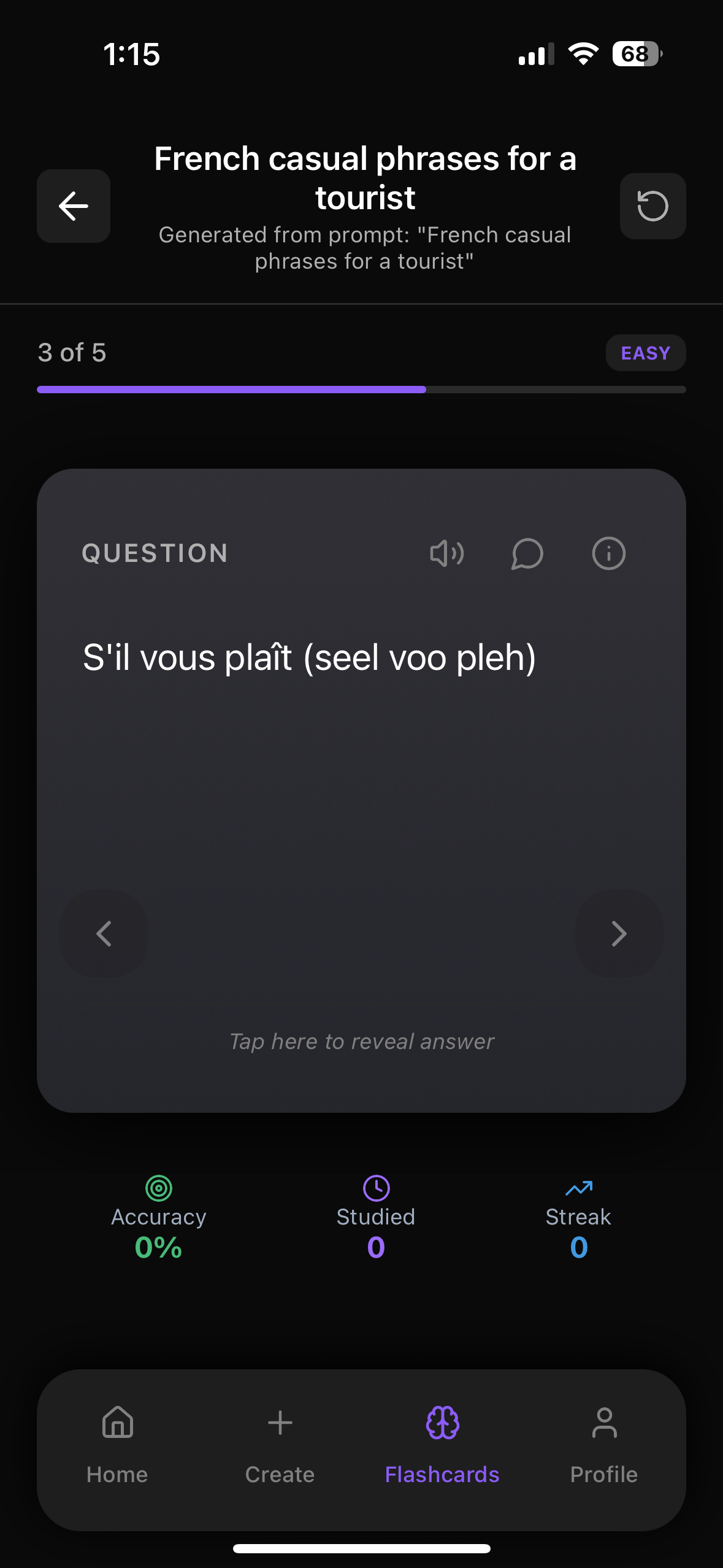
Alright, let’s talk about abbreviation flashcards: they’re just simple flashcards where one side has the abbreviation (like “CIA”) and the other side has the full meaning (“Central Intelligence Agency”) plus maybe a short note or example. They work because they force you to actively recall what the letters stand for instead of just passively rereading a list. So instead of staring at a massive table of acronyms and hoping they stick, you test yourself one by one. Apps like Flashrecall make this way easier by turning your notes into abbreviation flashcards automatically and then reminding you exactly when to review them:
https://apps.apple.com/us/app/flashrecall-study-flashcards/id6746757085
Why Abbreviation Flashcards Beat Just Reading A List
You know how you can read through a list of abbreviations and feel like “yeah yeah I know this”… and then a test question pops up and your brain goes blank? That’s because reading is passive; flashcards are active.
Abbreviation flashcards help you:
- Train recall, not recognition
Seeing “CPU = Central Processing Unit” is recognition. Seeing “CPU” and having to pull “Central Processing Unit” from your brain is recall — and recall is what actually builds memory.
- Spot your weak spots instantly
You’ll quickly notice, “Okay, I never remember the difference between LDL and HDL,” or “I always mix up CRM and ERP.”
- Break huge lists into tiny chunks
Instead of staring at 200 abbreviations, you’re just dealing with one card at a time. Way less overwhelming.
And when you use an app like Flashrecall, you don’t even have to think about when to review — spaced repetition handles that for you automatically.
Why Flashrecall Is Perfect For Abbreviation Flashcards
If you’re going to make a lot of abbreviation flashcards, doing them by hand gets old fast. Flashrecall basically removes the annoying parts:
👉 Download it here (free to start):
https://apps.apple.com/us/app/flashrecall-study-flashcards/id6746757085
Here’s why it’s especially good for abbreviations:
- Instant card creation from anything
Got a PDF with a giant abbreviation list? Screenshot, upload, or import it into Flashrecall and it can turn that into flashcards for you.
It also works with:
- Images
- Text
- Audio
- PDFs
- YouTube links
- Or just stuff you type in
- Built-in spaced repetition
Flashrecall uses spaced repetition automatically. You review “ASAP”, “ETA”, “ROI”, etc., at increasing intervals so you remember them long-term without cramming.
- Study reminders
You get gentle nudges to study, so you don’t forget your abbreviation practice for weeks and then panic the night before an exam.
- Works offline
On a plane, in the library, bad Wi-Fi on campus — no problem. Your abbreviation flashcards are still there.
- Chat with your flashcards
Not sure what an abbreviation really means in context? You can actually chat with the flashcard to ask for examples or clarifications. Super helpful for things like medical or legal abbreviations where definitions can be confusing.
- Fast, modern, easy to use
No clunky UI, no weird menus. It just works — on both iPhone and iPad.
How To Structure Good Abbreviation Flashcards
Not all cards are equal. A messy card = a confused brain. Here’s a simple structure that works really well.
1. Basic Abbreviation Card
> MRI
> Magnetic Resonance Imaging
> Used to create detailed images of organs and tissues.
That’s it. Clean and simple.
2. Add Context So It Actually Makes Sense
If you only memorize the words, you’ll forget what they mean.
> GDP
> Gross Domestic Product
> The total value of all goods and services produced in a country in a specific period.
Context = better memory + better understanding.
3. Use One Clear Idea Per Card
Flashrecall automatically keeps track and reminds you of the cards you don't remember well so you remember faster. Like this :
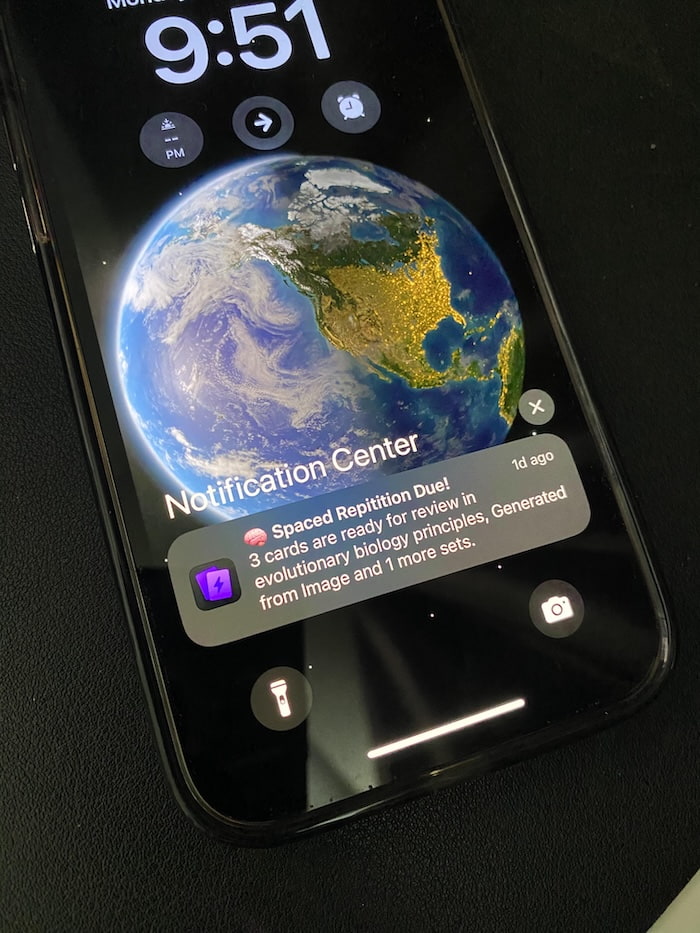
Don’t cram three abbreviations on one card. That’s just chaos.
Bad card:
> Front: LDL / HDL / TG
> Back: Low-density lipoprotein, High-density lipoprotein, Triglycerides
Better:
- Card 1: LDL → Low-density lipoprotein (“bad cholesterol”)
- Card 2: HDL → High-density lipoprotein (“good cholesterol”)
- Card 3: TG → Triglycerides (type of fat in your blood)
Flashrecall makes adding lots of small cards quick, so there’s no reason to overload one.
Step-By-Step: Creating Abbreviation Flashcards In Flashrecall
Here’s a simple workflow you can use right now.
Step 1: Grab Your Source
This could be:
- A PDF from school or work
- A screenshot of a table of abbreviations
- Notes from a lecture
- A webpage with acronyms in your field
Step 2: Import Or Paste Into Flashrecall
In Flashrecall you can:
- Import PDFs
- Add screenshots or images
- Paste text directly
- Or just type abbreviations and meanings yourself
Flashrecall can help turn that content into flashcards automatically, which saves a ton of time if you’ve got 50+ abbreviations to cover.
Step 3: Clean Up And Add Context
Before you start studying, quickly skim your new cards and:
- Add a short explanation or example sentence
- Fix any weird formatting
- Split any card that’s trying to do too much into multiple cards
Step 4: Start A Short Daily Session
With abbreviation flashcards, short and frequent beats long and rare.
- 10–15 minutes a day is enough
- Let spaced repetition decide which cards you see
- Don’t worry if you fail a lot at first — that’s normal
Flashrecall will automatically bring back tricky abbreviations more often until they stick.
Smart Techniques To Remember Abbreviations Faster
If some abbreviations just refuse to stay in your brain, try these tricks.
1. Use Mnemonics
Make a little phrase that helps you remember the meaning.
- LASER – Light Amplification by Stimulated Emission of Radiation
You might imagine a “laser” literally amplifying light.
- OPEC – Organization of the Petroleum Exporting Countries
Picture a group (organization) of oil barrels in a circle.
You can write these mnemonics on the back of your Flashrecall cards.
2. Group By Category
Instead of random order, learn abbreviations by topic:
- Medical (CBC, MRI, ECG, BP…)
- Business (ROI, KPI, CRM, EBITDA…)
- Tech (CPU, GPU, API, RAM, HTTP…)
- Legal, aviation, finance, etc.
In Flashrecall, you can create separate decks for each topic so your brain learns related abbreviations together.
3. Add Example Sentences
Example sentences help you remember how abbreviations are actually used.
- Front: ETA
- Back: Estimated Time of Arrival
This is especially good for language learning (e.g., common text abbreviations or chat slang).
4. Use Both Directions (Optional)
If you really want to master them, you can make reverse cards:
- Card 1: “What does MRI stand for?”
- Card 2: “Magnetic Resonance Imaging → abbreviation?”
Flashrecall makes it easy to duplicate and flip cards if you want that extra challenge.
Where Abbreviation Flashcards Really Shine
Abbreviation flashcards are useful pretty much anywhere there are too many letters to remember:
- Medicine & Nursing
Tons of abbreviations: BP, HR, ECG, MRI, CBC, ICU, IV, BID, TID…
Flashrecall is great here because you can chat with the card if you’re unsure about what the abbreviation actually means in practice.
- Business & Finance
ROI, EBITDA, CAGR, KPI, CRM, P&L, AR, AP…
You can add definitions plus real-world examples so you’re not just memorizing letters.
- Tech & IT
API, HTTP, DNS, TCP/IP, SQL, JSON, CPU, GPU…
You can even import docs or articles and turn key abbreviations into flashcards.
- Languages & Slang
BTW, FYI, LOL, BRB, TTYL, ASAP…
Great for English learners or anyone trying to understand internet/chat slang.
- School & Exams
Geography (EU, NATO, OPEC), politics (UN, WHO, IMF), science (DNA, RNA, ATP)…
Flashrecall’s auto reminders help you keep up with everything without last-minute cramming.
How Often Should You Review Abbreviation Flashcards?
You don’t need to overthink it — that’s literally what spaced repetition is for. But as a rough idea:
- First week: Short daily sessions (5–15 minutes)
- After that: Just follow Flashrecall’s review suggestions
Because Flashrecall has built-in spaced repetition and reminders, you don’t have to track anything manually. You just open the app, do the cards it gives you, and close it. Super low mental load.
Quick Tips To Make Abbreviation Flashcards Less Boring
- Mix in images when relevant (e.g., MRI machine, CPU diagram)
- Keep cards short and clean — no big paragraphs
- Add personal notes like “this shows up a lot in my accounting class”
- Study on the go — bus rides, waiting in line, before bed
Since Flashrecall works offline and on both iPhone and iPad, you can sneak in tiny study sessions anywhere without needing Wi‑Fi.
Try Abbreviation Flashcards In Flashrecall Today
If abbreviations feel like a wall of random letters right now, abbreviation flashcards are honestly the easiest way to break that down into something manageable and actually remember them.
With Flashrecall, you can:
- Turn your notes, PDFs, or screenshots into flashcards fast
- Let spaced repetition and reminders handle your review schedule
- Chat with cards when you need more explanation or examples
- Study offline, on your own time, with a clean, modern app
Grab it here (free to start):
https://apps.apple.com/us/app/flashrecall-study-flashcards/id6746757085
Set up a small deck of 10–20 abbreviations, run through them for a few days, and you’ll see how quickly the random letters start to actually mean something.
Frequently Asked Questions
What's the fastest way to create flashcards?
Manually typing cards works but takes time. Many students now use AI generators that turn notes into flashcards instantly. Flashrecall does this automatically from text, images, or PDFs.
Is there a free flashcard app?
Yes. Flashrecall is free and lets you create flashcards from images, text, prompts, audio, PDFs, and YouTube videos.
How can I study more effectively for this test?
Effective exam prep combines active recall, spaced repetition, and regular practice. Flashrecall helps by automatically generating flashcards from your study materials and using spaced repetition to ensure you remember everything when exam day arrives.
Related Articles
- Emoji Flashcards: The Fun, Powerful Way To Learn Faster (Most People Ignore This Trick)
- Moina Flashcards: The Best Alternative Most Students Don’t Know About (Yet) – Learn Faster With Smarter, Automatic Study Tools
- Picture Flashcards: The Powerful Visual Study Hack To Remember Anything Faster In Less Time – Most Students Ignore This Simple Trick
Research References
The information in this article is based on peer-reviewed research and established studies in cognitive psychology and learning science.
Cepeda, N. J., Pashler, H., Vul, E., Wixted, J. T., & Rohrer, D. (2006). Distributed practice in verbal recall tasks: A review and quantitative synthesis. Psychological Bulletin, 132(3), 354-380
Meta-analysis showing spaced repetition significantly improves long-term retention compared to massed practice
Carpenter, S. K., Cepeda, N. J., Rohrer, D., Kang, S. H., & Pashler, H. (2012). Using spacing to enhance diverse forms of learning: Review of recent research and implications for instruction. Educational Psychology Review, 24(3), 369-378
Review showing spacing effects work across different types of learning materials and contexts
Kang, S. H. (2016). Spaced repetition promotes efficient and effective learning: Policy implications for instruction. Policy Insights from the Behavioral and Brain Sciences, 3(1), 12-19
Policy review advocating for spaced repetition in educational settings based on extensive research evidence
Karpicke, J. D., & Roediger, H. L. (2008). The critical importance of retrieval for learning. Science, 319(5865), 966-968
Research demonstrating that active recall (retrieval practice) is more effective than re-reading for long-term learning
Roediger, H. L., & Butler, A. C. (2011). The critical role of retrieval practice in long-term retention. Trends in Cognitive Sciences, 15(1), 20-27
Review of research showing retrieval practice (active recall) as one of the most effective learning strategies
Dunlosky, J., Rawson, K. A., Marsh, E. J., Nathan, M. J., & Willingham, D. T. (2013). Improving students' learning with effective learning techniques: Promising directions from cognitive and educational psychology. Psychological Science in the Public Interest, 14(1), 4-58
Comprehensive review ranking learning techniques, with practice testing and distributed practice rated as highly effective

FlashRecall Team
FlashRecall Development Team
The FlashRecall Team is a group of working professionals and developers who are passionate about making effective study methods more accessible to students. We believe that evidence-based learning tec...
Credentials & Qualifications
- •Software Development
- •Product Development
- •User Experience Design
Areas of Expertise
Ready to Transform Your Learning?
Start using FlashRecall today - the AI-powered flashcard app with spaced repetition and active recall.
Download on App Store