ABIM Anki: The Complete Guide To Smarter Board Prep (And A Better Alternative Most Residents Miss) – Stop drowning in random decks and learn how to actually pass ABIM without burning out.
abim anki works, but this breaks down why huge decks fail, how spaced repetition actually helps ABIM, and when a cleaner app like Flashrecall makes more sense.
How Flashrecall app helps you remember faster. It's free
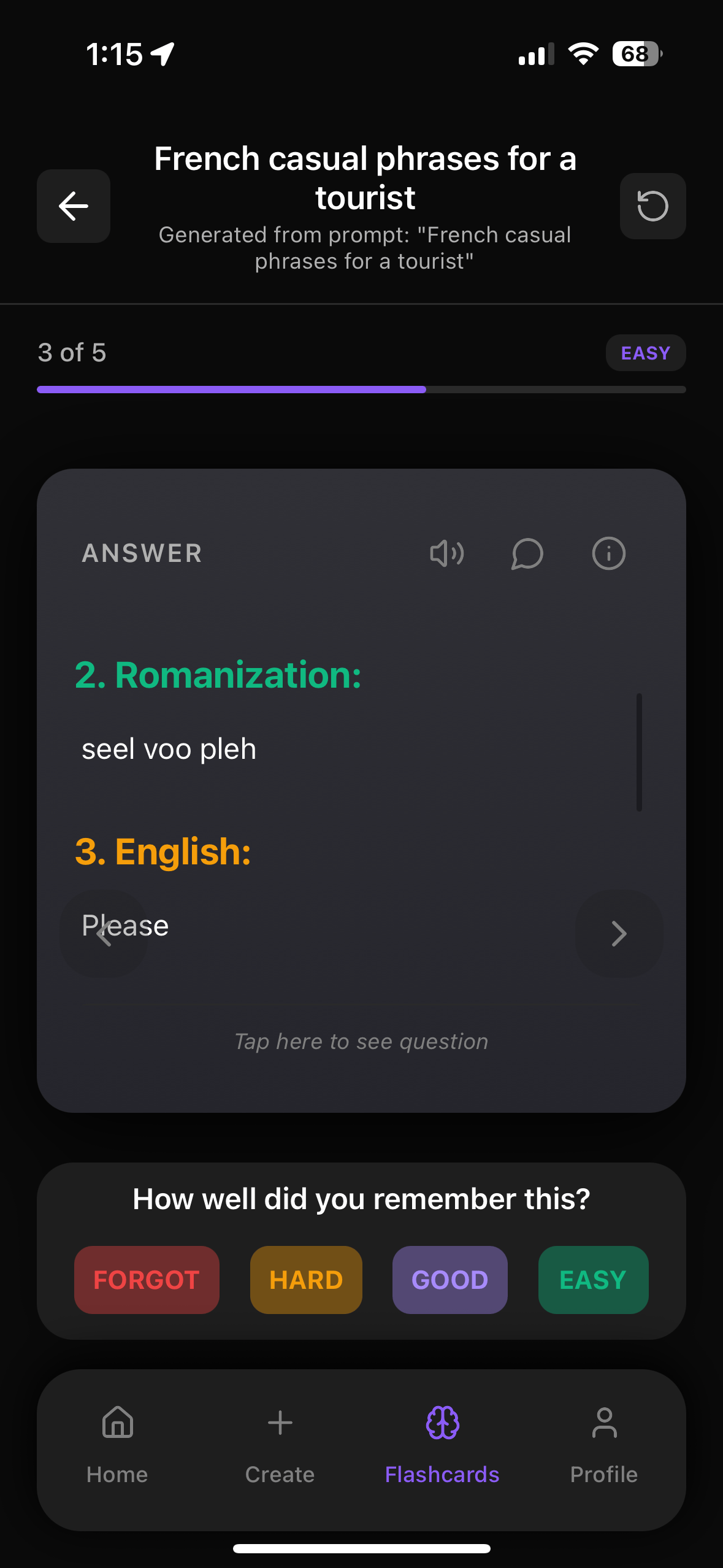
What Is “ABIM Anki” And Why Does Everyone Talk About It?
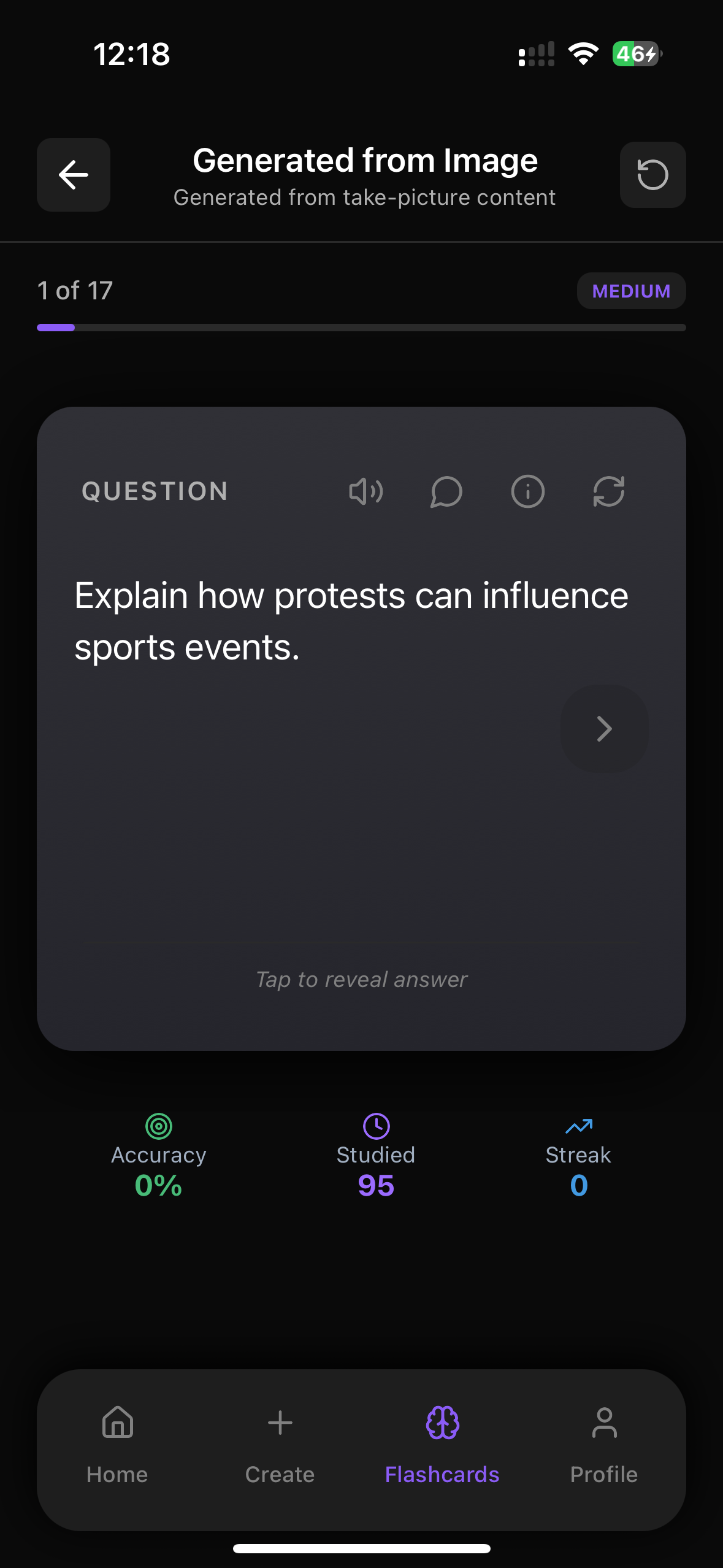
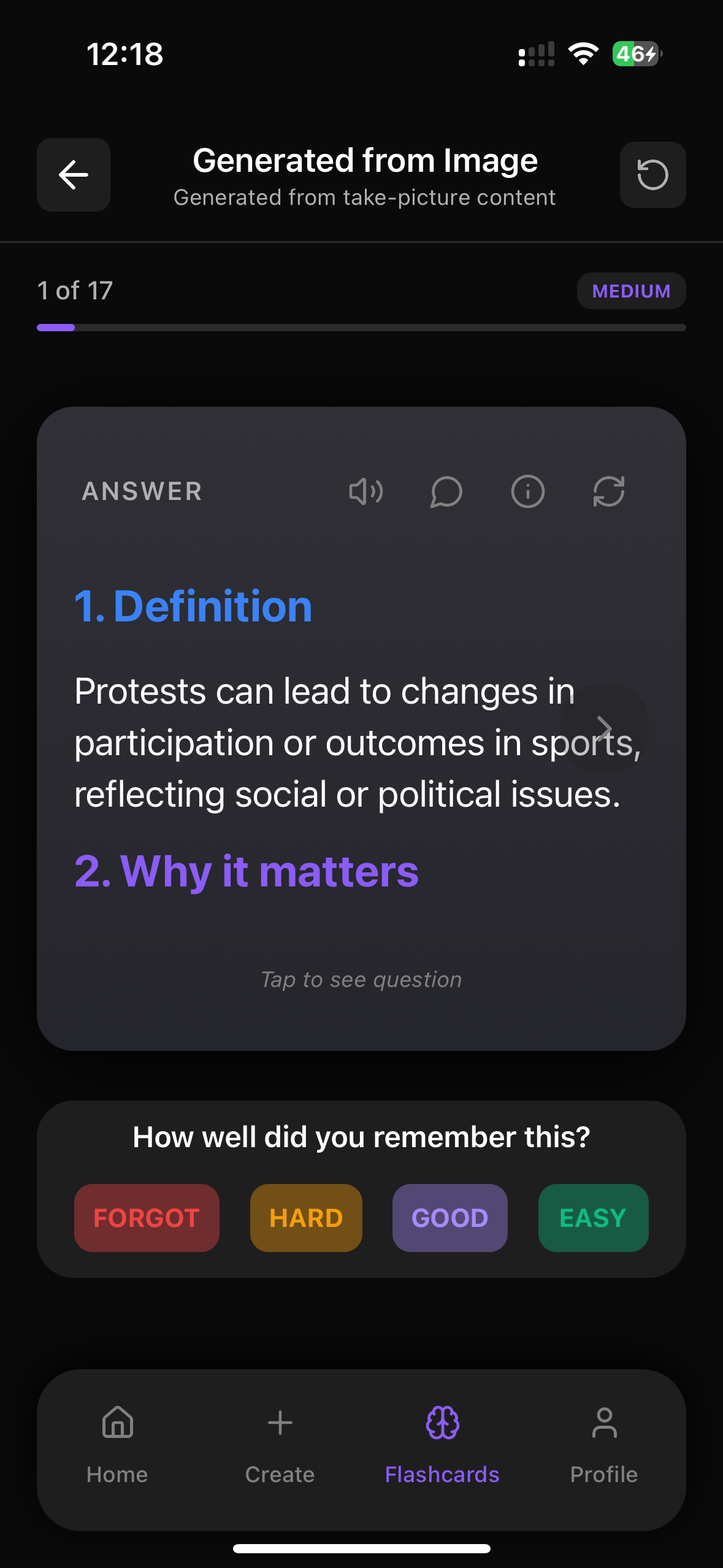
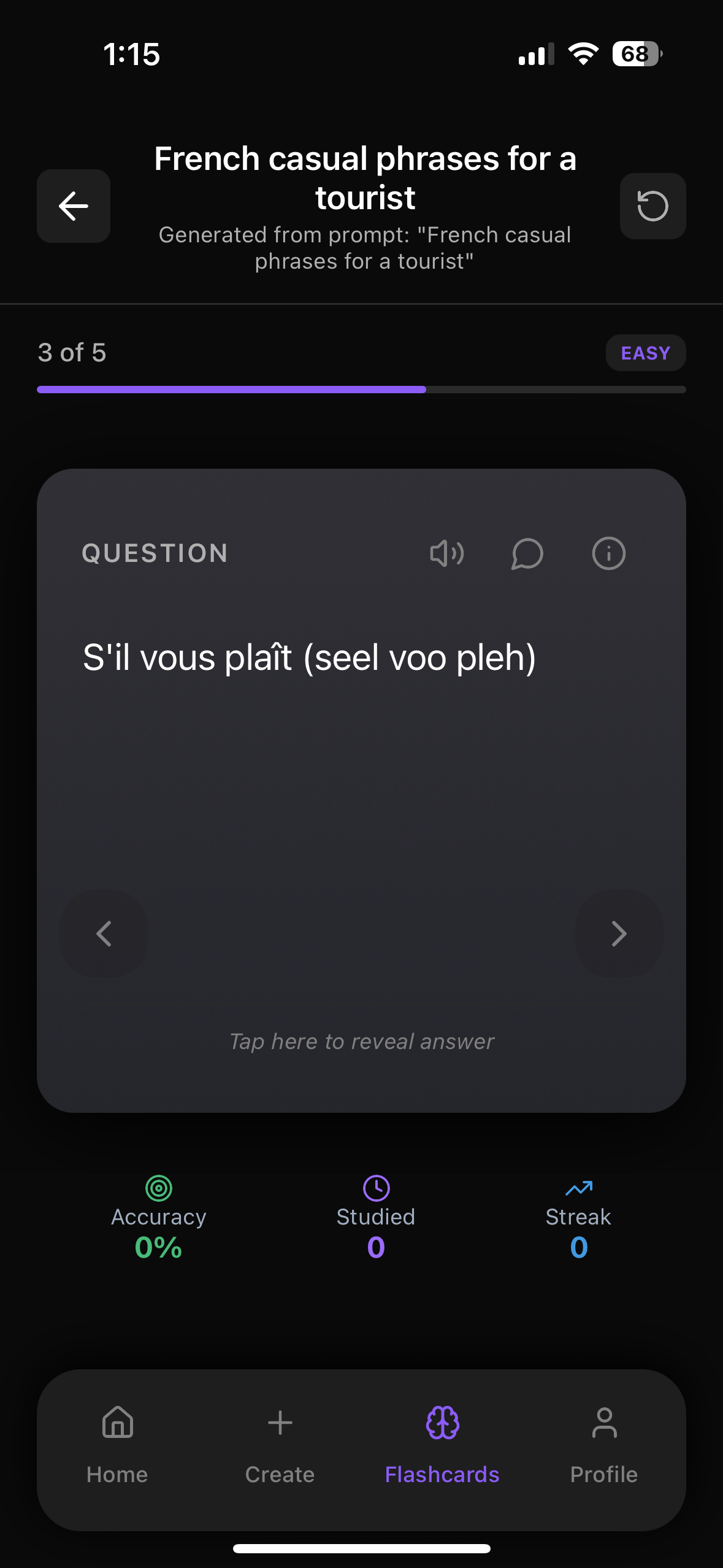
Alright, let’s talk about what people mean when they say “ABIM Anki.” Basically, ABIM Anki is just using Anki flashcards (or pre‑made decks) to study for the American Board of Internal Medicine exam. The idea is simple: you use spaced repetition flashcards to drill guidelines, management steps, and weird zebras so they actually stick by test day. It matters because ABIM is detail-heavy, and you can’t cram those tiny facts the night before. Apps like Flashrecall do the same spaced repetition idea but in a way that’s faster, cleaner, and way less painful to set up:
👉 https://apps.apple.com/us/app/flashrecall-study-flashcards/id6746757085
Why People Use Anki For ABIM In The First Place
So, you know how ABIM questions love super specific stuff like:
- Which biologic is first-line in a certain rheum scenario
- Exact criteria for diagnosing something obscure
- Stepwise management for AFib in tricky situations
That’s exactly the kind of info spaced repetition is great at.
- It forces active recall – you have to pull the answer from memory, not just recognize it
- It uses spaced repetition – cards you know well show up less often, weak ones show up more
- There are huge pre-made decks floating around (IM Essentials, random Reddit decks, etc.)
The problem? A lot of those ABIM Anki decks are:
- Outdated
- Overkill (10k+ cards of misery)
- Not tailored to how you think or what you keep missing
That’s where using a more modern flashcard app like Flashrecall can make life way easier without losing the benefits of spaced repetition.
ABIM Anki vs Flashrecall: Same Concept, Less Hassle
You don’t actually need Anki specifically to get “ABIM Anki”-style studying.
You need:
1. Flashcards
2. Active recall
3. Spaced repetition
4. Consistency
Why Flashrecall Works Really Well For ABIM
Here’s how it can fit into your ABIM prep:
- Automatic spaced repetition
Flashrecall has built-in spaced repetition with auto reminders, so you don’t have to think about intervals or scheduling. It just brings cards back right when you’re about to forget them.
- Active recall baked in
Every card forces you to recall the answer, not just reread. Perfect for “What’s the next step in management?” type facts.
- Insanely fast card creation
This is where it beats classic ABIM Anki workflows hard. You can make cards from:
- Images (screenshots from UWorld, Board Basics, question banks)
- Text and PDFs (guidelines, notes, review books)
- YouTube links (lectures, review videos)
- Audio or typed prompts
That means you can literally go from “I missed this UWorld question” to “I have a targeted card on it” in seconds.
- Chat with your flashcards
Stuck on why an answer is right or what the concept really means? You can actually chat with the flashcard to get more explanation, instead of leaving the app to Google things.
- Free to start, works on iPhone and iPad
So you can review on the wards, in the call room, or while waiting for your attending who’s “just finishing one more note.”
Here’s the link again if you want to try it while you read:
👉 https://apps.apple.com/us/app/flashrecall-study-flashcards/id6746757085
How To Turn Your ABIM Resources Into High-Yield Flashcards
Let’s walk through a simple system you can use, whether you’re currently deep in ABIM Anki or just starting fresh.
1. Start From What You’re Already Doing
Most people use some combo of:
- UWorld / TrueLearn / AMBOSS
- MKSAP, Board Basics, or similar books
- Review courses or videos
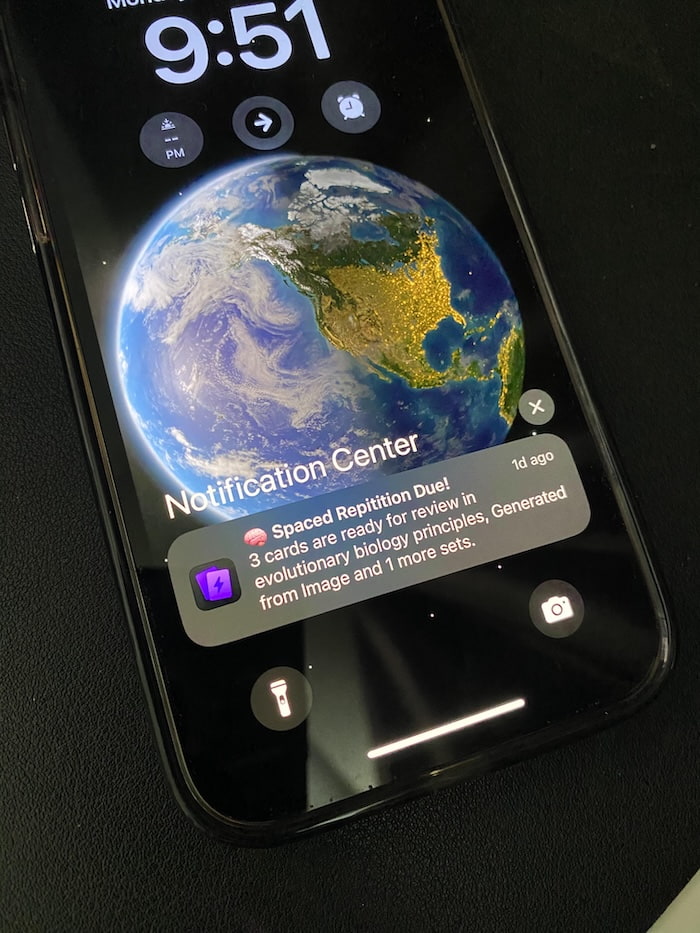
Flashrecall automatically keeps track and reminds you of the cards you don't remember well so you remember faster. Like this :
Instead of trying to memorize everything, use your missed questions and “I always forget this” moments as your card source.
With Flashrecall, a good flow looks like:
1. Take a block of questions
2. For every question you miss (or guessed), screenshot the key explanation or table
3. Drop the screenshot into Flashrecall → auto-generate flashcards
4. Clean up / edit any card that needs tweaking (takes seconds)
Now you’ve got a deck that’s literally built from your weaknesses.
2. Use The “One Idea Per Card” Rule
ABIM Anki decks often cram 5–6 facts into one card. That’s why reviews become painful.
Instead, try this structure:
- Front: “First-line treatment for stable angina?”
- Front: “When do you add a long-acting nitrate in stable angina?”
Short, targeted, and easy to review. Flashrecall makes it quick to split bigger chunks into multiple simple cards.
Example ABIM Flashcards You Could Make
Just to give you concrete ideas, here’s how I’d turn ABIM-style content into cards.
Card Set: Hyponatremia
- Front: “First step in evaluating hyponatremia?”
- Front: “Treatment for severe symptomatic hyponatremia?”
- Front: “Main risk of correcting Na too fast?”
Card Set: AFib Management
- Front: “Score used to estimate stroke risk in AFib?”
- Front: “When is rate control preferred over rhythm control in AFib?”
- Front: “Anticoagulation recommendation for CHA₂DS₂-VASc = 2?”
With Flashrecall, you can build these manually or just paste in text / screenshots and let it generate cards for you, then edit as needed.
How Often Should You Review For ABIM?
The biggest mistake with ABIM Anki decks: people add thousands of cards and then can’t keep up.
Instead, keep it realistic:
Daily Routine (20–40 minutes)
- New cards: 10–20 new cards per day
- Reviews: Whatever Flashrecall schedules (thanks to spaced repetition)
- Do it:
- On your commute
- During downtime on wards
- Before bed
Because Flashrecall handles the spaced repetition and reminders, your only job is to actually open the app and do the cards. No messing with intervals or settings.
Why Flashrecall Can Be Better Than Traditional ABIM Anki Decks
Let’s be honest: Anki is powerful, but for a busy resident or fellow, it can be way more work than it’s worth.
- Way easier setup – No decks to import, no plugins, no syncing drama
- Automatic reminders – It nudges you to study so you don’t fall off the wagon
- Works offline – You can review on a bad hospital Wi-Fi or on call
- Modern, clean interface – Less friction = more likely you’ll actually use it daily
- Not just for ABIM – You can also use it for procedures, ECG patterns, guidelines, or even non-med stuff like business, languages, or side projects
And you still keep the core thing that makes “ABIM Anki” powerful: active recall + spaced repetition.
How To Switch From ABIM Anki To Flashrecall (Without Losing Progress)
If you’re already deep into Anki but frustrated, you don’t have to throw everything away.
Here’s a simple transition plan:
1. Keep your old deck for now
Use it just for reference. Don’t feel pressured to keep up with all the reviews.
2. Start fresh in Flashrecall with only high-yield content
- Missed questions
- Things you repeatedly forget
- Core algorithms and management steps
3. Each day, move 5–10 of your most important Anki cards into Flashrecall
- Rewrite or simplify them as you go
- Or screenshot key info from your Anki cards / notes and let Flashrecall build new cards
4. After a couple of weeks, you’ll have a lean, powerful Flashrecall deck that actually matches how you think.
Quick ABIM Study Blueprint Using Flashrecall
Here’s a simple plan you can literally copy:
Step 1: Pick Your Main Content Sources
- One qbank (UWorld, AMBOSS, etc.)
- One written resource (MKSAP, Board Basics, or similar)
- Optional: one video course
Step 2: Build Cards Only From High-Yield Moments
- Missed or guessed questions
- “I should really know this” moments on rounds
- Repeatedly forgotten details in reading
Use Flashrecall to snap a pic, paste text, or pull from PDFs → instant cards.
Step 3: Daily Routine
- 20–40 min of Flashrecall
- 10–20 new cards per day
- Always clear your due reviews (spaced repetition handles the rest)
Step 4: Final 4–6 Weeks Before Exam
- Focus your Flashrecall deck on:
- Cardiology
- Pulm / critical care
- ID
- Endo
- Rheum
- Add final pass “summary” cards for:
- Must-know guidelines
- Algorithms
- Risk scores
By this point, you’re not just reading — you’re recalling ABIM-level details on demand.
Final Thoughts: Do You Need Anki For ABIM?
You don’t need Anki specifically for ABIM.
You need a system that:
- Forces you to actively recall information
- Uses spaced repetition so you don’t forget it
- Fits into a busy resident/fellow schedule without burning you out
That’s exactly what people mean when they say “ABIM Anki”… but you can get all of that in a smoother, faster way with Flashrecall.
If you want to try building your own ABIM deck the easy way, grab it here:
👉 https://apps.apple.com/us/app/flashrecall-study-flashcards/id6746757085
Use your missed questions, turn them into simple flashcards, let spaced repetition handle the timing — and save your brain for actually taking care of patients and crushing the exam.
Frequently Asked Questions
Is Anki good for studying?
Anki is powerful but requires manual card creation and has a steep learning curve. Flashrecall offers AI-powered card generation from your notes, images, PDFs, and videos, making it faster and easier to create effective flashcards.
What's the fastest way to create flashcards?
Manually typing cards works but takes time. Many students now use AI generators that turn notes into flashcards instantly. Flashrecall does this automatically from text, images, or PDFs.
How do I start spaced repetition?
You can manually schedule your reviews, but most people use apps that automate this. Flashrecall uses built-in spaced repetition so you review cards at the perfect time.
How can I study more effectively for this test?
Effective exam prep combines active recall, spaced repetition, and regular practice. Flashrecall helps by automatically generating flashcards from your study materials and using spaced repetition to ensure you remember everything when exam day arrives.
Related Articles
- Anki How To: 7 Essential Tricks To Study Smarter (And The Faster Alternative Most People Miss) – Learn the key Anki habits, then see how apps like Flashrecall make it all way easier.
- Anki How To Use: Step‑By‑Step Guide Plus a Faster Alternative Most Students Miss – Learn Smarter Today
- Anki Excel: The Complete Guide To Faster Flashcards (And A Smarter Alternative Most People Miss) – Stop wrestling with spreadsheets and start actually learning faster.
Research References
The information in this article is based on peer-reviewed research and established studies in cognitive psychology and learning science.
Cepeda, N. J., Pashler, H., Vul, E., Wixted, J. T., & Rohrer, D. (2006). Distributed practice in verbal recall tasks: A review and quantitative synthesis. Psychological Bulletin, 132(3), 354-380
Meta-analysis showing spaced repetition significantly improves long-term retention compared to massed practice
Carpenter, S. K., Cepeda, N. J., Rohrer, D., Kang, S. H., & Pashler, H. (2012). Using spacing to enhance diverse forms of learning: Review of recent research and implications for instruction. Educational Psychology Review, 24(3), 369-378
Review showing spacing effects work across different types of learning materials and contexts
Kang, S. H. (2016). Spaced repetition promotes efficient and effective learning: Policy implications for instruction. Policy Insights from the Behavioral and Brain Sciences, 3(1), 12-19
Policy review advocating for spaced repetition in educational settings based on extensive research evidence
Karpicke, J. D., & Roediger, H. L. (2008). The critical importance of retrieval for learning. Science, 319(5865), 966-968
Research demonstrating that active recall (retrieval practice) is more effective than re-reading for long-term learning
Roediger, H. L., & Butler, A. C. (2011). The critical role of retrieval practice in long-term retention. Trends in Cognitive Sciences, 15(1), 20-27
Review of research showing retrieval practice (active recall) as one of the most effective learning strategies
Dunlosky, J., Rawson, K. A., Marsh, E. J., Nathan, M. J., & Willingham, D. T. (2013). Improving students' learning with effective learning techniques: Promising directions from cognitive and educational psychology. Psychological Science in the Public Interest, 14(1), 4-58
Comprehensive review ranking learning techniques, with practice testing and distributed practice rated as highly effective

FlashRecall Team
FlashRecall Development Team
The FlashRecall Team is a group of working professionals and developers who are passionate about making effective study methods more accessible to students. We believe that evidence-based learning tec...
Credentials & Qualifications
- •Software Development
- •Product Development
- •User Experience Design
Areas of Expertise
Ready to Transform Your Learning?
Start using FlashRecall today - the AI-powered flashcard app with spaced repetition and active recall.
Download on App Store