Alphabet Digital Flashcards: The Best Way To Teach Letters Fast (Most Parents Don’t Know This Trick) – Learn how to use alphabet digital flashcards to make ABCs fun, visual, and crazy effective for kids.
Alphabet digital flashcards turn screen time into A–Z practice with audio, images, and spaced repetition. See how Flashrecall fixes those tricky b/d mix‑ups...
How Flashrecall app helps you remember faster. It's free
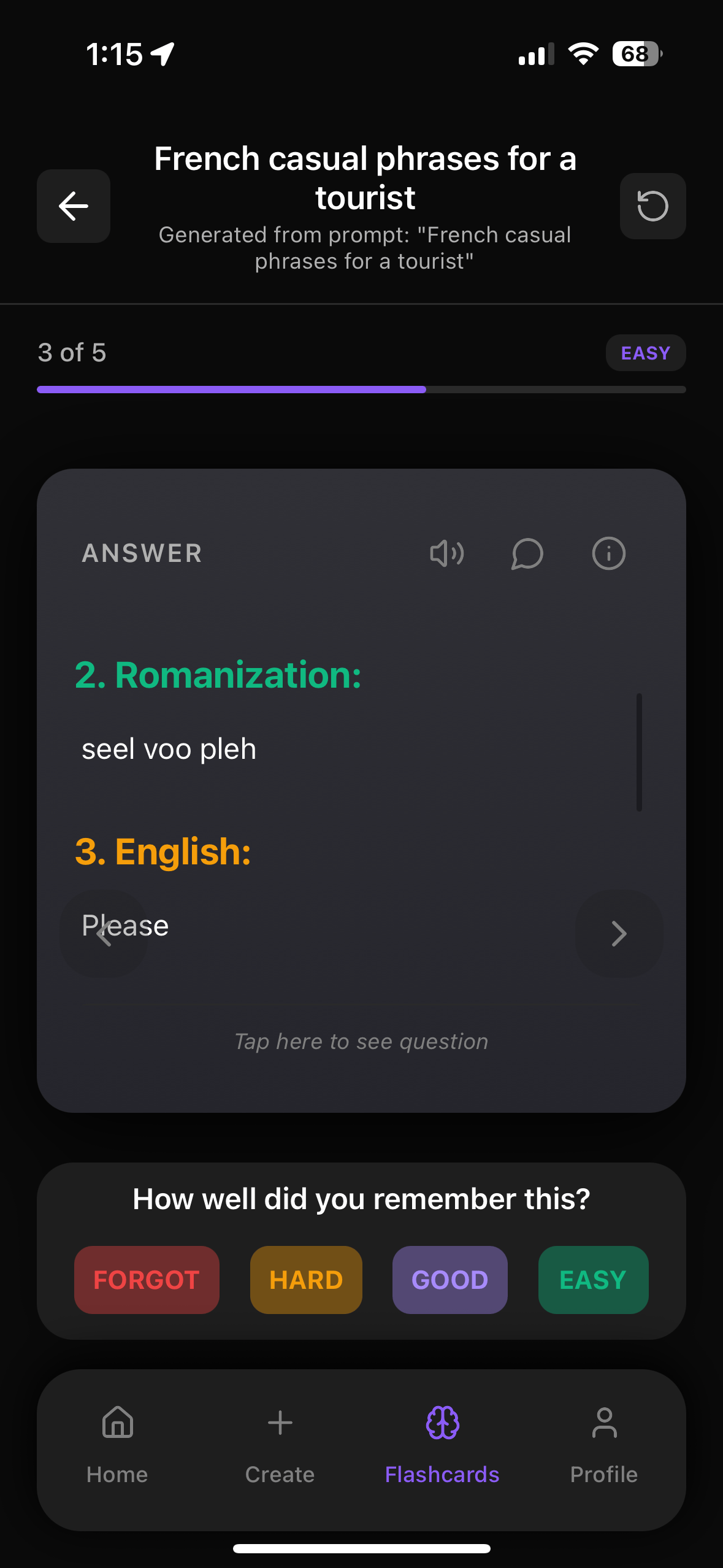
What Are Alphabet Digital Flashcards (And Why They Work So Well)?
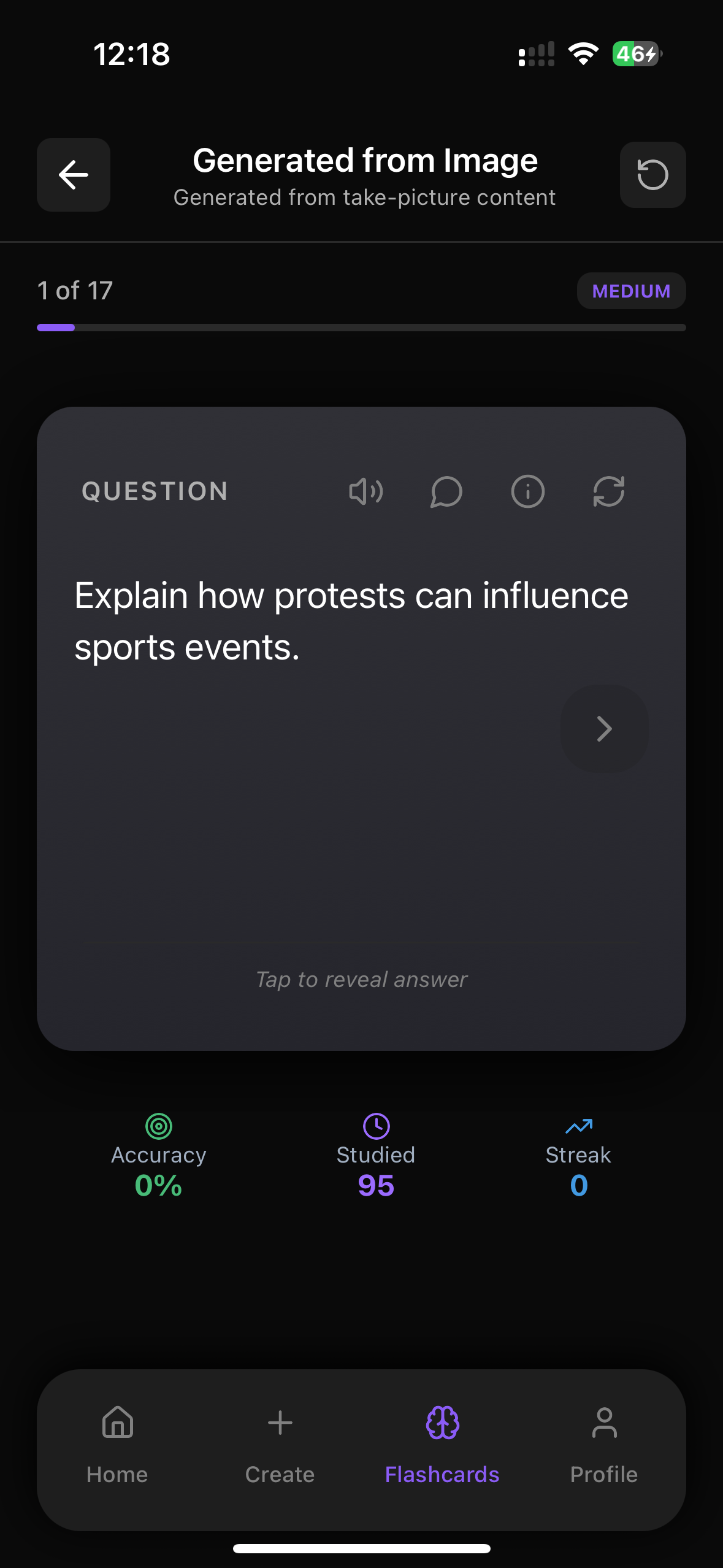
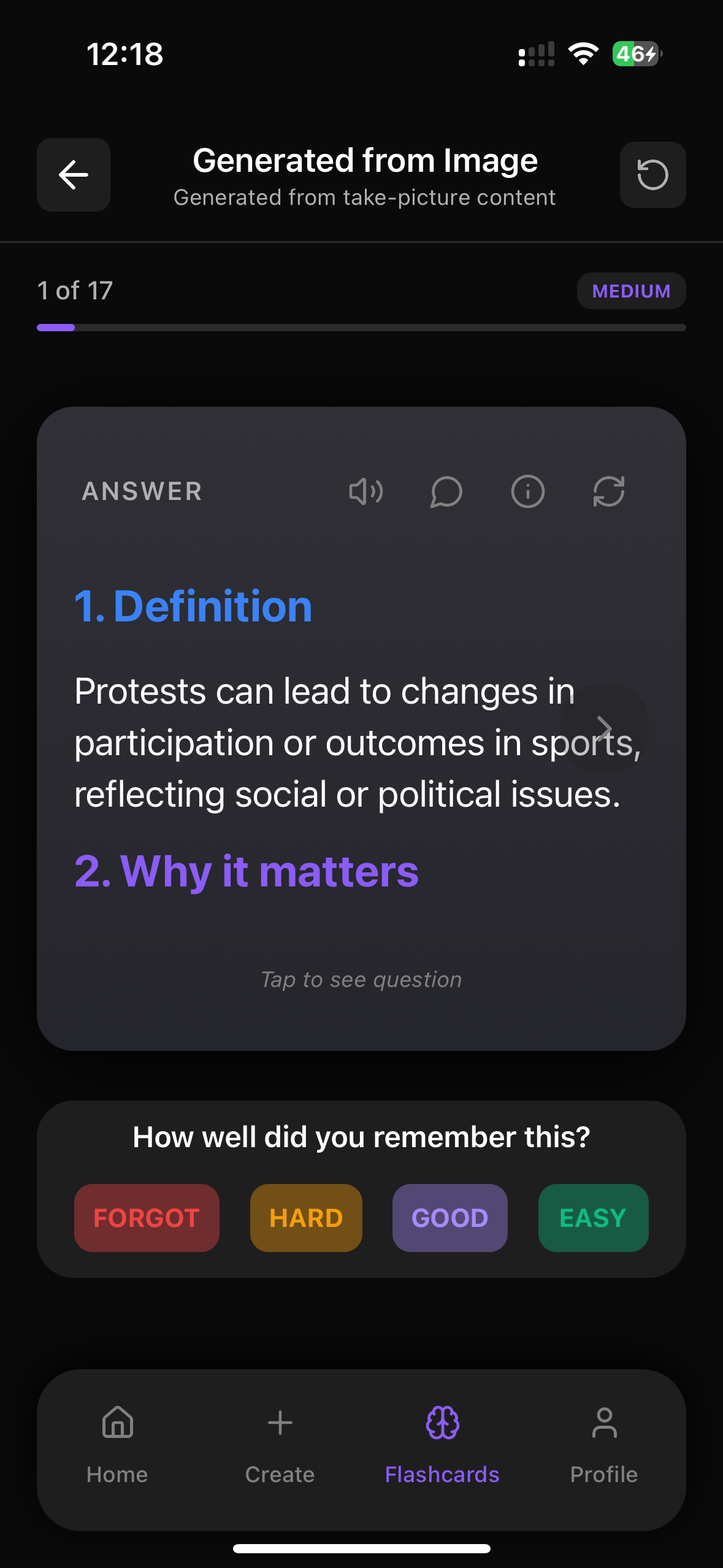
Alright, let’s talk about alphabet digital flashcards: they’re just A–Z flashcards you use on a phone, tablet, or computer instead of paper ones. Same idea as classic flashcards (letter on one side, sound or picture on the other), but digital lets you add color, audio, pictures, and even little quizzes to keep kids engaged. They’re super helpful for teaching letter recognition, sounds, and early reading because kids get instant feedback and can practice over and over without you needing to shuffle a deck every time. Apps like Flashrecall make this really easy, since you can build your own alphabet sets and let the app handle the practice schedule for you.
If you want to try this without overcomplicating it, grab Flashrecall here:
https://apps.apple.com/us/app/flashrecall-study-flashcards/id6746757085
You can build a full alphabet deck in minutes and start practicing right away.
Why Use Alphabet Digital Flashcards Instead Of Paper?
You could totally teach the alphabet with sticky notes and index cards… but digital flashcards give you a bunch of extra advantages:
1. Kids Love Screens (Might As Well Use That)
Let’s be honest: kids are glued to screens anyway. With alphabet digital flashcards, you’re turning that screen time into learning time.
- Bright colors
- Fun images
- Tap, swipe, and flip animations
All of that keeps their attention way longer than plain paper cards.
2. You Can Add Sounds And Pronunciation
This is huge for early reading and phonics.
With digital flashcards, you can:
- Add the letter sound (like /b/ instead of “bee”)
- Record your own voice saying the letter
- Add a word and picture: B – “ball” – image of a ball
In Flashrecall, you can create cards with text, images, and audio, so each letter can have:
- Front: Big “B”
- Back: “/b/ as in ball” + a picture + audio
That’s way more powerful than a plain index card.
3. No Lost Cards, No Mess
Paper cards end up:
- Under the couch
- In the dog’s mouth
- Missing five letters for no reason
Digital cards stay in one place, nicely organized in decks. On Flashrecall, your alphabet decks are saved on your iPhone or iPad, and you can study them offline too, so they’re ready anywhere—car rides, waiting rooms, bedtime.
4. The App Remembers What Your Kid Struggles With
This is where digital really beats old-school.
Flashrecall has:
- Built‑in spaced repetition – it automatically shows tricky letters more often and easy ones less often
- Active recall – it shows the letter and asks your kid to remember the sound/word before revealing it
So if your kid keeps mixing up b and d, Flashrecall will bring those up more frequently until they stick. You don’t have to track anything manually.
How To Set Up Alphabet Digital Flashcards In Flashrecall (Step‑By‑Step)
You don’t need to be techy for this. Here’s a simple way to create an ABC deck in Flashrecall.
1. Download Flashrecall
Install it here (free to start):
https://apps.apple.com/us/app/flashrecall-study-flashcards/id6746757085
Open it on your iPhone or iPad.
2. Create A New Deck Called “Alphabet A–Z”
Make one deck just for letters. Later you can add:
- “Alphabet – Uppercase vs Lowercase”
- “Alphabet – Phonics”
- “Alphabet – Words That Start With…”
But start simple: one clean A–Z deck.
3. Add Cards Manually (Takes Just A Few Minutes)
For each letter:
- Front: Big letter (e.g., “A”)
- Back:
- “/a/ as in apple”
- A picture of an apple (you can add images)
- Optional: record your voice saying “A, /a/, apple”
You can make these cards manually in Flashrecall, or if you already have a PDF or image sheet of letters, you can use the “make flashcards from images or PDFs” feature to speed things up.
Flashrecall can create cards from:
- Images
- Text
- PDFs
- YouTube links
- Typed prompts
- Audio
So if you’ve got any alphabet resource already, you don’t have to start totally from scratch.
4. Turn On Study Reminders
Kids learn best with short, regular practice.
Flashrecall has study reminders, so you can set a gentle nudge like:
- “Practice ABCs at 5:00 pm”
Two minutes a day beats 30 minutes once a week.
Simple Ways To Use Alphabet Digital Flashcards With Kids
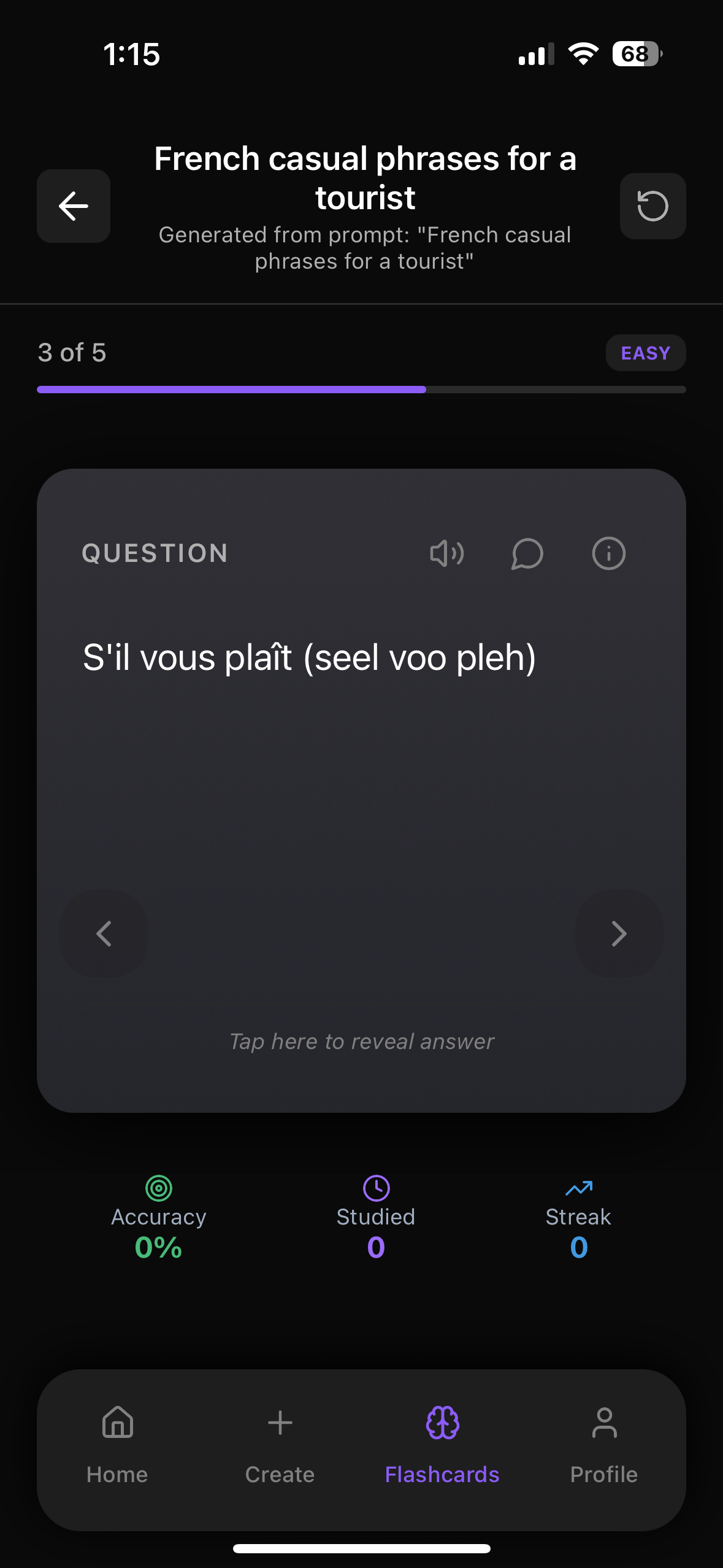
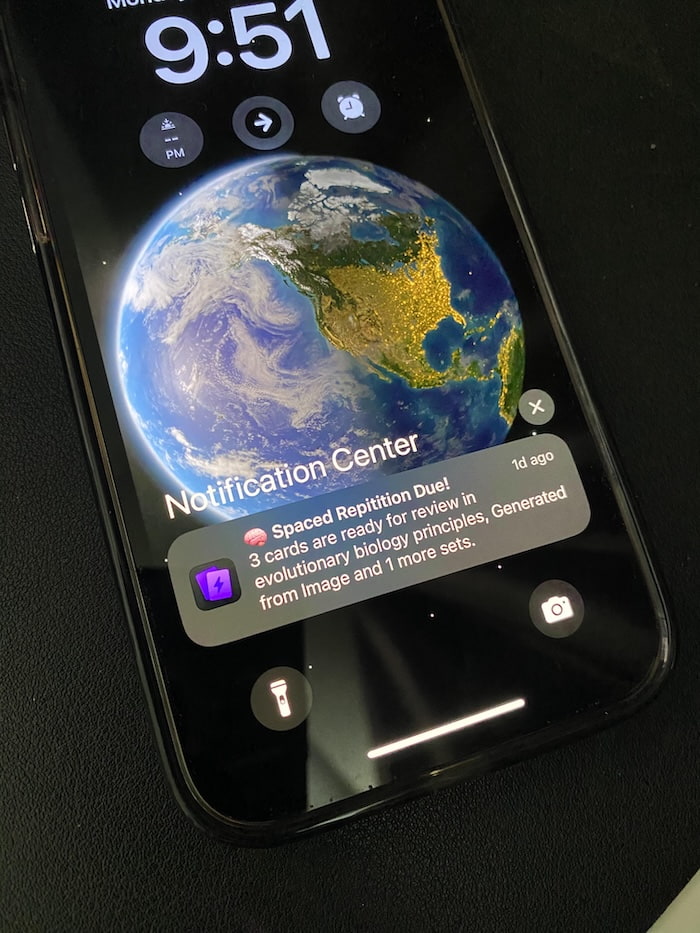
Flashrecall automatically keeps track and reminds you of the cards you don't remember well so you remember faster. Like this :
Here are some easy, low-stress ways to actually use the cards.
1. Quick Daily Session (2–5 Minutes)
Open your alphabet deck in Flashrecall and:
- Show the letter
- Ask: “What letter is this?”
- Then: “What sound does it make?”
- Flip to reveal the answer
Flashrecall’s active recall flow is built for exactly this: think first, then check.
2. Uppercase vs Lowercase Game
Create cards like:
- Front: “A”
- Back: “a” + sound
Or the other way around.
Ask your kid:
- “Can you match this big letter to its baby letter?”
This helps them understand that A and a are the same letter, just different forms.
3. Sound To Letter (Reverse Practice)
Instead of showing the letter, say the sound:
- You: “/m/”
- Kid: “M!”
Then flip the card to check.
You can even make cards where:
- Front: “/m/ sound” (or a speaker icon + audio)
- Back: “M” + picture of “moon”
Flashrecall lets you add audio, so you can literally tap and play the sound.
4. Mix In Real Words
Once some letters are familiar, start building tiny word cards:
- Front: “cat” (with picture)
- Back: highlight “c – a – t”
You can have a separate “First Words” deck in Flashrecall and switch between Alphabet and Words during a session.
Why Flashrecall Works So Well For Alphabet Learning
There are tons of flashcard apps out there, but Flashrecall is especially nice for alphabet digital flashcards because it’s built around memory science and simplicity.
Here’s what makes it stand out:
1. Automatic Spaced Repetition (You Don’t Have To Think About It)
Instead of you deciding “Should we review B again today?”, Flashrecall:
- Shows new letters more often
- Spreads out letters your kid already knows
- Brings back confusing ones (like b/d, p/q) at smarter intervals
This is spaced repetition, and it’s proven to help stuff stick long‑term without cramming.
2. Active Recall Built In
The app is designed so you try to remember first before seeing the answer:
- Letter appears
- Kid guesses sound/name
- Tap to flip
That simple “think, then reveal” pattern is what actually locks memory in, and Flashrecall makes that the default.
3. Super Flexible: Any Subject, Any Age
You might start with:
- Alphabet decks for your toddler
But later you can use the same app for:
- Languages (vocab, grammar)
- School subjects
- University exams
- Medicine, law, business terms
You don’t outgrow it. It’s not “just a kids’ app”; it’s a full flashcard system you can keep using.
4. Works Offline (Perfect For On‑The‑Go)
No Wi‑Fi? No problem.
You can review decks:
- In the car
- On a plane
- At grandma’s house
Flashrecall works offline on both iPhone and iPad, so your alphabet deck is always ready.
5. You Can “Chat” With Your Flashcards
This is a cool one: if you or your kid are unsure about something (later, when you move beyond the alphabet), you can chat with the flashcard inside Flashrecall to get explanations or examples.
For early learners, this is more helpful once you move into:
- Simple words
- Basic reading rules
- Early school topics
But it means the app grows with your kid’s learning.
Example Alphabet Deck Ideas You Can Build Today
Here are some ready‑to-use ideas you can recreate in Flashrecall.
Deck 1: Basic Alphabet (Letters + Picture Words)
- Front: “D”
- Back: “/d/ as in dog” + picture of a dog
Do this A–Z. Keep it simple and visual.
Deck 2: Phonics Focus
- Front: “G”
- Back: “/g/ like in ‘go’” + audio of the sound
More focus on sound than word.
Deck 3: Tricky Letters Only
If your kid struggles with specific letters, make a mini deck:
- b, d, p, q, g, j
Practice those more often. Flashrecall’s spaced repetition will already target them more, but a focused deck can help too.
Deck 4: Alphabet Order
- Front: “What comes after C?”
- Back: “D”
- Front: “What comes before M?”
- Back: “L”
This helps with alphabetical order once they know individual letters.
Tips To Make Alphabet Digital Flashcards Actually Stick
A few small habits make a big difference:
- Keep sessions short – 3–5 minutes is plenty for little kids
- Be consistent – daily or almost daily is much better than once in a while
- Celebrate small wins – “You remembered J today! That’s awesome”
- Mix review and new letters – don’t throw 10 new letters at them in one go
- Let them tap and flip – kids love control; let them be the “teacher” sometimes
Flashrecall’s reminders and spaced repetition make this easy to keep up without you planning everything.
Getting Started Today
You don’t need a full lesson plan. Just:
1. Install Flashrecall:
https://apps.apple.com/us/app/flashrecall-study-flashcards/id6746757085
2. Create a simple “Alphabet A–Z” deck
3. Add letters with sounds and pictures
4. Do a 3‑minute session today
Alphabet digital flashcards turn learning letters from “one more thing on your plate” into a quick, fun routine you can do anywhere. And once your kid has nailed the ABCs, you’ve already got the perfect setup for words, reading, and even future school subjects—all in the same app.
Frequently Asked Questions
What's the fastest way to create flashcards?
Manually typing cards works but takes time. Many students now use AI generators that turn notes into flashcards instantly. Flashrecall does this automatically from text, images, or PDFs.
Is there a free flashcard app?
Yes. Flashrecall is free and lets you create flashcards from images, text, prompts, audio, PDFs, and YouTube videos.
How do I start spaced repetition?
You can manually schedule your reviews, but most people use apps that automate this. Flashrecall uses built-in spaced repetition so you review cards at the perfect time.
Related Articles
- A For Apple Flashcards: The Best Way To Teach ABCs Fast (Most Parents Miss This Trick)
- Letter Flashcards: 7 Powerful Ways To Teach The Alphabet Faster (That Most Parents Don’t Know) – Turn A–Z into a fun game and help kids remember letters way faster with smart digital flashcards.
- Cocomelon Flash Cards: The Essential Guide To Making Screen Time Smart, Fun, And Super Educational For Kids – Most Parents Don’t Know This Simple Upgrade
Research References
The information in this article is based on peer-reviewed research and established studies in cognitive psychology and learning science.
Cepeda, N. J., Pashler, H., Vul, E., Wixted, J. T., & Rohrer, D. (2006). Distributed practice in verbal recall tasks: A review and quantitative synthesis. Psychological Bulletin, 132(3), 354-380
Meta-analysis showing spaced repetition significantly improves long-term retention compared to massed practice
Carpenter, S. K., Cepeda, N. J., Rohrer, D., Kang, S. H., & Pashler, H. (2012). Using spacing to enhance diverse forms of learning: Review of recent research and implications for instruction. Educational Psychology Review, 24(3), 369-378
Review showing spacing effects work across different types of learning materials and contexts
Kang, S. H. (2016). Spaced repetition promotes efficient and effective learning: Policy implications for instruction. Policy Insights from the Behavioral and Brain Sciences, 3(1), 12-19
Policy review advocating for spaced repetition in educational settings based on extensive research evidence
Karpicke, J. D., & Roediger, H. L. (2008). The critical importance of retrieval for learning. Science, 319(5865), 966-968
Research demonstrating that active recall (retrieval practice) is more effective than re-reading for long-term learning
Roediger, H. L., & Butler, A. C. (2011). The critical role of retrieval practice in long-term retention. Trends in Cognitive Sciences, 15(1), 20-27
Review of research showing retrieval practice (active recall) as one of the most effective learning strategies
Dunlosky, J., Rawson, K. A., Marsh, E. J., Nathan, M. J., & Willingham, D. T. (2013). Improving students' learning with effective learning techniques: Promising directions from cognitive and educational psychology. Psychological Science in the Public Interest, 14(1), 4-58
Comprehensive review ranking learning techniques, with practice testing and distributed practice rated as highly effective

FlashRecall Team
FlashRecall Development Team
The FlashRecall Team is a group of working professionals and developers who are passionate about making effective study methods more accessible to students. We believe that evidence-based learning tec...
Credentials & Qualifications
- •Software Development
- •Product Development
- •User Experience Design
Areas of Expertise
Ready to Transform Your Learning?
Start using FlashRecall today - the AI-powered flashcard app with spaced repetition and active recall.
Download on App Store