Andev Flashcards: The Complete Guide To Smarter Android Dev Studying Most People Skip
Andev flashcards turn messy Android docs into quick Q&A you’ll actually remember using spaced repetition, active recall, and apps like Flashrecall.
How Flashrecall app helps you remember faster. It's free
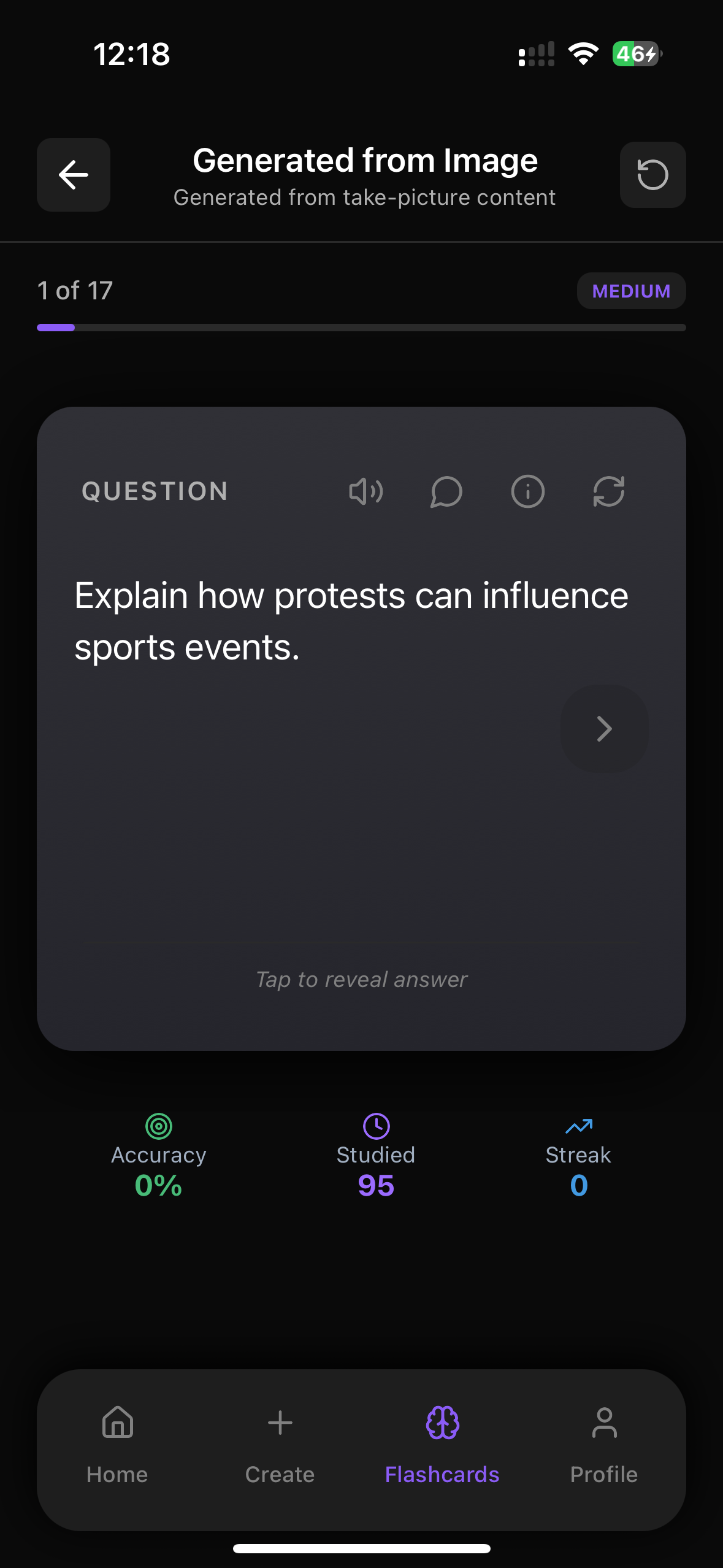
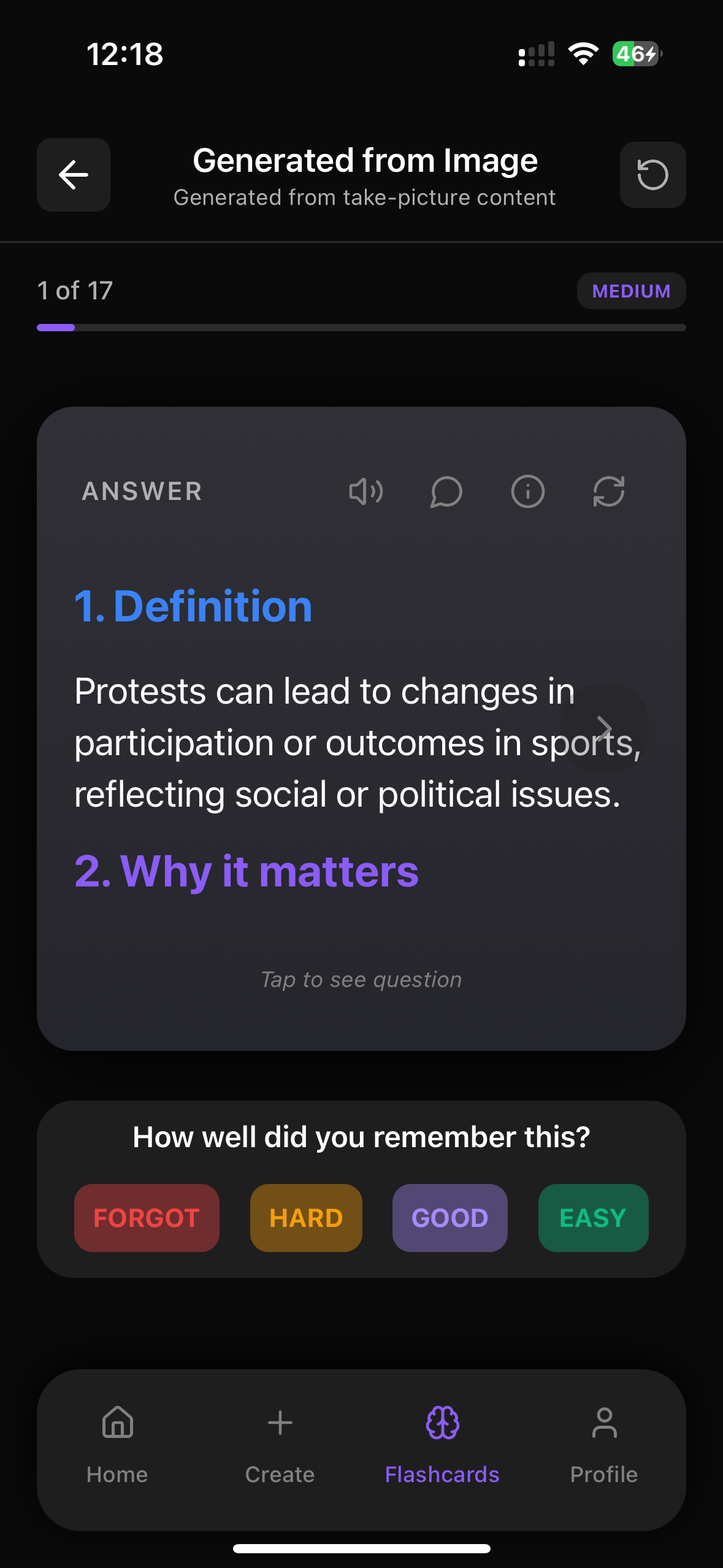
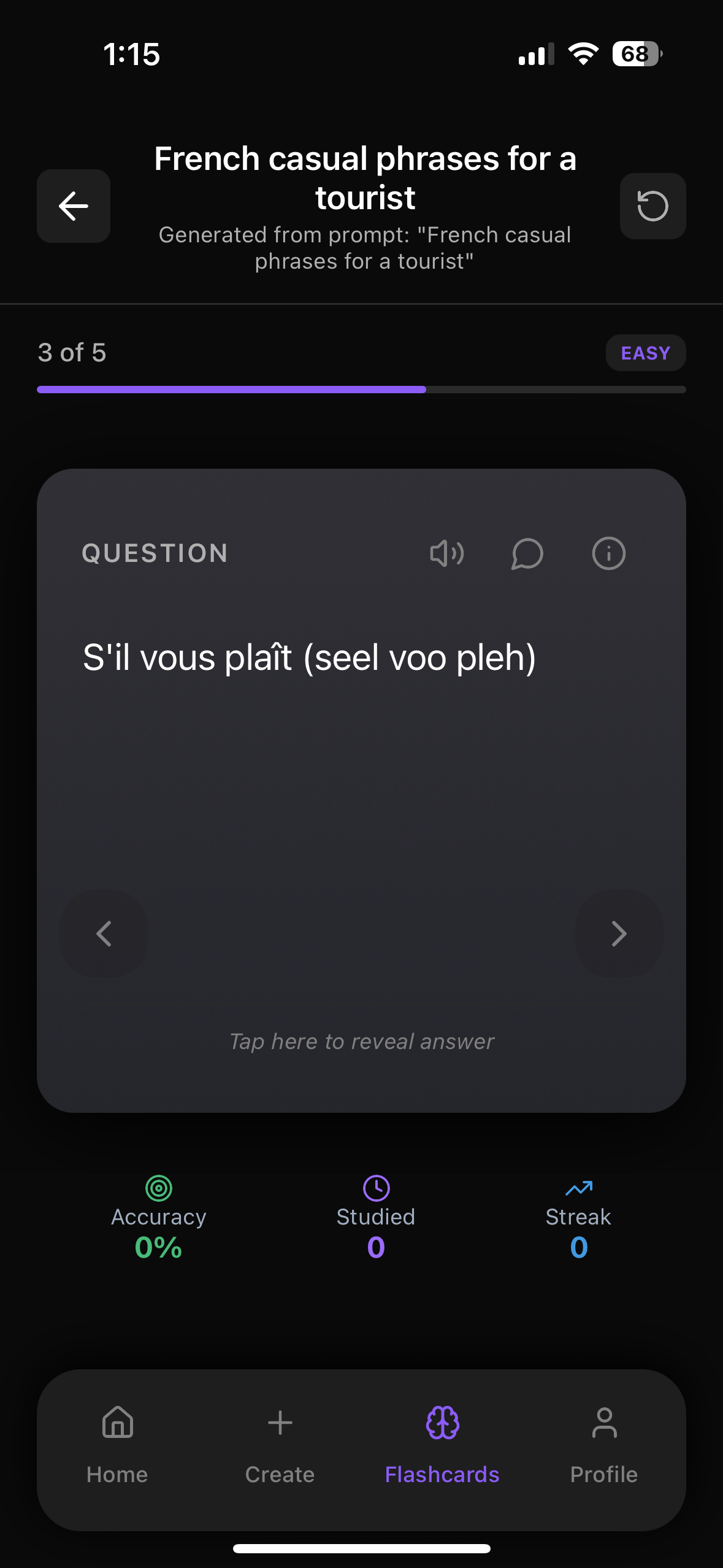
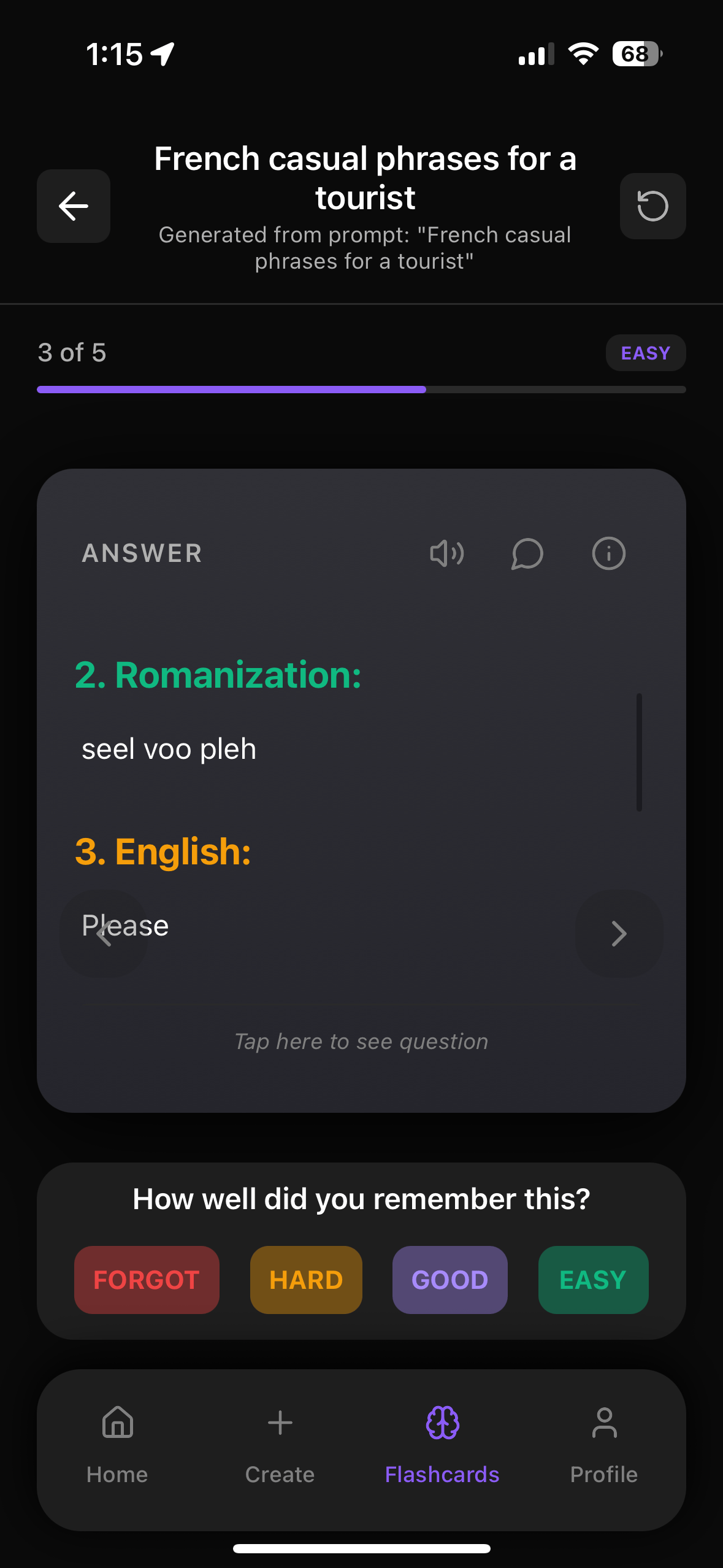
So, you know how andev flashcards get thrown around as a “must” for Android developers, but nobody really explains how to actually use them properly? Andev flashcards are just flashcards focused on Android development topics—things like lifecycle methods, Jetpack components, Kotlin syntax, Gradle configs, and tricky edge cases. They’re a way to turn all that dense Android documentation into quick questions and answers you can review fast. Used right, they help you remember APIs, patterns, and gotchas so you stop Googling the same things 10 times a week. Apps like Flashrecall) make this super easy with spaced repetition and instant card creation, so you can focus on coding instead of managing your study system.
Why Flashcards Work So Well For Android Development
Alright, let’s talk about why andev flashcards are actually worth your time.
Android dev is full of:
- Tiny details (like the difference between `launchWhenStarted` and `launchWhenResumed`)
- Weird lifecycle edge cases
- API names that all sound the same
- Best practices that are easy to forget under pressure
Flashcards hit this sweet spot:
- Question on the front: “What’s the difference between `onCreate()` and `onStart()` in an Activity?”
- Answer on the back: Short, clear explanation, maybe with a code snippet.
You’re basically training your brain to recall the info on demand—like in an interview, code review, or when a bug hits production.
With something like Flashrecall), you don’t just stare at notes; you’re actually quizzed with active recall and spaced repetition, so the stuff you learn sticks instead of fading after a day.
What Exactly Should Go Into Andev Flashcards?
If you’re not sure what to put on your cards, here’s a simple breakdown of what works great for Android dev:
1. Android Lifecycle & Components
These are perfect flashcard material because they’re structured and easy to phrase as questions.
Examples:
- Q: “List the main Activity lifecycle methods in order.”
- Q: “What’s the difference between `onPause()` and `onStop()`?”
- Q: “What is a `ViewModel` used for in Android?”
In Flashrecall, you can:
- Type these manually, or
- Take a screenshot from the docs and let the app auto-generate flashcards from the image.
2. Kotlin & Language Gotchas
Even if you’re comfy with Kotlin, there are always those “wait, how does this work again?” moments.
Good card topics:
- Null-safety (`?`, `!!`, `let`, `apply`, etc.)
- Coroutines basics (`launch`, `async`, `suspend`, scopes)
- Data classes vs sealed classes
- Extension functions
Example card:
- Q: “What does the `suspend` keyword mean in Kotlin?”
- A: “Marks a function that can be paused and resumed, used with coroutines, must be called from another suspend function or coroutine.”
You can even paste code into Flashrecall and build cards around it so you’re not just memorizing theory—you’re memorizing patterns you actually use.
3. Jetpack, Architecture & Patterns
This is where a lot of Android devs feel overwhelmed—so it’s prime flashcard territory.
Card ideas:
- “What is LiveData and why use it?”
- “MVVM vs MVP: what’s the difference?”
- “What is a Repository in clean architecture?”
You can grab a PDF of some architecture guide, drop it into Flashrecall), and let it auto-generate flashcards from PDFs. Then just tweak them to match your understanding.
4. Common Errors & Debugging
Honestly, these are some of the most useful andev flashcards you can make.
Examples:
- Q: “What usually causes ‘Cannot access database on the main thread’?”
- Q: “How do you fix ‘NetworkOnMainThreadException’?”
- Q: “What’s a typical cause of ‘Activity has leaked window’?”
Every time you hit an annoying bug, turn the root cause + fix into a card. Future you will thank you.
How Flashrecall Makes Andev Flashcards Way Less Work
You could use paper or a basic app, but that gets messy fast. Flashrecall is built to remove all the annoying parts of flashcards so you just learn.
Here’s why it works so well for Android dev:
1. Instant Card Creation From Anything
You don’t need to manually retype everything from docs or slides.
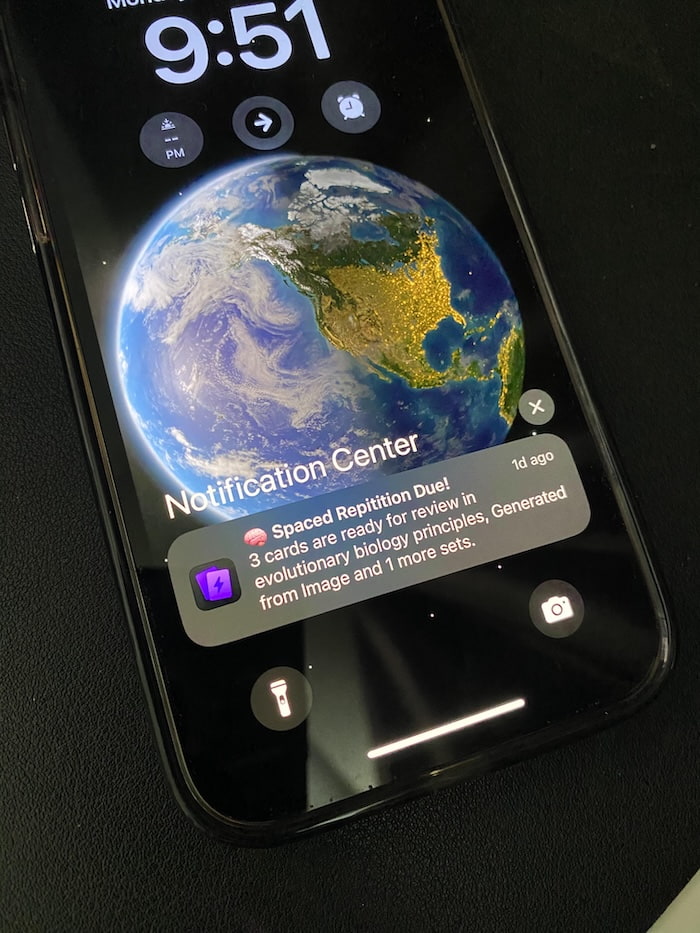
Flashrecall automatically keeps track and reminds you of the cards you don't remember well so you remember faster. Like this :
With Flashrecall, you can:
- Make flashcards from images (screenshots of docs, slides, diagrams)
- Paste text from articles or Stack Overflow answers
- Use PDFs (Android docs, cheat sheets, course notes)
- Even drop in YouTube links from Android tutorials and generate cards from them
- Or just type prompts and let it help you build good Q&A style cards
So if you’re watching an Android course on YouTube, you can feed the link into Flashrecall and turn the key points into flashcards without pausing every 5 seconds.
Download it here:
👉 https://apps.apple.com/us/app/flashrecall-study-flashcards/id6746757085
2. Built-In Spaced Repetition (No Manual Scheduling)
You don’t have to remember when to review what.
Flashrecall:
- Uses spaced repetition automatically
- Shows you cards right before you’re about to forget them
- Sends study reminders so you don’t fall off
So your andev flashcards get shown to you on a smart schedule: more often when they’re new, less often as you master them.
3. Active Recall + “Chat With The Card”
Sometimes an answer on a card isn’t enough—you want a deeper explanation.
Flashrecall lets you:
- Chat with the flashcard if you’re unsure
- Ask follow-up questions like “Explain this in simpler words” or “Give me a code example”
This is super handy for tricky things like:
- Coroutines scope vs lifecycle
- Dagger/Hilt concepts
- Complex lifecycle flows
It’s like having a mini tutor sitting inside your flashcards.
4. Works Offline (Perfect For Commutes)
You can study:
- On the train
- On a plane
- In that weird dead Wi-Fi corner of your office
Flashrecall works offline on iPhone and iPad, so you can squeeze in quick review sessions anywhere.
A Simple System For Andev Flashcards (That You’ll Actually Stick To)
Here’s a low-effort system you can use with Flashrecall:
Step 1: Create Cards As You Learn
Whenever you:
- Read Android docs
- Watch a tutorial
- Fix a bug
- Do a code review
Ask yourself: “Is this something I’d hate to forget?”
If yes → turn it into 1–3 flashcards.
You can:
- Screenshot → import to Flashrecall → auto-generate cards
- Or just type a quick Q/A manually
Keep cards short and focused. One idea per card.
Step 2: Review 10–20 Cards A Day
You don’t need to grind for hours.
- Open Flashrecall once or twice a day
- Review whatever it gives you (thanks to spaced repetition)
- Mark cards as “easy / hard” based on how you feel
That’s it. Consistency beats intensity here.
Step 3: Refine Cards When You Struggle
If a card keeps tripping you up:
- Edit the answer to be simpler
- Add a code example
- Or break it into two smaller cards
Flashrecall makes editing cards super fast, so your deck evolves with your understanding.
Example Andev Flashcards You Can Steal
Here are some ready-made ideas you could drop into Flashrecall right now:
- Q: “When is `onSaveInstanceState()` called and what is it used for?”
- Q: “What’s the difference between `onDestroy()` being called because of a config change vs the Activity being finished?”
- Q: “What is `viewModelScope` and why is it useful?”
- Q: “What’s the difference between `launch` and `async`?”
- Q: “What is `Navigation Component` and what problem does it solve?”
- Q: “What does `Room` do in an Android app?”
- Q: “What is `RecyclerView` used for?”
- Q: “Name two ways to avoid doing heavy work on the main thread.”
You can paste these into Flashrecall, then customize them based on what you keep forgetting.
Why Use Flashrecall Instead Of Just Anki Or Plain Notes?
If you’ve heard of Anki or other flashcard tools, you might be wondering where Flashrecall fits in.
Here’s the simple difference:
- Old-school tools: powerful, but clunky, lots of manual setup
- Flashrecall: fast, modern, built to make card creation and review easy
For Android devs specifically, Flashrecall is great because:
- You can instantly turn docs, images, PDFs, and videos into cards
- You get automatic spaced repetition without fiddling with settings
- You can chat with your flashcards to deepen your understanding
- It’s free to start, works on iPhone and iPad, and is actually nice to use
Grab it here if you want to level up your andev flashcards without extra friction:
👉 https://apps.apple.com/us/app/flashrecall-study-flashcards/id6746757085
Final Thoughts: Make Android Docs Work For You, Not Against You
Andev flashcards aren’t about memorizing every single API; they’re about:
- Reducing how often you get stuck on the same issues
- Feeling more confident in interviews and code reviews
- Building a mental map of Android concepts that actually sticks
If you combine:
- A steady stream of small flashcards
- 10–20 minutes of review a day
- A tool like Flashrecall that handles the spaced repetition and reminders
You’ll be surprised how fast Android concepts start to feel natural instead of overwhelming.
Turn your next bug fix or doc page into a couple of cards, throw them into Flashrecall, and let your future self enjoy the benefits.
Frequently Asked Questions
What's the fastest way to create flashcards?
Manually typing cards works but takes time. Many students now use AI generators that turn notes into flashcards instantly. Flashrecall does this automatically from text, images, or PDFs.
Is there a free flashcard app?
Yes. Flashrecall is free and lets you create flashcards from images, text, prompts, audio, PDFs, and YouTube videos.
How do I start spaced repetition?
You can manually schedule your reviews, but most people use apps that automate this. Flashrecall uses built-in spaced repetition so you review cards at the perfect time.
What is active recall and how does it work?
Active recall is the process of actively retrieving information from memory rather than passively reviewing it. Flashrecall forces proper active recall by making you think before revealing answers, then uses spaced repetition to optimize your review schedule.
Related Articles
- Quizlet Online Flashcards: The Complete Guide To Studying Smarter (And A Better Alternative Most People Miss) – If you’re using Quizlet online flashcards but feel like there has to be a faster, smarter way to study, this breakdown (plus a better app option) is for you.
- Print Your Own Flashcards: The Complete Guide To Faster Studying (Plus A Smarter Shortcut Most Students Don’t Know) – Learn how to make, print, and upgrade your flashcards so you remember more in less time.
- Evernote Flashcards: The Complete Guide To Turning Notes Into Powerful Study Cards (And A Smarter Alternative Most Students Miss) – If you’re drowning in Evernote notes but still forgetting everything, this will change how you study.
Research References
The information in this article is based on peer-reviewed research and established studies in cognitive psychology and learning science.
Cepeda, N. J., Pashler, H., Vul, E., Wixted, J. T., & Rohrer, D. (2006). Distributed practice in verbal recall tasks: A review and quantitative synthesis. Psychological Bulletin, 132(3), 354-380
Meta-analysis showing spaced repetition significantly improves long-term retention compared to massed practice
Carpenter, S. K., Cepeda, N. J., Rohrer, D., Kang, S. H., & Pashler, H. (2012). Using spacing to enhance diverse forms of learning: Review of recent research and implications for instruction. Educational Psychology Review, 24(3), 369-378
Review showing spacing effects work across different types of learning materials and contexts
Kang, S. H. (2016). Spaced repetition promotes efficient and effective learning: Policy implications for instruction. Policy Insights from the Behavioral and Brain Sciences, 3(1), 12-19
Policy review advocating for spaced repetition in educational settings based on extensive research evidence
Karpicke, J. D., & Roediger, H. L. (2008). The critical importance of retrieval for learning. Science, 319(5865), 966-968
Research demonstrating that active recall (retrieval practice) is more effective than re-reading for long-term learning
Roediger, H. L., & Butler, A. C. (2011). The critical role of retrieval practice in long-term retention. Trends in Cognitive Sciences, 15(1), 20-27
Review of research showing retrieval practice (active recall) as one of the most effective learning strategies
Dunlosky, J., Rawson, K. A., Marsh, E. J., Nathan, M. J., & Willingham, D. T. (2013). Improving students' learning with effective learning techniques: Promising directions from cognitive and educational psychology. Psychological Science in the Public Interest, 14(1), 4-58
Comprehensive review ranking learning techniques, with practice testing and distributed practice rated as highly effective

FlashRecall Team
FlashRecall Development Team
The FlashRecall Team is a group of working professionals and developers who are passionate about making effective study methods more accessible to students. We believe that evidence-based learning tec...
Credentials & Qualifications
- •Software Development
- •Product Development
- •User Experience Design
Areas of Expertise
Ready to Transform Your Learning?
Start using FlashRecall today - the AI-powered flashcard app with spaced repetition and active recall.
Download on App Store