Anesthesia Flash Cards: 7 Powerful Study Tips To Master Drugs, Doses & Complications Fast – Skip the clunky decks and learn how to actually remember anesthesia info that shows up on exams and in the OR.
Anesthesia flash cards turn doses, airway scores, MH steps into quick active recall with spaced repetition. See why apps like Flashrecall beat paper cards.
How Flashrecall app helps you remember faster. It's free
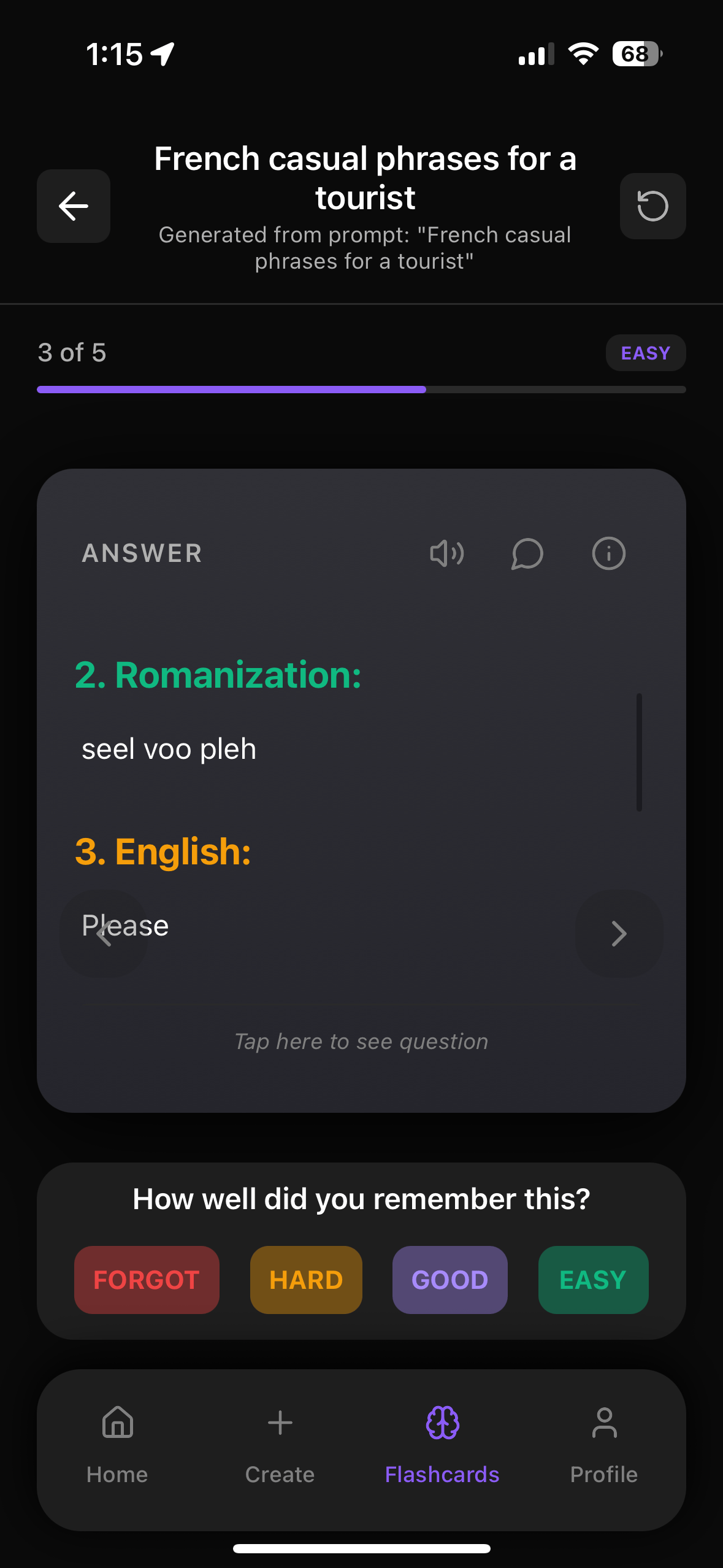
What Are Anesthesia Flash Cards (And Why They Actually Work)?
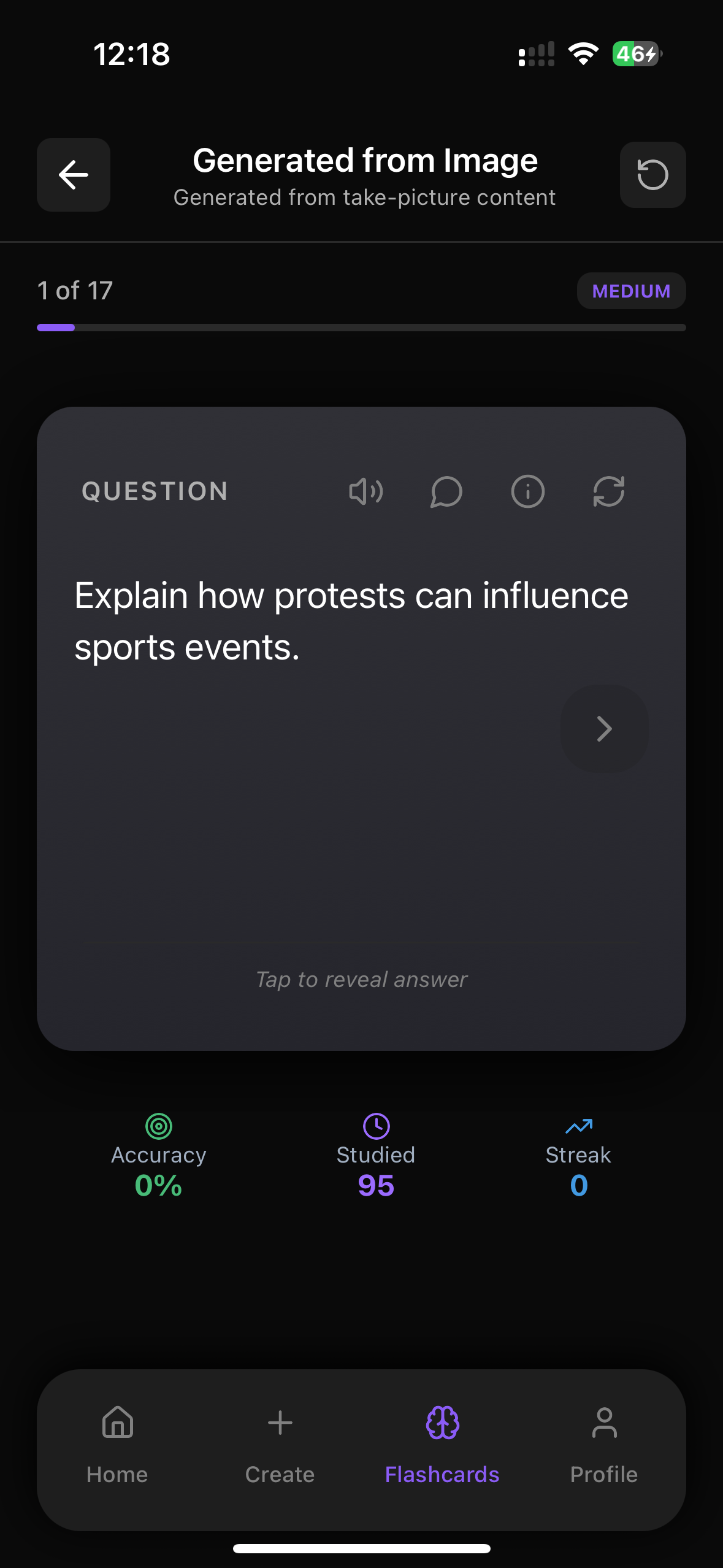
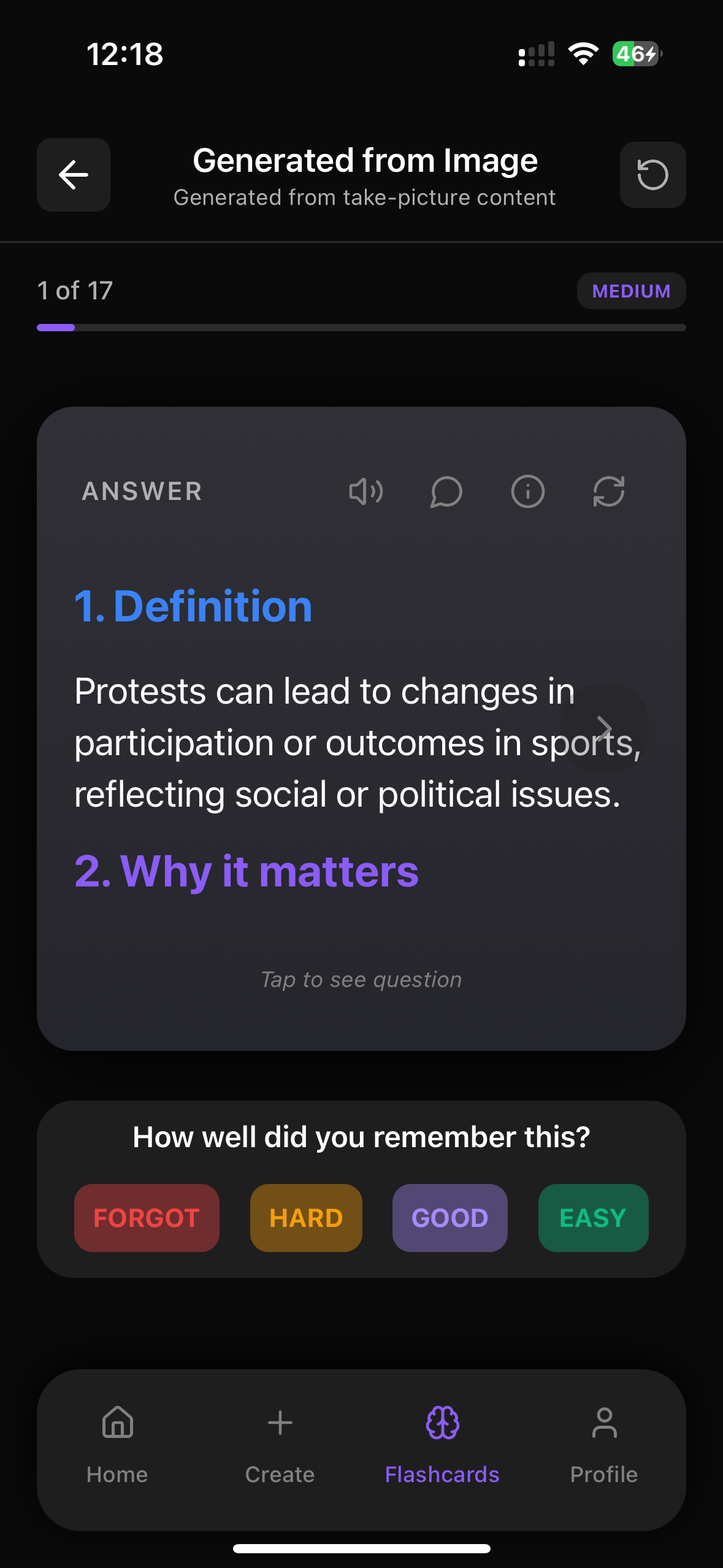
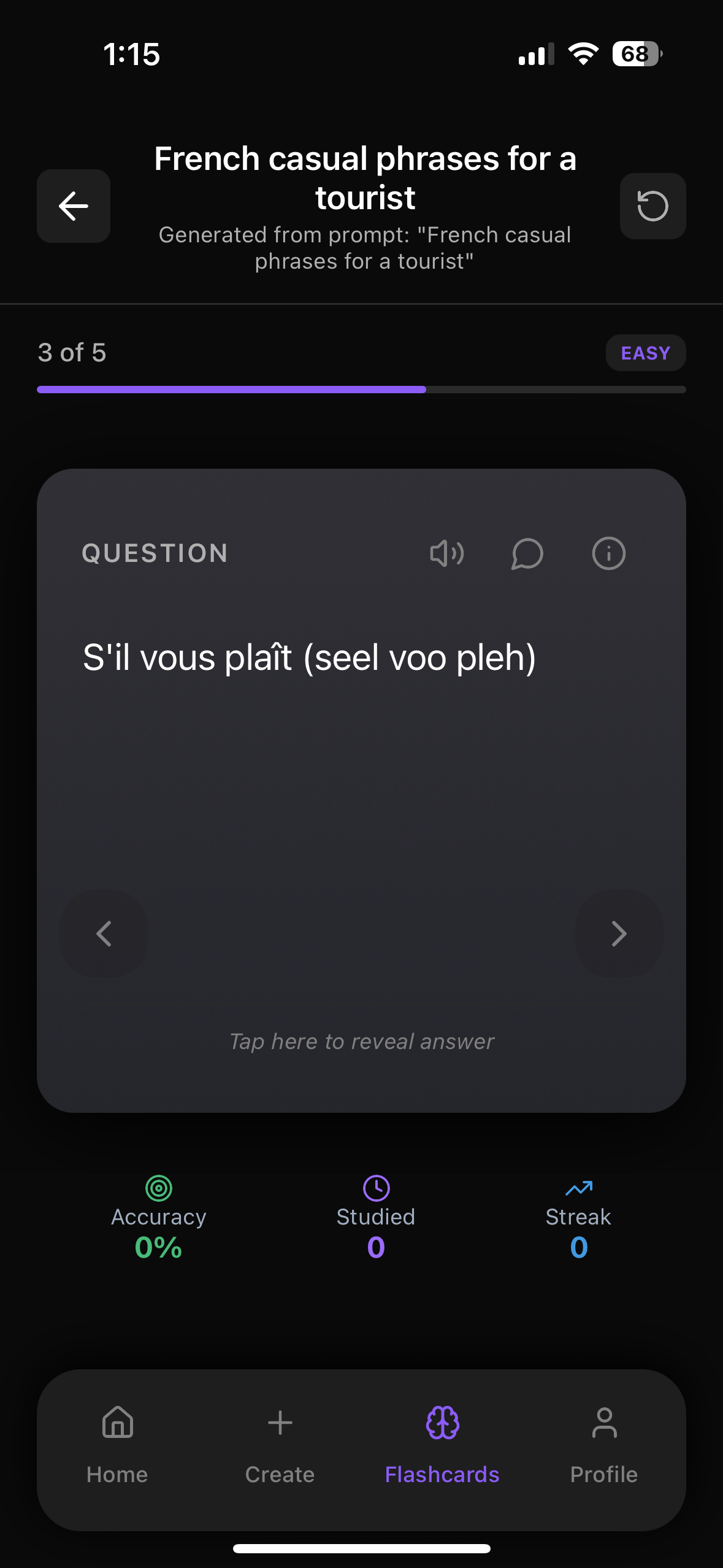
Alright, let's talk about anesthesia flash cards because they’re basically bite-sized questions and answers about drugs, dosing, monitoring, airway, physiology, and complications that you can flip through to lock in anesthesia knowledge. Instead of staring at a giant textbook, you break topics into tiny chunks like “Propofol – mechanism, dose, side effects” and quiz yourself. That constant self-testing is what makes anesthesia flash cards so good for exams and real-life cases. And if you use an app like Flashrecall), you can turn all that heavy anesthesia content into smart digital cards that show up right when you’re about to forget them.
Why Anesthesia Flash Cards Are Perfect For This Specialty
Anesthesia is super “numbers + patterns” heavy:
- Induction doses
- Infusion rates
- Reversal doses
- Vent settings and blood gas patterns
- Local anesthetic toxicity limits
- ASA classifications, Mallampati, airway scores
- Complication management steps
That’s exactly the kind of stuff flash cards crush.
You’re not trying to memorize whole chapters; you’re trying to remember:
- “What’s the max dose of bupivacaine with epi?”
- “What’s the treatment for MH?”
- “What does etomidate do to cortisol?”
Flash cards force active recall (you try to remember before seeing the answer), which is way better than just rereading notes.
And this is where using an app like Flashrecall) helps a ton, because it builds spaced repetition in automatically, so you see tricky anesthesia flash cards more often and the easy ones less often. No manual scheduling, no spreadsheets, just “open app, review what’s due.”
Paper vs Digital Anesthesia Flash Cards: What Actually Makes Sense?
You can use paper cards, but for anesthesia specifically, digital usually wins. Here’s why:
Paper Cards – Pros & Cons
- Writing by hand can help memory
- Easy to flip through quickly
- No tech needed
- Hard to update when guidelines change
- Can’t easily organize by topic (airway, cardio, peds, OB, regional, etc.)
- No spaced repetition – you have to manually sort them
- You can’t carry 500+ cards in your pocket during a busy rotation
Digital Cards With Flashrecall – Why They’re Better For Anesthesia
Using Flashrecall for anesthesia flash cards gives you:
- Automatic spaced repetition – it schedules reviews for you
- Study reminders – super helpful during crazy call weeks
- Works offline – review your deck in the elevator or OR lounge
- Fast card creation – from text, PDFs, images, YouTube, or manual entry
- Chat with your flashcards – if you’re unsure, you can ask follow-up questions
- Active recall built in – you see the prompt, think, then reveal the answer
- Free to start – great if you’re just testing out digital cards
And it works on both iPhone and iPad, so you can build cards on your iPad from lecture PDFs and then review them on your phone between cases.
Grab it here if you want to try it while you read:
👉 https://apps.apple.com/us/app/flashrecall-study-flashcards/id6746757085
What To Actually Put On Anesthesia Flash Cards
If you’re not sure what belongs on a card, use this simple rule:
> One clear question → one clear answer.
Here are anesthesia-specific ideas:
1. Drug Cards
Propofol – induction dose (adult, IV)
1.5–2.5 mg/kg IV (lower in elderly / hemodynamically unstable)
You can make variations:
- Mechanism
- Side effects
- Contraindications
- Context-sensitive half-time
2. Airway Cards
Mallampati classes I–IV – describe each
Short bullet list or simple descriptions + maybe one image
Or:
Difficult mask ventilation – 5 risk factors
Obesity, beards, no teeth, older age, snoring/OSA, etc.
3. Physiology & Monitoring
Causes of high ETCO₂
Hypoventilation, increased CO₂ production (fever, MH), rebreathing, exhausted soda lime, etc.
4. Crisis Management / Algorithms
These are perfect for flash cards:
- MH management steps
- ACLS drug doses
- Local anesthetic systemic toxicity treatment
- Anaphylaxis management in the OR
- Difficult airway algorithm key steps
5. Exam‑Type Concepts
- Minimum alveolar concentration (MAC) values
- Factors increasing/decreasing MAC
- Effects of anesthetics on organ systems
- OB anesthesia contraindications and complications
You don’t need to cram full paragraphs on the back. Use:
- Short bullets
- Numbers
- Key phrases
Your brain remembers clean, minimal cards way better.
How To Build Anesthesia Flash Cards Faster (Without Typing Everything)
Flashrecall automatically keeps track and reminds you of the cards you don't remember well so you remember faster. Like this :
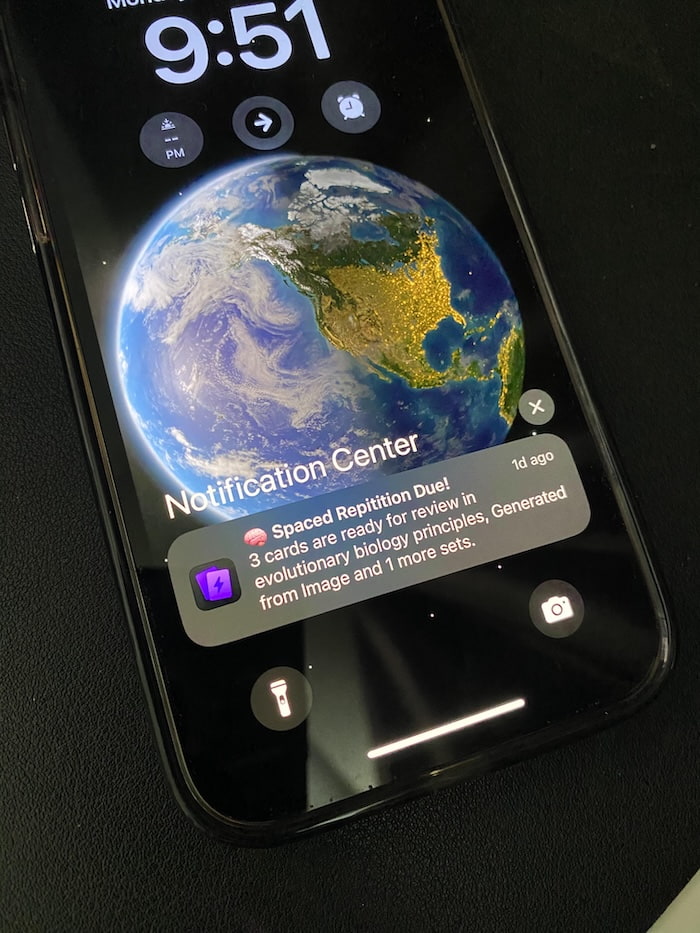
Typing every single card from scratch can be painful, especially with anesthesia content. Flashrecall helps you speed that up:
1. Turn PDFs and Notes Into Cards
Got lecture slides, board review PDFs, or rotation handouts?
In Flashrecall, you can:
- Import PDFs
- Paste text
- Use images of slides or notes
Then you can quickly turn those into Q&A cards instead of rewriting everything. Perfect for pharmacology tables or guideline summaries.
2. Make Cards From YouTube Lectures
Watching a YouTube video on regional anesthesia or ventilator management?
Drop the YouTube link into Flashrecall, pull key points, and create cards as you go. You can build a whole deck from one good video.
3. Snap Photos Of Whiteboards / Books
In the OR lounge or classroom and see a great summary on the whiteboard?
- Take a photo
- Use it in Flashrecall
- Turn that into cards later
No more “I’ll take a pic and never look at it again.”
The Secret Sauce: Spaced Repetition For Anesthesia
You’ve probably heard of spaced repetition, but here’s the quick version:
> You review information right before you’re about to forget it, at increasing intervals.
So instead of seeing the same card 10 times in one night and forgetting it next week, you see it:
- Day 1
- Day 3
- Day 7
- Day 14
- Day 30
Flashrecall does this automatically. You rate how well you remembered the card, and the app decides when to show it again.
This is insanely useful for anesthesia because:
- Drug doses blur together over time
- Rare complications are easy to forget
- Exam details drift if you don’t see them regularly
With Flashrecall:
- Hard cards (like obscure side effects) come back more often
- Easy cards (like “Propofol = IV anesthetic”) show up less
That way, your brain gets more reps where it’s weak, and you don’t waste time on stuff you already know.
How To Organize Your Anesthesia Flash Cards So They Don’t Become a Mess
Instead of one giant “Anesthesia” deck, break it down. For example:
- General Anesthesia – Drugs
- Regional & Local Anesthetics
- Airway & Ventilation
- Cardiac & ICU Anesthesia
- OB & Peds Anesthesia
- Complications & Emergencies
- Board Review / Exam‑Style Concepts
In Flashrecall you can keep separate decks and hop between them depending on your rotation. On OB? Focus on OB + complications decks. In ICU? Hit ventilation, vasopressors, and shock cards.
How Flashrecall Makes Anesthesia Flash Cards Actually Stick
Here’s how using Flashrecall specifically helps with anesthesia studying:
- Built-in active recall – it always shows the question first so you think before seeing the answer
- Spaced repetition with auto reminders – perfect when your schedule is chaotic
- Works offline – review on the go, even in the basement ORs with terrible signal
- Chat with your flashcards – if you’re unsure why something is correct, you can ask and get an explanation
- Supports text, images, PDFs, YouTube links, audio – great for diagrams, ECGs, vent waveforms, nerve block images
- Fast and simple interface – no clunky menus when you just want to review 20 cards before a case
- Free to start – you can build a few decks and see if it fits your style
Download it here and start with just one topic (like induction agents):
👉 https://apps.apple.com/us/app/flashrecall-study-flashcards/id6746757085
7 Practical Tips To Make Better Anesthesia Flash Cards
1. One concept per card
Don’t put “all volatile agents” on one card. Do separate ones: MAC, side effects, metabolism, etc.
2. Use numbers and cutoffs
Things like “PaCO₂ change per 10 mmHg” or “max dose mg/kg” are perfect flash card material.
3. Make “what would you do next?” cards
Example: “Sudden drop in ETCO₂ + hypotension under GA – top 3 causes?”
That’s closer to how real-life anesthesia feels.
4. Mix recall directions
- “Drug → side effect”
- “Side effect → drug”
- “Scenario → diagnosis”
5. Tag your weak areas
When a card feels rough, mark it as hard in Flashrecall so it comes back more often.
6. Review a little, a lot
10–15 minutes a day beats 3 hours once a week. Spaced repetition loves short, frequent sessions.
7. Update cards when you learn something new
Heard a great explanation from an attending? Add it or tweak the card immediately.
Final Thoughts: Use Anesthesia Flash Cards The Smart Way
Anesthesia flash cards are honestly one of the easiest ways to keep drugs, doses, and critical steps fresh in your head while you juggle cases, call, and exams. The key is:
- Break info into small, clear cards
- Use active recall and spaced repetition
- Review consistently, not just before exams
If you want an easy way to do all of that without carrying a brick of index cards, try building your anesthesia flash cards in Flashrecall and let the app handle the scheduling and reminders for you:
👉 https://apps.apple.com/us/app/flashrecall-study-flashcards/id6746757085
Start with just 20–30 cards on your next rotation and build from there—you’ll be surprised how much more confident you feel in the OR.
Frequently Asked Questions
What's the fastest way to create flashcards?
Manually typing cards works but takes time. Many students now use AI generators that turn notes into flashcards instantly. Flashrecall does this automatically from text, images, or PDFs.
Is there a free flashcard app?
Yes. Flashrecall is free and lets you create flashcards from images, text, prompts, audio, PDFs, and YouTube videos.
How do I start spaced repetition?
You can manually schedule your reviews, but most people use apps that automate this. Flashrecall uses built-in spaced repetition so you review cards at the perfect time.
What is active recall and how does it work?
Active recall is the process of actively retrieving information from memory rather than passively reviewing it. Flashrecall forces proper active recall by making you think before revealing answers, then uses spaced repetition to optimize your review schedule.
How can I study more effectively for this test?
Effective exam prep combines active recall, spaced repetition, and regular practice. Flashrecall helps by automatically generating flashcards from your study materials and using spaced repetition to ensure you remember everything when exam day arrives.
Related Articles
- Dermatology Flashcards: The Ultimate Way To Master Skin Diseases Faster Than Your Classmates – Learn smarter with powerful, spaced repetition flashcards you can review anywhere.
- Business Flash Cards: The Powerful Study Hack Top Professionals Use To Learn Faster And Remember More – Most People Ignore This Simple Tool And Stay Stuck
- Hypertension Flashcards: The Essential Study Hack To Master Blood Pressure Fast (Most Med Students Don’t Do This) – Learn smarter, not harder, with a flashcard system that actually sticks in your brain.
Research References
The information in this article is based on peer-reviewed research and established studies in cognitive psychology and learning science.
Cepeda, N. J., Pashler, H., Vul, E., Wixted, J. T., & Rohrer, D. (2006). Distributed practice in verbal recall tasks: A review and quantitative synthesis. Psychological Bulletin, 132(3), 354-380
Meta-analysis showing spaced repetition significantly improves long-term retention compared to massed practice
Carpenter, S. K., Cepeda, N. J., Rohrer, D., Kang, S. H., & Pashler, H. (2012). Using spacing to enhance diverse forms of learning: Review of recent research and implications for instruction. Educational Psychology Review, 24(3), 369-378
Review showing spacing effects work across different types of learning materials and contexts
Kang, S. H. (2016). Spaced repetition promotes efficient and effective learning: Policy implications for instruction. Policy Insights from the Behavioral and Brain Sciences, 3(1), 12-19
Policy review advocating for spaced repetition in educational settings based on extensive research evidence
Karpicke, J. D., & Roediger, H. L. (2008). The critical importance of retrieval for learning. Science, 319(5865), 966-968
Research demonstrating that active recall (retrieval practice) is more effective than re-reading for long-term learning
Roediger, H. L., & Butler, A. C. (2011). The critical role of retrieval practice in long-term retention. Trends in Cognitive Sciences, 15(1), 20-27
Review of research showing retrieval practice (active recall) as one of the most effective learning strategies
Dunlosky, J., Rawson, K. A., Marsh, E. J., Nathan, M. J., & Willingham, D. T. (2013). Improving students' learning with effective learning techniques: Promising directions from cognitive and educational psychology. Psychological Science in the Public Interest, 14(1), 4-58
Comprehensive review ranking learning techniques, with practice testing and distributed practice rated as highly effective

FlashRecall Team
FlashRecall Development Team
The FlashRecall Team is a group of working professionals and developers who are passionate about making effective study methods more accessible to students. We believe that evidence-based learning tec...
Credentials & Qualifications
- •Software Development
- •Product Development
- •User Experience Design
Areas of Expertise
Ready to Transform Your Learning?
Start using FlashRecall today - the AI-powered flashcard app with spaced repetition and active recall.
Download on App Store