Anki Cards For USMLE Step 1: 7 Proven Flashcard Tips Most Med Students Don’t Use Yet – Learn Faster, Remember Longer, Stress Less
Anki cards for USMLE Step 1 can work, but only with the right workflow. See how spaced repetition, pre‑made decks, and Flashrecall change your daily grind.
How Flashrecall app helps you remember faster. It's free
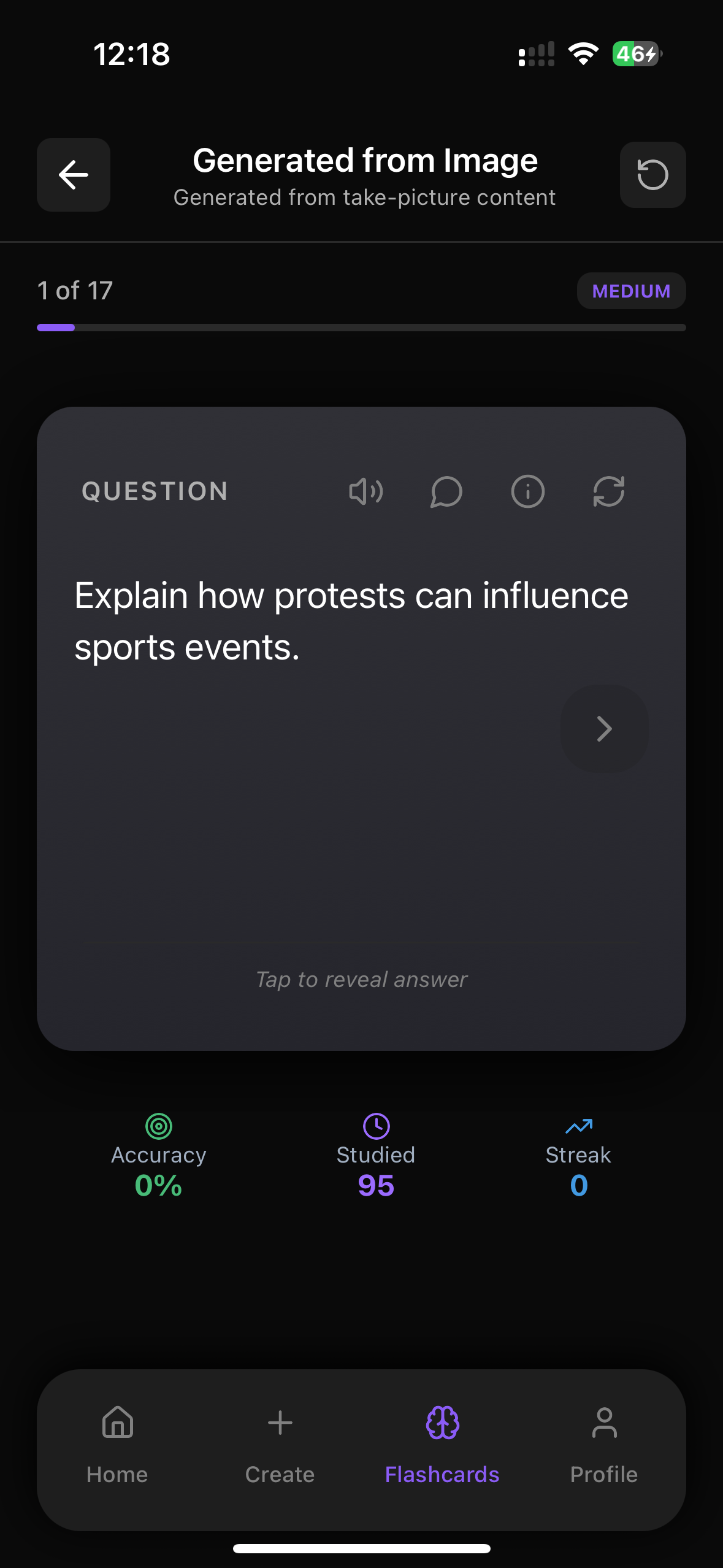
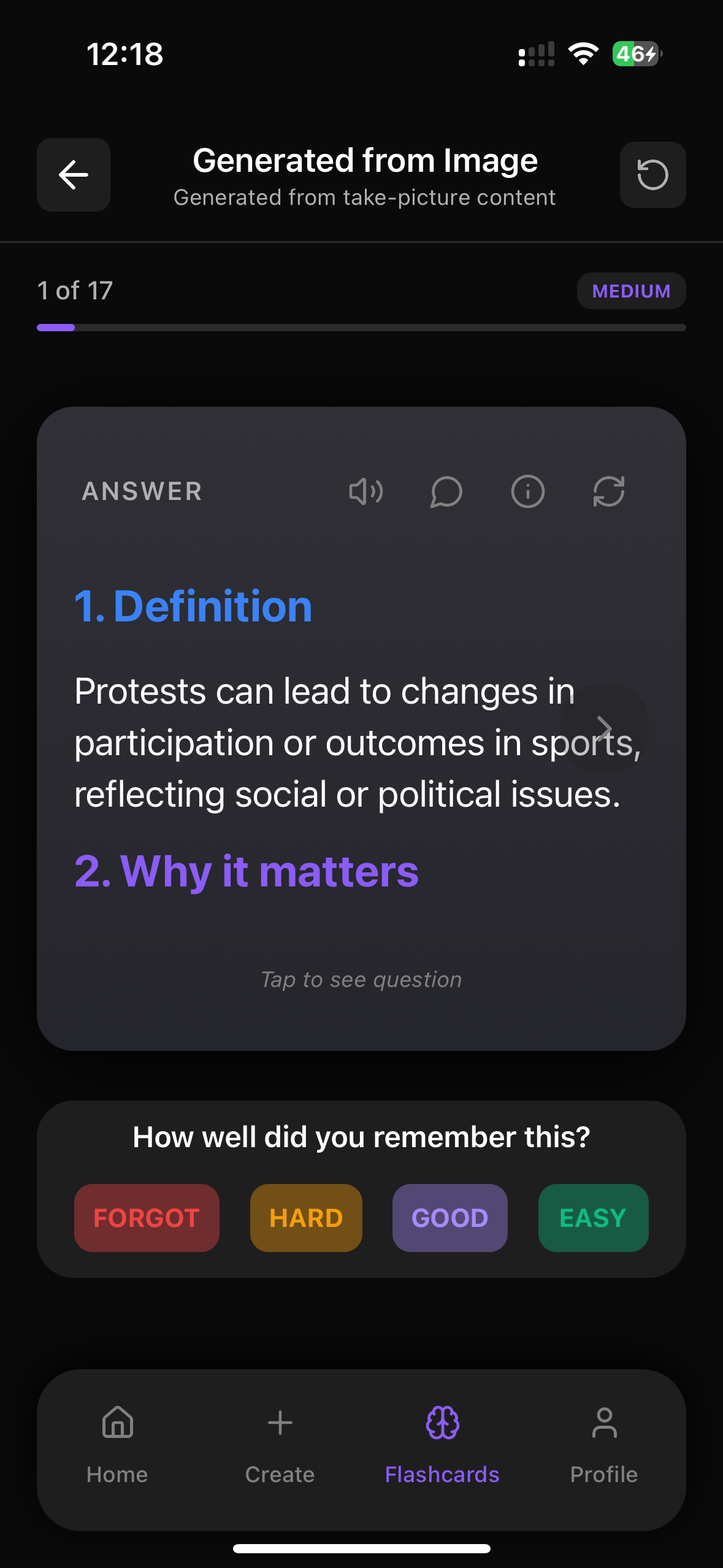
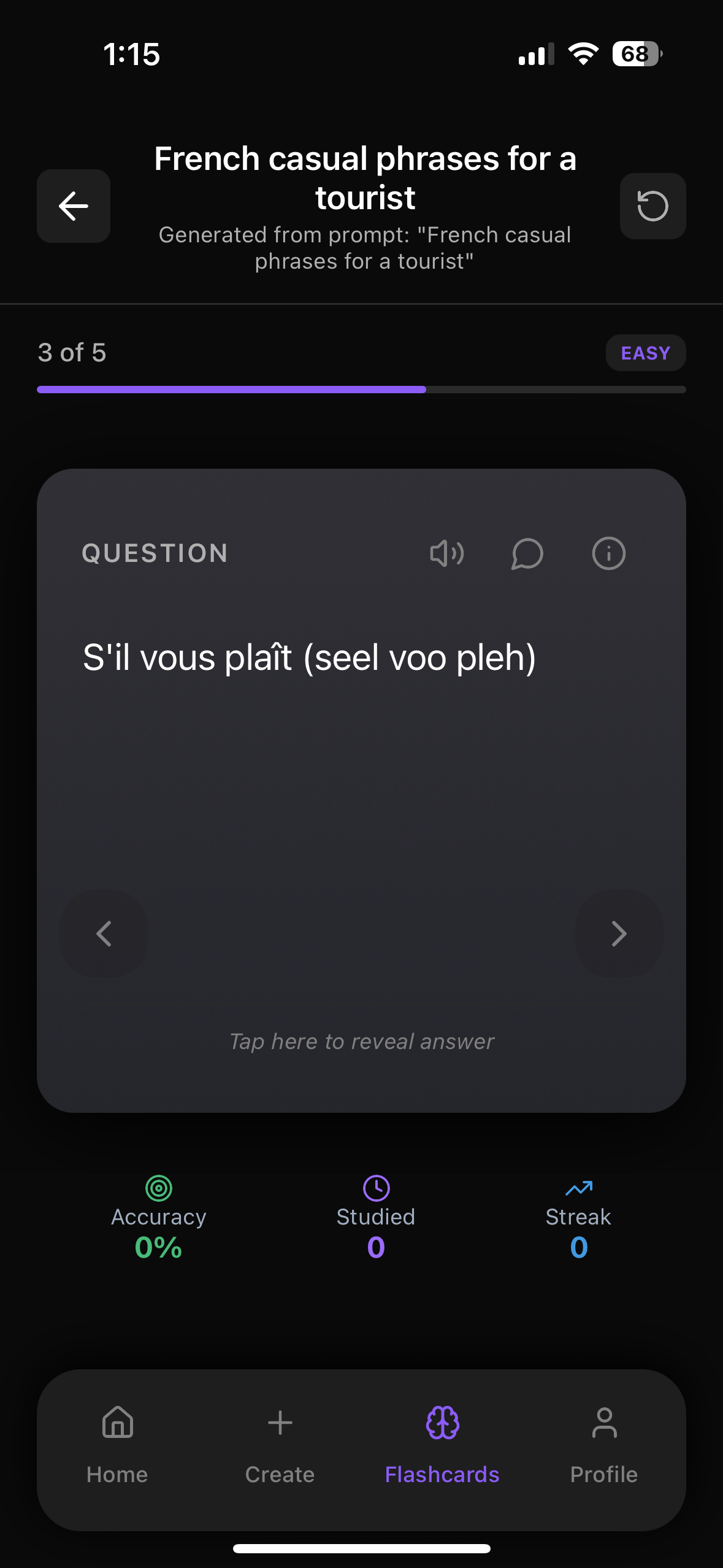
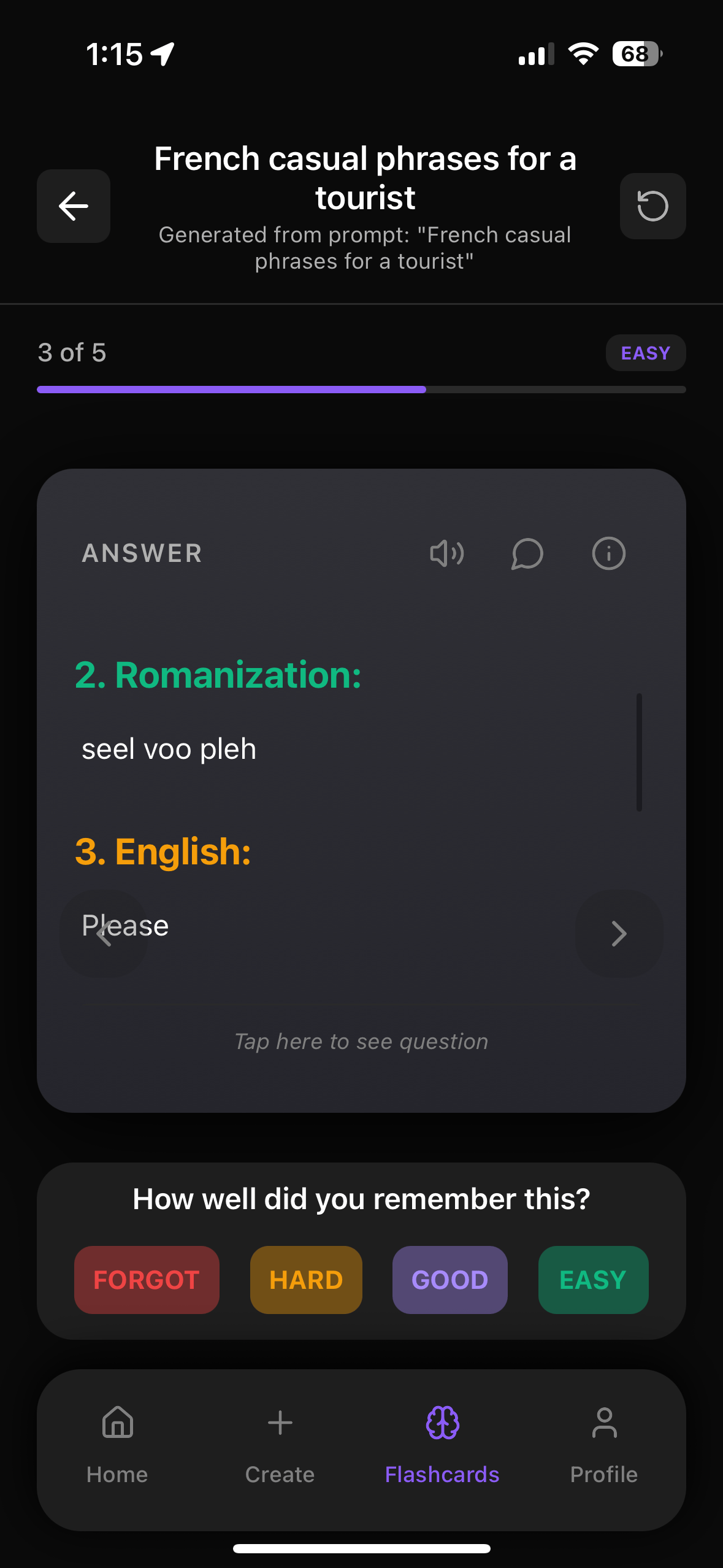
So, you’re trying to figure out how to use anki cards for USMLE Step 1 without drowning in decks, right? Anki cards for USMLE Step 1 are digital flashcards that use spaced repetition to help you remember high‑yield facts like mechanisms, side effects, and buzzwords for the exam. The idea is simple: you see hard cards more often and easy ones less often, so you don’t waste time re‑learning what you already know. This matters for Step 1 because the exam is insanely detail-heavy, and your brain will absolutely forget stuff unless you review it on a smart schedule. Apps like Flashrecall basically give you that same spaced repetition power, but in a faster, more modern way that’s way easier to manage on your phone:
https://apps.apple.com/us/app/flashrecall-study-flashcards/id6746757085
Anki Cards For USMLE Step 1: What They Actually Do For You
Alright, let’s talk basics first.
- First Aid facts
- Pathoma concepts
- Sketchy micro/pharm details
- UWorld nuggets and explanations
- Random high‑yield facts your attendings casually drop at 4 pm
You see the front (question, image, or prompt), try to recall the answer, then flip the card and rate how hard it was. The software then schedules your next review:
- Missed it? → Sooner
- Kind of know it? → Later
- Easy? → Much later
That’s spaced repetition in action.
Flashrecall does the same thing automatically with built‑in spaced repetition and active recall, but with less setup pain and a cleaner interface. You make cards fast, it reminds you when to study, and you just show up and tap through.
👉 Try it here if you want something simpler than classic Anki:
https://apps.apple.com/us/app/flashrecall-study-flashcards/id6746757085
Anki vs Flashrecall For Step 1: What’s The Real Difference?
You’ll see “just use Anki” everywhere, but nobody tells you that the tool isn’t the magic — the workflow is.
Here’s the quick comparison:
What Anki Gives You
- Tons of pre‑made decks (AnKing, Dorian, etc.)
- A very powerful but kinda clunky interface
- Desktop + mobile options
- Lots of add‑ons (if you like tweaking things forever)
What Flashrecall Gives You
- Super fast card creation from:
- Images (e.g., Pathoma slides, First Aid pages, lecture screenshots)
- Text, audio, PDFs, YouTube links, or typed prompts
- Built‑in spaced repetition + study reminders (no manual settings to mess with)
- Works offline, so you can review on the train, in the hospital, wherever
- Chat with your flashcards if you’re confused about a concept
- Clean, modern, easy interface that doesn’t feel like 2005
- Free to start, runs on iPhone and iPad
You can absolutely still use Anki decks if you like them, but a lot of people burn out trying to “keep up with reviews.” Flashrecall makes it easier to build your own high‑yield deck without spending hours formatting or fighting settings.
How To Actually Use Flashcards For Step 1 (Without Burning Out)
Let’s get practical. Here’s a simple, realistic way to use Anki‑style flashcards (or Flashrecall) for Step 1.
1. Use Cards To Lock In UWorld, Not Replace It
Don’t turn your life into “doing cards just to do cards.”
- Do a UWorld block
- For every question you miss or guessed, make 1–2 flashcards:
- One for the big concept
- One for the trick/association
Example:
- Question: “Young woman with hyperthyroidism, pretibial myxedema, exophthalmos.”
- Card 1:
- Front: “Graves disease – pathophysiology?”
- Back: “Autoantibodies (IgG) stimulate TSH receptor → ↑ T3/T4, hyperthyroidism. Type II hypersensitivity.”
- Card 2:
- Front: “Graves ophthalmopathy mechanism?”
- Back: “Inflammation and expansion of extraocular muscles and retro-orbital tissues due to autoimmune T‑cell activation and cytokines.”
In Flashrecall, you can literally:
- Screenshot the question/explanation
- Drop the image into the app
- Let it help you pull out key points as cards
That way, your deck is your mistakes, not 40,000 random facts.
2. Keep Cards Short And Focused
USMLE loves integrated questions, but your cards should be simple.
Bad card:
> “Everything about nephrotic syndrome.”
Good cards:
- “Nephrotic syndrome – key features?”
- “Minimal change disease – path findings?”
- “Minimal change disease – treatment?”
In Flashrecall, it’s super quick to break things down:
- Paste a paragraph or screenshot
- Turn it into multiple smaller cards
- Edit them in a clean, simple UI
Short cards = faster reviews = less mental fatigue.
3. Connect Cards To Images, Not Just Text
Step 1 is full of:
- Histology
- CT/MRI
- Rashes
- ECGs
- Weird “name this structure” anatomy
If you’re only doing text‑only Anki cards for USMLE Step 1, you’re missing a lot.
With Flashrecall, you can:
- Import an image from First Aid, Pathoma, or lecture slides
- Draw or crop the important part
- Make a card like:
- Front: “Identify this structure (arrow).”
- Back: “Left renal vein passing anterior to aorta and posterior to SMA.”
Flashrecall automatically keeps track and reminds you of the cards you don't remember well so you remember faster. Like this :
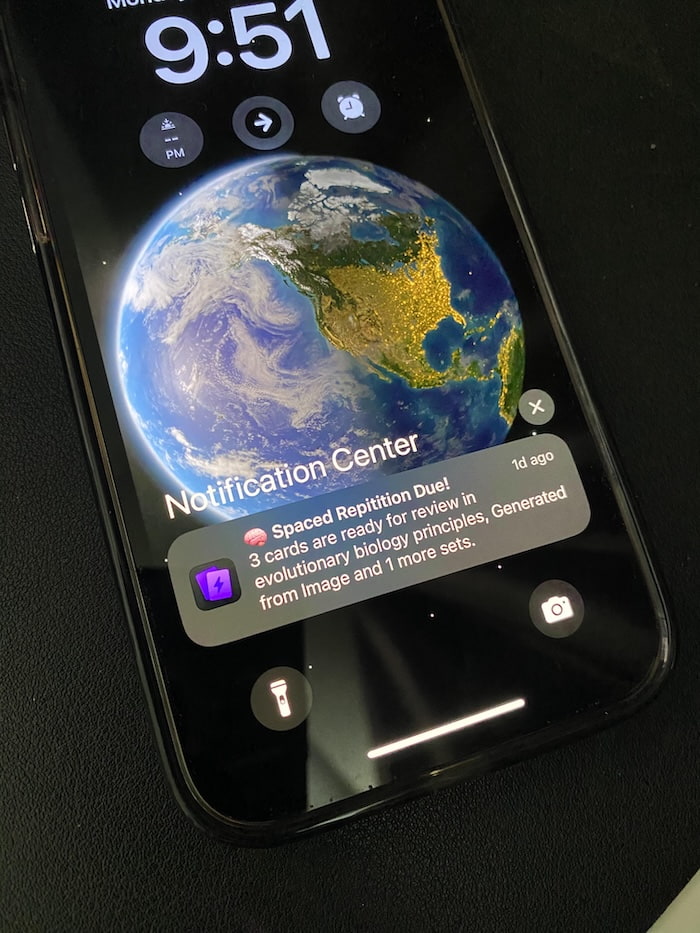
That kind of visual repetition is insanely helpful for those “I swear I’ve seen this picture before” questions.
4. Use Spaced Repetition Properly (Don’t Cram All Reviews At Night)
Anki cards for USMLE Step 1 work best when you spread reviews through the day, not just binge them at midnight.
What usually happens:
- You ignore reviews all day
- You open the app at 11 pm
- You see 900 due cards
- You cry a little
Instead, try:
- 10–15 minutes in the morning
- 10–15 minutes at lunch
- 10–20 minutes in the evening
Flashrecall helps here because:
- It sends study reminders, so you don’t forget
- It automatically spaces cards out — you just open the app and tap through what’s due
- It works offline, so you can knock out cards during random downtime
Consistency beats heroic all‑nighters every single time.
5. Build Your Own Mini‑Decks For Weak Topics
You’ll notice patterns:
- “I always miss biostats questions.”
- “I keep mixing up diuretics.”
- “Immunology is just… pain.”
Instead of hoping it magically fixes itself, build topic‑focused micro‑decks.
Examples:
- “Renal Pharm – 30 cards”
- “Immunodeficiencies – 20 cards”
- “Biostats formulas – 15 cards”
In Flashrecall, you can:
- Create separate decks for each weak area
- Add cards manually or from notes/PDFs
- Drill just that deck when you want a targeted session
This is way more efficient than passively re‑reading the same chapter again and again.
6. Use “Chat With Your Flashcard” When You Don’t Fully Get It
Sometimes you flip a card and think:
“I memorized this, but I still don’t really understand it.”
That’s where Flashrecall’s chat with the flashcard feature is clutch.
You can:
- Ask follow‑up questions right inside the app
- Get explanations, analogies, or step‑by‑step breakdowns
- Turn that new understanding into a better card
Example:
- Card: “Mechanism of action of ACE inhibitors.”
- You: “Explain this to me like I’m 12.”
- App: gives you a simple explanation you can actually remember
Now your deck doesn’t just test you — it teaches you.
7. Don’t Let Flashcards Replace Practice Questions
This is the big trap:
People do only Anki cards for USMLE Step 1 and feel productive… but their question skills lag.
Flashcards are for:
- Memorizing facts
- Reinforcing patterns
- Keeping old topics fresh
They are not a replacement for:
- UWorld
- NBME practice exams
- Real test‑style reasoning
Best setup:
- Core: UWorld + NBMEs
- Support: Flashcards (Anki or Flashrecall) for everything you want to remember long‑term
Use flashcards to hold onto what you learn from questions, not to avoid doing questions.
Why Flashrecall Is So Good For Step 1 Specifically
Here’s why Flashrecall fits the Step 1 grind really well:
- Fast card creation
- From lecture slides, PDFs, YouTube videos, text, or just typing
- Perfect for turning First Aid + UWorld into personal, high‑yield cards
- Automatic spaced repetition + reminders
- You don’t have to tweak complex settings
- The app just tells you what to review each day
- Active recall by default
- Simple front/back cards that force you to think before flipping
- Offline mode
- Study in the hospital, bus, library basement, wherever
- Works for everything
- Not just Step 1 — you can use it later for:
- Shelf exams
- Step 2
- Residency boards
- Languages, business, whatever you want
- Modern, clean interface
- Less friction = more likely you’ll actually use it daily
If you like the idea of Anki cards for USMLE Step 1 but hate the setup, Flashrecall is honestly a smoother way to get the same spaced repetition benefits with less headache:
👉 https://apps.apple.com/us/app/flashrecall-study-flashcards/id6746757085
Simple Step‑By‑Step Plan You Can Start Today
If you want something you can literally start this week, try this:
1. Pick 1–2 subjects you’re currently studying (e.g., cardio + micro).
2. Do 20–40 UWorld questions in that area.
3. For every missed or guessed question, make 1–3 cards in Flashrecall.
4. Add 5–10 extra cards from First Aid or your lecture notes on the same topic.
5. Do your due cards in Flashrecall every day (10–20 minutes total).
6. Once a week, add a small weak-topic deck (biostats, immuno, etc.).
Stick with that for a month and you’ll feel the difference — facts stop leaking out of your brain so fast.
Final Thoughts
Anki cards for USMLE Step 1 work because they force you to actively recall information on a smart schedule instead of cramming and forgetting. The tool you use (Anki or Flashrecall) matters less than how you use it — but a smoother app makes it way easier to stay consistent.
If you want:
- Spaced repetition
- Fast card creation from your real study materials
- Study reminders
- Offline access
- And a clean, modern interface
Then give Flashrecall a shot alongside your question bank and First Aid:
👉 https://apps.apple.com/us/app/flashrecall-study-flashcards/id6746757085
Use flashcards to support your Step 1 grind, not replace it — and you’ll remember way more with a lot less stress.
Frequently Asked Questions
Is Anki good for studying?
Anki is powerful but requires manual card creation and has a steep learning curve. Flashrecall offers AI-powered card generation from your notes, images, PDFs, and videos, making it faster and easier to create effective flashcards.
What's the fastest way to create flashcards?
Manually typing cards works but takes time. Many students now use AI generators that turn notes into flashcards instantly. Flashrecall does this automatically from text, images, or PDFs.
How do I start spaced repetition?
You can manually schedule your reviews, but most people use apps that automate this. Flashrecall uses built-in spaced repetition so you review cards at the perfect time.
How can I study more effectively for this test?
Effective exam prep combines active recall, spaced repetition, and regular practice. Flashrecall helps by automatically generating flashcards from your study materials and using spaced repetition to ensure you remember everything when exam day arrives.
Related Articles
- USMLE Step 1 Flashcards: 7 Powerful Study Hacks Most Med Students Don’t Use Yet – Learn Faster, Remember Longer, Stress Less
- USMLE Step 1 Flashcards Anki: The Best Alternatives, Study Hacks, And Secrets Most Med Students Don’t Know Yet – Learn Faster And Remember More For Exam Day
- Anki Flashcards Step 1: Proven Med School Study System Most Students Don’t Use (But Should) – Learn Faster, Remember More, and Stop Drowning in Question Banks
Research References
The information in this article is based on peer-reviewed research and established studies in cognitive psychology and learning science.
Cepeda, N. J., Pashler, H., Vul, E., Wixted, J. T., & Rohrer, D. (2006). Distributed practice in verbal recall tasks: A review and quantitative synthesis. Psychological Bulletin, 132(3), 354-380
Meta-analysis showing spaced repetition significantly improves long-term retention compared to massed practice
Carpenter, S. K., Cepeda, N. J., Rohrer, D., Kang, S. H., & Pashler, H. (2012). Using spacing to enhance diverse forms of learning: Review of recent research and implications for instruction. Educational Psychology Review, 24(3), 369-378
Review showing spacing effects work across different types of learning materials and contexts
Kang, S. H. (2016). Spaced repetition promotes efficient and effective learning: Policy implications for instruction. Policy Insights from the Behavioral and Brain Sciences, 3(1), 12-19
Policy review advocating for spaced repetition in educational settings based on extensive research evidence
Karpicke, J. D., & Roediger, H. L. (2008). The critical importance of retrieval for learning. Science, 319(5865), 966-968
Research demonstrating that active recall (retrieval practice) is more effective than re-reading for long-term learning
Roediger, H. L., & Butler, A. C. (2011). The critical role of retrieval practice in long-term retention. Trends in Cognitive Sciences, 15(1), 20-27
Review of research showing retrieval practice (active recall) as one of the most effective learning strategies
Dunlosky, J., Rawson, K. A., Marsh, E. J., Nathan, M. J., & Willingham, D. T. (2013). Improving students' learning with effective learning techniques: Promising directions from cognitive and educational psychology. Psychological Science in the Public Interest, 14(1), 4-58
Comprehensive review ranking learning techniques, with practice testing and distributed practice rated as highly effective

FlashRecall Team
FlashRecall Development Team
The FlashRecall Team is a group of working professionals and developers who are passionate about making effective study methods more accessible to students. We believe that evidence-based learning tec...
Credentials & Qualifications
- •Software Development
- •Product Development
- •User Experience Design
Areas of Expertise
Ready to Transform Your Learning?
Start using FlashRecall today - the AI-powered flashcard app with spaced repetition and active recall.
Download on App Store