Anki Guide App: The Complete Guide
The Anki guide app simplifies studying by breaking info into bite-sized flashcards. Discover how Flashrecall automates reviews for better retention and less.
How Flashrecall app helps you remember faster. It's free
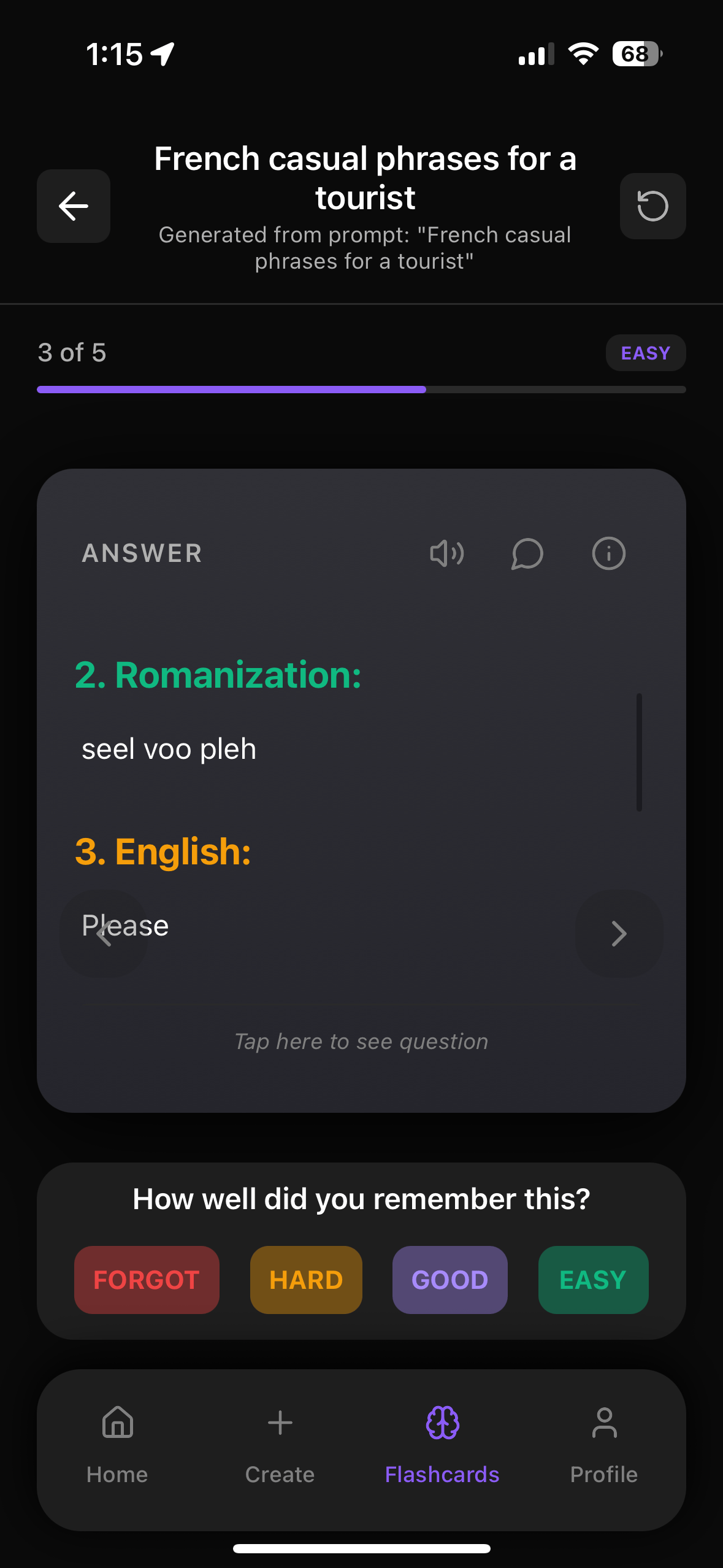
An Honest Anki Guide (From Someone Who Thinks You Deserve an Easier Option)
So, you ever wonder how to make studying a bit less of a headache and way more effective? That's where the anki guide app comes in. It's like having a little helper in your pocket that tosses the info you need to remember at you when you actually need it. Imagine breaking down all that complex stuff you're trying to cram into your brain into these bite-sized pieces you can handle without tearing your hair out.
If you're looking for information about anki guide: the complete beginner’s playbook to smarter flashcards (and a better alternative most people miss) – learn how to use anki the right way, plus discover a faster, easier flashcard app that does the hard work for you., read our complete guide to anki guide.
The cool part is, with apps like Flashrecall, you don't even have to worry about setting up your own flashcards—this thing does a lot of the heavy lifting for you. It picks out the best times for you to review what you've learned, so you’re not stuck staring blankly at your notes, wondering why nothing's sticking. It's like having that friend who always seems to know when you need a nudge to hit the books.
If you’re curious about diving deeper into using anki the right way and maybe finding out why Flashrecall might
If you’ve ever opened Anki, stared at the interface, and immediately closed it again, you’re not alone.
That’s why in this guide, I’ll:
- Walk you through how Anki actually works (without nerdy jargon)
- Show you how to use it effectively for real studying
- And then show you a much easier alternative: Flashrecall, a modern flashcard app that does almost all the heavy lifting for you
You can grab Flashrecall here if you want to try it while reading:
👉 https://apps.apple.com/us/app/flashrecall-study-flashcards/id6746757085
What Anki Actually Is (In Normal-Person Language)
Anki is a flashcard app that uses spaced repetition.
That just means:
- You see cards you struggle with more often
- You see cards you know well less often
- Over time, this helps you remember stuff for way longer with less total study time
It’s amazing for:
- Languages (vocab, phrases, kanji, grammar)
- Medicine (drugs, diseases, anatomy, everything)
- Exams (MCAT, Step 1/2, bar exam, SAT, etc.)
- School & uni (history dates, formulas, definitions)
- Business & work (frameworks, interview prep, sales scripts)
Flashrecall uses the same core idea (spaced repetition + active recall), but in a way that’s way more modern and user-friendly. Instead of fighting the UI, you just… study.
How Anki Works: The Core Idea in 30 Seconds
With Anki, the loop is:
1. You create cards (front = question, back = answer)
2. Anki shows you cards each day
3. After each card, you rate how hard it was (Again / Hard / Good / Easy)
4. Anki’s algorithm decides when to show it again
That’s it. The magic is in:
- Active recall – forcing your brain to pull the answer from memory
- Spaced repetition – showing the card right before you’re about to forget
Flashrecall bakes these in automatically too, but with some extra goodies like automatic card creation from images, PDFs, YouTube links, text, and more.
Step-by-Step: How To Start Using Anki (Without Getting Overwhelmed)
1. Install and Set Up
On Anki, you usually:
- Download the desktop app
- Optionally sync with mobile (iOS is paid, Android is free)
- Learn the interface (decks, cards, note types, add-ons…)
This is where a lot of people drop off.
With Flashrecall, it’s much simpler:
- Install on iPhone or iPad:
👉 https://apps.apple.com/us/app/flashrecall-study-flashcards/id6746757085
- Open it and start either:
- Creating cards manually, or
- Letting the app auto-generate cards from your content (screenshots, PDFs, YouTube videos, text, etc.)
No complicated setup, no add-ons, no syncing headaches. Just study.
2. Creating Good Flashcards (Anki or Anything Else)
Whether you use Anki or Flashrecall, card quality matters more than card quantity.
Bad card:
> Front: “Explain everything about the French Revolution.”
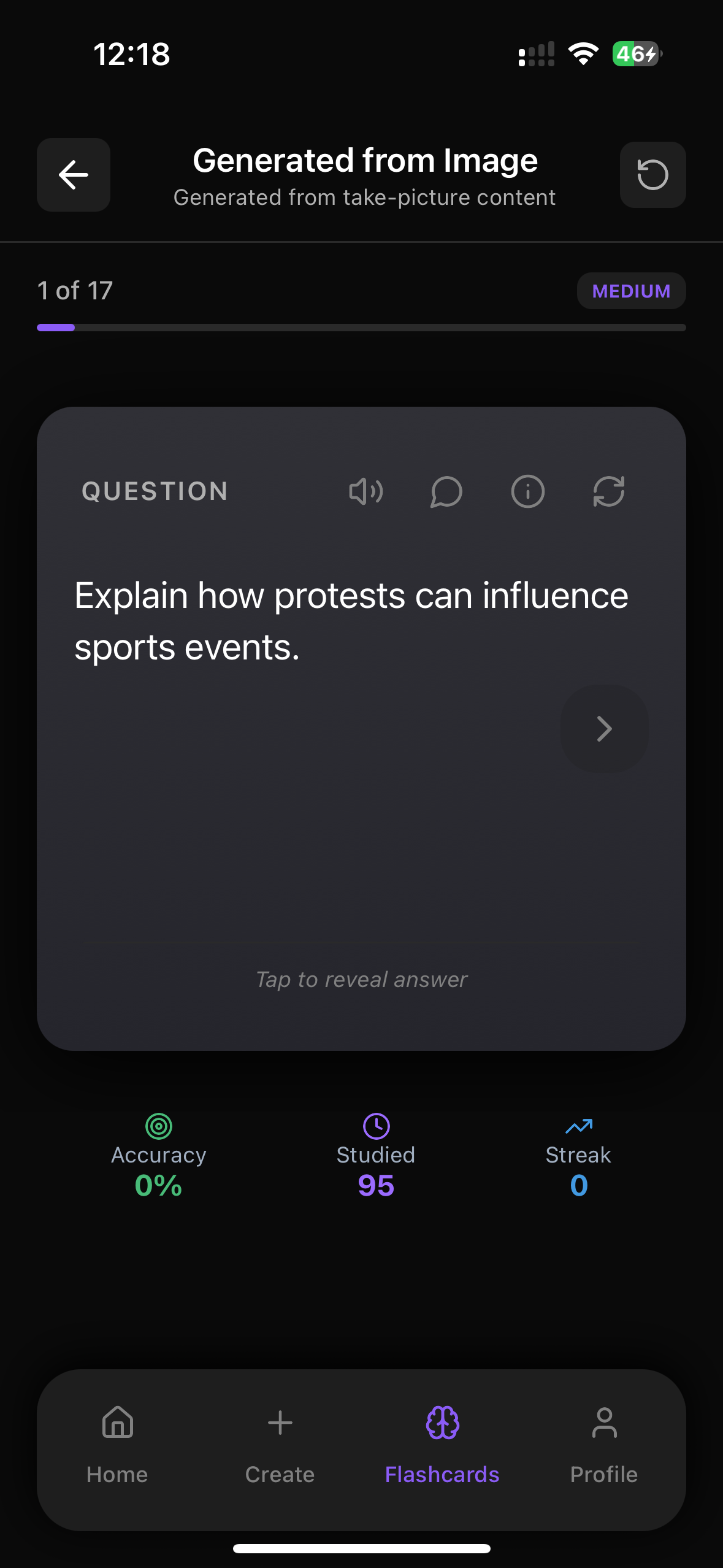
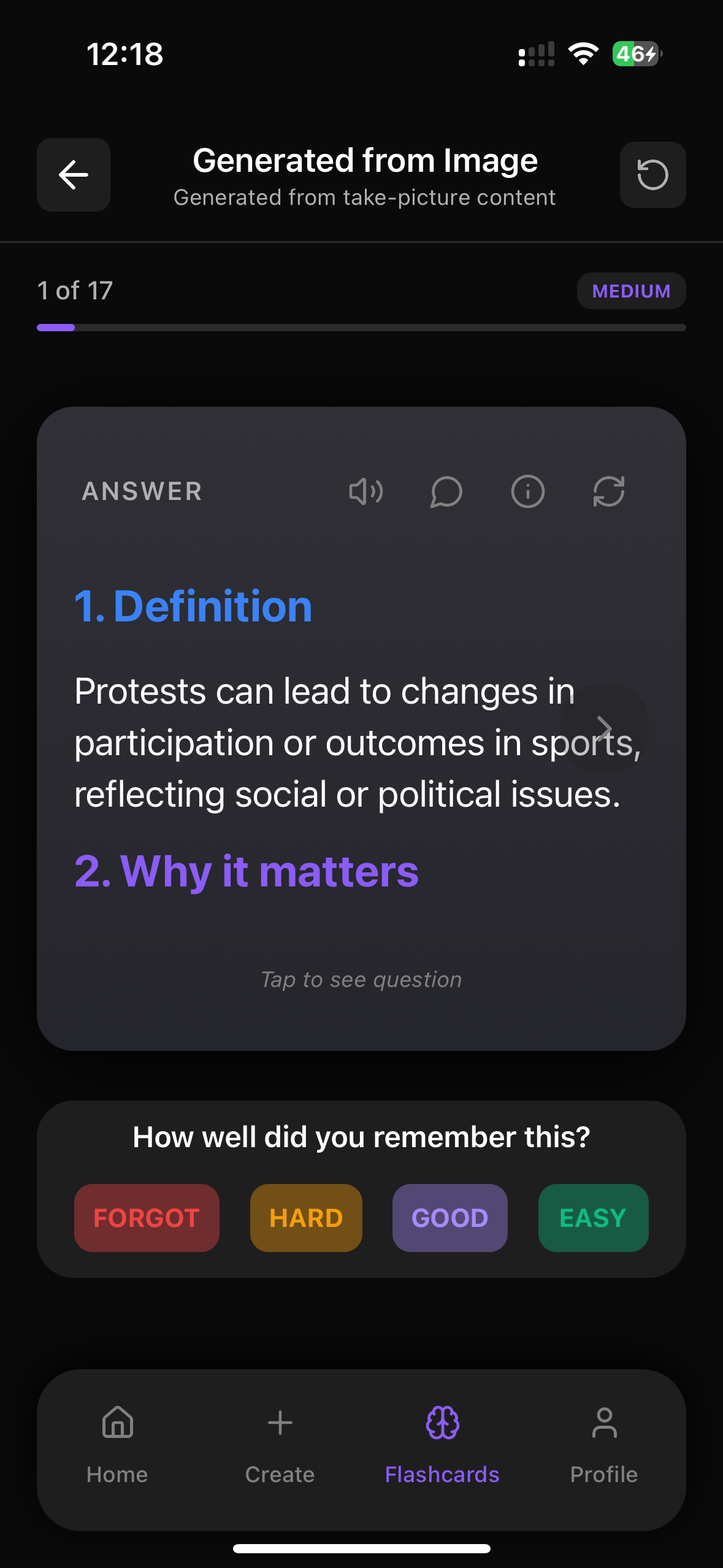
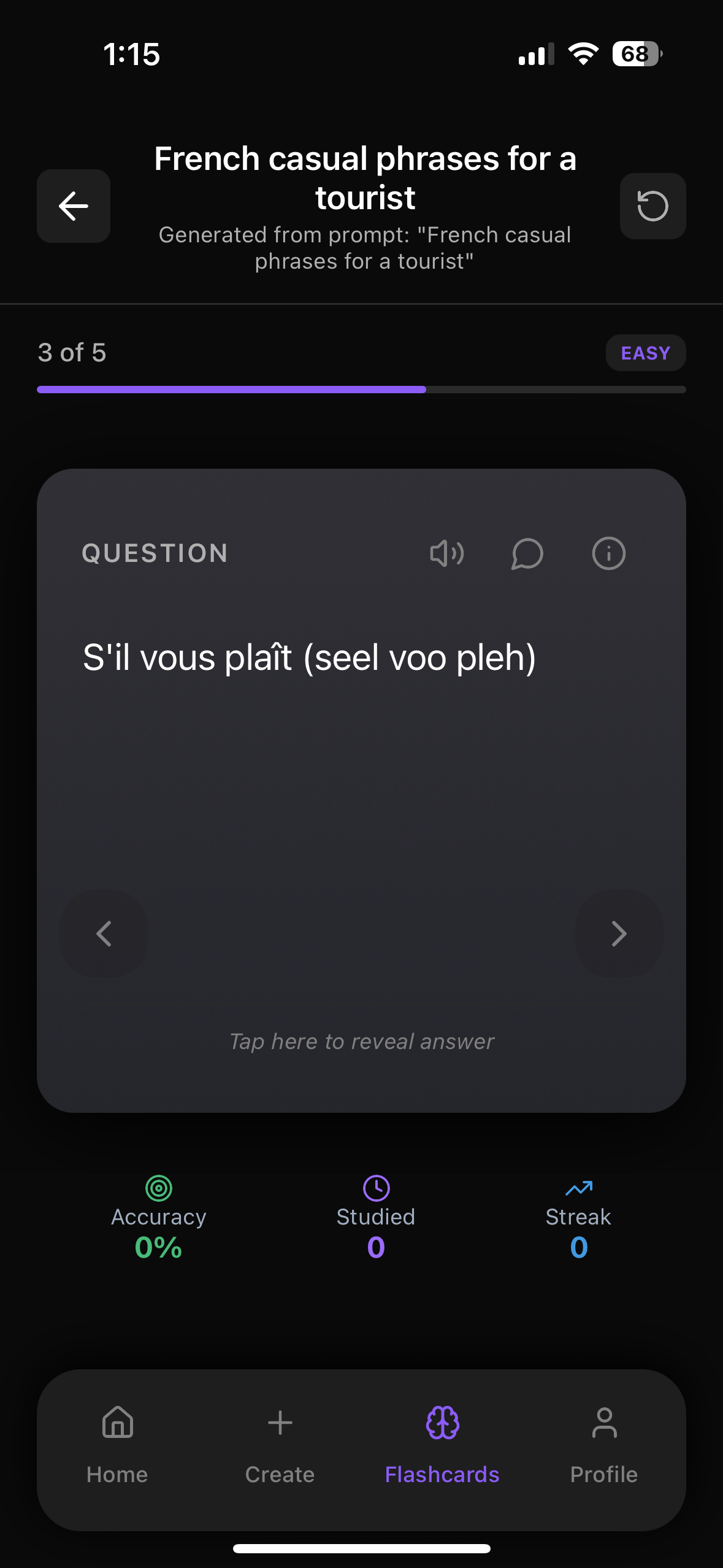
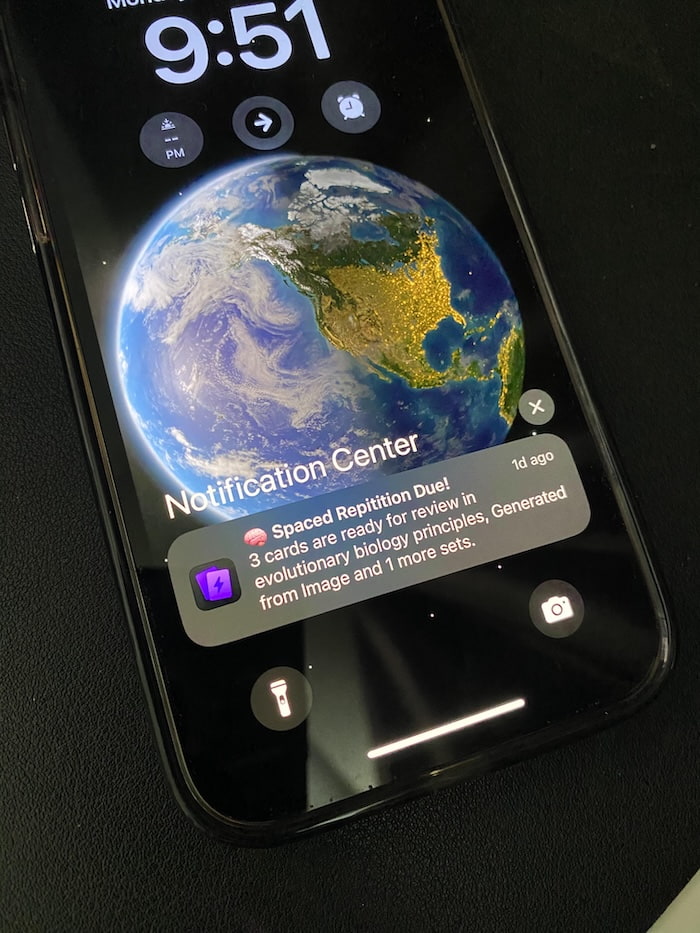
Flashrecall automatically keeps track and reminds you of the cards you don't remember well so you remember faster. Like this :
> Back: A full paragraph of notes
Good cards:
- “What year did the French Revolution begin?”
- “Name 2 main causes of the French Revolution.”
- “What was the Estates-General?”
Smaller cards = easier to remember + easier to review.
Instead of this:
> Front: “Photosynthesis is the process by which plants…”
> Back: “convert light energy into chemical energy.”
Try:
> Front: “What is photosynthesis?”
> Back: “Process by which plants convert light energy into chemical energy.”
You want to be forced to think, not just vaguely recognize a sentence.
With Anki, you usually type everything by hand, or install add-ons to speed it up.
With Flashrecall, you can:
- Take a photo of textbook pages or notes → Flashrecall turns them into flashcards
- Import PDFs (lecture slides, handouts, exam prep books) → auto flashcards
- Paste a YouTube link → Flashcards generated from the content
- Paste text or type a prompt → Cards created for you
- Still create cards manually if you want full control
This is huge if you’re busy or just don’t want to spend hours making decks.
3. Studying With Anki: Daily Routine
The most important rule:
With Anki:
- You open the app
- Do your “due cards” for the day
- Try not to let reviews stack up (or you’ll drown in 1000+ cards)
With Flashrecall, this is smoother because:
- It has built-in spaced repetition – you don’t tweak settings; it just schedules reviews for you
- You get study reminders, so you don’t forget to open the app
- You can study offline, so train rides, flights, or bad Wi-Fi aren’t an excuse
Same memory science, less friction.
Anki vs Flashrecall: Which One Should You Use?
Let’s be real: Anki is great. It’s also very… “old-school software energy.”
Here’s how it stacks up against Flashrecall:
1. Ease of Use
- Anki:
- Steep learning curve
- Lots of settings, options, and add-ons
- Looks and feels dated
- Flashrecall:
- Clean, modern interface
- Fast and intuitive
- Designed so you can start in minutes, not hours
If you don’t want to spend your weekend watching “How to Use Anki” YouTube tutorials, Flashrecall is the easier win.
2. Creating Cards
- Anki:
- Mostly manual card creation
- Add-ons can help, but they’re extra setup
- Flashrecall:
- Instantly creates flashcards from:
- Images (textbook pages, whiteboards, notes)
- PDFs
- YouTube links
- Typed text or prompts
- Audio
- Or you can still create cards by hand if you like
This is especially powerful for medicine, law, engineering, and uni courses where you’re drowning in slides and PDFs.
3. Spaced Repetition & Reminders
Both use spaced repetition, but:
- Anki:
- You manually adjust intervals if you want
- No built-in push reminders unless you set up extra tools
- Flashrecall:
- Automatic spaced repetition with smart scheduling
- Auto reminders so you don’t fall off your routine
- You just open the app and do what’s due
You get the benefit of the algorithm without babysitting it.
4. Extra Learning Help
This is where Flashrecall really pulls ahead.
- Anki:
- Show card → you answer → show back → rate
- Flashrecall:
- Same active recall workflow
- Plus: you can chat with your flashcards
- Stuck on a concept? Ask questions right inside the app
- Need an explanation in simpler words? Just chat
- Great for tricky topics in medicine, math, physics, languages, and more
It’s like having a mini tutor attached to your deck.
5. Where You Can Use It
- Anki:
- Desktop (Windows, Mac, Linux)
- iOS app is paid
- Android is free but not official AnkiDroid
- Flashrecall:
- Works on iPhone and iPad
- Fast, modern, and syncs across devices
- Free to start
If you mostly study on mobile or tablet, Flashrecall feels much more natural.
How To Actually Learn Faster (Whether You Use Anki or Flashrecall)
Tools matter, but how you use them matters more. A few quick tips:
1. Study a Little Every Day
- 10–20 minutes daily beats 2 hours once a week
- Spaced repetition only works if you show up
Flashrecall’s study reminders help a lot here. Set a daily time and let the app nudge you.
2. Mix Subjects
You don’t have to do all medicine then all language then all business.
You can mix:
- 20 cards of anatomy
- 20 cards of pharmacology
- 20 cards of language vocab
Flashrecall handles any subject: languages, exams, school, university, medicine, business – whatever you’re learning.
3. Don’t Cram Giant Decks at Once
Start small:
- 10–30 new cards a day is plenty
- Focus on understanding first, then memorizing
If you’re using Flashrecall, you can quickly generate cards from your notes or slides, then learn them in small chunks with spaced repetition doing the heavy lifting.
A Simple Way To Start Today
If you want the classic, ultra-customizable, slightly nerdy experience:
→ Anki is solid, especially if you’re willing to spend time learning it.
If you want:
- Fast card creation from images, PDFs, YouTube, text, and audio
- Built-in active recall and spaced repetition
- Auto reminders so you don’t forget to study
- The ability to chat with your flashcards when you’re confused
- A modern, easy-to-use app that works great on iPhone and iPad
- And something that’s free to start
Then honestly, Flashrecall is the easier, more enjoyable option.
You can grab it here and start in a couple of minutes:
👉 https://apps.apple.com/us/app/flashrecall-study-flashcards/id6746757085
Use the ideas from this Anki guide—good card design, daily reviews, active recall—but let Flashrecall handle the boring parts for you.
Frequently Asked Questions
Is Anki good for studying?
Anki is powerful but requires manual card creation and has a steep learning curve. Flashrecall offers AI-powered card generation from your notes, images, PDFs, and videos, making it faster and easier to create effective flashcards.
What's the fastest way to create flashcards?
Manually typing cards works but takes time. Many students now use AI generators that turn notes into flashcards instantly. Flashrecall does this automatically from text, images, or PDFs.
How do I start spaced repetition?
You can manually schedule your reviews, but most people use apps that automate this. Flashrecall uses built-in spaced repetition so you review cards at the perfect time.
Related Articles
- Anki Study: 7 Powerful Tricks To Learn Faster (And a Simpler App Most Students Prefer) – If you love Anki’s results but hate the friction, this guide (and a better alternative) is for you.
- Markdown Flashcards: The Complete Guide To Faster Studying (And A Smarter Way To Do It) – Discover how to turn simple text into powerful flashcards that actually stick in your memory.
- Anki Flashcards Reddit: 7 Powerful Lessons Reddit Users Taught Me About Studying Smarter (And a Better Alternative)
Research References
The information in this article is based on peer-reviewed research and established studies in cognitive psychology and learning science.
Cepeda, N. J., Pashler, H., Vul, E., Wixted, J. T., & Rohrer, D. (2006). Distributed practice in verbal recall tasks: A review and quantitative synthesis. Psychological Bulletin, 132(3), 354-380
Meta-analysis showing spaced repetition significantly improves long-term retention compared to massed practice
Carpenter, S. K., Cepeda, N. J., Rohrer, D., Kang, S. H., & Pashler, H. (2012). Using spacing to enhance diverse forms of learning: Review of recent research and implications for instruction. Educational Psychology Review, 24(3), 369-378
Review showing spacing effects work across different types of learning materials and contexts
Kang, S. H. (2016). Spaced repetition promotes efficient and effective learning: Policy implications for instruction. Policy Insights from the Behavioral and Brain Sciences, 3(1), 12-19
Policy review advocating for spaced repetition in educational settings based on extensive research evidence
Karpicke, J. D., & Roediger, H. L. (2008). The critical importance of retrieval for learning. Science, 319(5865), 966-968
Research demonstrating that active recall (retrieval practice) is more effective than re-reading for long-term learning
Roediger, H. L., & Butler, A. C. (2011). The critical role of retrieval practice in long-term retention. Trends in Cognitive Sciences, 15(1), 20-27
Review of research showing retrieval practice (active recall) as one of the most effective learning strategies
Dunlosky, J., Rawson, K. A., Marsh, E. J., Nathan, M. J., & Willingham, D. T. (2013). Improving students' learning with effective learning techniques: Promising directions from cognitive and educational psychology. Psychological Science in the Public Interest, 14(1), 4-58
Comprehensive review ranking learning techniques, with practice testing and distributed practice rated as highly effective

FlashRecall Team
FlashRecall Development Team
The FlashRecall Team is a group of working professionals and developers who are passionate about making effective study methods more accessible to students. We believe that evidence-based learning tec...
Credentials & Qualifications
- •Software Development
- •Product Development
- •User Experience Design
Areas of Expertise
Ready to Transform Your Learning?
Start using FlashRecall today - the AI-powered flashcard app with spaced repetition and active recall.
Download on App Store