Anki Kaplan MCAT: Why Most Pre-Meds Are Switching to Smarter Flashcards to Score Higher – Learn Faster, Waste Less Time, and Actually Remember the Content
Anki Kaplan MCAT sounds perfect, but the setup, trash shared decks, and 500+ daily reviews burn people out. See what actually works and easier apps to try.
How Flashrecall app helps you remember faster. It's free
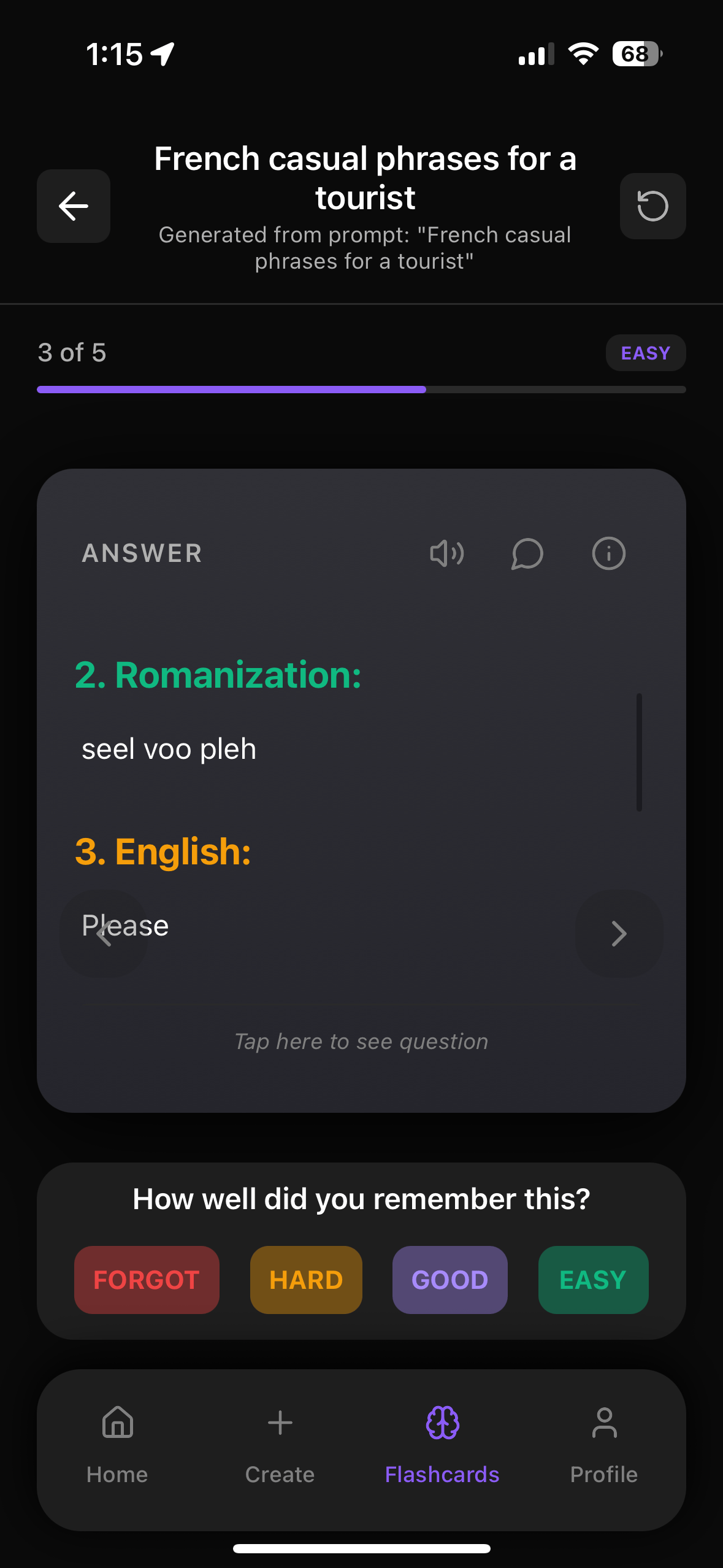
So… Is “Anki Kaplan MCAT” Actually the Best Way to Study?
Alright, let's talk about this straight: when people say “anki kaplan mcat”, they usually mean using Kaplan MCAT content inside Anki decks to prep for the exam. It’s basically taking Kaplan’s passages, questions, or summaries and turning them into spaced repetition flashcards so you don’t forget the high-yield stuff. That combo works, but it can also get clunky, time-consuming, and kind of overwhelming with all the add-ons and setup. A lot of students are now using simpler apps like Flashrecall to get the same spaced repetition benefits without fighting the software every day:
https://apps.apple.com/us/app/flashrecall-study-flashcards/id6746757085
Let’s break down how Kaplan + Anki works, what’s good about it, what sucks about it, and how you can get the same (or better) results with way less friction.
What People Mean by “Anki Kaplan MCAT”
When you see “anki kaplan mcat” in Reddit threads or Discord servers, it usually refers to one of these:
- Using Kaplan books and turning the content into Anki cards yourself
- Downloading shared decks that are “based on Kaplan”
- Making cloze deletions (fill-in-the-blank cards) from Kaplan chapter summaries
- Using Kaplan’s Qbank or practice questions and turning wrong answers into cards
The idea is solid:
- Kaplan gives you structured, comprehensive content
- Anki gives you spaced repetition so you don’t forget it
The problem? Anki can feel like a part-time job.
The Pros and Cons of Using Anki With Kaplan for MCAT
Pros
- Spaced repetition = long-term memory
You’ll see hard cards more often and easy ones less often. Great for MCAT’s insane detail level.
- You control the content
You can choose exactly what goes into your deck: Kaplan diagrams, definitions, pathways, formulas.
- Tons of shared decks
There are big decks floating around that claim to be “Kaplan-based” or “Kaplan-mapped.”
Cons
- Setup is painful
Getting Anki to feel smooth on iOS can be annoying: syncing, add-ons (desktop only), clunky interface.
- Kaplan-based decks aren’t always accurate
Not all shared decks are actually aligned with your edition of Kaplan or current AAMC content.
- Card quality can be trash
Overloaded cards, copy-pasted paragraphs, no active recall—just passive rereading disguised as “studying.”
- Review sessions become overwhelming
Hundreds of reviews per day, and if you miss a few days, you’re buried.
This is why a lot of people start with “anki kaplan mcat” and then quietly quit Anki halfway through C/P.
Why Some Students Are Moving Away From Anki for MCAT
You’ll see this pattern all over r/MCAT:
1. Start super hyped about Anki
2. Download 10 decks
3. Get 500+ reviews per day
4. Fall behind
5. Feel guilty and burned out
6. Stop using it entirely
The problem usually isn’t spaced repetition—that part is great.
The problem is workflow and friction:
- Too many steps to make good cards
- Interface feels old and clunky on mobile
- Hard to quickly turn Kaplan content into cards without breaking your flow
- No built-in “chat” or explanation if you forget why something is true
That’s where a simpler, more modern app can actually make your life easier.
How Flashrecall Fits Into the “Anki Kaplan MCAT” Conversation
If you like the idea of Anki + Kaplan but hate the hassle, this is where Flashrecall comes in.
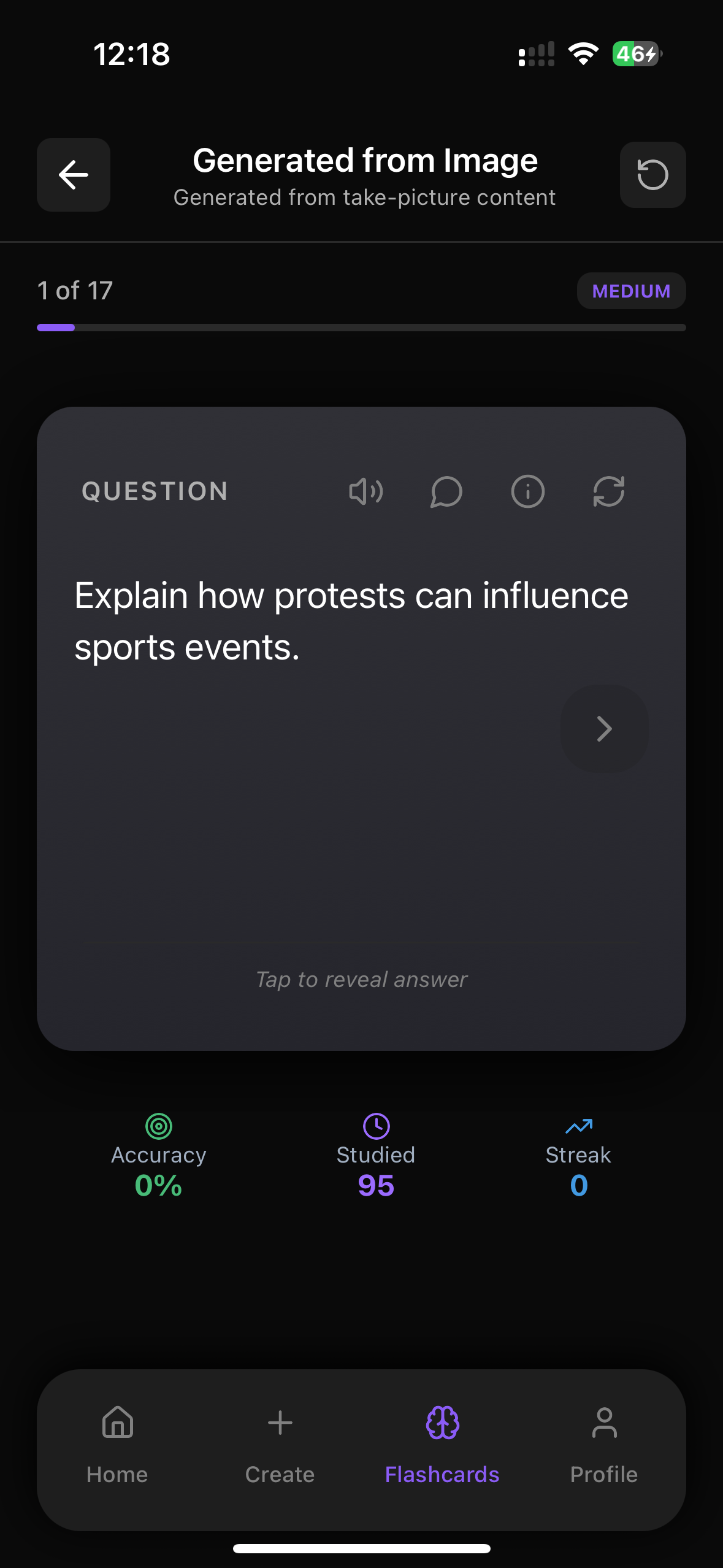
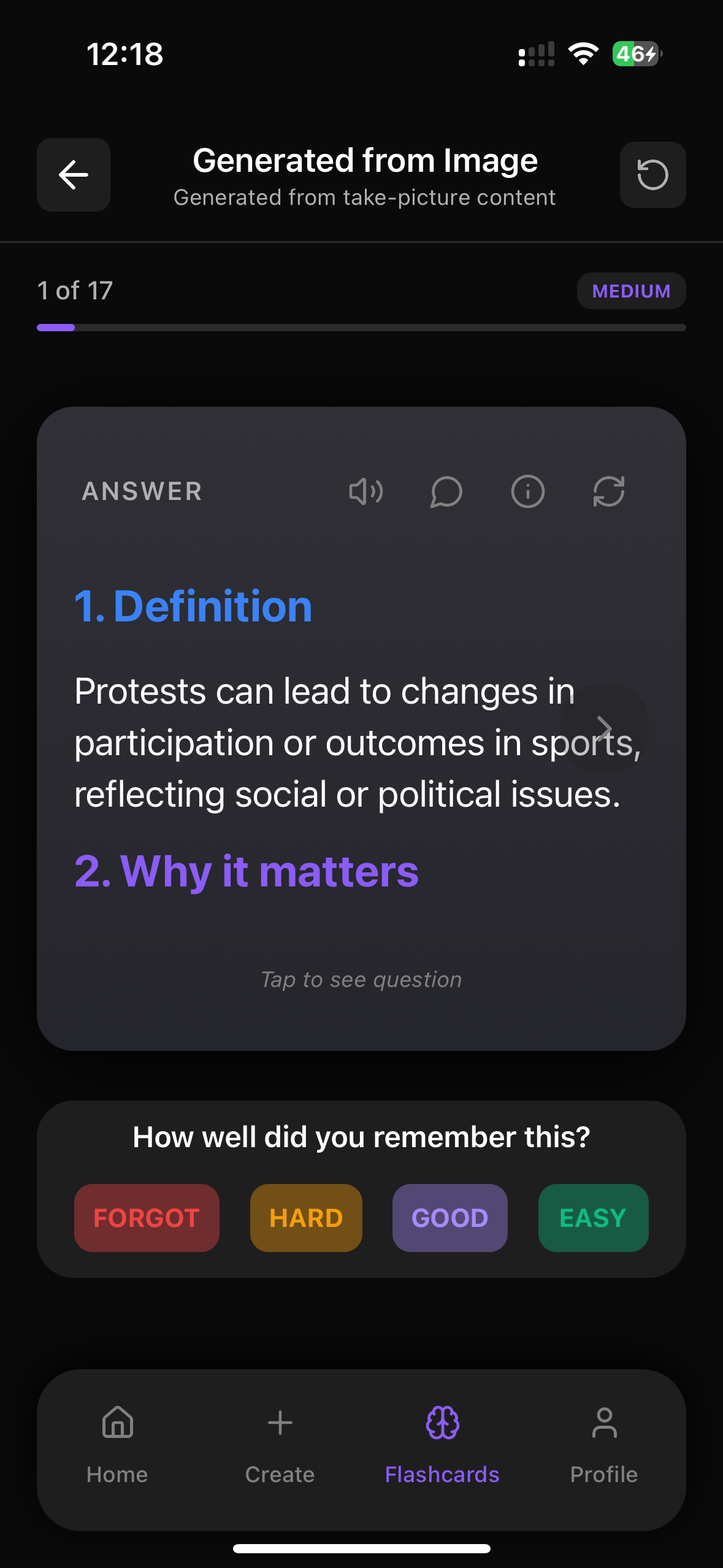
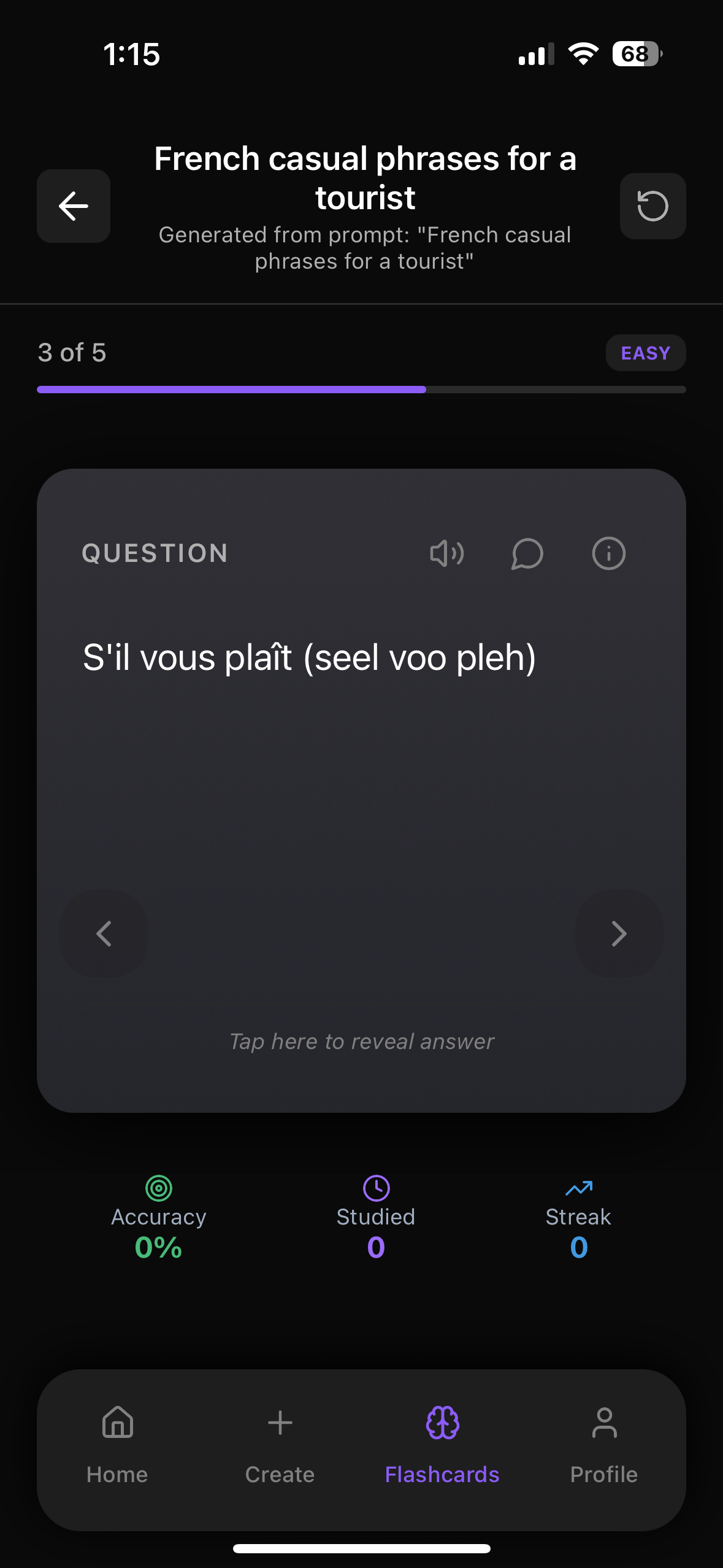
Flashrecall automatically keeps track and reminds you of the cards you don't remember well so you remember faster. Like this :
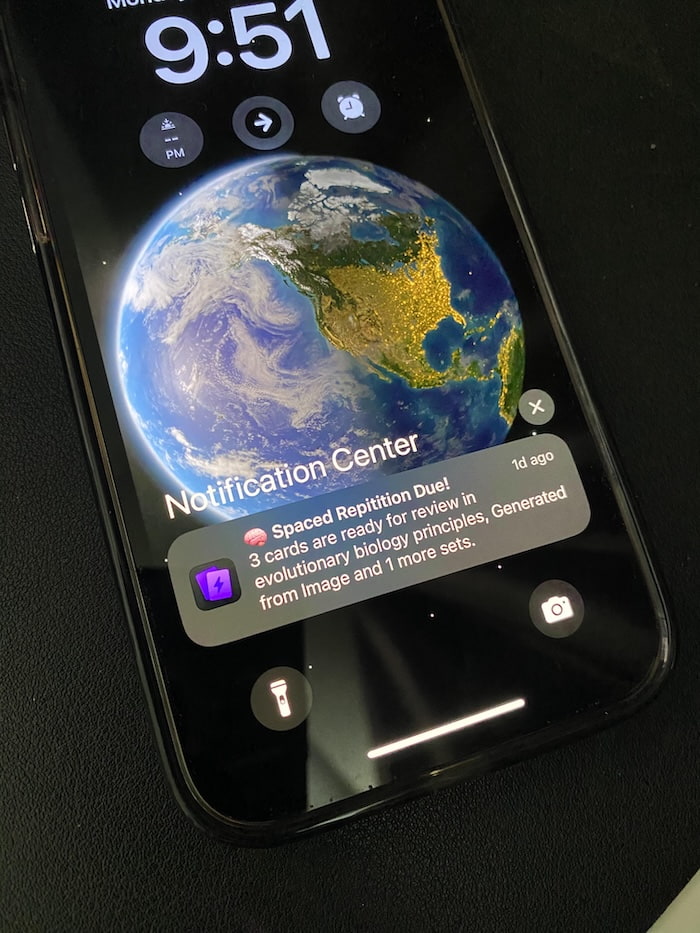
Flashrecall is a modern flashcard app that still gives you spaced repetition and active recall, but with a smoother, faster workflow designed for actual humans with actual burnout.
You can grab it here:
https://apps.apple.com/us/app/flashrecall-study-flashcards/id6746757085
Here’s how it helps with MCAT prep specifically:
1. Turn Kaplan Content Into Cards in Seconds
Instead of manually typing every single detail into Anki:
- Take a photo of a Kaplan page → Flashrecall can turn it into flashcards
- Paste text or PDF content from Kaplan books → auto-generate cards
- Use YouTube links (for MCAT videos) → pull key ideas into cards
- Or just type your own cards if you prefer total control
You’re not stuck doing data entry for hours. You can actually focus on understanding the material.
2. Built-In Spaced Repetition (Without You Babysitting It)
Flashrecall has automatic spaced repetition with reminders, so:
- Hard cards show up more often
- Easy cards are spaced out
- You get study reminders so you don’t forget your decks entirely
- You never have to manually tweak intervals or dig through settings
It’s the same core idea people love about Anki… just without the settings rabbit hole.
3. Active Recall That Doesn’t Feel Like Torture
Flashrecall is built around active recall (like Anki), but it’s more flexible:
- Simple, clean interface on iPhone and iPad
- Works offline, so you can review on the train, in a café, or between classes
- You can chat with the flashcard if you’re unsure and want extra explanation
That last one is huge for MCAT: if you forgot why a pathway works a certain way, you can ask instead of just shrugging and moving on.
Flashrecall vs Anki for Kaplan MCAT: Quick Comparison
| Feature | Anki + Kaplan MCAT | Flashrecall + Kaplan MCAT |
|---|---|---|
| Spaced repetition | Yes, but must configure settings | Yes, built-in with smart auto reminders |
| Card creation from books/images | Manual typing or add-ons | Instantly from images, text, PDFs, YouTube links |
| Mobile experience (iOS) | Functional but clunky UI | Fast, modern, easy to use on iPhone and iPad |
| Learning support | Just cards | Cards + ability to chat with the content if you’re unsure |
| Setup time | High (especially with add-ons, decks) | Very low – download app, start making/studying cards |
| Works offline | Yes (if synced) | Yes, works offline out of the box |
| Cost | Free desktop, paid mobile app | Free to start on iOS |
You still get the core advantages of “anki kaplan mcat” (spaced repetition + strong content), but with way less friction.
How to Use Kaplan MCAT Content Effectively With Flashrecall
Here’s a simple workflow that works really well:
Step 1: Do a Kaplan Read or Video First
Don’t turn every sentence into a card. Instead:
- Read a Kaplan chapter or watch a related video
- Highlight or mark the high-yield concepts:
- Equations
- Definitions
- Pathways
- Exceptions and “trick” details
Step 2: Turn Those Into Flashcards (Fast)
In Flashrecall, you can:
- Snap a photo of the key section in the Kaplan book → auto-generate cards
- Paste summaries or notes and let Flashrecall help create question–answer style cards
- Create manual cards for formulas and conceptual questions
Keep each card focused on one idea:
- “What happens to X when Y increases?”
- “What is the function of Z?”
- “Name the steps of [pathway].”
Step 3: Let Spaced Repetition Handle the Timing
Flashrecall will:
- Schedule reviews automatically
- Nudge you with study reminders so you don’t ghost your decks
- Surface the stuff you keep forgetting more often
You just open the app, hit study, and go.
Step 4: Use Chat When You’re Stuck
If you see a card and think, “I have no idea why that’s true”:
- Use the chat with flashcard feature
- Ask for clarification, examples, or a simpler explanation
This is especially good for C/P and B/B where the logic behind the answer matters more than just memorizing a line from Kaplan.
What About Existing Anki Kaplan MCAT Decks?
If you already have Anki decks based on Kaplan, you’ve got options:
- Keep using Anki if it genuinely works for you
- Or slowly migrate your best cards into Flashrecall by:
- Copy-pasting your most important Q&A pairs
- Rebuilding only the high-yield, actually-useful cards
- Skipping the bloated or low-yield stuff
Think of it as spring-cleaning your MCAT brain.
Who Should Stick With Anki vs Switch to Flashrecall?
- You genuinely enjoy tinkering with settings and add-ons
- You already have a stable system that you consistently use
- You’re deep into a well-structured Anki workflow and it doesn’t stress you out
- You like the idea of “anki kaplan mcat” but hate the setup and clutter
- Your Anki reviews are overwhelming or you keep falling off
- You want something fast, modern, and easy on iOS
- You want to turn Kaplan pages, PDFs, or YouTube explanations into cards in seconds
You can grab Flashrecall here and test it out for free:
https://apps.apple.com/us/app/flashrecall-study-flashcards/id6746757085
Final Thoughts: You Don’t Need Complicated Tools to Crush the MCAT
You don’t get extra points on the MCAT for using the most complicated app.
The “anki kaplan mcat” combo can work really well—but only if you can actually stick with it consistently. If the tool is getting in the way of the studying, it’s not helping.
What you really need is:
- Good content (Kaplan, AAMC, UWorld, etc.)
- Solid active recall and spaced repetition
- A system that’s simple enough that you’ll actually use it every day
Flashrecall gives you all of that with way less friction:
- Make flashcards instantly from images, text, PDFs, YouTube
- Built-in spaced repetition and study reminders
- Active recall baked into every session
- Chat with your cards when you’re confused
- Works offline, on iPhone and iPad, free to start
Use whatever tool helps you show up daily and remember what matters. If Anki is that for you, great. If not, Flashrecall is a seriously good alternative to keep all that Kaplan MCAT content in your brain long enough to crush test day.
Frequently Asked Questions
Is Anki good for studying?
Anki is powerful but requires manual card creation and has a steep learning curve. Flashrecall offers AI-powered card generation from your notes, images, PDFs, and videos, making it faster and easier to create effective flashcards.
What's the fastest way to create flashcards?
Manually typing cards works but takes time. Many students now use AI generators that turn notes into flashcards instantly. Flashrecall does this automatically from text, images, or PDFs.
How do I start spaced repetition?
You can manually schedule your reviews, but most people use apps that automate this. Flashrecall uses built-in spaced repetition so you review cards at the perfect time.
How can I study more effectively for this test?
Effective exam prep combines active recall, spaced repetition, and regular practice. Flashrecall helps by automatically generating flashcards from your study materials and using spaced repetition to ensure you remember everything when exam day arrives.
Related Articles
- Anki MCAT: The Complete Flashcard Strategy Most Pre-Meds Get Wrong (And What To Do Instead) – Learn how to actually remember your MCAT content instead of drowning in decks.
- Anki For MCAT: 7 Powerful Flashcard Secrets Most Premeds Don’t Know (And a Faster Alternative) – Use these proven strategies (and a better app) to memorize MCAT content without burning out.
- Kaplan MCAT Flashcards App Alternatives: The Best Way To Actually Remember Everything For Test Day – Stop flipping random cards and start using smarter MCAT flashcards that focus on what you forget most.
Research References
The information in this article is based on peer-reviewed research and established studies in cognitive psychology and learning science.
Cepeda, N. J., Pashler, H., Vul, E., Wixted, J. T., & Rohrer, D. (2006). Distributed practice in verbal recall tasks: A review and quantitative synthesis. Psychological Bulletin, 132(3), 354-380
Meta-analysis showing spaced repetition significantly improves long-term retention compared to massed practice
Carpenter, S. K., Cepeda, N. J., Rohrer, D., Kang, S. H., & Pashler, H. (2012). Using spacing to enhance diverse forms of learning: Review of recent research and implications for instruction. Educational Psychology Review, 24(3), 369-378
Review showing spacing effects work across different types of learning materials and contexts
Kang, S. H. (2016). Spaced repetition promotes efficient and effective learning: Policy implications for instruction. Policy Insights from the Behavioral and Brain Sciences, 3(1), 12-19
Policy review advocating for spaced repetition in educational settings based on extensive research evidence
Karpicke, J. D., & Roediger, H. L. (2008). The critical importance of retrieval for learning. Science, 319(5865), 966-968
Research demonstrating that active recall (retrieval practice) is more effective than re-reading for long-term learning
Roediger, H. L., & Butler, A. C. (2011). The critical role of retrieval practice in long-term retention. Trends in Cognitive Sciences, 15(1), 20-27
Review of research showing retrieval practice (active recall) as one of the most effective learning strategies
Dunlosky, J., Rawson, K. A., Marsh, E. J., Nathan, M. J., & Willingham, D. T. (2013). Improving students' learning with effective learning techniques: Promising directions from cognitive and educational psychology. Psychological Science in the Public Interest, 14(1), 4-58
Comprehensive review ranking learning techniques, with practice testing and distributed practice rated as highly effective

FlashRecall Team
FlashRecall Development Team
The FlashRecall Team is a group of working professionals and developers who are passionate about making effective study methods more accessible to students. We believe that evidence-based learning tec...
Credentials & Qualifications
- •Software Development
- •Product Development
- •User Experience Design
Areas of Expertise
Ready to Transform Your Learning?
Start using FlashRecall today - the AI-powered flashcard app with spaced repetition and active recall.
Download on App Store