Anki Surgery: How To Actually Learn Operations Faster (And The Smarter Flashcard Alternative) – Stop drowning in random cards and build a surgical deck that actually sticks in your brain.
Anki surgery sounds great until you’re drowning in 10k ugly cards. See how to fix your decks, use spaced repetition right, and when Flashrecall beats Anki.
How Flashrecall app helps you remember faster. It's free
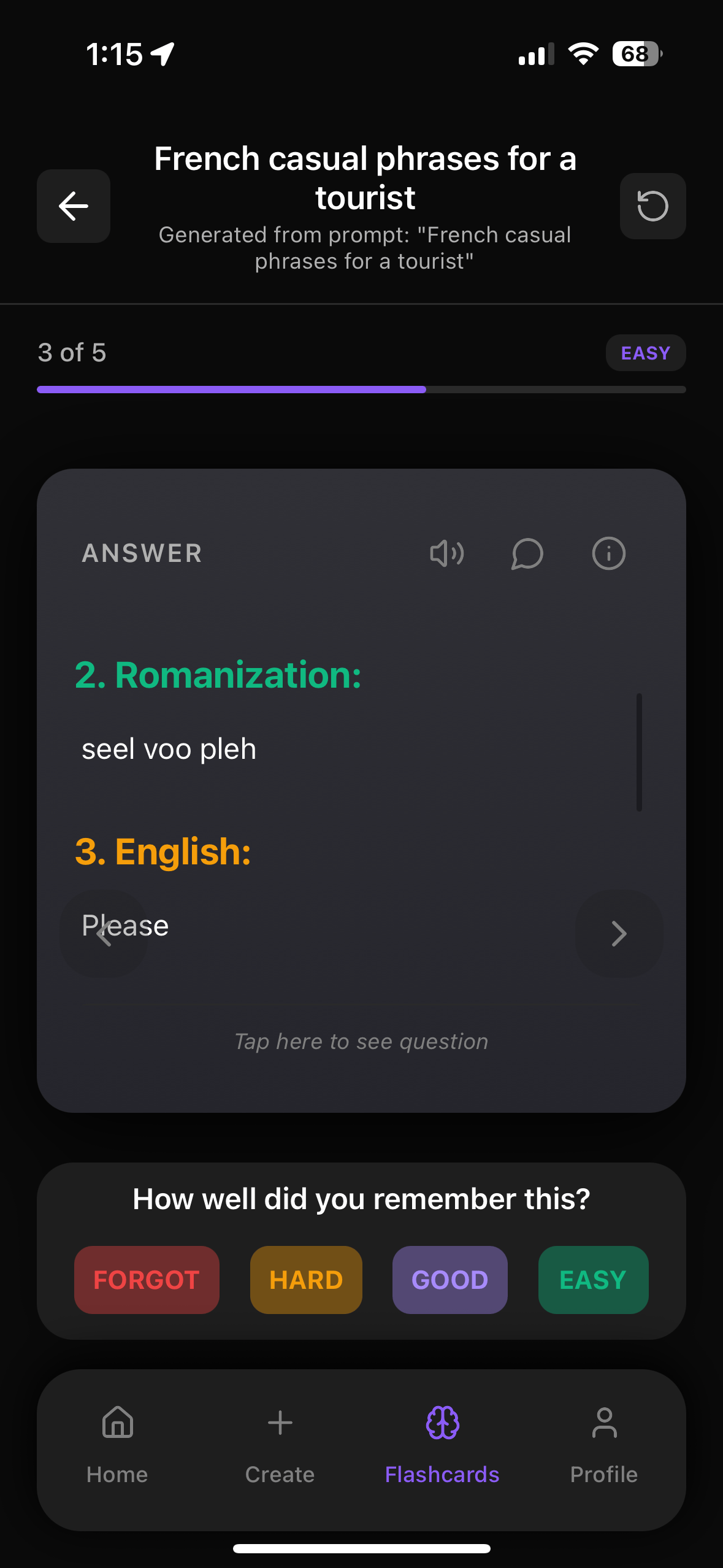
So… What Even Is “Anki Surgery”?
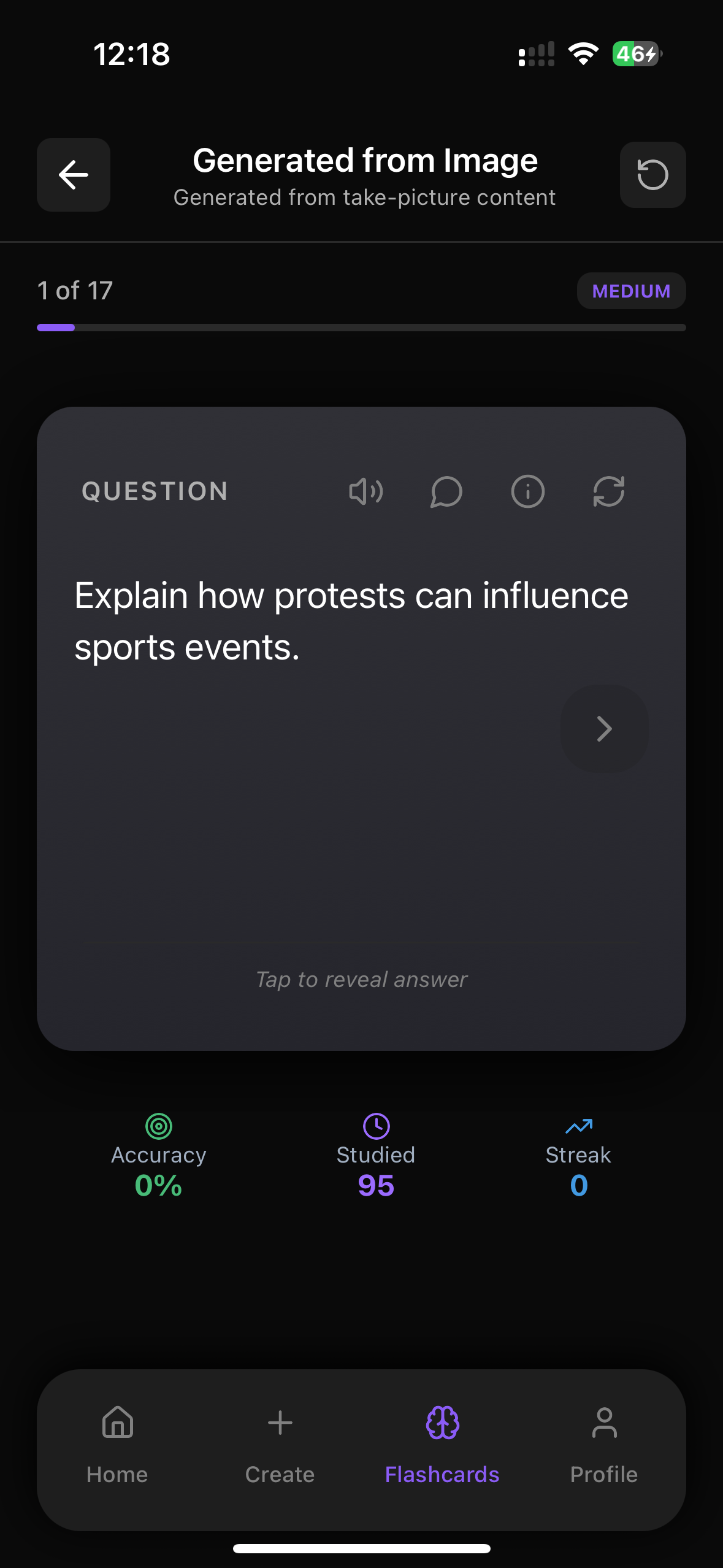
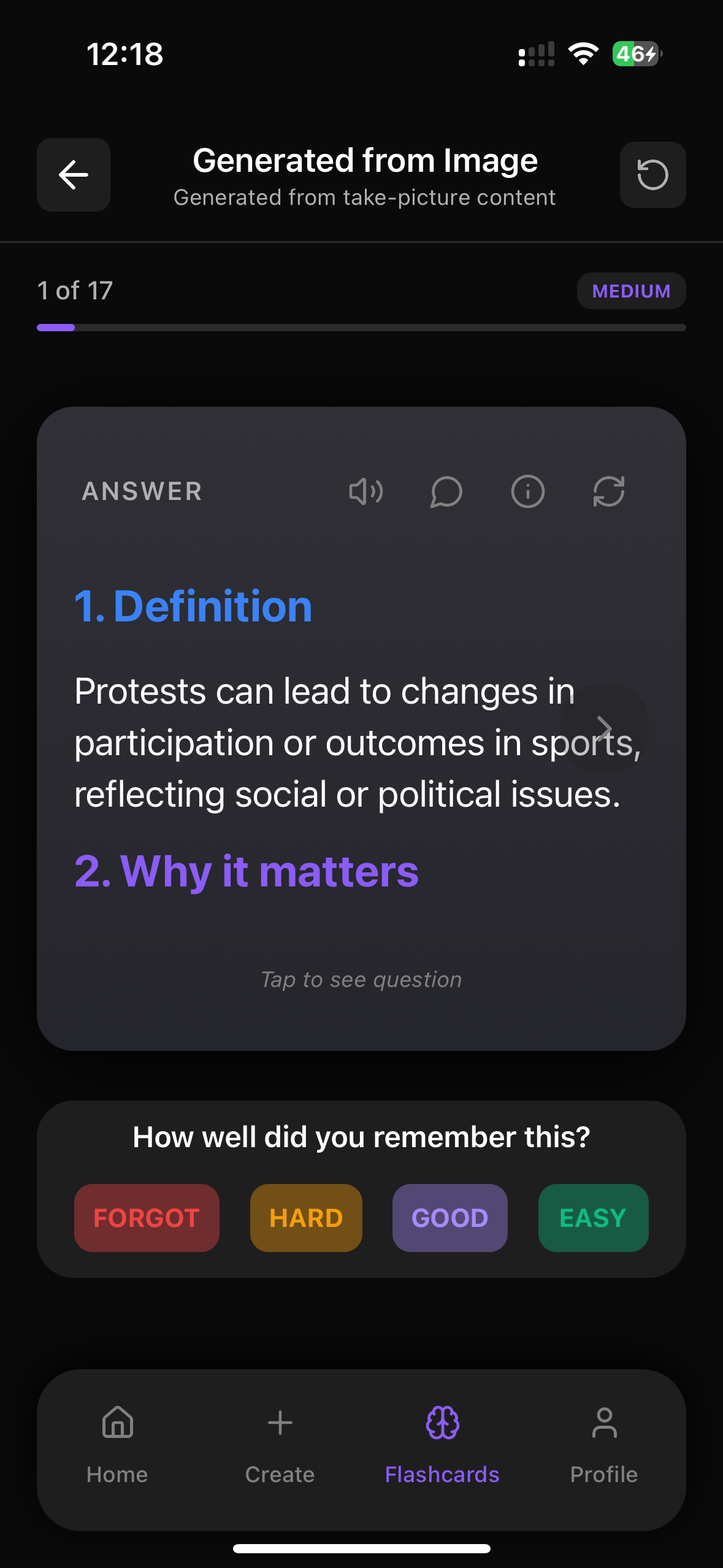
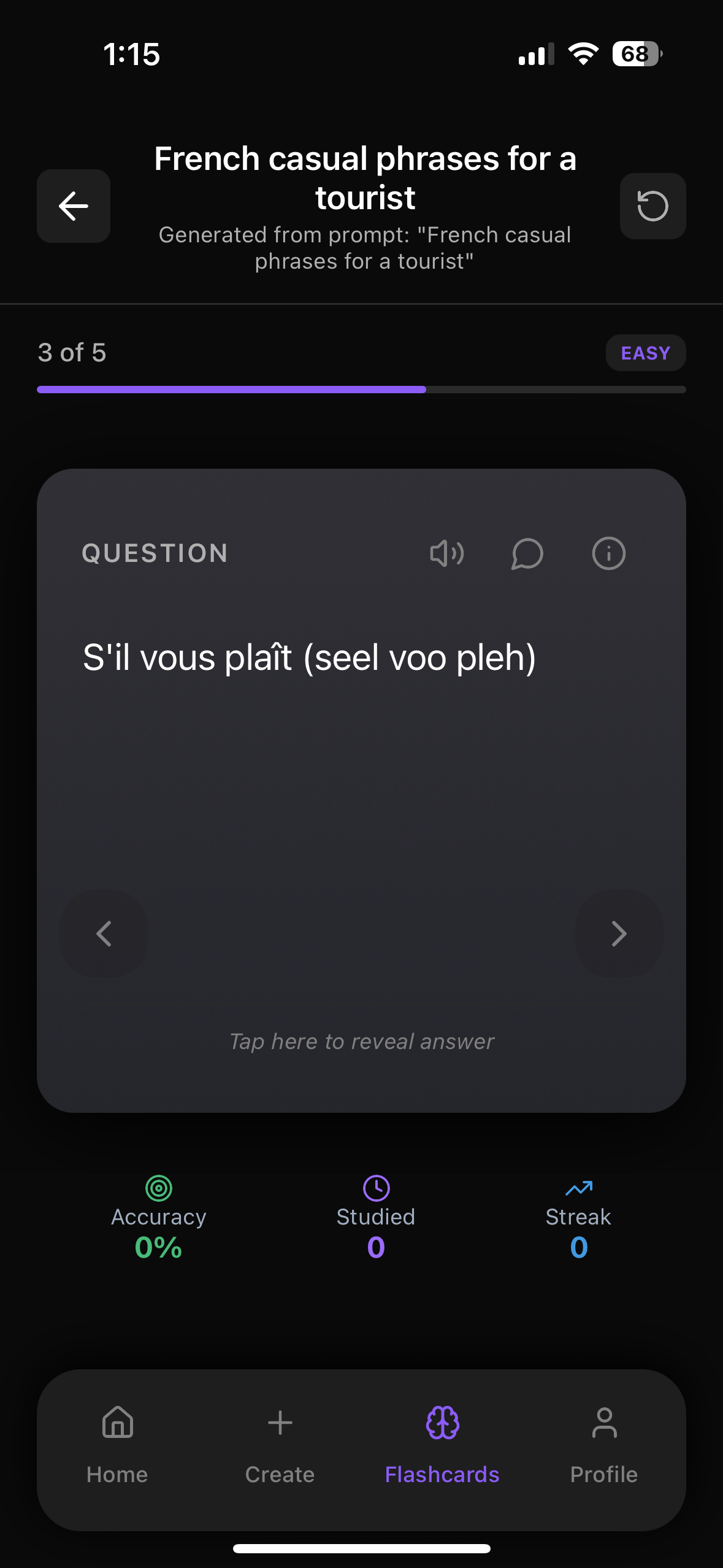
Alright, let’s talk about anki surgery because it confuses a lot of med students. Anki surgery usually means using Anki (or any flashcard app) to learn surgical knowledge – stuff like anatomy, approaches, complications, postop care – using spaced repetition. People build or download surgery decks so they don’t forget key facts before exams or rotations. It matters because surgery is insanely detail-heavy, and without a system, you forget 80% of what you read in a week. Apps like Anki or Flashrecall help you turn lectures, texts, and videos into flashcards so you can actually remember what you study instead of re-reading the same chapter 10 times.
If you like the idea of surgery flashcards but want something faster and more modern than classic Anki, you should seriously try Flashrecall:
https://apps.apple.com/us/app/flashrecall-study-flashcards/id6746757085
Let’s break down how to study surgery with flashcards properly – and how to make it way less painful.
Why Flashcards Work So Well For Surgery
Surgery is brutal because it’s a mix of:
- Hard facts – anatomy, indications, contraindications
- Protocols – pre-op workup, postop care, antibiotic choices
- Pattern recognition – “If the patient looks like this on day 3 postop, think X”
Reading a surgery textbook once won’t cut it. Your brain needs repeated exposure spaced over time (spaced repetition) plus active recall (forcing yourself to remember, not just reread).
Flashcards do exactly that:
- You see a question (e.g. “Complications of thyroidectomy?”)
- You try to recall the answer
- The app schedules the card to come back just before you forget it
That’s why apps like Anki became huge in medicine. But classic Anki can feel clunky, especially on mobile, and setting it up for surgery can be a time sink.
That’s where Flashrecall makes life easier: it bakes in spaced repetition, active recall, and reminders without you needing to fiddle with settings.
Anki Surgery vs Flashrecall: What’s The Difference?
You’ve probably seen Reddit posts like “best Anki surgery deck” or “how to use Anki for surgery shelf.” The concept is solid. But let’s be real about what using Anki for surgery usually looks like:
The Typical “Anki Surgery” Experience
- Download a huge premade deck (10k+ cards)
- Half the cards are too detailed or not relevant to your exam
- Cards are often ugly, inconsistent, or poorly worded
- Syncing between devices can be annoying
- You feel guilty constantly because your reviews pile up
You can make Anki work, but it takes a lot of tweaking.
How Flashrecall Makes Surgery Studying Less Painful
- Super fast card creation
- Snap a photo of a slide / textbook → Flashrecall turns it into cards
- Paste in text, PDFs, or YouTube links → auto-generated flashcards
- You can still make cards manually if you want full control
- Built-in spaced repetition (no setup)
- The app automatically schedules reviews
- You get study reminders, so you don’t forget your cards like you forget postop orders
- Chat with your flashcards
- Unsure about a concept? You can chat with the card to get more explanation
- Great for tricky surgical path, complications, or guidelines
- Works offline
- Perfect for studying during long calls, on the bus, or hiding in the residents’ room
- Fast, modern, and actually nice to use
- Clean UI on iPhone and iPad
- Free to start, so you can try it without committing
Again, if you want to see how it feels:
https://apps.apple.com/us/app/flashrecall-study-flashcards/id6746757085
What To Actually Put In Your Surgery Flashcards
Doesn’t matter if you’re using Anki or Flashrecall – bad cards will still waste your time. Here’s what good surgery flashcards look like.
1. High-Yield Surgical Conditions
Focus on:
- Appendicitis, cholecystitis, pancreatitis
- Bowel obstruction, perforation, GI bleed
- Hernias, thyroid disease, breast disease, vascular stuff
Example cards:
- Q: Classic triad of acute cholecystitis?
- Q: First-line imaging for suspected appendicitis in kids?
2. Pre-Op & Post-Op Basics
Things that always show up:
- Pre-op workup (labs, imaging, cardiac risk)
- NPO rules, DVT prophylaxis
- Post-op fever causes (5 W’s)
- Wound complications
Example:
- Q: 5 W’s of postop fever?
3. Anatomy You Can’t Afford To Forget
Especially for surgery:
- Inguinal canal structures
- Vascular supply to GI organs
- Nerve injuries (e.g. radial, ulnar, recurrent laryngeal)
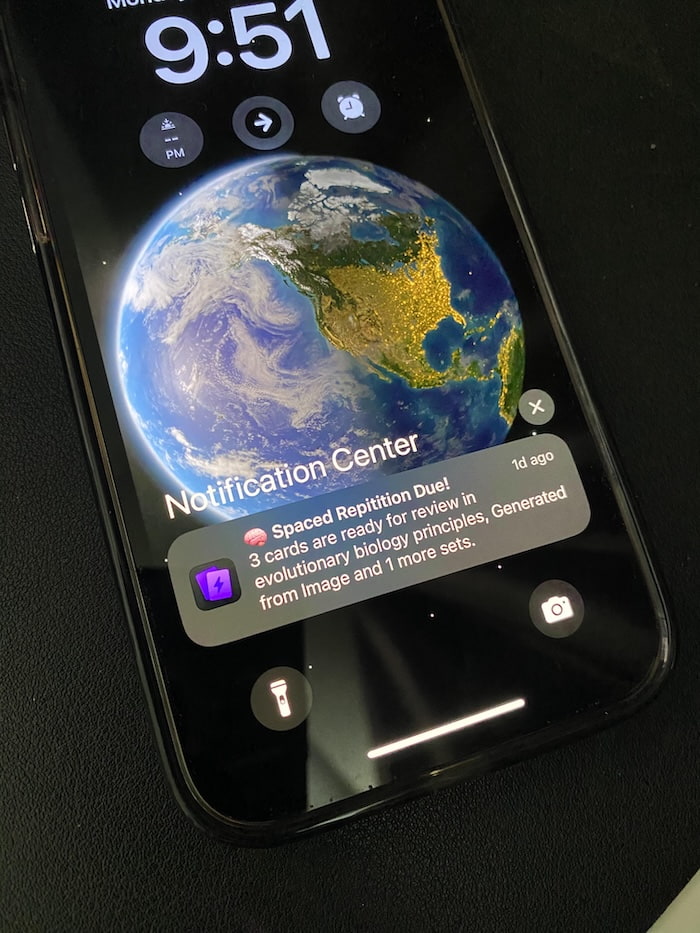
Flashrecall automatically keeps track and reminds you of the cards you don't remember well so you remember faster. Like this :
Example:
- Q: Nerve at risk in thyroidectomy that causes hoarseness?
How To Build A Simple Surgery Deck In Flashrecall (Step-By-Step)
You can totally do this in Anki, but Flashrecall makes the process smoother, especially on mobile.
Step 1: Pick Your Source
Use:
- Your surgery textbook or review book
- Lecture slides / PDFs
- YouTube videos (e.g. surgery shelf reviews)
Step 2: Turn Content Into Cards Instantly
In Flashrecall you can:
- Upload a PDF or screenshot of your lecture → Flashrecall generates flashcards from the content
- Paste a YouTube link of a surgery lecture → auto cards based on the video’s content
- Take a photo of a textbook page → instant card suggestions
You don’t have to manually type every single card, which is a lifesaver in busy rotations.
Step 3: Clean Up & Customize
Go through the generated cards and:
- Delete anything too low-yield
- Reword overly long answers
- Split huge cards into smaller ones
Think: one fact per card. Instead of this:
> “List all complications of thyroidectomy.”
Split into:
- Early complications of thyroidectomy
- Late complications of thyroidectomy
Step 4: Start Reviewing With Spaced Repetition
Once your deck is ready:
- Flashrecall automatically uses spaced repetition
- You get reminders when it’s time to review
- You don’t have to worry about manual settings or intervals
And if something confuses you while reviewing, you can chat with the flashcard to get a clearer explanation.
How Surgery Residents & Students Can Use Flashcards Differently
For Med Students (Shelf / OSCE / Exams)
Use flashcards to lock in:
- Classic presentations (“elderly male, smoker, painless hematuria → think…”)
- Diagnostic pathways (what imaging, what lab, what next step)
- Management algorithms (when to operate vs manage conservatively)
A simple routine:
- 20–30 minutes of new cards
- 20–30 minutes of reviews
- Do it daily with spaced repetition
Flashrecall will handle the scheduling and reminders so you can focus on not getting in the way in the OR.
For Surgery Residents
You’re juggling:
- Operative techniques
- Guidelines
- Complications and management
- Scores (e.g. MELD, APACHE, etc.)
You can:
- Snap photos of op notes, guidelines, or whiteboard teaching and turn them into cards
- Make quick cards after a case: “Key steps of [procedure] I learned today”
- Study offline on call when the OR is quiet
Anki Surgery Decks vs Making Your Own In Flashrecall
A lot of people ask: “Should I just download an Anki surgery deck or make my own?”
Premade Anki Surgery Decks – Pros & Cons
- Fast to start
- Covers a lot of content
- Not tailored to your lectures or exam style
- Can be bloated with irrelevant details
- You spend more time sorting than learning
Building Your Own Deck In Flashrecall
With Flashrecall, creating your own deck isn’t as painful because:
- It auto-generates cards from your actual materials
- You can add stuff on the fly from clinic or OR
- You can chat with cards when something doesn’t make sense
- It’s super quick on mobile, so you’re not stuck at a desktop
Custom decks = you remember stuff better because you chose what went in.
How To Not Burn Out With Surgery Flashcards
Flashcards are amazing, but if you overdo it, you’ll hate them. A few tips:
- Keep cards short – no essays
- Focus on high-yield exam and clinical facts
- Cap your new cards per day (e.g. 30–50)
- Actually delete cards that feel useless
- Use reminders, but don’t feel bad if you miss a day – just get back to it
Flashrecall helps here because it’s:
- Fast and modern – less friction to open and do 5–10 minutes
- On your iPhone and iPad, so it’s always with you
- Free to start – you can test it alongside your current Anki setup
So, Is “Anki Surgery” Enough?
Using “anki surgery” style decks is a solid strategy, but the app you use matters. You want:
- Spaced repetition
- Active recall
- Fast card creation
- Easy review on mobile
- Minimal friction
Anki can do a lot of this, but if you’re tired of clunky interfaces, syncing issues, or spending forever making cards, Flashrecall is honestly a smoother option for surgery.
You can:
- Make cards from images, PDFs, text, YouTube, or manually
- Get auto reminders and built-in spaced repetition
- Study offline on iPhone or iPad
- Chat with your cards when you’re unsure about something
- Use it for any subject – surgery, medicine, languages, business, whatever
If you’re serious about actually remembering surgery instead of just surviving it, try Flashrecall here:
https://apps.apple.com/us/app/flashrecall-study-flashcards/id6746757085
Set up a small surgery deck today, and future-you on call at 3 AM will be very grateful.
Frequently Asked Questions
Is Anki good for studying?
Anki is powerful but requires manual card creation and has a steep learning curve. Flashrecall offers AI-powered card generation from your notes, images, PDFs, and videos, making it faster and easier to create effective flashcards.
What's the fastest way to create flashcards?
Manually typing cards works but takes time. Many students now use AI generators that turn notes into flashcards instantly. Flashrecall does this automatically from text, images, or PDFs.
How do I start spaced repetition?
You can manually schedule your reviews, but most people use apps that automate this. Flashrecall uses built-in spaced repetition so you review cards at the perfect time.
How can I study more effectively for this test?
Effective exam prep combines active recall, spaced repetition, and regular practice. Flashrecall helps by automatically generating flashcards from your study materials and using spaced repetition to ensure you remember everything when exam day arrives.
Related Articles
- Anki Pathoma: The Ultimate Guide Med Students Use (And a Faster Flashcard Hack) – Turn Pathoma into high‑yield flashcards in minutes and actually remember it all.
- Anki Picture Flashcards: 7 Powerful Tricks To Learn Faster (And A Better Alternative) – Stop rereading notes and start using image-based flashcards that actually stick in your brain.
- Anki Cards Anatomy: How To Build Better Med School Decks And Actually Remember Stuff – Learn the simple anatomy flashcard tricks most students miss (and the smarter app that makes it way easier).
Research References
The information in this article is based on peer-reviewed research and established studies in cognitive psychology and learning science.
Cepeda, N. J., Pashler, H., Vul, E., Wixted, J. T., & Rohrer, D. (2006). Distributed practice in verbal recall tasks: A review and quantitative synthesis. Psychological Bulletin, 132(3), 354-380
Meta-analysis showing spaced repetition significantly improves long-term retention compared to massed practice
Carpenter, S. K., Cepeda, N. J., Rohrer, D., Kang, S. H., & Pashler, H. (2012). Using spacing to enhance diverse forms of learning: Review of recent research and implications for instruction. Educational Psychology Review, 24(3), 369-378
Review showing spacing effects work across different types of learning materials and contexts
Kang, S. H. (2016). Spaced repetition promotes efficient and effective learning: Policy implications for instruction. Policy Insights from the Behavioral and Brain Sciences, 3(1), 12-19
Policy review advocating for spaced repetition in educational settings based on extensive research evidence
Karpicke, J. D., & Roediger, H. L. (2008). The critical importance of retrieval for learning. Science, 319(5865), 966-968
Research demonstrating that active recall (retrieval practice) is more effective than re-reading for long-term learning
Roediger, H. L., & Butler, A. C. (2011). The critical role of retrieval practice in long-term retention. Trends in Cognitive Sciences, 15(1), 20-27
Review of research showing retrieval practice (active recall) as one of the most effective learning strategies
Dunlosky, J., Rawson, K. A., Marsh, E. J., Nathan, M. J., & Willingham, D. T. (2013). Improving students' learning with effective learning techniques: Promising directions from cognitive and educational psychology. Psychological Science in the Public Interest, 14(1), 4-58
Comprehensive review ranking learning techniques, with practice testing and distributed practice rated as highly effective

FlashRecall Team
FlashRecall Development Team
The FlashRecall Team is a group of working professionals and developers who are passionate about making effective study methods more accessible to students. We believe that evidence-based learning tec...
Credentials & Qualifications
- •Software Development
- •Product Development
- •User Experience Design
Areas of Expertise
Ready to Transform Your Learning?
Start using FlashRecall today - the AI-powered flashcard app with spaced repetition and active recall.
Download on App Store