Anki Vector GitHub: The Complete Beginner’s Guide To Mods, Code & Smarter Learning Robots – Find the best repos, understand how they work, and turn Vector into your tiny study buddy.
anki vector github isn’t just SDKs — it’s SDK wrappers, tools, dashboards, and fun hacks to make Vector talk, move, automate stuff, and even help you study.
How Flashrecall app helps you remember faster. It's free
So… What’s The Deal With Anki Vector GitHub?
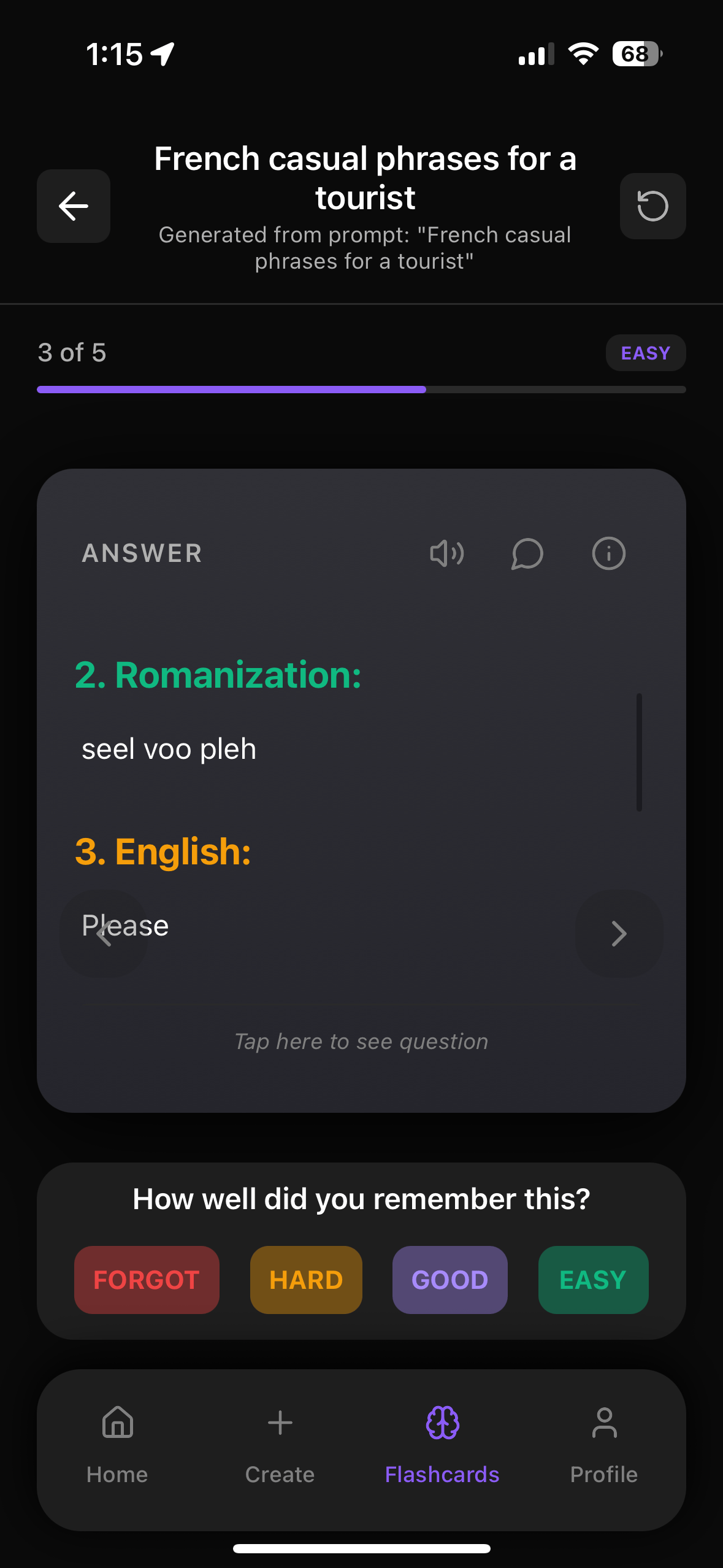
Alright, let’s talk about what people mean when they say “anki vector github”. It’s basically all the open‑source projects, tools, and code on GitHub that let you tweak, control, or extend your Anki Vector robot. Think custom skills, API wrappers, home automation integrations, and community fixes. The whole point is to give Vector new tricks beyond what it shipped with. And if you’re into learning or coding, you can even turn Vector into a fun study helper while using something like Flashrecall on your phone to handle the actual flashcards:
https://apps.apple.com/us/app/flashrecall-study-flashcards/id6746757085
Quick Overview: What Is Anki Vector And Why Is GitHub Involved?
Vector is that tiny, cute robot from Anki (later Digital Dream Labs) that can:
- Move around and explore
- Recognize faces
- Respond to voice commands
- Run simple “skills” or behaviors
When Anki shut down, the community basically said, “Nope, we’re not done with this robot,” and a bunch of devs started building tools and libraries on GitHub to keep Vector alive and hackable.
So “anki vector github” usually refers to:
- Python/Node/other language SDKs for talking to Vector
- Tools to connect Vector to your PC or server
- Projects that let you run custom commands or automations
- Example code for face detection, voice stuff, or games
If you like learning by doing, playing with these repos is actually a solid way to practice coding and automation.
The Main Types Of Anki Vector GitHub Projects
Let’s break down what you’ll actually find when you search GitHub.
1. SDK Wrappers And Libraries
These are the projects that give you nice functions instead of raw network calls.
Typical features:
- Connect to your Vector over Wi‑Fi
- Make him move, speak, or animate
- Access camera feed or sensor data
- React to events (like seeing a face)
Search terms to try on GitHub:
- `vector-sdk`
- `anki-vector-python`
- `anki-vector-api`
These repos are perfect if you want to:
- Learn Python/JavaScript with a physical robot
- Build mini projects like “Vector says my to‑do list”
- Trigger Vector actions from other apps or scripts
2. Tools, Dashboards, And Utilities
These are more “ready-to-use” tools, often with a UI:
- Web dashboards to control Vector
- Tools to manage multiple robots
- Scripts to back up or tweak settings
If you’re not super into coding but still want to do more with Vector, these are the ones to look for.
3. Fun Projects And Experiments
This is where people get creative:
- Vector integrated with smart home (lights, thermostat, etc.)
- Vector reacting to Twitch chat or Discord messages
- Vector used as a little notification bot (weather, emails, reminders)
You can absolutely pair this with studying. For example:
- Use Vector to announce “Study time!” when Flashrecall reminds you
- Make Vector “cheer” when you finish a flashcard session
- Have him speak out a random fact or vocab word pulled from a script
Flashrecall handles the serious learning side, and Vector becomes the fun, animated sidekick.
How This Connects To Studying And Flashcards
You might be thinking, “Cool, but what does this have to do with actually learning stuff?”
Here’s where it gets interesting.
Flashrecall For The Learning, Vector For The Fun
If your brain works like most people’s, you’ll remember more when learning is:
- Repeated over time (spaced repetition)
- Active (you’re forced to recall, not just reread)
- Slightly fun or rewarding
That’s exactly what Flashrecall does for you:
- Built‑in spaced repetition with auto reminders
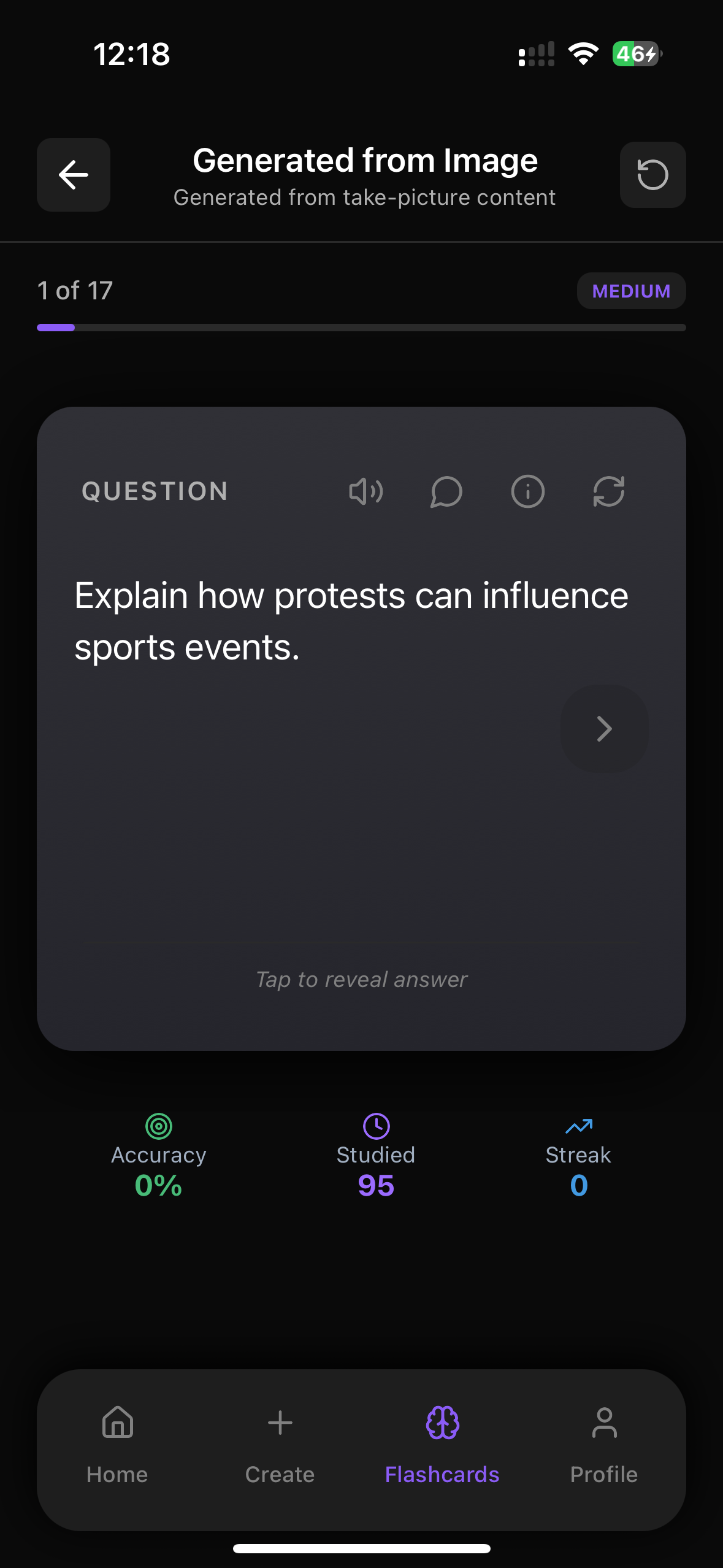
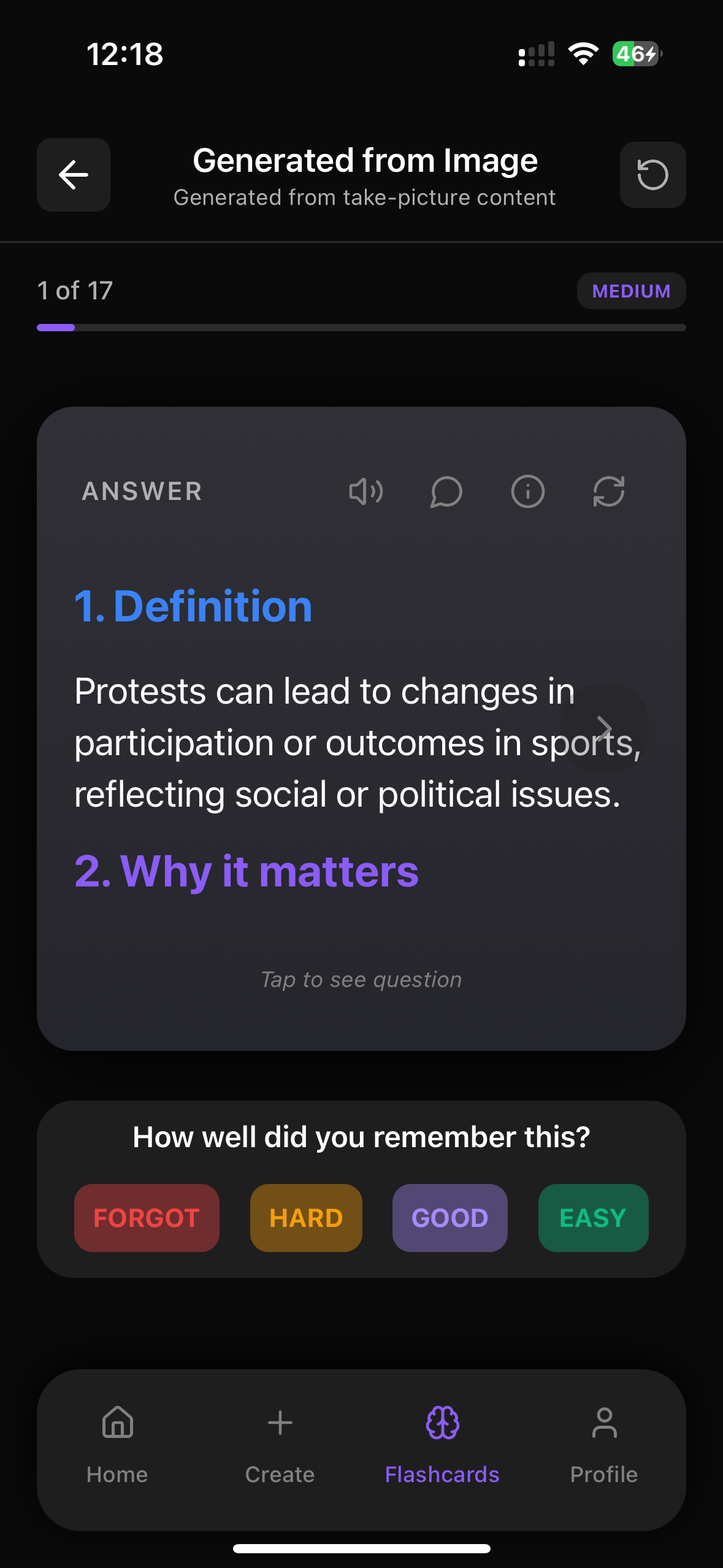
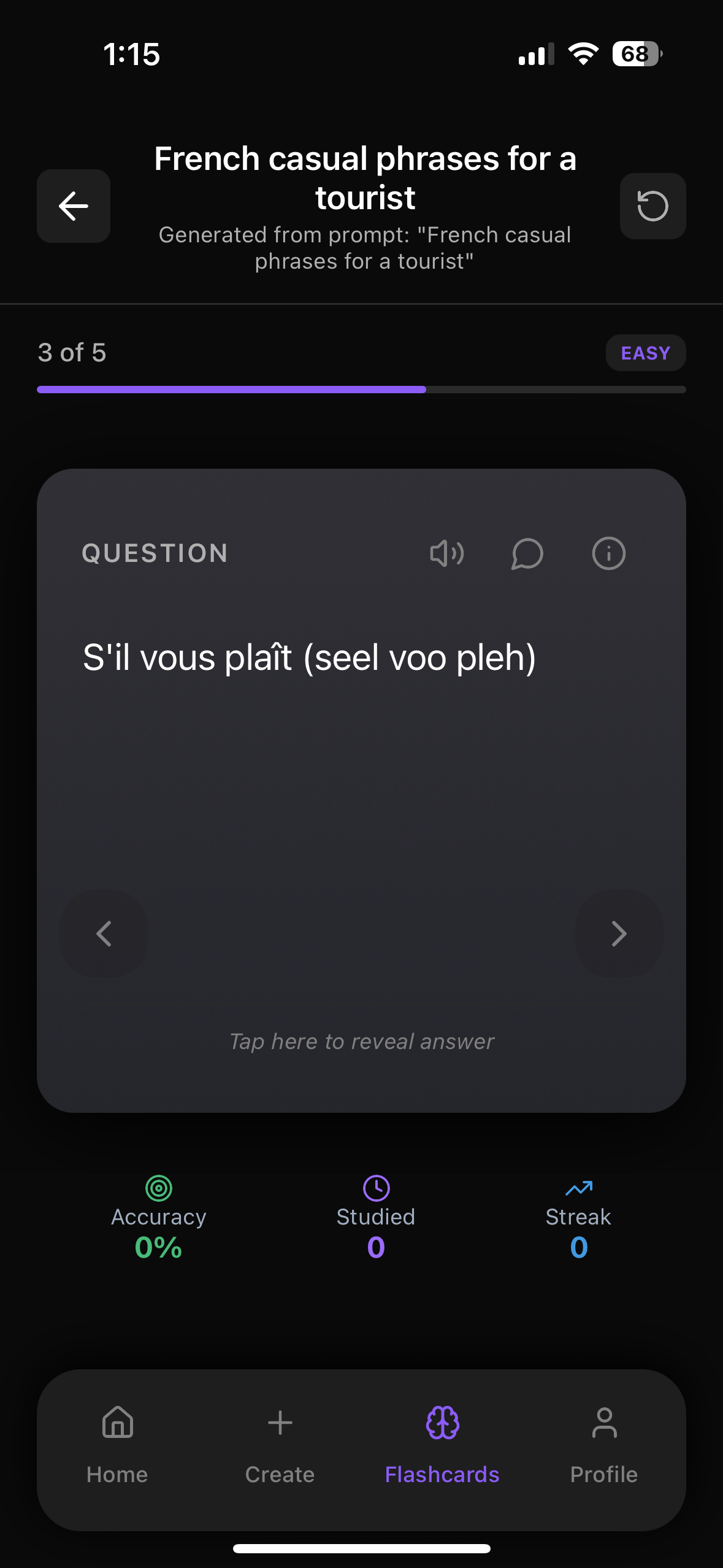
- Active recall baked into every card (you see the question, try to remember, then reveal the answer)
- Works great for languages, exams, medicine, school, business – literally anything
- You can make flashcards from:
- Images
- Text
- PDFs
- YouTube links
- Audio
- Or just type them manually
And it all runs on your iPhone or iPad, works offline, and is free to start:
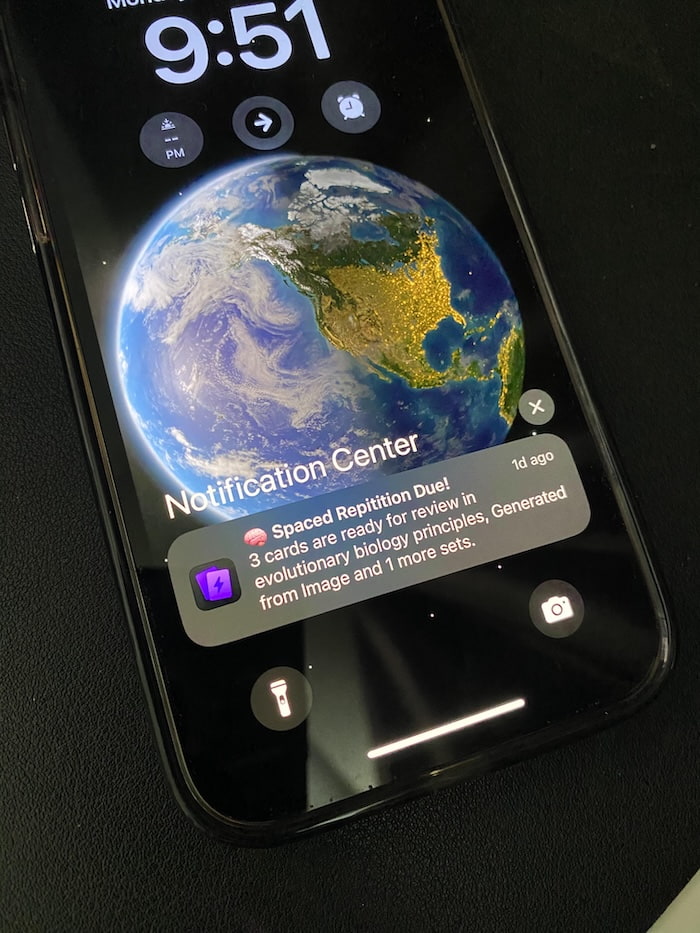
Flashrecall automatically keeps track and reminds you of the cards you don't remember well so you remember faster. Like this :
https://apps.apple.com/us/app/flashrecall-study-flashcards/id6746757085
So you use Flashrecall to actually learn and remember things, and you use Anki Vector GitHub projects to turn Vector into a tiny, animated “coach” or notification bot around your learning routine.
Simple Ways To Use Vector + Flashrecall Together
You don’t need some crazy advanced setup. Here are a few realistic ideas.
1. Study Reminders With Personality
Flashrecall already:
- Sends study reminders so you don’t forget your reviews
- Automatically schedules reviews using spaced repetition
You could then:
- Use a GitHub project or script that makes Vector react when a reminder hits (e.g., play a sound, move, or say “Hey, time to study!”)
- Make Vector do a little “celebration” animation when you finish a study session
Even a simple “Vector says it’s time to study” script can make your routine feel less boring.
2. Vector As A Voice-Based Study Buddy (Kind Of)
Flashrecall is where your actual flashcards live, but Vector can still be part of the flow:
- Use Flashrecall to create cards quickly from your textbook, screenshots, or YouTube lectures
- Study on your phone with proper spaced repetition
- Use Vector via a small script to:
- Ask “Did you study today?” at a certain time
- Say a random motivational line
- Remind you of your weakest topic (“Review your anatomy cards today!”)
You’re not cramming flashcards into Vector directly; you’re using him as the fun front-end while Flashrecall does the heavy lifting.
3. Coding Practice + Learning Content
If you’re learning to code:
- Use Flashrecall to memorize:
- Syntax
- Common functions
- Short code snippets
- Command-line tricks
- Then, use Anki Vector GitHub repos as your playground:
- Clone a Python SDK
- Use your new knowledge to write scripts like:
- “If I say ‘study’, Vector nods and plays a sound”
- “Vector says a random programming tip from a file”
You’ll be reinforcing what you learn in two ways: flashcards + real code.
Why Use Flashrecall Instead Of Just Coding Your Own System?
You could try to build your own spaced repetition system on top of Vector using GitHub projects, but honestly, that’s a lot of work for something that already exists and works way better.
What Flashrecall Gives You Out Of The Box
- Automatic spaced repetition
No need to write algorithms or manage intervals. Flashrecall calculates when you should see each card again.
- Active recall by design
Every card is built around “question → think → reveal answer,” which is how your brain actually remembers stuff long-term.
- Super fast card creation
Flashrecall can instantly make cards from:
- Photos of notes or textbooks
- PDFs
- YouTube links
- Raw text or typed prompts
- Audio snippets
- Chat with your flashcards
If you’re unsure about something on a card, you can chat with it in the app to get more explanation. That’s insanely useful for complex topics like medicine or programming.
- Works offline
Perfect for buses, flights, or boring waiting rooms.
- Modern, clean, easy UI
No clunky menus or weird syncing steps. Just open, study, done.
Again, here’s the link if you want to try it:
https://apps.apple.com/us/app/flashrecall-study-flashcards/id6746757085
How To Safely Explore Anki Vector GitHub Repos
If you’re new to GitHub, a few quick tips so you don’t get overwhelmed or break anything.
1. Look For Actively Maintained Repos
Check:
- Last commit date – recent is better
- Stars & forks – not everything needs thousands, but zero activity is a red flag
- Issues & pull requests – shows if people are actually using it
2. Read The README First
Most good repos will explain:
- What the project does
- How to install it
- What you need (Python version, dependencies, etc.)
- Example commands or code snippets
If the README is clear, that’s usually a good sign.
3. Start Small
Instead of trying to build some giant automation right away:
- Start with:
- “Make Vector say hello”
- “Make Vector move forward, then backward”
- Once that works, you can build up:
- “Make Vector say ‘Time to study’ at 7 PM”
- “Make Vector react when I run a certain script after finishing Flashrecall reviews”
Tiny wins keep you motivated.
Anki (The Flashcard App) vs Flashrecall vs Vector Stuff
Since the keyword has “anki” in it, quick clarification:
- Anki (the app) – classic flashcard app on desktop/mobile
- Anki Vector – the robot
- GitHub – where the open-source robot projects live
- Flashrecall – a modern flashcard app that’s way smoother on iPhone/iPad, with:
- Automatic spaced repetition
- Active recall
- Super fast card creation from almost anything
- Chat with your cards
- Offline mode
- Free to start
If you just want to remember stuff better for school, work, languages, or exams, Flashrecall is the thing you actually want to use every day. Vector + GitHub is an awesome side project to make learning more fun and nerdy.
Putting It All Together
So, to recap:
- “Anki Vector GitHub” is all about community-made code and tools that let you control and extend your Vector robot.
- You can use those projects to:
- Learn programming
- Build fun automations
- Turn Vector into a tiny study motivator or reminder bot
- For actual serious studying and long-term memory, use Flashrecall on your phone or iPad:
- Spaced repetition
- Active recall
- Fast card creation from images, PDFs, YouTube, audio, and text
- Study reminders
- Works offline
- Free to start
If you want a setup that’s both smart and fun:
- Let Flashrecall handle your memory and flashcards
- Let Vector + GitHub projects handle the personality and motivation
Give Flashrecall a try here and then go make your little robot cheer you on:
https://apps.apple.com/us/app/flashrecall-study-flashcards/id6746757085
Frequently Asked Questions
Is Anki good for studying?
Anki is powerful but requires manual card creation and has a steep learning curve. Flashrecall offers AI-powered card generation from your notes, images, PDFs, and videos, making it faster and easier to create effective flashcards.
What's the fastest way to create flashcards?
Manually typing cards works but takes time. Many students now use AI generators that turn notes into flashcards instantly. Flashrecall does this automatically from text, images, or PDFs.
What's the most effective study method?
Research consistently shows that active recall combined with spaced repetition is the most effective study method. Flashrecall automates both techniques, making it easy to study effectively without the manual work.
What should I know about Vector?
Anki Vector GitHub: The Complete Beginner’s Guide To Mods, Code & Smarter Learning Robots – Find the best repos, understand how they work, and turn Vector into your tiny study buddy. covers essential information about Vector. To master this topic, use Flashrecall to create flashcards from your notes and study them with spaced repetition.
Related Articles
- Anki 100 Concepts Anatomy: The Complete Guide To Learning Faster With Smarter Flashcards – Stop Memorizing Random Lists And Actually Understand Anatomy For Your Exams
- Anki 8BitDo Setup: The Complete Mobile Guide Most People Don’t Know About – Turn Your Controller Into a Powerful Study Tool and Learn Faster Anywhere
- Anki Milesdown: The Complete MCAT Deck Guide (And a Smarter Way To Study It Faster) – Before you sink months into this deck, see how to actually learn it efficiently (and keep your sanity).
Research References
The information in this article is based on peer-reviewed research and established studies in cognitive psychology and learning science.
Cepeda, N. J., Pashler, H., Vul, E., Wixted, J. T., & Rohrer, D. (2006). Distributed practice in verbal recall tasks: A review and quantitative synthesis. Psychological Bulletin, 132(3), 354-380
Meta-analysis showing spaced repetition significantly improves long-term retention compared to massed practice
Carpenter, S. K., Cepeda, N. J., Rohrer, D., Kang, S. H., & Pashler, H. (2012). Using spacing to enhance diverse forms of learning: Review of recent research and implications for instruction. Educational Psychology Review, 24(3), 369-378
Review showing spacing effects work across different types of learning materials and contexts
Kang, S. H. (2016). Spaced repetition promotes efficient and effective learning: Policy implications for instruction. Policy Insights from the Behavioral and Brain Sciences, 3(1), 12-19
Policy review advocating for spaced repetition in educational settings based on extensive research evidence

FlashRecall Team
FlashRecall Development Team
The FlashRecall Team is a group of working professionals and developers who are passionate about making effective study methods more accessible to students. We believe that evidence-based learning tec...
Credentials & Qualifications
- •Software Development
- •Product Development
- •User Experience Design
Areas of Expertise
Ready to Transform Your Learning?
Start using FlashRecall today - the AI-powered flashcard app with spaced repetition and active recall.
Download on App Store