AnkiDroid Google Play: Better Flashcard Options, Hidden Limits & The Smarter iOS Alternative Most People Miss – Before You Commit, Read This
ankidroid google play gives you powerful SRS, but this guide shows where it feels clunky, when it’s perfect, and when a smoother app like Flashrecall wins.
How Flashrecall app helps you remember faster. It's free
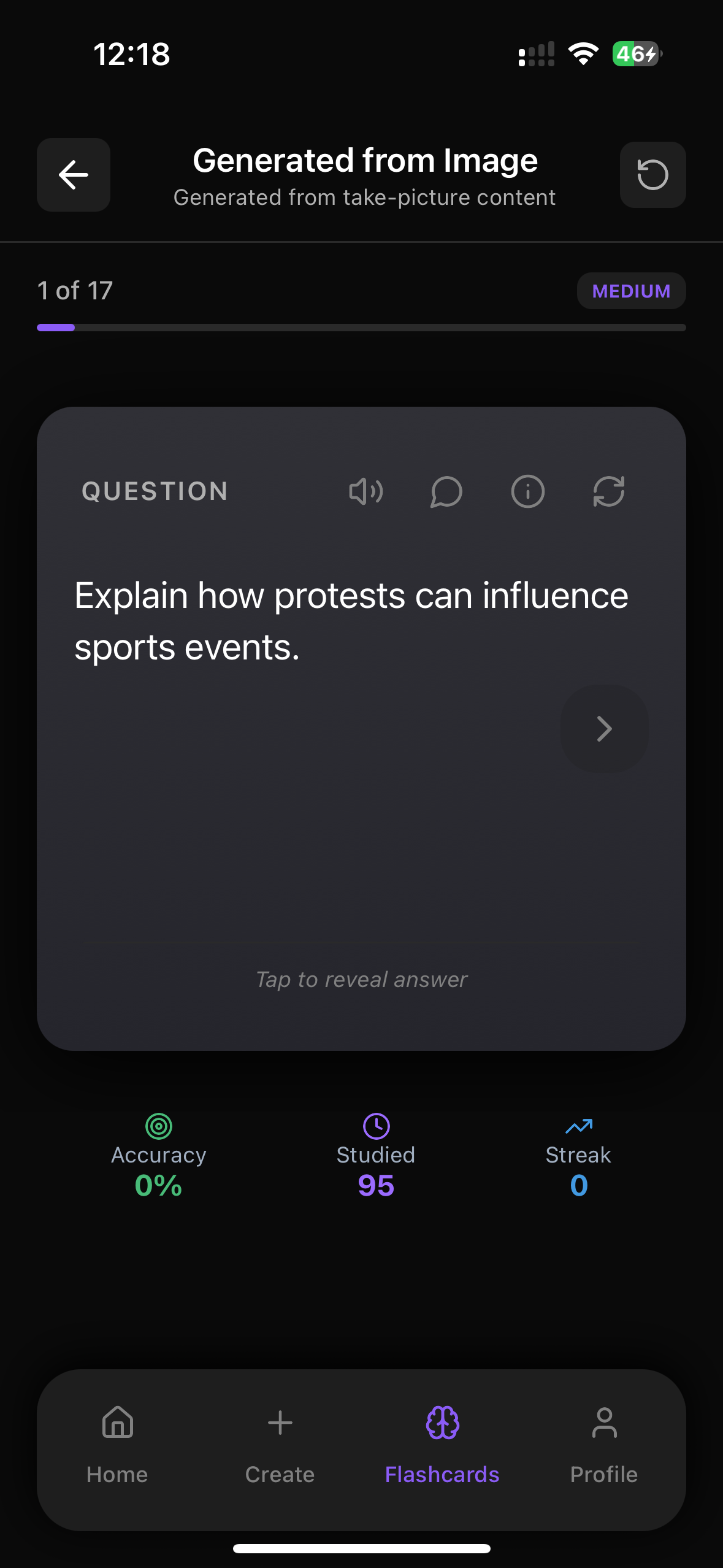
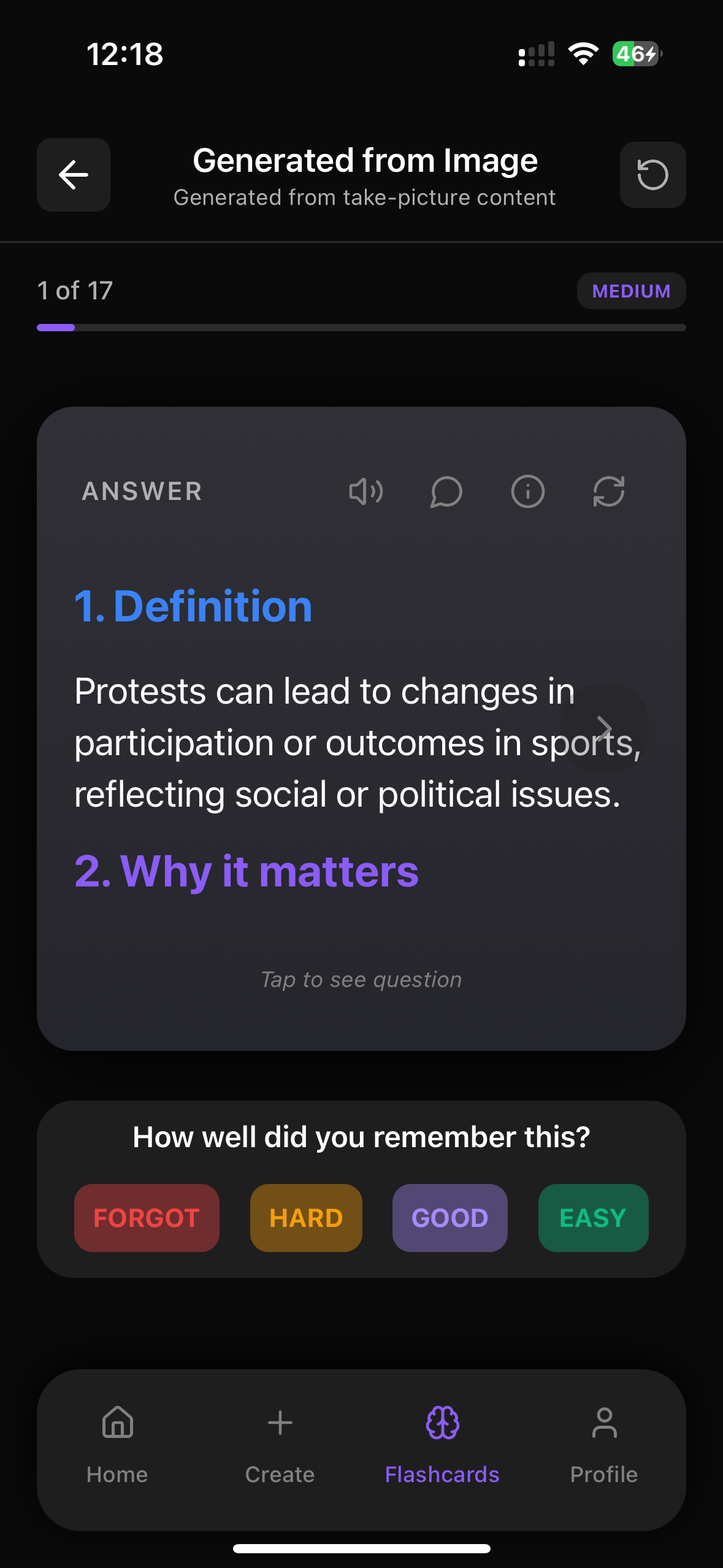
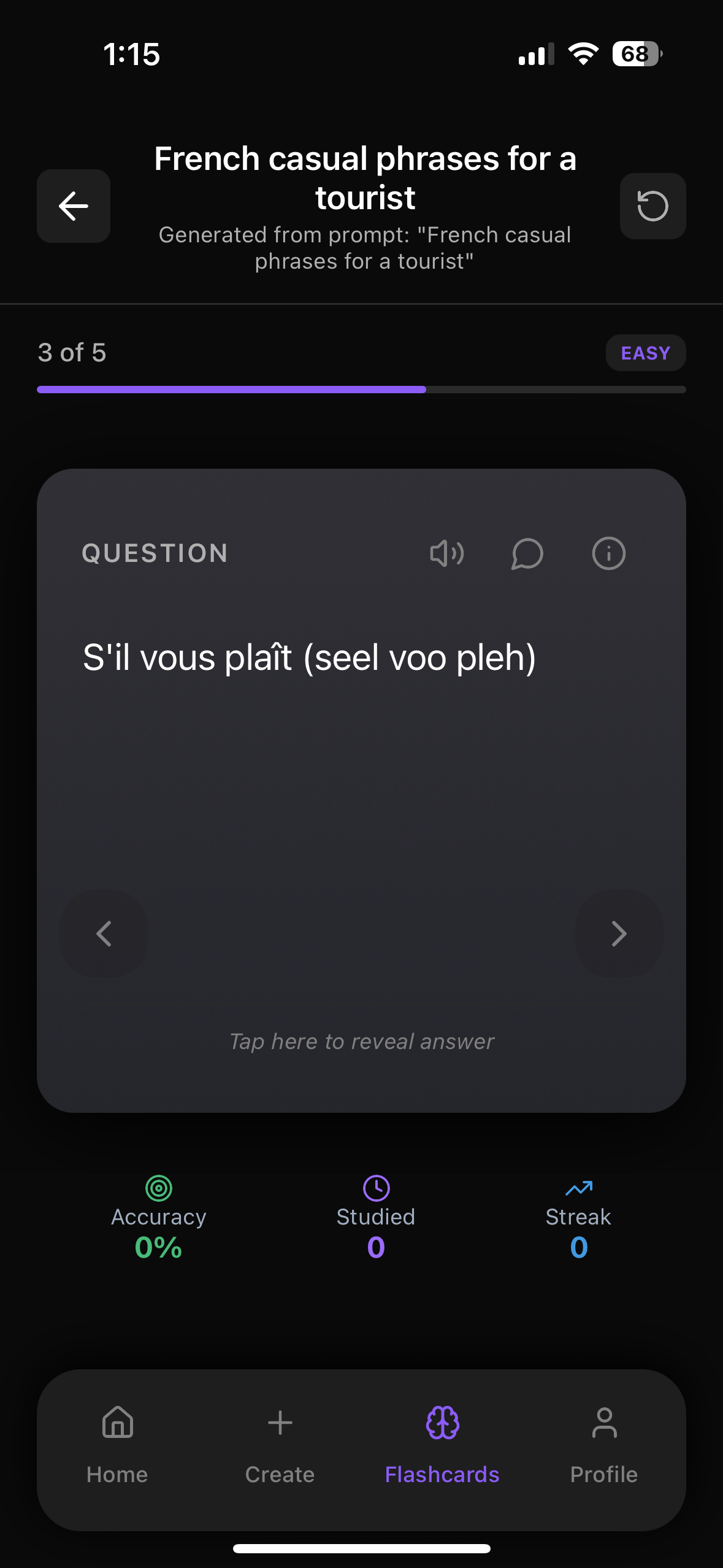
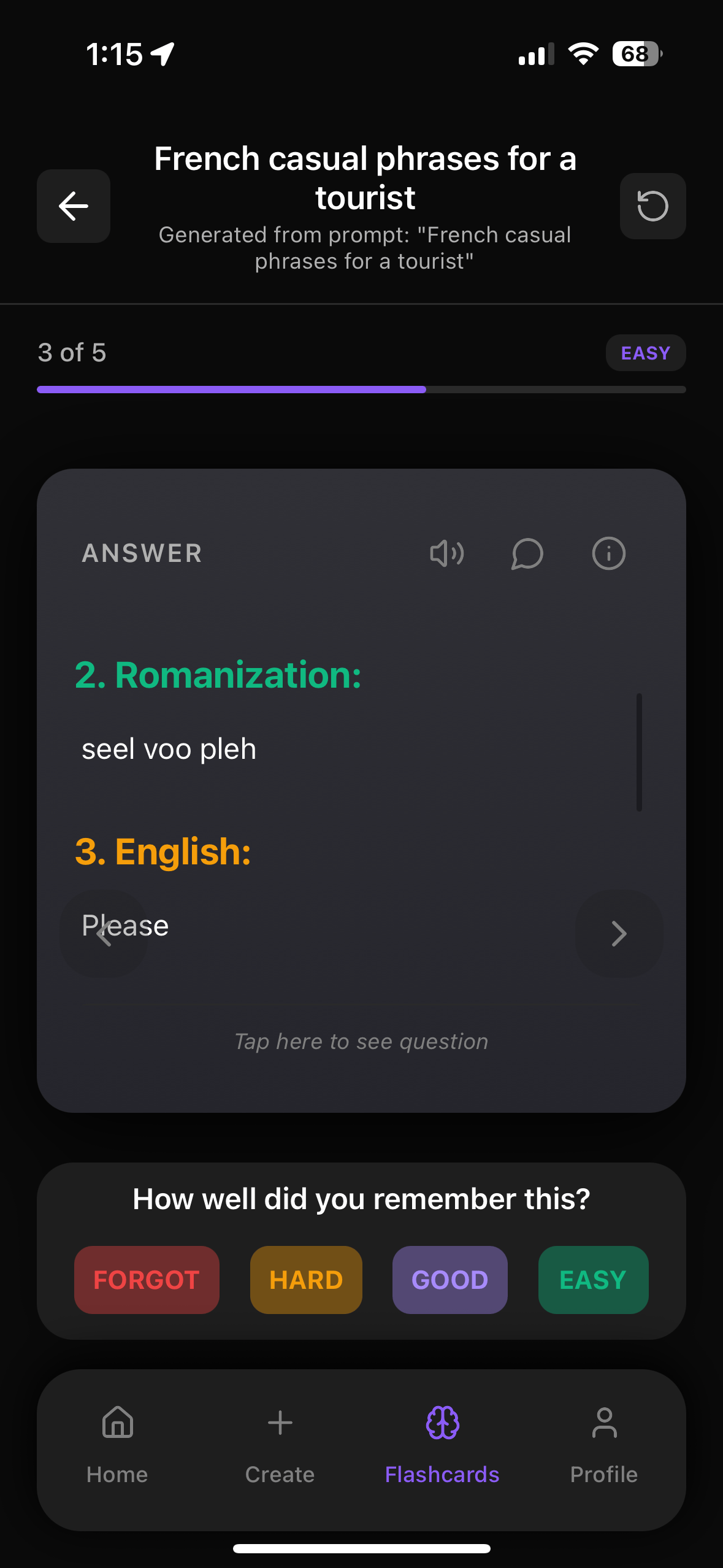
So, you’re probably checking out ankidroid google play and wondering if it’s the best way to do flashcards on your phone. AnkiDroid on Google Play is the Android version of Anki that lets you study spaced repetition flashcards on your phone, usually synced from the desktop app. It’s powerful, but it can feel a bit clunky, technical, and not super friendly if you just want to quickly make cards and start learning. If you’re on iPhone or iPad (or thinking of switching), apps like Flashrecall give you the same spaced repetition idea but with a way smoother, modern experience and way easier card creation. Flashrecall basically takes the “Anki brain” idea and wraps it in something that doesn’t feel like homework just to set up.
What AnkiDroid on Google Play Actually Is (In Simple Terms)
Alright, let’s talk basics.
- Import or sync Anki decks
- Review cards with spaced repetition
- Rate how hard each card was so it schedules reviews
It’s free, open-source, and super customizable. That’s why a lot of med students, language learners, and nerdy learners love it.
But here’s the catch:
- The interface feels a bit old-school
- There’s a learning curve just to set things up
- Making cards on your phone isn’t always smooth
- Syncing across devices can be confusing for new users
If you’re the kind of person who likes tweaking settings and messing with add-ons, AnkiDroid is fine. If you just want to start learning fast, that’s where something like Flashrecall shines on iOS.
👉 Flashrecall on the App Store:
https://apps.apple.com/us/app/flashrecall-study-flashcards/id6746757085
AnkiDroid vs Modern Flashcard Apps: What’s Actually Different?
Let’s break it down like you’d explain it to a friend over coffee.
1. Setup & First-Time Experience
- You usually need to:
- Understand decks, note types, and fields
- Maybe sync with AnkiWeb
- Possibly use a desktop first if you want templates or more complex cards
- Super powerful, but it feels like “software” more than an app.
- Open the app → create a deck → start adding cards. That’s it.
- You can:
- Type cards manually
- Paste text
- Turn images, PDFs, or YouTube links into flashcards
- Even generate cards from prompts
It’s built so you don’t need a tutorial video just to start learning.
2. Making Flashcards: Manual vs “Instant”
This is where a lot of people get stuck with AnkiDroid: creating cards on mobile can feel slow.
- You tap “Add”
- Pick the note type
- Fill in fields
- Maybe mess with formatting
- Repeat… a lot
Powerful, yes. Fast, not always.
You still can make cards manually, but you also get a bunch of shortcuts:
- Snap a photo of a textbook page → turn key points into cards
- Import a PDF → auto-generate flashcards from the content
- Drop in a YouTube link → make cards from the important moments
- Paste text or notes → turn them into Q&A cards quickly
- Use a typed prompt (like “Make 10 flashcards about photosynthesis”) and let the app help
That means less time formatting cards, more time actually learning them.
3. Spaced Repetition: Both Have It, But One Feels Lighter
Both AnkiDroid and Flashrecall use spaced repetition – reviewing cards at increasing intervals so you remember them long-term.
- Very customizable:
- You can tweak intervals, lapses, ease factors, etc.
- But if you don’t know what those mean, it’s easy to feel overwhelmed.
- Built-in spaced repetition with smart defaults
- You just:
- Study your cards
- Tap how well you remembered
- Let the app schedule everything
- It also has auto study reminders, so you don’t have to remember to open the app at all.
So if you like controlling every little setting, AnkiDroid is your playground.
If you just want “I open it, it tells me what to review, and I trust it,” Flashrecall is way more chill.
4. Active Recall & Chatting With Your Cards
Both tools are built around active recall – forcing your brain to pull the answer from memory instead of just rereading.
But Flashrecall does something AnkiDroid doesn’t:
You can chat with your flashcards.
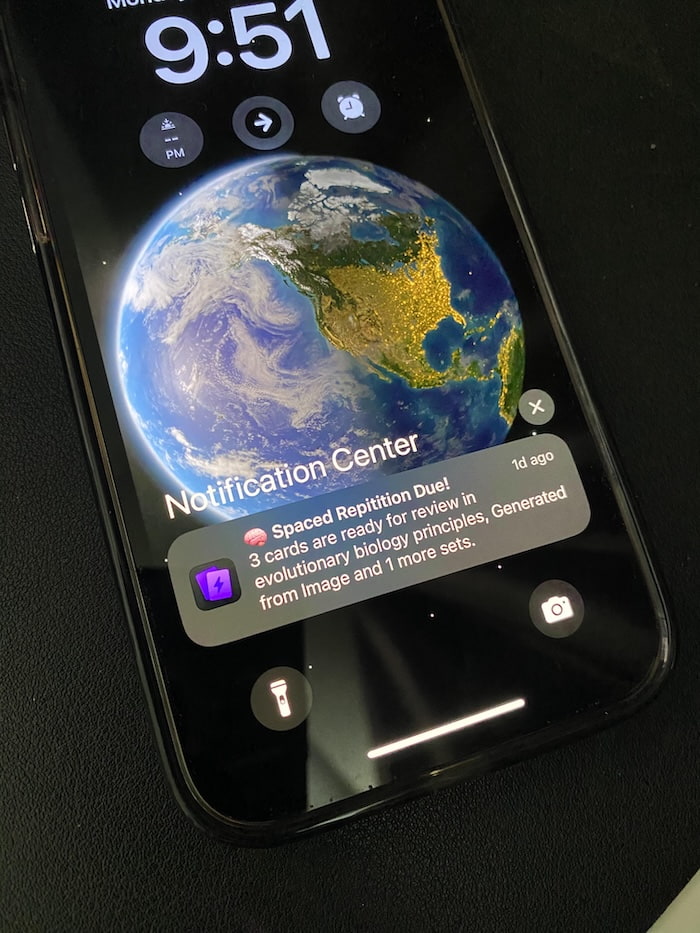
Flashrecall automatically keeps track and reminds you of the cards you don't remember well so you remember faster. Like this :
On Flashrecall:
- If you don’t understand a card fully, you can literally chat with the content to:
- Get more explanations
- Ask for simpler wording
- Get examples or analogies
- It’s like having a mini tutor living inside your deck.
On AnkiDroid:
- You see the front → reveal the back → rate your recall.
- No built-in way to “ask” your deck to explain more.
For tricky subjects (medicine, law, programming, languages), that chat feature is insanely helpful.
5. Design, Speed, and Just… Vibes
Let’s be honest: vibes matter. If your study app feels like a 2009 desktop program, you’ll avoid opening it.
- Functional but dated UI
- Can feel a bit cluttered
- Great if you care more about raw power than design
- Modern, clean, and fast
- Feels like a 2025 app, not a 2010 one
- Built to be quick on the thumb: tap, swipe, done
If you’re going to stare at this app every day for months, you might as well like how it feels.
But What If You’re Already Using AnkiDroid?
Totally fair. A lot of people are.
Here’s how to think about it:
- If you’re deep into Anki ecosystems (desktop, custom note types, add-ons, etc.) and you’re on Android, AnkiDroid is still solid.
- If you:
- Use an iPhone or iPad
- Want something easier and more modern
- Want better card creation from real-world content
- Don’t want to manage sync servers, note types, and weird settings
…then it’s worth trying Flashrecall alongside or instead.
Again, here’s the link:
👉 https://apps.apple.com/us/app/flashrecall-study-flashcards/id6746757085
It’s free to start, so you can literally test it with one deck and see if you like the feel.
What Flashrecall Is Especially Good For
If you’re coming from the AnkiDroid / Google Play world, here’s where Flashrecall really shines:
1. Language Learning
- Make vocab cards from:
- Screenshots
- Text
- YouTube videos in your target language
- Use chat to:
- Get example sentences
- Ask for grammar explanations
- Simplify definitions
2. Exams & School (High School, Uni, Med, Law, etc.)
- Import lecture slides or PDFs and turn key points into cards
- Let spaced repetition handle your review schedule
- Use reminders so you don’t cram everything the night before
3. Work & Business Stuff
- Memorize:
- Frameworks
- Interview prep
- Product knowledge
- Sales scripts
- Quickly turn meeting notes or docs into flashcards
Basically, if it’s text, images, or audio, Flashrecall can probably turn it into something you can review.
Offline Study & Device Support
One thing people love about AnkiDroid is offline capability.
- Review on the subway
- Study on a plane
- Sit in a library with terrible Wi‑Fi and still get your reps in
Plus:
- It runs on iPhone and iPad
- Syncs across your Apple devices
- Feels the same everywhere – no weird “mobile vs desktop” split like classic Anki
So, Should You Use AnkiDroid from Google Play or Try Flashrecall?
Here’s the simple breakdown:
- You’re on Android
- You love tweaking settings and custom note types
- You’re already deep into Anki decks and workflows
- You’re on iOS (iPhone or iPad)
- You want:
- Spaced repetition without setup headaches
- Fast, modern design
- Easy card creation from PDFs, images, text, YouTube
- Study reminders and offline access
- The ability to chat with your flashcards when you’re confused
And honestly, you don’t have to “marry” one app forever.
You can:
- Keep using AnkiDroid on Android
- Try Flashrecall on an iPad for reading-heavy subjects
- See which one you actually open more often
Because at the end of the day, the “best” app is the one you actually use daily, not the one with the longest feature list.
Quick Start: How to Switch Your Next Study Session to Flashrecall
If you’re curious and want to test it out, here’s a simple plan:
1. Pick one topic
Something small: “Biology – Cell Organelles” or “Spanish – Past Tense Verbs”.
2. Download Flashrecall
👉 https://apps.apple.com/us/app/flashrecall-study-flashcards/id6746757085
3. Create a deck in 5–10 minutes
- Paste notes, upload a PDF, or just type 10–20 cards
- Or ask it to help generate questions from your notes
4. Study for 10 minutes
- Notice how the spaced repetition and active recall feel
- Pay attention to how easy it is to move through cards
5. Come back tomorrow
- See what it schedules for review
- Let the reminders nudge you instead of relying on willpower
If it feels smoother and less annoying than your current setup, you’ve got your answer.
So yeah, ankidroid google play is a strong option if you’re on Android and want something powerful and free. But if you’re on iPhone or iPad and want that same spaced repetition magic in a cleaner, faster, more modern package—with instant flashcard creation and even the ability to chat with your cards—Flashrecall is absolutely worth trying.
Frequently Asked Questions
Is Anki good for studying?
Anki is powerful but requires manual card creation and has a steep learning curve. Flashrecall offers AI-powered card generation from your notes, images, PDFs, and videos, making it faster and easier to create effective flashcards.
What's the fastest way to create flashcards?
Manually typing cards works but takes time. Many students now use AI generators that turn notes into flashcards instantly. Flashrecall does this automatically from text, images, or PDFs.
How do I start spaced repetition?
You can manually schedule your reviews, but most people use apps that automate this. Flashrecall uses built-in spaced repetition so you review cards at the perfect time.
Related Articles
- Collins Flashcards: Smarter Alternatives And 7 Powerful Tips To Remember More In Less Time – Stop Wasting Hours Making Cards That Don’t Stick And Do This Instead
- Android Anki Alternatives: The Best Way To Study Smarter (That Most Students Don’t Know About) – Stop fighting clunky flashcard apps and learn a faster, easier way to remember everything.
- Anki Download: Why Most Students Are Switching To This Faster, Easier Flashcard App Instead
Research References
The information in this article is based on peer-reviewed research and established studies in cognitive psychology and learning science.
Cepeda, N. J., Pashler, H., Vul, E., Wixted, J. T., & Rohrer, D. (2006). Distributed practice in verbal recall tasks: A review and quantitative synthesis. Psychological Bulletin, 132(3), 354-380
Meta-analysis showing spaced repetition significantly improves long-term retention compared to massed practice
Carpenter, S. K., Cepeda, N. J., Rohrer, D., Kang, S. H., & Pashler, H. (2012). Using spacing to enhance diverse forms of learning: Review of recent research and implications for instruction. Educational Psychology Review, 24(3), 369-378
Review showing spacing effects work across different types of learning materials and contexts
Kang, S. H. (2016). Spaced repetition promotes efficient and effective learning: Policy implications for instruction. Policy Insights from the Behavioral and Brain Sciences, 3(1), 12-19
Policy review advocating for spaced repetition in educational settings based on extensive research evidence
Karpicke, J. D., & Roediger, H. L. (2008). The critical importance of retrieval for learning. Science, 319(5865), 966-968
Research demonstrating that active recall (retrieval practice) is more effective than re-reading for long-term learning
Roediger, H. L., & Butler, A. C. (2011). The critical role of retrieval practice in long-term retention. Trends in Cognitive Sciences, 15(1), 20-27
Review of research showing retrieval practice (active recall) as one of the most effective learning strategies
Dunlosky, J., Rawson, K. A., Marsh, E. J., Nathan, M. J., & Willingham, D. T. (2013). Improving students' learning with effective learning techniques: Promising directions from cognitive and educational psychology. Psychological Science in the Public Interest, 14(1), 4-58
Comprehensive review ranking learning techniques, with practice testing and distributed practice rated as highly effective

FlashRecall Team
FlashRecall Development Team
The FlashRecall Team is a group of working professionals and developers who are passionate about making effective study methods more accessible to students. We believe that evidence-based learning tec...
Credentials & Qualifications
- •Software Development
- •Product Development
- •User Experience Design
Areas of Expertise
Ready to Transform Your Learning?
Start using FlashRecall today - the AI-powered flashcard app with spaced repetition and active recall.
Download on App Store