Apps To Use Instead Of Quizlet: 7 Powerful Alternatives Most Students Don’t Know About – Find the best app for how *you* actually study, not just what everyone else is using.
These apps to use instead of Quizlet give you AI flashcards, real spaced repetition, less clutter, and more control—starting with Flashrecall for long-term m...
How Flashrecall app helps you remember faster. It's free
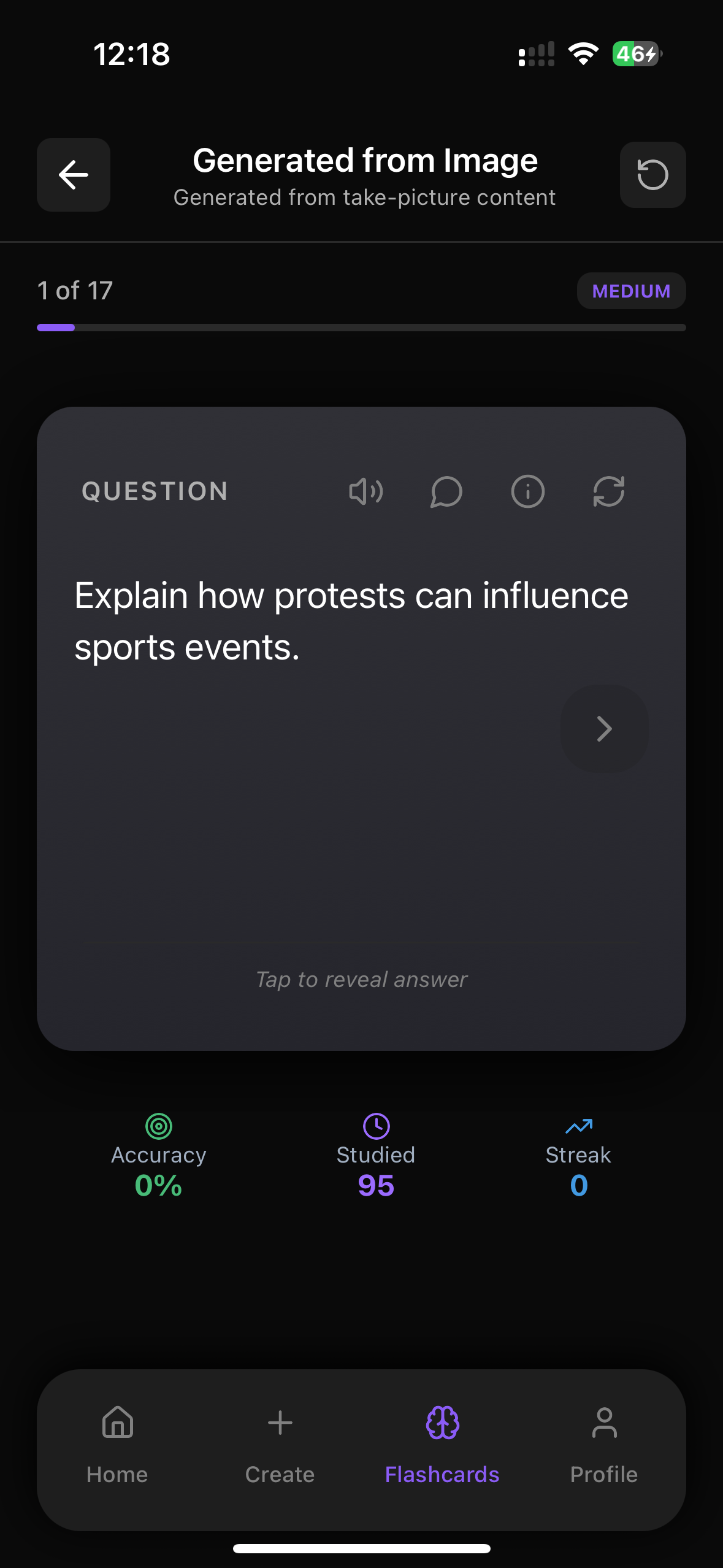
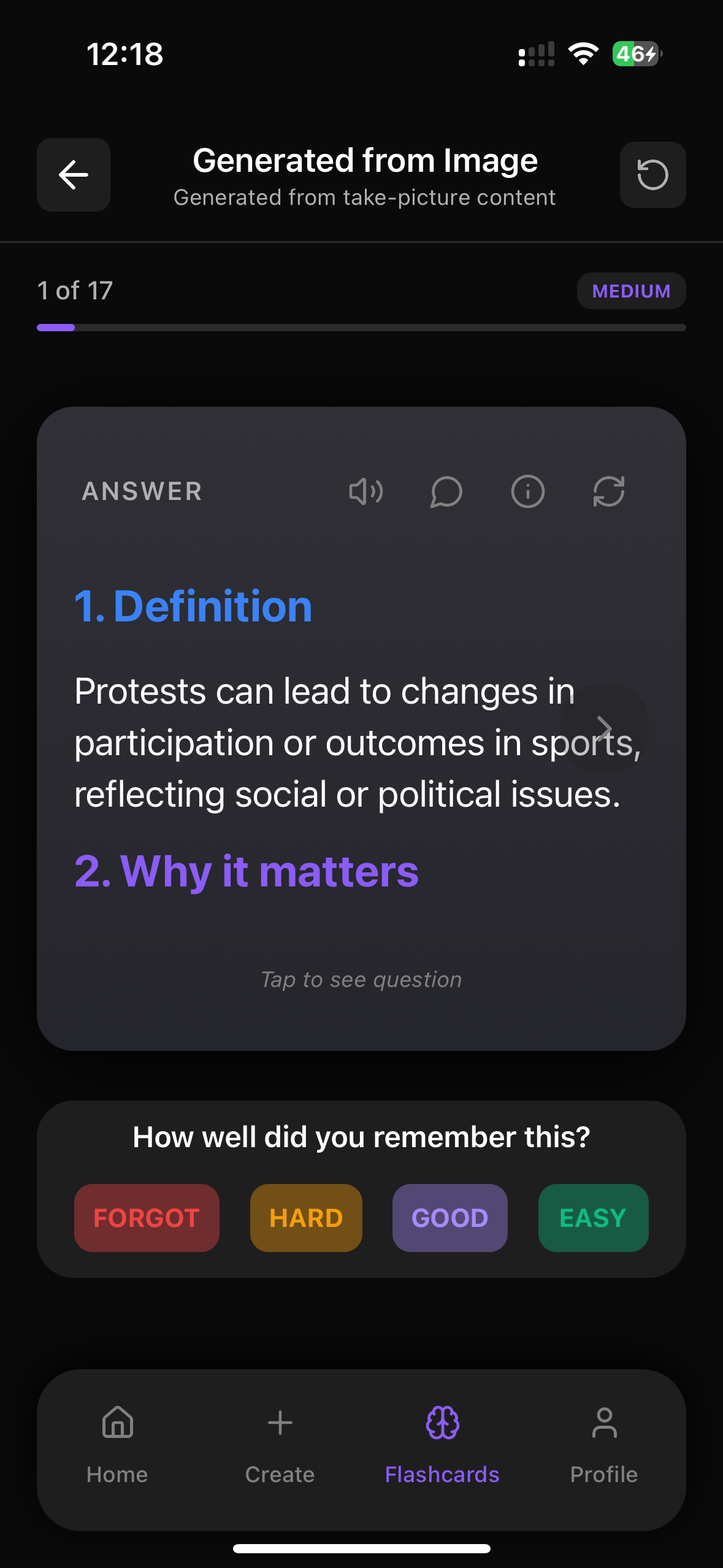
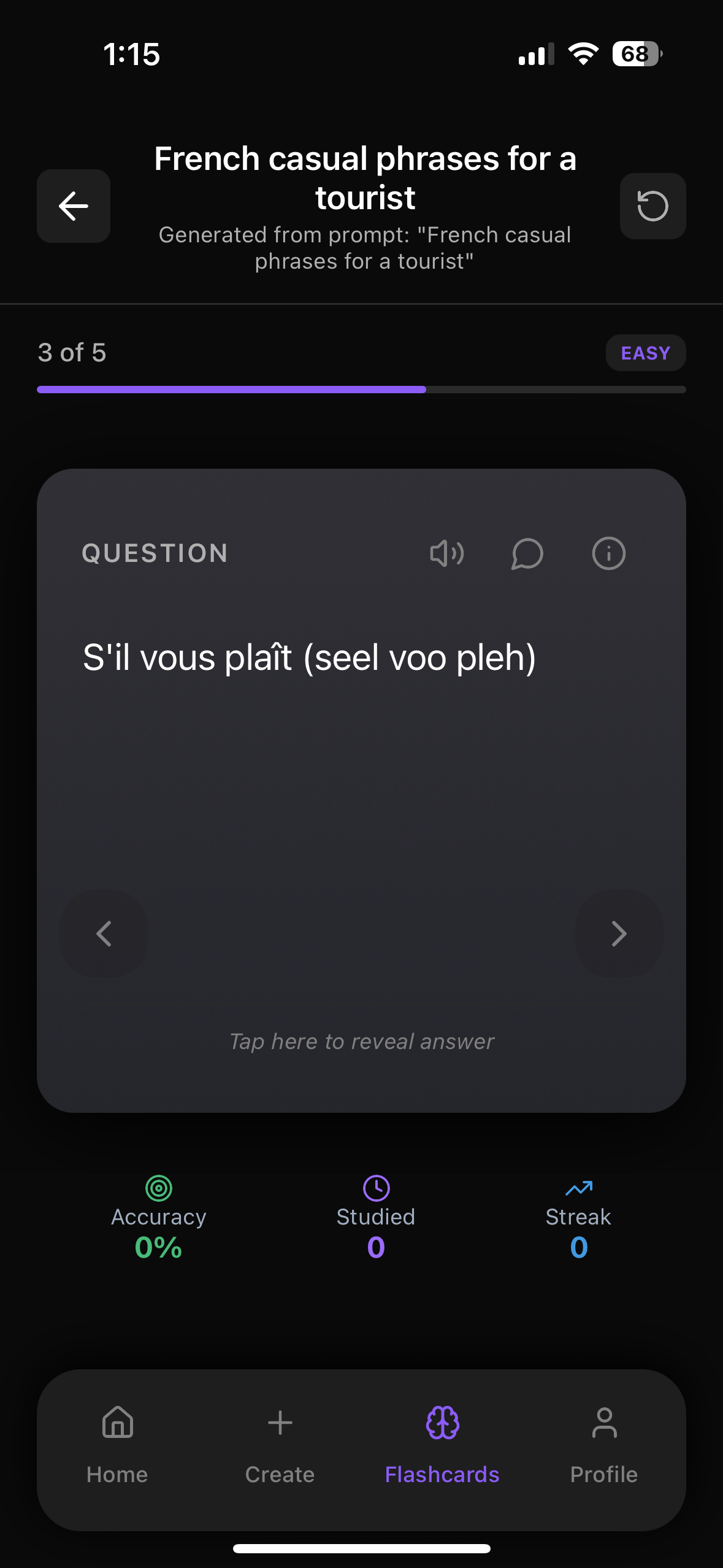
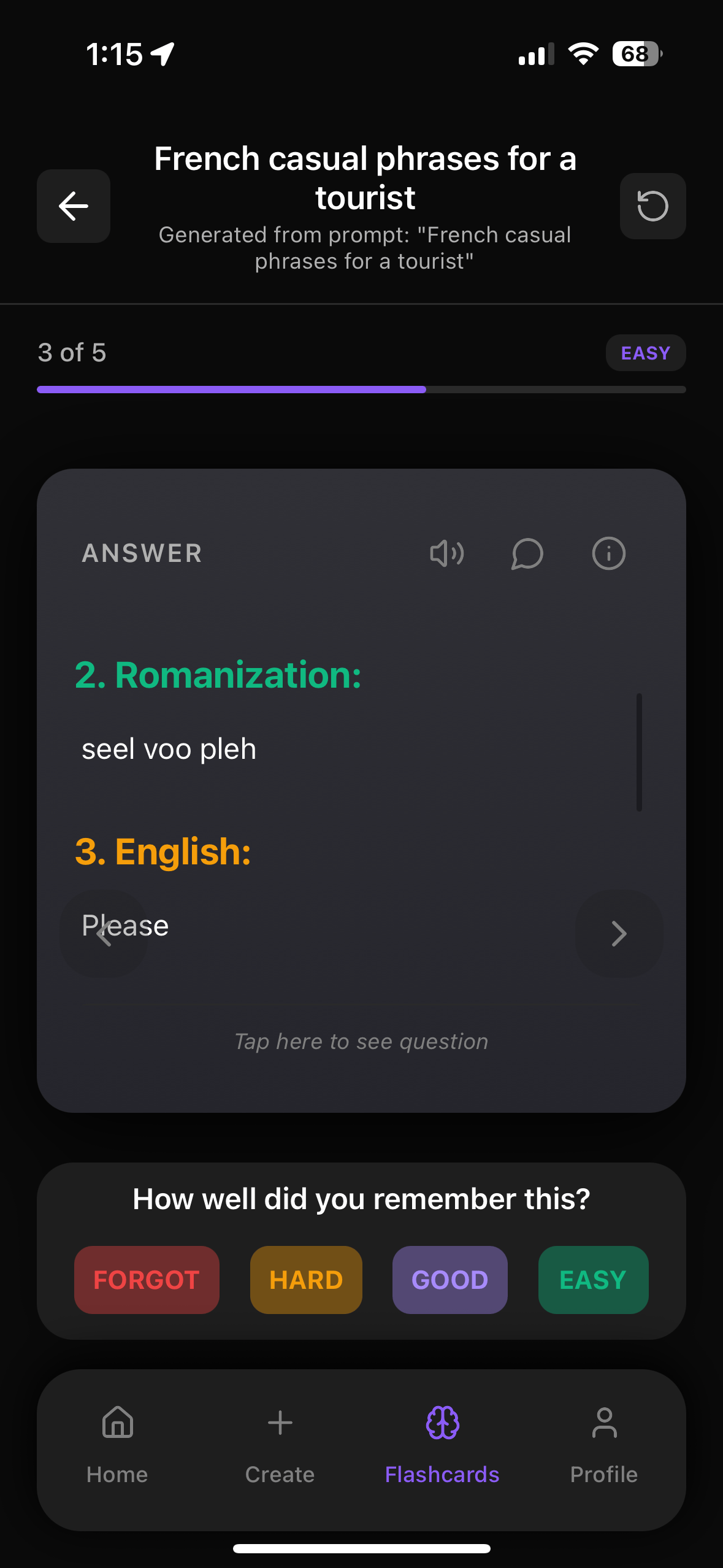
So, you’re looking for apps to use instead of Quizlet, the main difference you’ll notice is how much control and flexibility you get over your study routine. Quizlet is simple and familiar, but a lot of people outgrow it once they want smarter features like automatic spaced repetition, AI-generated cards, or better control over their data. Apps like Flashrecall focus more on long-term memory and automation, while others try to copy Quizlet’s style with small twists. If you want fast, AI-powered flashcards and serious memory benefits without extra effort, Flashrecall is usually the better choice. If you just want basic cards and don’t care much about long-term retention, some of the simpler alternatives might be enough.
Why People Are Looking For Apps To Use Instead Of Quizlet
Let’s be honest: Quizlet was the go-to for years. But now a lot of students and professionals are switching because of things like:
- Paywalls on features that used to be free
- Ads and cluttered UI
- Weak or non-transparent spaced repetition
- Limited control over how you actually learn
- Need for AI help to create cards faster
That’s where newer tools come in — especially apps like Flashrecall, which basically take the “flashcards” idea and supercharge it.
Before diving into the full list, if you just want one app that covers most use cases really well, start with this:
👉 Flashrecall on the App Store:
https://apps.apple.com/us/app/flashrecall-study-flashcards/id6746757085
It’s free to start, works on iPhone and iPad, and is built for people who want to learn faster without spending hours making cards.
1. Flashrecall – Best Overall Quizlet Alternative For Fast, Smart Studying
If you’re comparing apps to use instead of Quizlet and you care about actually remembering stuff long-term, Flashrecall is honestly the one to beat.
What Makes Flashrecall Different
Quizlet is great for simple decks and quick cramming. Flashrecall is built for long-term retention and speed:
- AI-generated flashcards in seconds
- Turn photos, PDFs, YouTube links, audio, or plain text into flashcards automatically
- You can still make cards manually if you like full control
- Built-in spaced repetition
- Uses smart scheduling so you review cards right before you’d normally forget them
- No need to remember when to review — it handles that
- Active recall by design
- Prompts you to think before showing the answer, not just recognize it
- Study reminders
- Gentle nudges so you don’t fall off your study routine
- Works offline
- Perfect for commuting, traveling, or studying somewhere with bad Wi-Fi
- Chat with your flashcards
- Stuck on a card? You can literally chat with the content to go deeper or clarify concepts
- Great for anything
- Languages, med school, law, exams, uni courses, certifications, business, random hobbies
And again, here’s the link so you don’t have to scroll back:
👉 https://apps.apple.com/us/app/flashrecall-study-flashcards/id6746757085
Why It’s Better Than Quizlet For Most People
- You don’t waste time typing every single card manually
- You’re not guessing how often to review — spaced repetition is built in
- It feels modern and fast, not clunky or ad-heavy
- Free to start, so you can see if it fits your style before committing
If you want one app that does the “boring memory science” for you while you just study, Flashrecall is probably your best pick.
2. Anki – Super Powerful, But Kind Of Nerdy
Anki is one of the classic apps to use instead of Quizlet if you’re into full control and don’t mind a learning curve.
Pros
- Extremely customizable
- Strong spaced repetition system
- Great for med students, language learners, and hardcore learners
- Huge community and shared decks
Cons
- The interface feels old-school
- Not as smooth on mobile as newer apps
- Creating and managing cards can be time-consuming
- No built-in AI to help make cards from PDFs, photos, etc.
If you love tweaking settings and don’t care about design, Anki is great. If you want something that “just works” and feels modern, Flashrecall is much easier to get into.
3. Brainscape – Structured, But Less Flexible
Brainscape focuses on confidence-based repetition: you rate how well you know a card, and it adjusts how often you see it.
What It’s Like
- Clean interface
- Web and mobile apps
- You rate your confidence from 1–5 after each card
Where It Falls Short Compared To Flashrecall
- No instant card creation from PDFs, images, or YouTube
- Less flexible than Anki, less automated than Flashrecall
- More about rating yourself than using smart AI to optimize content
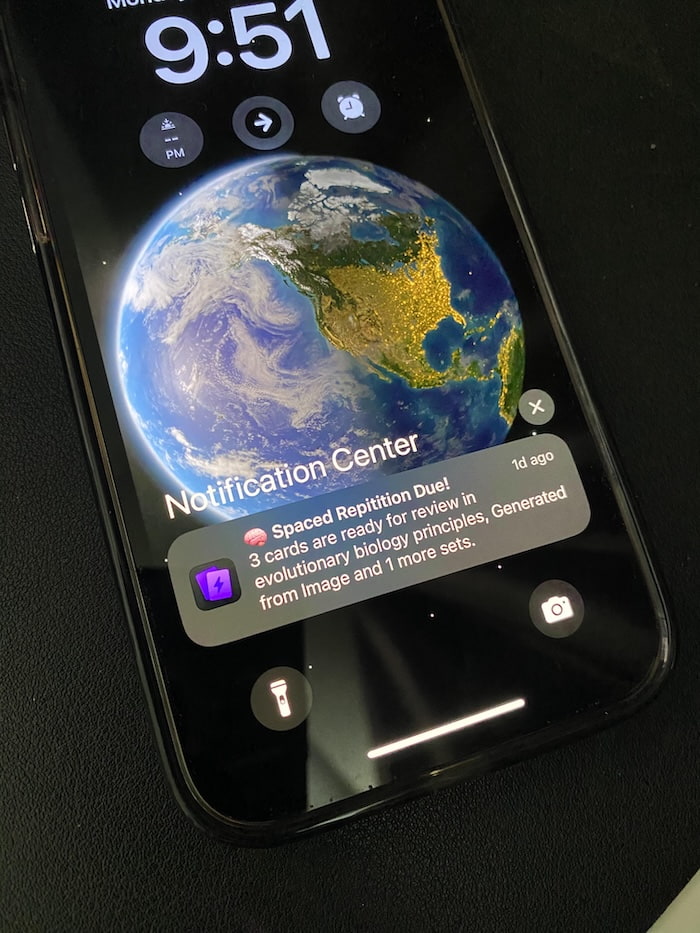
Flashrecall automatically keeps track and reminds you of the cards you don't remember well so you remember faster. Like this :
If you like rating how well you know stuff and want a simple UI, Brainscape is decent. But if you want AI to do the heavy lifting and help you generate cards fast, Flashrecall is way more convenient.
4. StudySmarter – All-In-One Study Platform
StudySmarter is more like a full study environment than a pure flashcard app.
Good For
- People who want notes, summaries, and flashcards in one place
- Students who like browsing shared content
Downsides
- Can feel busy and less focused than a dedicated flashcard app
- Not as tight on spaced repetition and active recall as specialized tools
- Less control over the memory process compared to something like Flashrecall or Anki
If you want a “study hub,” it’s fine. If you specifically want to remember things efficiently, a focused flashcard app like Flashrecall will usually be better.
5. RemNote – Notes + Flashcards Combo
RemNote is interesting because it blends note-taking and flashcards together.
Why People Like It
- You can turn notes into flashcards directly
- Good for people who outline lectures and want cards from them
- Has spaced repetition built in
Where Flashrecall Wins
- Flashrecall is faster if you’re working from existing content like PDFs, slides, or screenshots
- Flashrecall works great on iPhone/iPad with a clean, modern UI
- AI card generation from multiple sources (images, audio, YouTube links, etc.) is smoother
If you’re a heavy note-taker, RemNote can be cool. If your reality is more like “I get slides, PDFs, photos of the board, and random documents,” Flashrecall’s AI import will save you a lot of time.
6. Memrise – Fun For Languages, But Limited Beyond That
Memrise is more of a language-learning app than a general flashcard tool.
Good Stuff
- Nice for vocab and phrases
- Gamified feel
- Audio and video content for some languages
Limitations
- Not ideal for non-language subjects (medicine, law, exams, etc.)
- You’re mostly locked into their format and courses
- Not designed for custom, personal content like your lecture slides or PDFs
Flashrecall, on the other hand, is great for languages AND everything else — you can create decks from your own resources, not just pre-made courses.
7. Notion + Manual Flashcards – Flexible, But A Lot Of Work
Some people try to use Notion or general note apps as “DIY flashcards.” It can work, but:
- You have to build everything yourself
- No built-in spaced repetition (unless you hack it)
- No automatic reminders tuned for memory
- No AI flashcard creation from PDFs, audio, images, etc.
If you love building systems, go for it. But if you’d rather spend time learning instead of setting up, Flashrecall is way more practical.
How Flashrecall Fits Different Study Styles
When you’re thinking about apps to use instead of Quizlet, it helps to ask: how do I actually study? Here’s how Flashrecall fits different types of learners:
If You’re A Crammer Trying To Get Organized
- Take photos of your notes or slides
- Let Flashrecall turn them into flashcards automatically
- Use the built-in spaced repetition and reminders to avoid last-minute panic next time
If You’re A Language Learner
- Create vocab decks from texts, screenshots, or YouTube videos
- Practice with active recall and spaced repetition
- Use the chat feature to ask follow-up questions about a word or grammar pattern
If You’re In Med, Law, Or Any Heavy-Memory Degree
- Import PDFs, guidelines, or lecture slides
- Turn them into structured flashcards in minutes
- Let the app decide when you need to review so nothing slips through the cracks
If You’re Working Or Studying Part-Time
- Short sessions on your phone whenever you have 5–10 minutes
- Offline mode for commutes or bad Wi-Fi
- Reminders so you don’t completely forget your study goals during busy weeks
Quick Comparison: Quizlet vs Flashrecall
- Easy to start
- Good for basic flashcards and shared decks
- Limited spaced repetition control
- More ads and paywalls over time
- AI creates flashcards from images, text, PDFs, audio, YouTube links, or manual input
- Built-in spaced repetition and active recall
- Study reminders and offline mode
- Clean, modern interface on iPhone and iPad
- Great for school, uni, exams, languages, and professional learning
- Free to start
If you’ve ever thought, “I like Quizlet, but I wish it was smarter and faster,” Flashrecall is basically that wish in app form.
👉 Try it here:
https://apps.apple.com/us/app/flashrecall-study-flashcards/id6746757085
Which App Should You Pick?
If you’re still deciding between all these apps to use instead of Quizlet, here’s a simple way to choose:
- Want maximum control and don’t mind complexity?
→ Anki
- Want a simple but slightly different Quizlet-style app?
→ Brainscape or StudySmarter
- Want notes + flashcards together?
→ RemNote
- Focused only on languages and like courses?
→ Memrise
- Want fast, smart flashcards with AI, spaced repetition, reminders, and a modern feel?
→ Flashrecall
If you’re going to be studying for months or years, it’s worth picking something that actually helps you remember things with less effort. Flashrecall hits that sweet spot of “powerful but easy,” which is why it’s such a strong Quizlet alternative.
Give it a try and see how it fits your style:
https://apps.apple.com/us/app/flashrecall-study-flashcards/id6746757085
Frequently Asked Questions
Is Quizlet good for studying?
Quizlet helps with basic reviewing, but its active recall tools are limited. If you want proper spacing and strong recall practice, tools like Flashrecall automate the memory science for you so you don't forget your notes.
What's the fastest way to create flashcards?
Manually typing cards works but takes time. Many students now use AI generators that turn notes into flashcards instantly. Flashrecall does this automatically from text, images, or PDFs.
How do I start spaced repetition?
You can manually schedule your reviews, but most people use apps that automate this. Flashrecall uses built-in spaced repetition so you review cards at the perfect time.
Related Articles
- Study Websites Like Quizlet: 7 Powerful Alternatives Most Students Don’t Know About – And the One App That Actually Helps You Remember Everything
- Programs Like Quizlet: 7 Powerful Alternatives To Study Smarter (And The One App Most Students Don’t Know About) – If you’re bored of basic flashcards, this breakdown of Quizlet alternatives will show you smarter, faster ways to study.
- Flashcard Websites Like Quizlet: 7 Powerful Alternatives Most Students Don’t Know About (And The One App That Actually Helps You Remember)
Research References
The information in this article is based on peer-reviewed research and established studies in cognitive psychology and learning science.
Cepeda, N. J., Pashler, H., Vul, E., Wixted, J. T., & Rohrer, D. (2006). Distributed practice in verbal recall tasks: A review and quantitative synthesis. Psychological Bulletin, 132(3), 354-380
Meta-analysis showing spaced repetition significantly improves long-term retention compared to massed practice
Carpenter, S. K., Cepeda, N. J., Rohrer, D., Kang, S. H., & Pashler, H. (2012). Using spacing to enhance diverse forms of learning: Review of recent research and implications for instruction. Educational Psychology Review, 24(3), 369-378
Review showing spacing effects work across different types of learning materials and contexts
Kang, S. H. (2016). Spaced repetition promotes efficient and effective learning: Policy implications for instruction. Policy Insights from the Behavioral and Brain Sciences, 3(1), 12-19
Policy review advocating for spaced repetition in educational settings based on extensive research evidence
Karpicke, J. D., & Roediger, H. L. (2008). The critical importance of retrieval for learning. Science, 319(5865), 966-968
Research demonstrating that active recall (retrieval practice) is more effective than re-reading for long-term learning
Roediger, H. L., & Butler, A. C. (2011). The critical role of retrieval practice in long-term retention. Trends in Cognitive Sciences, 15(1), 20-27
Review of research showing retrieval practice (active recall) as one of the most effective learning strategies
Dunlosky, J., Rawson, K. A., Marsh, E. J., Nathan, M. J., & Willingham, D. T. (2013). Improving students' learning with effective learning techniques: Promising directions from cognitive and educational psychology. Psychological Science in the Public Interest, 14(1), 4-58
Comprehensive review ranking learning techniques, with practice testing and distributed practice rated as highly effective

FlashRecall Team
FlashRecall Development Team
The FlashRecall Team is a group of working professionals and developers who are passionate about making effective study methods more accessible to students. We believe that evidence-based learning tec...
Credentials & Qualifications
- •Software Development
- •Product Development
- •User Experience Design
Areas of Expertise
Ready to Transform Your Learning?
Start using FlashRecall today - the AI-powered flashcard app with spaced repetition and active recall.
Download on App Store