Best Med Cards For Nursing Students: 7 Powerful Ways To Study Smarter, Learn Faster, And Actually Remember Drugs
Best med cards for nursing students aren’t paper stacks—use Flashrecall to turn notes, PDFs, and photos into spaced‑repetition drug cards that actually stick.
How Flashrecall app helps you remember faster. It's free
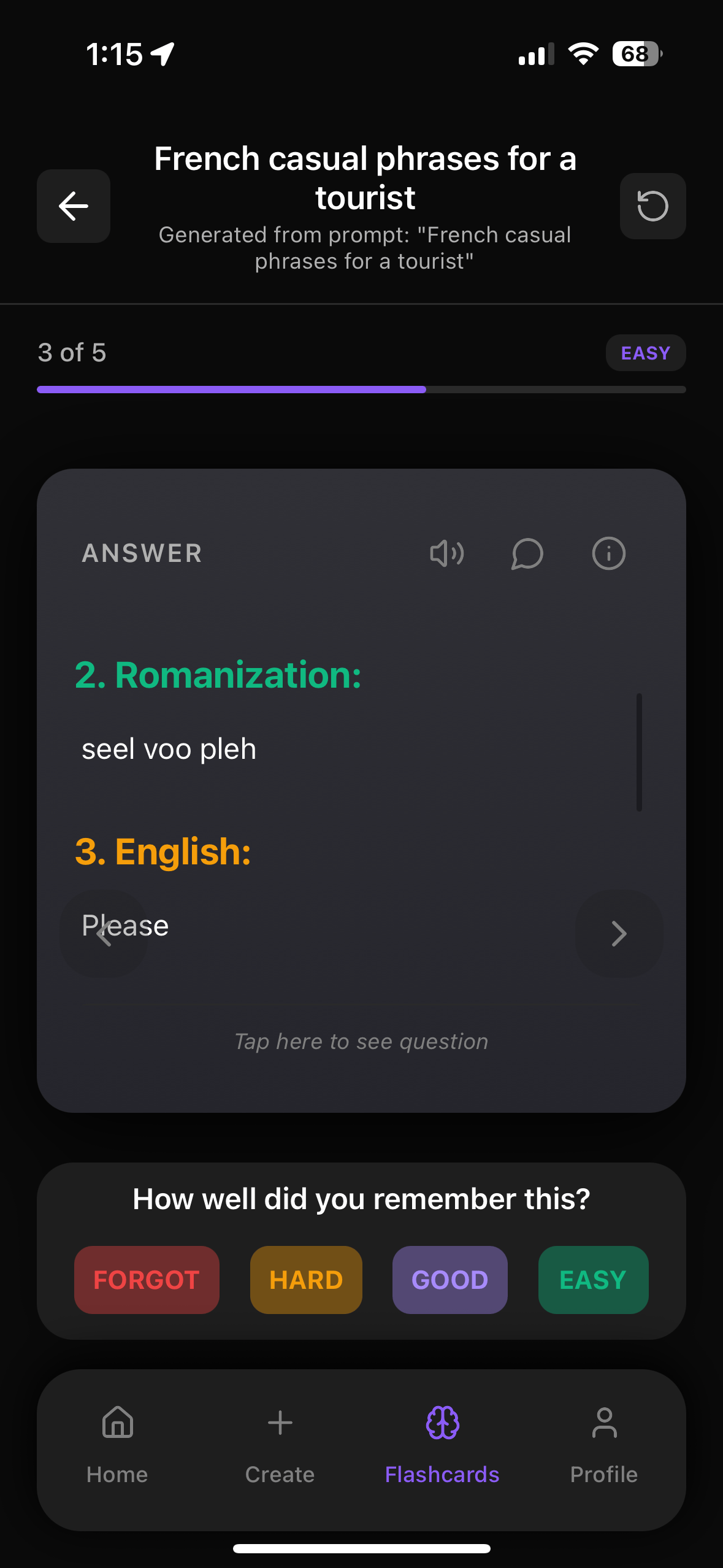
So, What Are The Best Med Cards For Nursing Students?
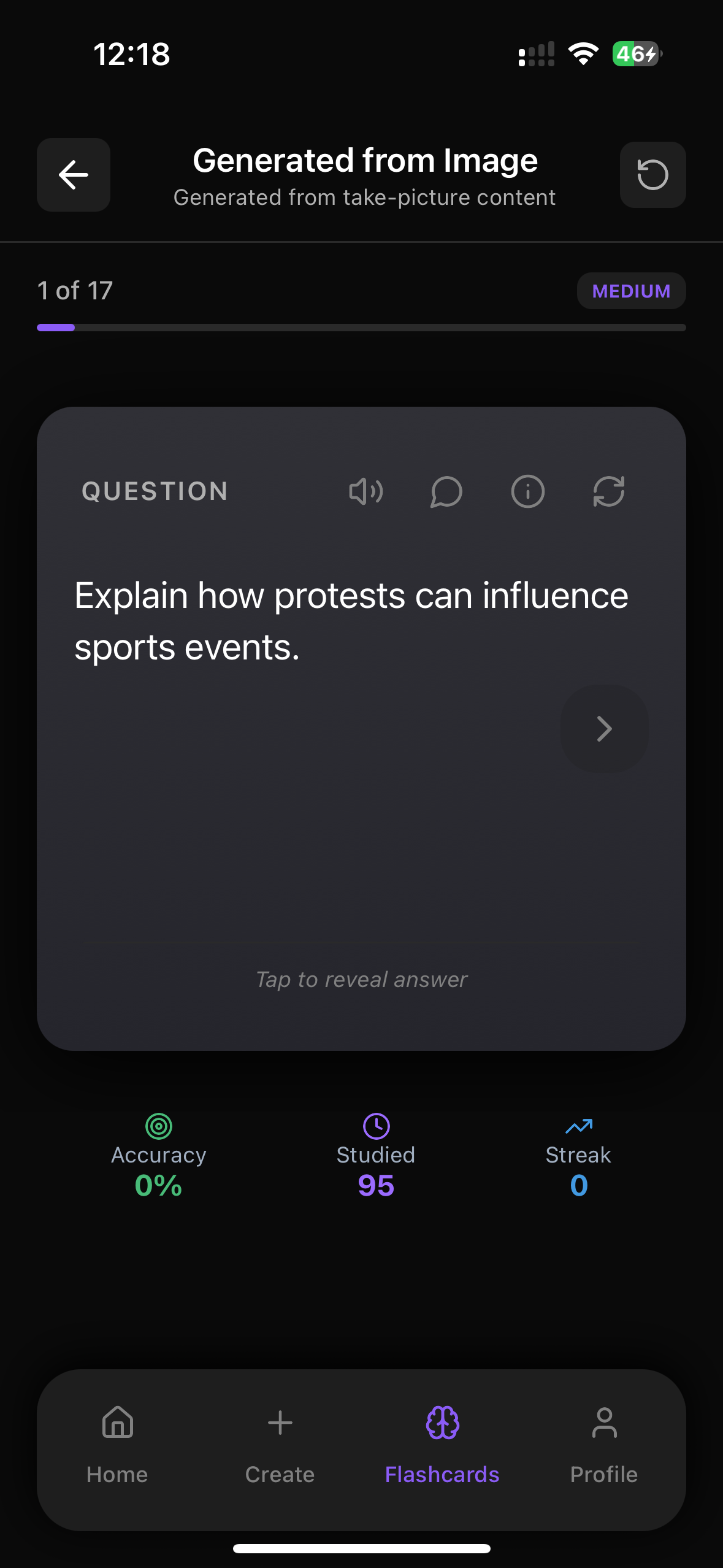
So, you’re looking for the best med cards for nursing students that actually help you remember meds, not just collect dust on your desk? Honestly, the best “med cards” aren’t just physical cards anymore – it’s using a smart flashcard app like Flashrecall that builds, organizes, and reviews your drug cards for you. Flashrecall lets you turn your lecture notes, PDFs, textbook pages, or even photos of your med sheets into flashcards in seconds, then uses spaced repetition and active recall so you don’t forget them the next day. It’s fast, free to start, works offline, and way more flexible than a giant stack of index cards. You can grab it here:
https://apps.apple.com/us/app/flashrecall-study-flashcards/id6746757085
Why Traditional Med Cards Kinda Suck (And What To Do Instead)
Alright, let’s be real:
- Writing out hundreds of drug cards by hand takes forever
- You lose cards, spill coffee on them, or just stop using them
- You have no system to know what to review when
The idea of med cards is great:
- One drug per card
- Key info at a glance
- Perfect for quick review
But the problem isn’t the cards, it’s the workflow.
That’s where something like Flashrecall makes a huge difference. Instead of spending hours making cards, you can:
- Snap a photo of your med chart or textbook page → Flashrecall turns it into flashcards
- Paste text or PDF content (like drug tables or study guides) → instant cards
- Add your own manual cards if you like the control
- Let the app handle spaced repetition, so it auto-reminds you what to review and when
So you still get the benefit of “med cards” – but without the time-wasting, messy, paper chaos.
What Makes A “Good” Med Card For Nursing Students?
Before we talk tools, let’s talk structure. The best med cards for nursing students all have the same core pieces:
For each drug, you want:
- Generic & brand name
- Drug class
- Mechanism of action (short and simple)
- Therapeutic use (what it treats)
- Key side effects (especially dangerous ones)
- Adverse reactions / black box warnings
- Nursing considerations (labs to monitor, vital signs, hold parameters)
- Patient teaching (what you’d tell a patient in real life)
In Flashrecall, you can make one drug = multiple cards, like:
- Front: “Metoprolol – Drug Class?” → Back: “Beta-1 selective blocker”
- Front: “Metoprolol – Nursing Considerations?” → Back: bullet list
- Front: “Metoprolol – What do you monitor before giving?” → Back: “BP, HR, hold if HR < 60 (per facility policy)”
Breaking it up like this is way better than stuffing everything on one card your brain will never fully recall.
Physical Med Cards vs Digital Med Cards
Physical Med Cards (Index Cards, Pre-Made Decks)
- Great if you like writing things out
- Easy to flip through quickly
- No tech needed
- Easy to lose or damage
- Hard to reorganize
- No reminders – you have to remember to review
- Takes forever to make, especially for whole drug classes
- Can’t search them like you can in an app
Digital Med Cards (Apps Like Flashrecall)
- Instant creation from photos, PDFs, text, or typed notes
- Built-in spaced repetition so you see cards right before you forget them
- Searchable – find “beta blockers” or “ACE inhibitors” in seconds
- Works on iPhone and iPad, and offline
- You can edit, tag, and organize by exam, system, or semester
- You can chat with the flashcard in Flashrecall if you’re confused and want more explanation
- You need your phone or tablet charged
- Slight learning curve (but Flashrecall is pretty intuitive and modern)
If you’re already drowning in content, digital med cards are just more realistic. You can still handwrite a few if that helps you remember; just don’t rely on that as your only system.
Why Flashrecall Works So Well For Med Cards
You know what’s cool about Flashrecall? It’s basically built for exactly what nursing students need: tons of detailed info, memorized over time, without burning out.
Here’s how it helps specifically with med cards:
1. Create Med Cards Instantly (From Almost Anything)
You can make cards from:
- Photos of textbook pages, printed drug sheets, lecture slides
- Text you copy-paste from your notes or online resources
- PDFs (like ATI, NCLEX prep, or school handouts)
- YouTube links – pull out key points from pharmacology videos
- Manual entry for those custom, super-focused cards
Instead of spending 2–3 hours making cards, you can spend that time actually reviewing them.
2. Built-In Spaced Repetition (No Extra Setup)
Flashrecall has spaced repetition baked in, so you don’t have to think about scheduling reviews.
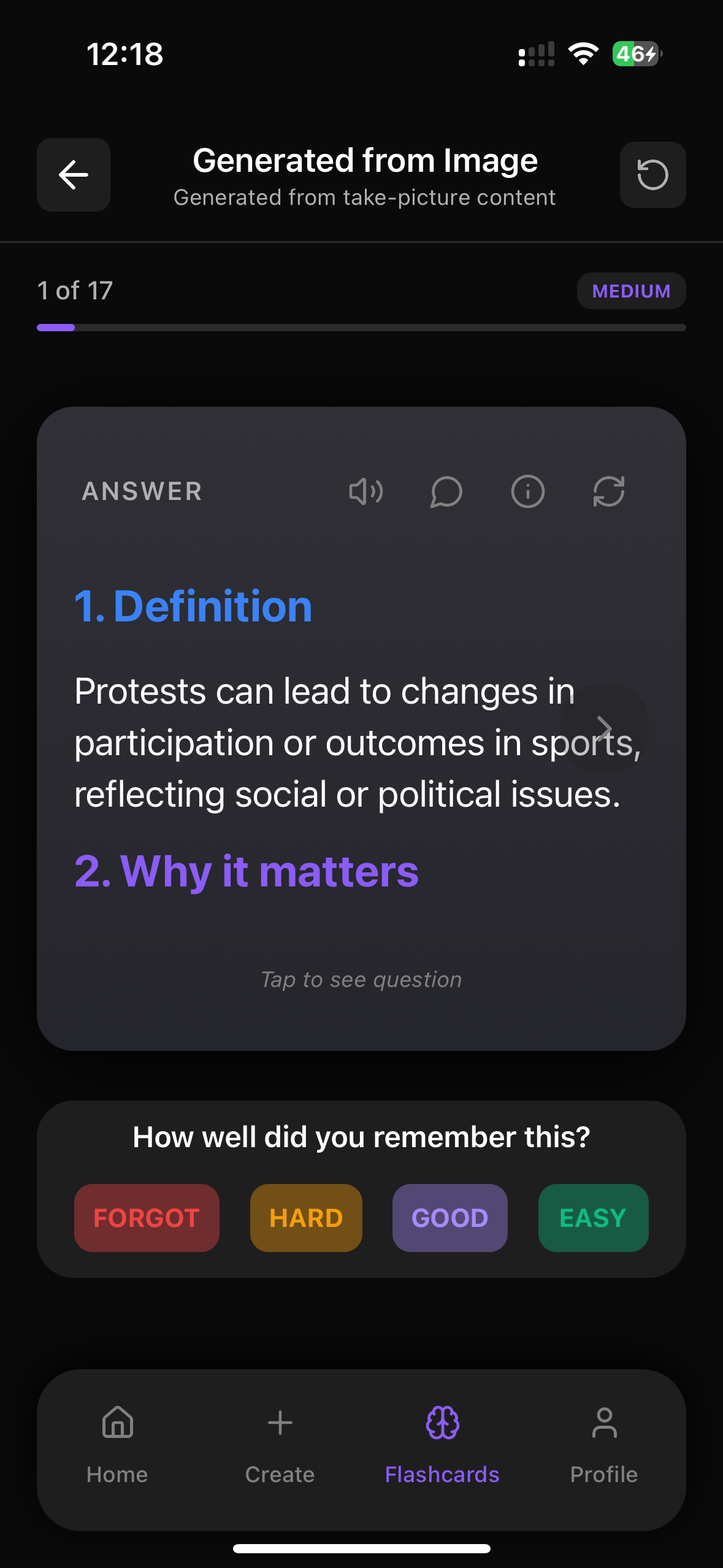
You rate how well you remembered a card, and the app:
- Shows you harder cards more often
- Pushes easy cards further out
- Sends study reminders so you don’t ghost your med cards for a week
This is huge for pharm because you’re memorizing hundreds of drugs, and your brain will absolutely forget unless you review them at the right intervals.
3. Active Recall Done Right
Med cards are only useful if you’re actively testing yourself, not just rereading.
With Flashrecall, you:
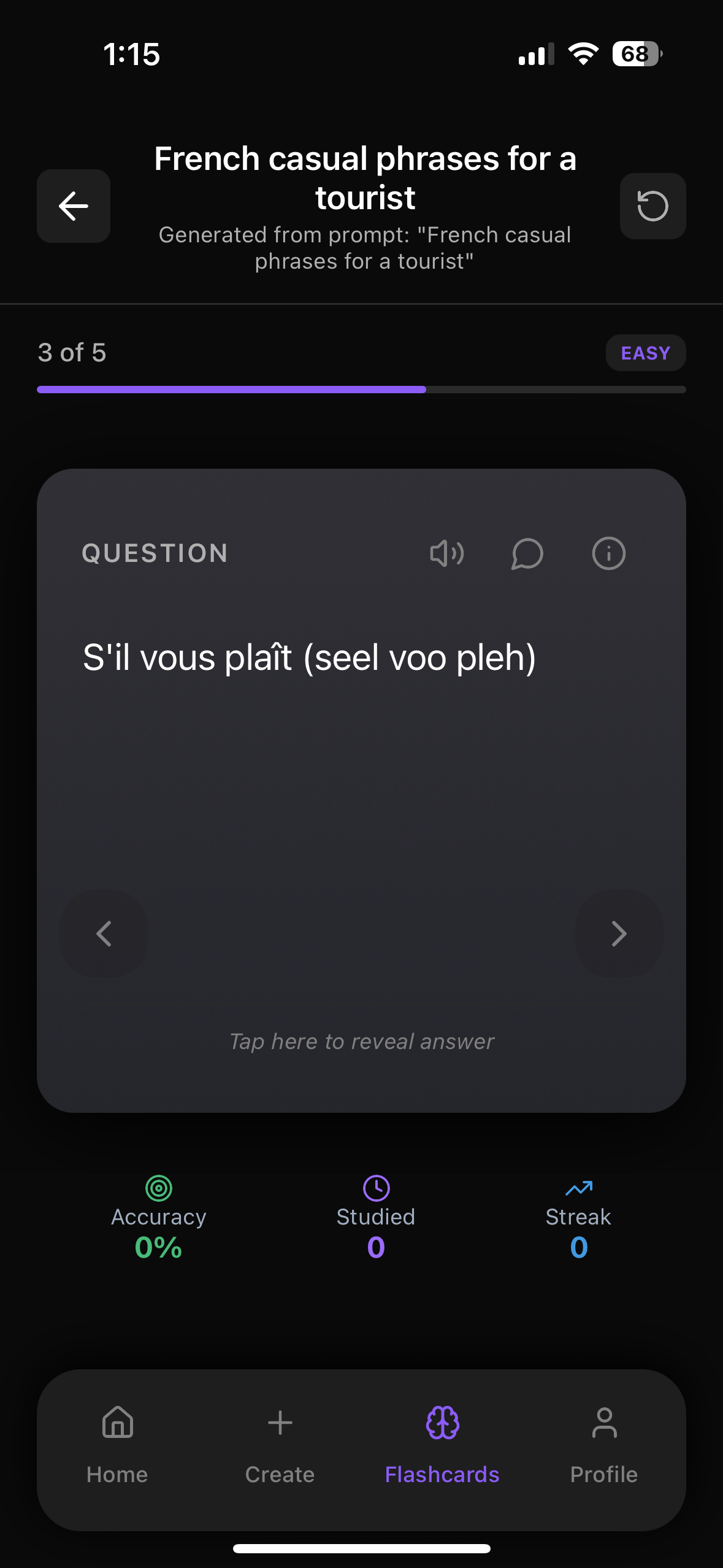
- See the front (e.g., “What are the side effects of lisinopril?”)
- Try to recall from memory
- Flip the card and rate how well you did
That constant “brain pull” is what actually builds long-term memory.
4. Chat With Your Flashcards When You’re Stuck
This is where Flashrecall is extra cool: if a card is confusing, you can chat with the flashcard.
Flashrecall automatically keeps track and reminds you of the cards you don't remember well so you remember faster. Like this :
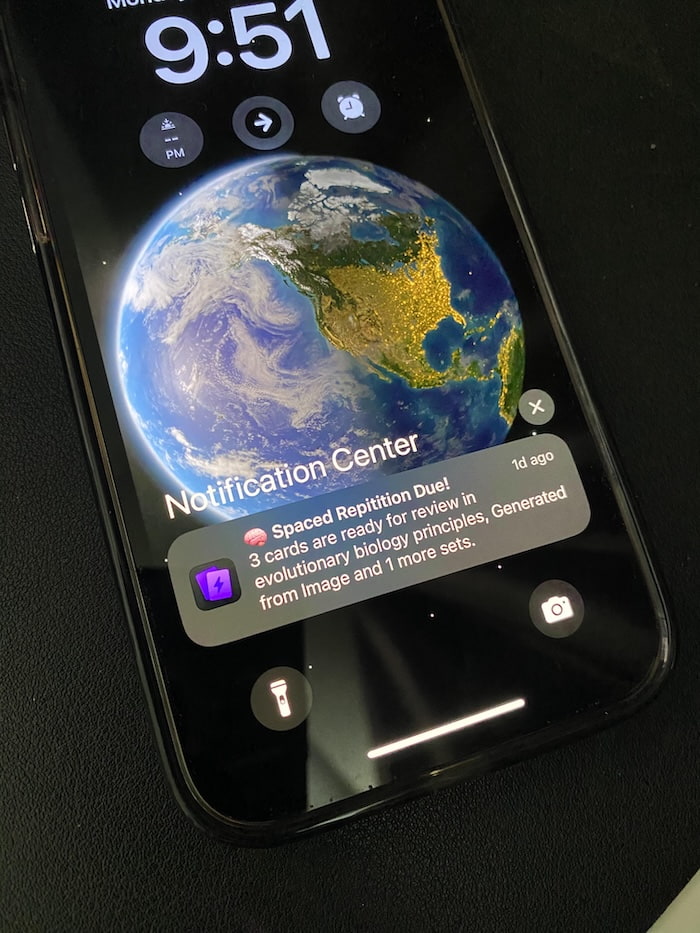
Example:
You’ve got a card on warfarin and you’re like, “Wait, why do we check INR again?”
You can ask the card for more explanation, breakdowns, or examples.
It’s like having a mini tutor inside your flashcard deck.
5. Works Offline (Perfect For Clinicals)
No Wi-Fi on the unit? No problem.
You can review your med cards:
- In the car before clinical
- On lunch break
- In bed the night before a pharm exam
Flashrecall works offline on iPhone and iPad, so your med cards are always with you.
Grab it here if you haven’t yet:
https://apps.apple.com/us/app/flashrecall-study-flashcards/id6746757085
How To Set Up The Best Med Cards For Nursing Students Inside Flashrecall
Here’s a simple setup you can copy:
Step 1: Create Decks By System Or Course
Examples:
- “Pharm – Cardiac Meds”
- “Pharm – Antibiotics”
- “Med-Surg – Respiratory Meds”
- “NCLEX – High-Yield Meds”
Organizing this way makes it easier to cram for specific exams.
Step 2: Use A Consistent Format For Each Drug
For each drug (or drug class), make multiple cards:
- Front: “Lisinopril – Drug Class?”
Back: “ACE inhibitor”
- Front: “Lisinopril – Major Side Effect To Watch For?”
Back: “Dry cough, hyperkalemia, angioedema, hypotension”
- Front: “Lisinopril – Nursing Considerations?”
Back:
- Check BP before giving
- Monitor K+ and creatinine
- Watch for swelling of face/tongue (angioedema)
- Front: “Patient teaching for lisinopril?”
Back:
- Change positions slowly
- Report facial swelling or difficulty breathing
- Don’t use salt substitutes high in potassium
Short, focused cards > one giant essay card.
Step 3: Add Cards From Your Real Life
After clinical or lecture, quickly:
- Snap a photo of the meds list or slides
- Drop it into Flashrecall
- Let it generate cards
- Edit any that you want to tweak
Now your med cards are built from what your instructors actually care about.
How Flashrecall Compares To Other Flashcard Options
You might be thinking about other apps or premade med cards, so here’s a quick comparison:
Pre-Made Physical Med Card Sets
- Pros: Ready to go, no setup
- Cons:
- Often too generic or not aligned with your program
- You can’t easily add your own notes or change them
- No spaced repetition built in
- Bulky to carry around
Simple Flashcard Apps (Basic Q/A)
- Pros: Better than nothing, you can make digital cards
- Cons:
- No automatic spaced repetition in many simple apps
- No AI help from photos, PDFs, or YouTube
- No chat-with-card feature
- Often clunky or outdated UI
Flashrecall
- Makes cards from images, PDFs, text, audio, YouTube links, or manual entry
- Has built-in spaced repetition and study reminders
- Lets you chat with flashcards to go deeper when you’re confused
- Works offline, free to start, and is fast and modern
- Great not just for pharm, but all nursing content – patho, labs, procedures, NCLEX prep, even languages or business if you ever switch gears
If you’re going to spend hours studying, it just makes sense to use something that actually boosts retention instead of just “feeling” productive.
Example: Turning A Med Sheet Into Flashcards In Minutes
Let’s say you’ve got a PDF or printed sheet on beta blockers.
With Flashrecall, you can:
1. Upload the PDF or snap a photo of the page
2. Let the app generate draft flashcards like:
- “What is the mechanism of action of beta blockers?”
- “What are common side effects of beta blockers?”
- “What should the nurse assess before giving a beta blocker?”
3. Skim, edit, and save the ones you like
4. Start reviewing – and the app will handle the timing of future reviews
That’s way faster than handwriting 20+ cards from scratch.
Final Tips For Crushing Pharm With Med Cards
To wrap it up, here’s how to get the most out of your med cards:
- Start early – don’t wait until the week of the exam
- Focus on patterns – learn drug classes, not just random one-off drugs
- Use short, focused questions on each card
- Mix in nursing considerations + patient teaching, not just memorizing names
- Review a little every day – spaced repetition will do the heavy lifting
- Use your dead time (bus rides, waiting rooms, before class) to review on your phone
And honestly, if you want the best med cards for nursing students, don’t just buy another physical deck you’ll barely touch. Set yourself up with a system that:
- Creates cards fast
- Reminds you when to study
- Helps you actually remember long-term
That’s exactly what Flashrecall is built for.
You can try it here (free to start):
https://apps.apple.com/us/app/flashrecall-study-flashcards/id6746757085
Your future pharm-exam self will seriously thank you.
Frequently Asked Questions
What's the fastest way to create flashcards?
Manually typing cards works but takes time. Many students now use AI generators that turn notes into flashcards instantly. Flashrecall does this automatically from text, images, or PDFs.
Is there a free flashcard app?
Yes. Flashrecall is free and lets you create flashcards from images, text, prompts, audio, PDFs, and YouTube videos.
How do I start spaced repetition?
You can manually schedule your reviews, but most people use apps that automate this. Flashrecall uses built-in spaced repetition so you review cards at the perfect time.
What is active recall and how does it work?
Active recall is the process of actively retrieving information from memory rather than passively reviewing it. Flashrecall forces proper active recall by making you think before revealing answers, then uses spaced repetition to optimize your review schedule.
Related Articles
- Nursing Flashcards: 7 Powerful Study Tricks To Pass Exams Faster And Actually Remember What You Learn – Most Nursing Students Never Use Tip #4
- 200 Drug List Flashcards: The Complete Guide To Memorizing Meds Fast (Without Burning Out) – Learn how to actually remember all 200 drugs with smart flashcards, spaced repetition, and a setup you can reuse for every exam.
- Barnes And Noble Pharmacology Flash Cards: Smarter Alternatives, Study Hacks, And The Fastest Way To Actually Remember Drugs
Research References
The information in this article is based on peer-reviewed research and established studies in cognitive psychology and learning science.
Cepeda, N. J., Pashler, H., Vul, E., Wixted, J. T., & Rohrer, D. (2006). Distributed practice in verbal recall tasks: A review and quantitative synthesis. Psychological Bulletin, 132(3), 354-380
Meta-analysis showing spaced repetition significantly improves long-term retention compared to massed practice
Carpenter, S. K., Cepeda, N. J., Rohrer, D., Kang, S. H., & Pashler, H. (2012). Using spacing to enhance diverse forms of learning: Review of recent research and implications for instruction. Educational Psychology Review, 24(3), 369-378
Review showing spacing effects work across different types of learning materials and contexts
Kang, S. H. (2016). Spaced repetition promotes efficient and effective learning: Policy implications for instruction. Policy Insights from the Behavioral and Brain Sciences, 3(1), 12-19
Policy review advocating for spaced repetition in educational settings based on extensive research evidence
Karpicke, J. D., & Roediger, H. L. (2008). The critical importance of retrieval for learning. Science, 319(5865), 966-968
Research demonstrating that active recall (retrieval practice) is more effective than re-reading for long-term learning
Roediger, H. L., & Butler, A. C. (2011). The critical role of retrieval practice in long-term retention. Trends in Cognitive Sciences, 15(1), 20-27
Review of research showing retrieval practice (active recall) as one of the most effective learning strategies
Dunlosky, J., Rawson, K. A., Marsh, E. J., Nathan, M. J., & Willingham, D. T. (2013). Improving students' learning with effective learning techniques: Promising directions from cognitive and educational psychology. Psychological Science in the Public Interest, 14(1), 4-58
Comprehensive review ranking learning techniques, with practice testing and distributed practice rated as highly effective

FlashRecall Team
FlashRecall Development Team
The FlashRecall Team is a group of working professionals and developers who are passionate about making effective study methods more accessible to students. We believe that evidence-based learning tec...
Credentials & Qualifications
- •Software Development
- •Product Development
- •User Experience Design
Areas of Expertise
Ready to Transform Your Learning?
Start using FlashRecall today - the AI-powered flashcard app with spaced repetition and active recall.
Download on App Store