Best Pharmacology Flashcards For Medical Students: 7 Powerful Ways To Learn Drugs Faster And Actually Remember Them For Exams
Best pharmacology flashcards for medical students without wasting hours typing. Turn slides, PDFs and screenshots into AI flashcards with spaced repetition.
How Flashrecall app helps you remember faster. It's free
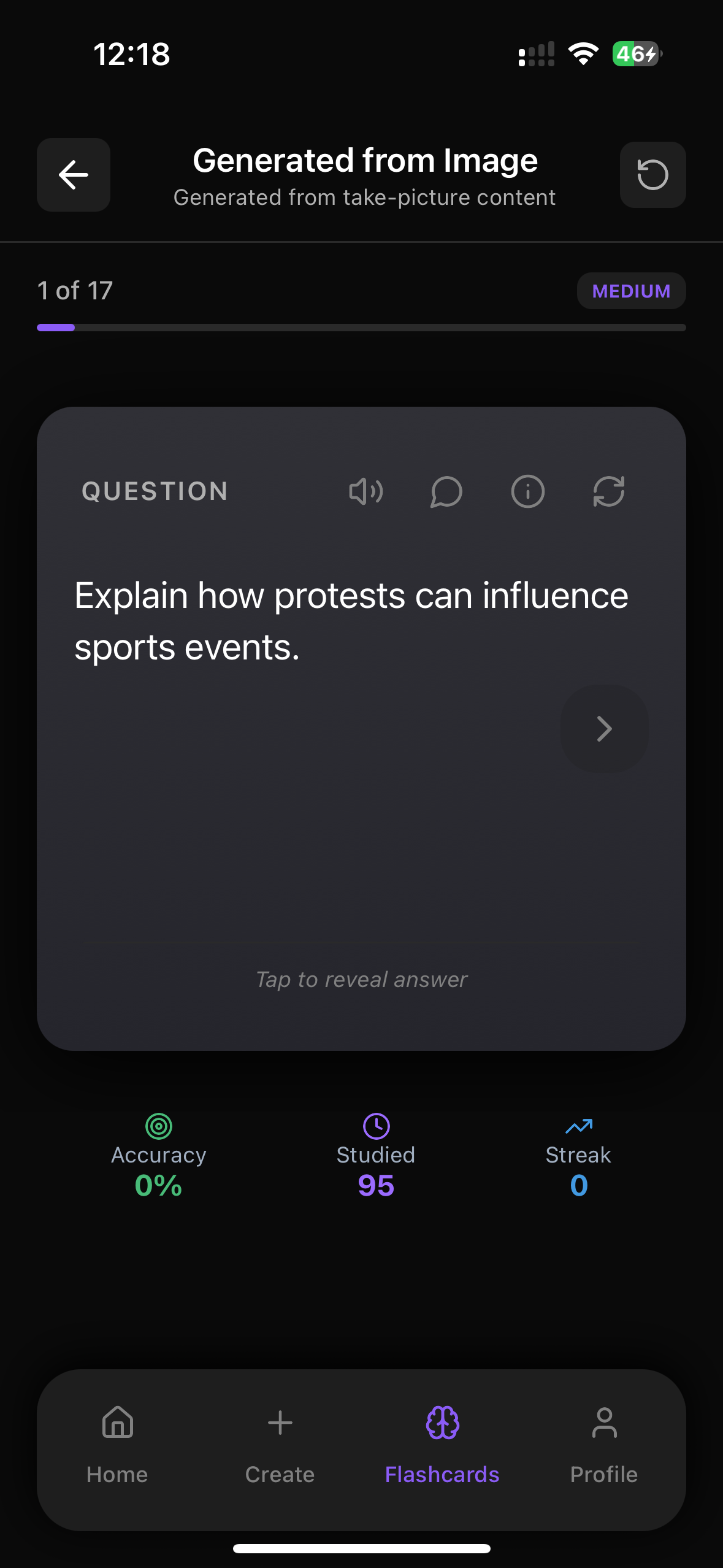
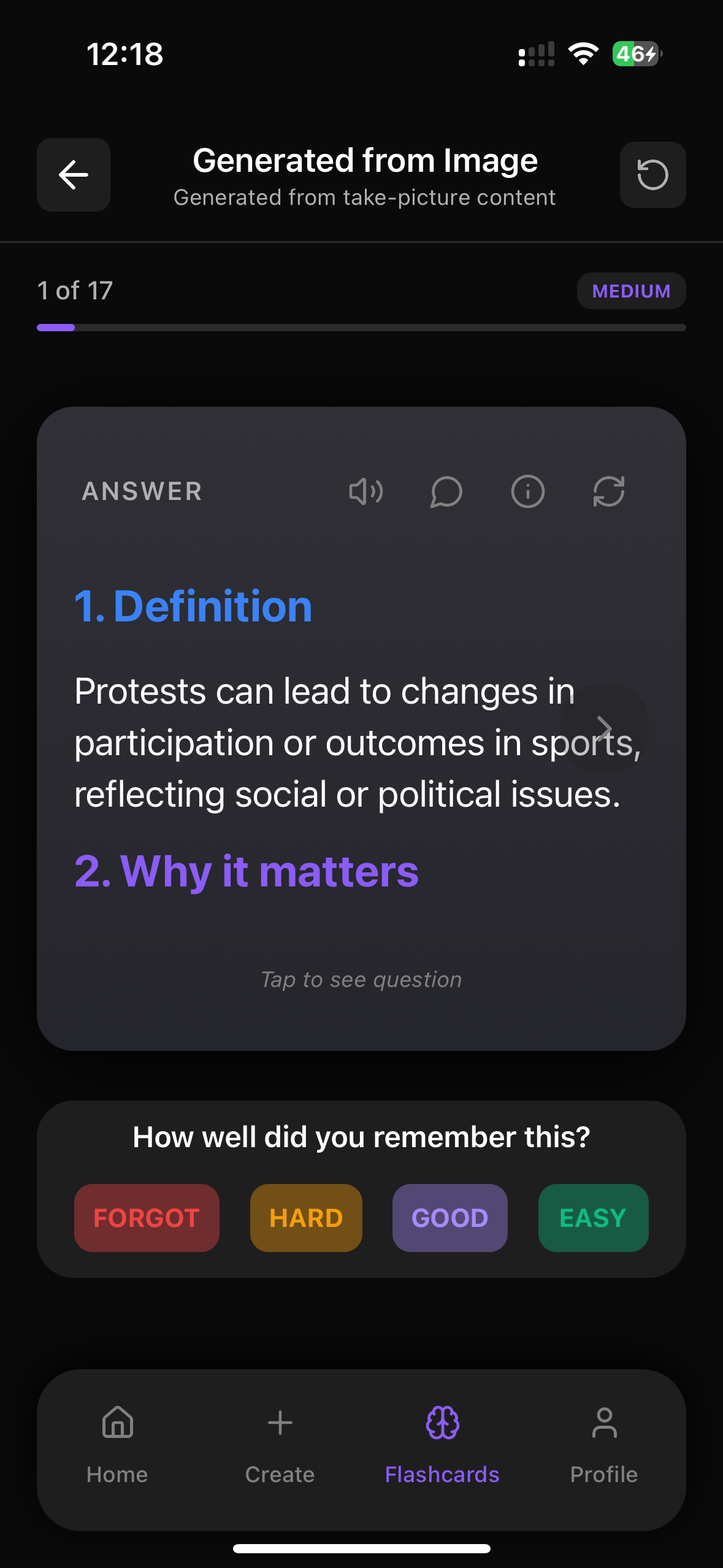
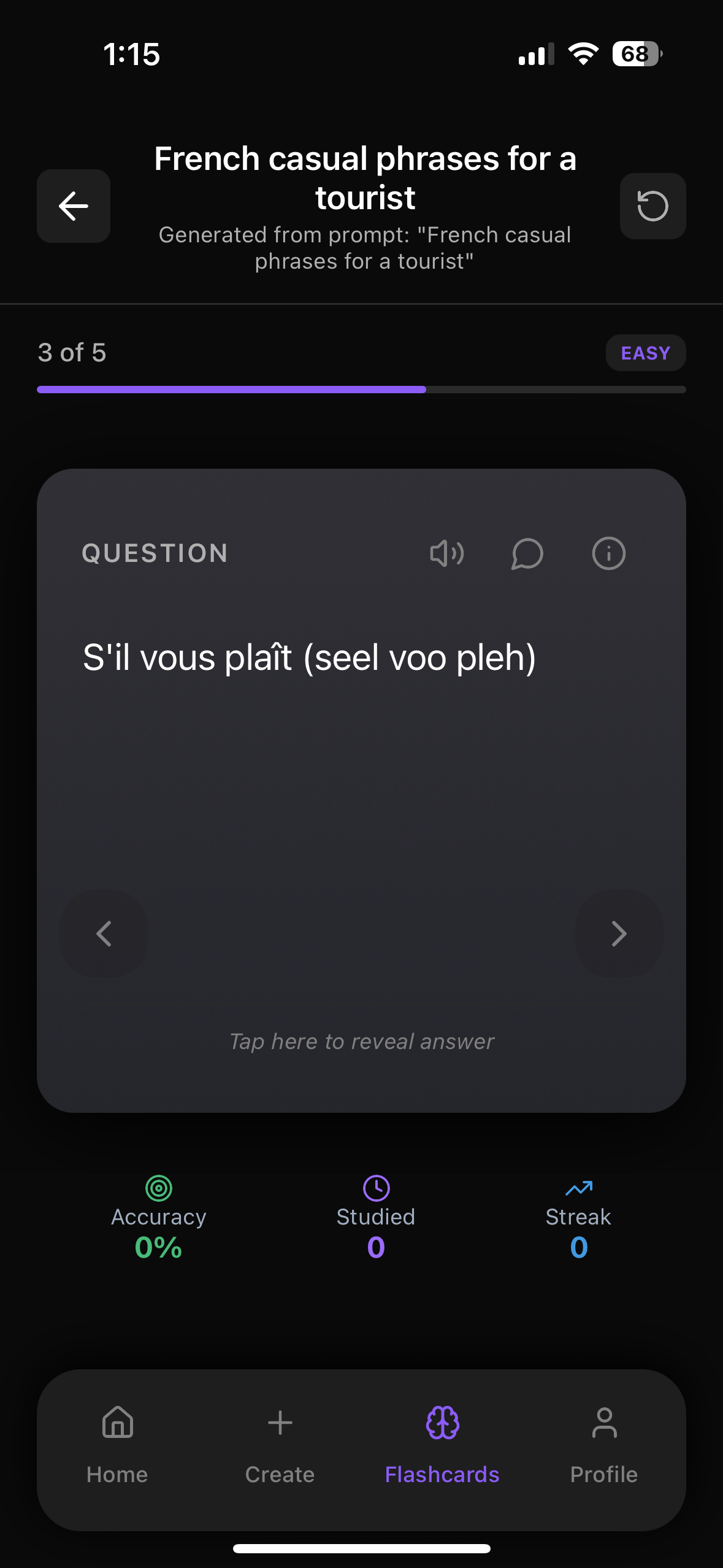
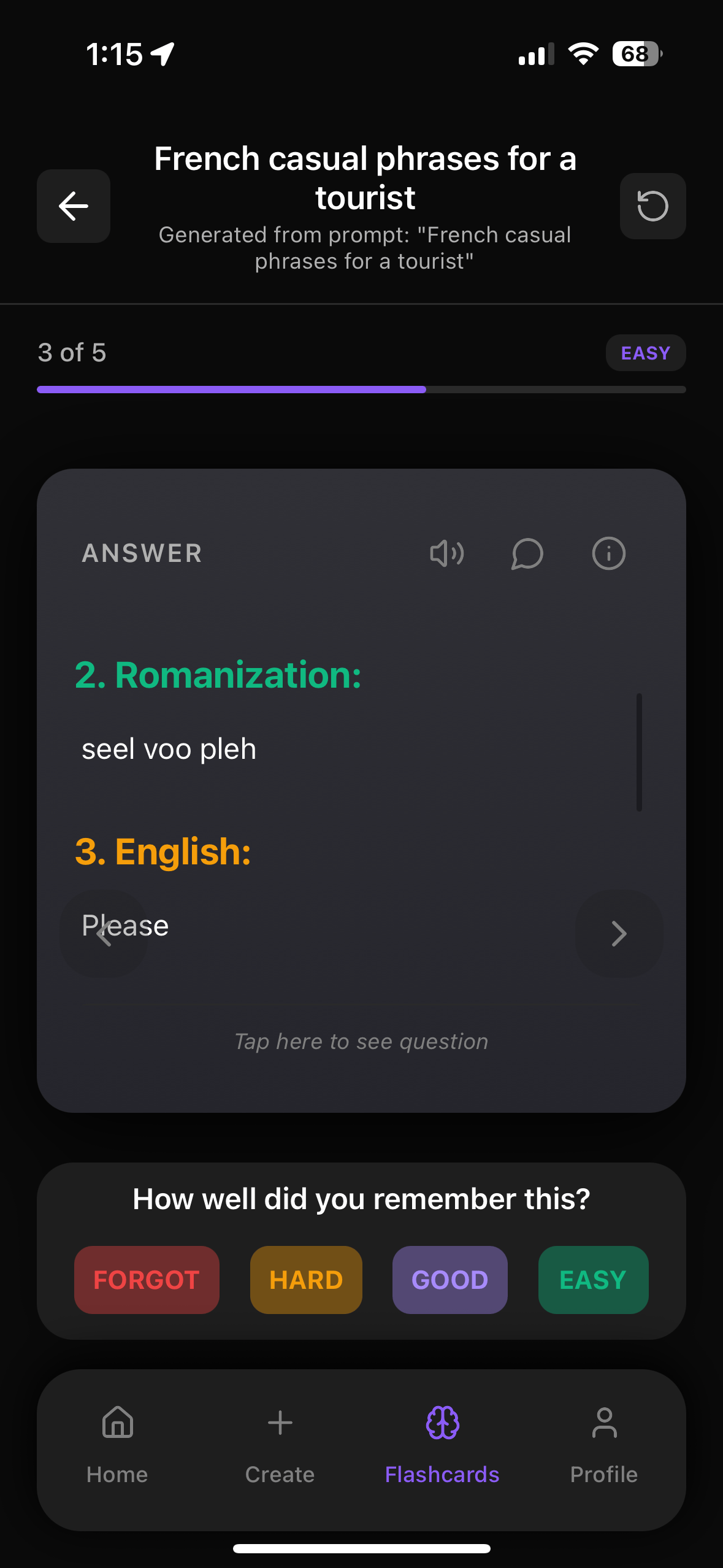
So, you're looking for the best pharmacology flashcards for medical students? Honestly, the easiest move right now is to grab an app like Flashrecall because it lets you turn your lecture slides, PDFs, and even screenshots into smart flashcards in seconds, then automatically spaces your reviews so you actually remember the drugs. That beats buying a static deck that’s out of date the moment guidelines change. With Flashrecall you get AI-generated cards, built‑in spaced repetition, and study reminders all in one place, so you don’t waste time organizing – you just study. You can download it here:
https://apps.apple.com/us/app/flashrecall-study-flashcards/id6746757085
Why Pharmacology Feels So Hard (And Why Flashcards Help So Much)
Alright, let’s be real: pharmacology is brutal.
Drug names, mechanisms, side effects, interactions, contraindications… and then exams expect you to recall all of that fast.
Flashcards work insanely well for pharm because they force active recall:
- “What’s the mechanism of action of metoprolol?”
- “What’s the antidote for heparin?”
- “Which antibiotic causes ototoxicity?”
That constant question–answer loop trains your brain to pull info out quickly, not just recognize it on a slide. And when you combine that with spaced repetition, you stop forgetting everything two weeks after the exam.
That’s exactly where Flashrecall shines: it combines active recall + spaced repetition automatically, so you’re not manually tracking what to review and when.
Why Flashrecall Works So Well For Pharmacology
You know what’s cool about Flashrecall? It’s built for exactly the type of content med students deal with every day.
Here’s what makes it especially good for pharmacology:
- Instant flashcards from your study materials
Take a photo of lecture slides, upload a PDF, paste text, or even use a YouTube link – Flashrecall can turn that into flashcards for you. No more spending hours typing cards when you should be, you know, actually learning the drugs.
- You can still make cards manually
If you’re picky (most med students are), you can create cards exactly how you like them: drug on the front, MOA/side effects/indications on the back, or split them into multiple cards.
- Built‑in spaced repetition
Flashrecall automatically schedules reviews so you see each card right before you’re about to forget it. No manual tagging, no weird custom settings – it just works in the background.
- Study reminders
You get nudges to review, which is huge when you’re juggling wards, lectures, and a life (hopefully).
- Works offline
Perfect for studying on the train, in the hospital basement, or in that one lecture hall with zero signal.
- Chat with your flashcards
Stuck on a concept? You can literally chat with your deck to get explanations or clarifications. Super helpful when you don’t have time to dig through a textbook.
- Free to start, fast, and modern
No clunky old-school UI. It works on both iPhone and iPad, and feels like an app made this decade.
If you’re doing pharmacology, this combo saves you hours and makes your reviews way more efficient:
https://apps.apple.com/us/app/flashrecall-study-flashcards/id6746757085
Pre‑Made Pharmacology Flashcards vs Making Your Own
When people search for “best pharmacology flashcards for medical students,” they usually mean one of two things:
1. Pre‑made decks they can start using immediately
2. A good system/app to create and review their own pharm cards
Let’s break both down.
1. Pre‑Made Pharmacology Decks (And How To Use Them Smartly)
Pre-made decks can be super helpful, especially if:
- You’re short on time
- You want a baseline of “must know” drugs
- You’re prepping for USMLE/board-style exams
Popular deck styles usually include:
- Drug → Class & mechanism
- Drug → Side effects
- Drug → Clinical use
- Drug class → Prototype drug & key facts
If you have PDFs or Anki-style decks from classmates or online communities, you can:
- Import or convert the content into Flashrecall (via text, screenshots, or PDFs)
- Let Flashrecall generate flashcards from those materials
- Then customize or delete what you don’t need
So instead of being stuck with a rigid pre‑made deck, you get a personalized pharm deck that actually matches your lectures and exams.
2. Making Your Own Pharmacology Cards (The Smart Way)
Making your own cards is usually more effective long-term because:
- You remember what you create
- You can focus on what your professors and exams actually care about
- You can simplify explanations into your own words
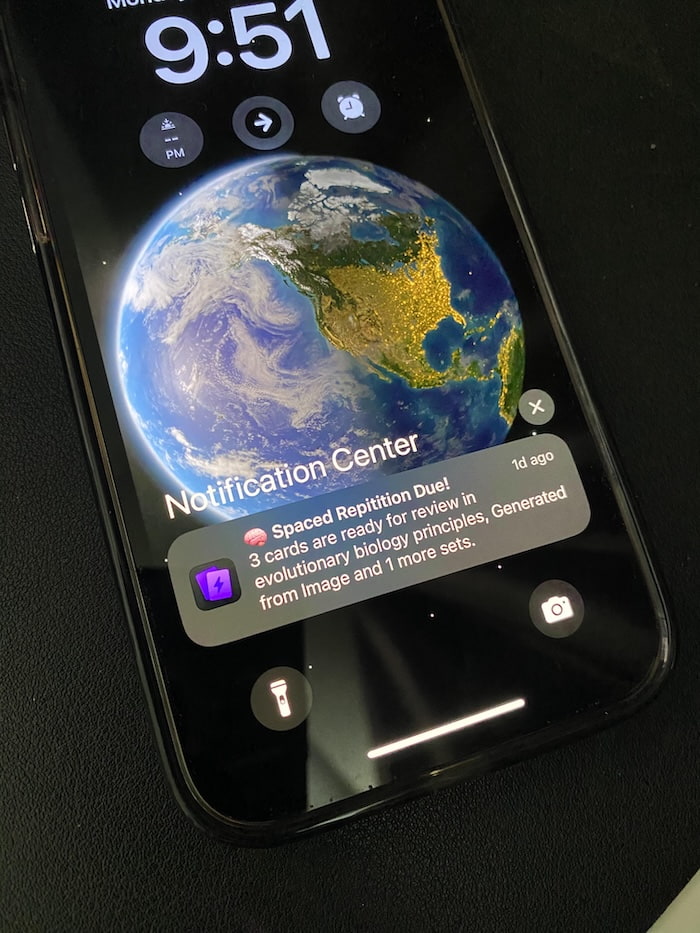
Flashrecall automatically keeps track and reminds you of the cards you don't remember well so you remember faster. Like this :
With Flashrecall, you’ve got two good options:
For each drug, create several simple cards instead of one overloaded one:
- “What is the mechanism of action of [drug]?”
- “What are the main side effects of [drug]?”
- “What are the main clinical uses of [drug]?”
- “What is the antidote/contraindication for [drug]?”
You can:
- Paste a chunk of your pharmacology notes or textbook text into Flashrecall
- Let it generate the first version of your cards
- Edit or split them into smaller, simpler cards
That way you skip the boring part (typing) but keep control over the learning.
How To Structure The Best Pharmacology Flashcards
Here’s a simple structure that works really well for med students:
1. One Question, One Idea
Don’t do this on one card:
- “MOA, side effects, and indications of amiodarone”
Split it up:
- “MOA of amiodarone?”
- “Important side effects of amiodarone?”
- “Main clinical uses of amiodarone?”
Flashrecall makes it easy to add multiple cards quickly, especially if you’re using AI to generate drafts.
2. Use Short, Clear Answers
You don’t need textbook paragraphs. Aim for:
- Bullet points
- Key phrases
- Bold the really high-yield stuff (you can format your text in Flashrecall)
Example:
Main side effects of ACE inhibitors?
- Cough
- Angioedema
- Hyperkalemia
- Teratogenic
- ↑ Creatinine (renal impairment)
Short, clean, and easy to review.
3. Add Context When It Helps
For tricky drugs, add a quick clinical note:
- “Common in heart failure patients”
- “Avoid in pregnancy”
- “Think of this in hypertensive diabetic patients”
You can even ask Flashrecall’s chat to explain why a certain side effect happens if you’re confused, and then turn that explanation into another card.
Daily Pharm Study Routine Using Flashrecall
If you want a simple system, try this:
Step 1: After Each Lecture
- Take photos/screenshots of important slides
- Upload them into Flashrecall
- Let the app generate starter cards for you
- Clean them up in 5–10 minutes
Step 2: Quick Daily Review
- Open Flashrecall
- Do your spaced repetition queue (what the app says is due today)
- This keeps old drugs fresh while you’re learning new ones
Step 3: Add New Cards As You Go
- On the ward and see a drug you don’t recognize?
→ Add it as a quick card on your phone.
- Studying from a PDF?
→ Import it and auto-generate cards instead of typing forever.
Because Flashrecall works offline, you can literally do this anywhere – library, hospital, bus, whatever.
Flashrecall vs Traditional Flashcard Options
You might be thinking about other flashcard apps or paper cards, so here’s how Flashrecall stacks up:
Paper Flashcards
- Good for kinesthetic learners
- No distractions
- No spaced repetition algorithm
- Hard to carry a stack of 500+ pharm cards
- You have to manually organize everything
Basic Digital Flashcards (No AI, No Spaced Repetition)
- Better than nothing
- Easy to type cards
- You still have to decide what to review and when
- No automatic reminders
- No instant cards from PDFs/images
Flashrecall
- AI can create cards from images, PDFs, text, audio, YouTube links
- Built-in active recall + spaced repetition
- Study reminders so you don’t forget to review
- Works offline, on iPhone and iPad
- You can chat with your flashcards for deeper understanding
- Great not just for pharm, but all med school subjects, languages, exams, business, etc.
- Free to start, so you can test it without committing
Link again if you want to just try it now:
https://apps.apple.com/us/app/flashrecall-study-flashcards/id6746757085
7 Tips To Make Your Pharmacology Flashcards Actually Work
To really turn your deck into the best pharmacology flashcards for medical students, a few habits help a lot:
1. Review every day, even if it’s just 10 minutes
Spaced repetition only works if you show up consistently.
2. Keep cards simple
If you keep getting a card wrong, it’s probably too long. Split it.
3. Prioritize high‑yield drugs
Focus on drugs you see in:
- Lectures
- Practice questions
- Clinical rotations
4. Use your own wording
Rewrite explanations in how you would explain it to a friend. It sticks better.
5. Turn practice question mistakes into cards
Every time you miss a pharm question, make 1–2 cards in Flashrecall about it.
6. Mix topics
Don’t study only antibiotics or only cardio drugs in one session. Mixed reviews help memory.
7. Use active recall, not just reading
Actually try to answer the card before flipping. No half‑guessing.
Final Thoughts: What’s The “Best” Pharmacology Flashcard Setup?
If you want something you can start using today without overthinking it, here’s a simple formula:
- Use Flashrecall as your main flashcard app
- Import or create cards from:
- Lecture slides
- PDFs
- Practice questions
- Let the app handle spaced repetition + reminders
- Review a bit every day
That’s honestly the easiest way to turn pharmacology from “impossible wall of drug names” into “manageable daily habit.”
If you’re serious about finding the best pharmacology flashcards for medical students, start with a tool that actually supports how med students study now, not 10 years ago. You can try Flashrecall here:
https://apps.apple.com/us/app/flashrecall-study-flashcards/id6746757085
Frequently Asked Questions
What's the fastest way to create flashcards?
Manually typing cards works but takes time. Many students now use AI generators that turn notes into flashcards instantly. Flashrecall does this automatically from text, images, or PDFs.
Is there a free flashcard app?
Yes. Flashrecall is free and lets you create flashcards from images, text, prompts, audio, PDFs, and YouTube videos.
How do I start spaced repetition?
You can manually schedule your reviews, but most people use apps that automate this. Flashrecall uses built-in spaced repetition so you review cards at the perfect time.
How can I study more effectively for exams?
Effective exam prep combines active recall, spaced repetition, and regular practice. Flashrecall helps by automatically generating flashcards from your study materials and using spaced repetition to ensure you remember everything when exam day arrives.
Related Articles
- Best Anatomy Flashcards For Medical Students: 7 Powerful Ways To Learn Faster, Remember Longer, And Actually Pass Your Exams – Most Med Students Don’t Know #3
- Anki For Clinical Rotations: 7 Proven Flashcard Tips To Crush Shelf Exams And Impress Attendings – Stop Randomly Reviewing Cards And Start Studying Smarter Today
- ESL Flashcards Adults: 7 Powerful Ways To Boost Speaking Confidence And Remember New Words Faster – Discover how to turn everyday English into fun, effective flashcard practice you’ll actually stick with.
Research References
The information in this article is based on peer-reviewed research and established studies in cognitive psychology and learning science.
Cepeda, N. J., Pashler, H., Vul, E., Wixted, J. T., & Rohrer, D. (2006). Distributed practice in verbal recall tasks: A review and quantitative synthesis. Psychological Bulletin, 132(3), 354-380
Meta-analysis showing spaced repetition significantly improves long-term retention compared to massed practice
Carpenter, S. K., Cepeda, N. J., Rohrer, D., Kang, S. H., & Pashler, H. (2012). Using spacing to enhance diverse forms of learning: Review of recent research and implications for instruction. Educational Psychology Review, 24(3), 369-378
Review showing spacing effects work across different types of learning materials and contexts
Kang, S. H. (2016). Spaced repetition promotes efficient and effective learning: Policy implications for instruction. Policy Insights from the Behavioral and Brain Sciences, 3(1), 12-19
Policy review advocating for spaced repetition in educational settings based on extensive research evidence
Karpicke, J. D., & Roediger, H. L. (2008). The critical importance of retrieval for learning. Science, 319(5865), 966-968
Research demonstrating that active recall (retrieval practice) is more effective than re-reading for long-term learning
Roediger, H. L., & Butler, A. C. (2011). The critical role of retrieval practice in long-term retention. Trends in Cognitive Sciences, 15(1), 20-27
Review of research showing retrieval practice (active recall) as one of the most effective learning strategies
Dunlosky, J., Rawson, K. A., Marsh, E. J., Nathan, M. J., & Willingham, D. T. (2013). Improving students' learning with effective learning techniques: Promising directions from cognitive and educational psychology. Psychological Science in the Public Interest, 14(1), 4-58
Comprehensive review ranking learning techniques, with practice testing and distributed practice rated as highly effective

FlashRecall Team
FlashRecall Development Team
The FlashRecall Team is a group of working professionals and developers who are passionate about making effective study methods more accessible to students. We believe that evidence-based learning tec...
Credentials & Qualifications
- •Software Development
- •Product Development
- •User Experience Design
Areas of Expertise
Ready to Transform Your Learning?
Start using FlashRecall today - the AI-powered flashcard app with spaced repetition and active recall.
Download on App Store