Biochemistry Anki Study Guide: 7 Powerful Tips To Learn Faster (And A Smarter Alternative Most Students Miss)
Biochemistry Anki feels overwhelming? This breaks down biochemistry anki vs Flashrecall, spaced repetition, and how to make biochem cards that actually work.
How Flashrecall app helps you remember faster. It's free
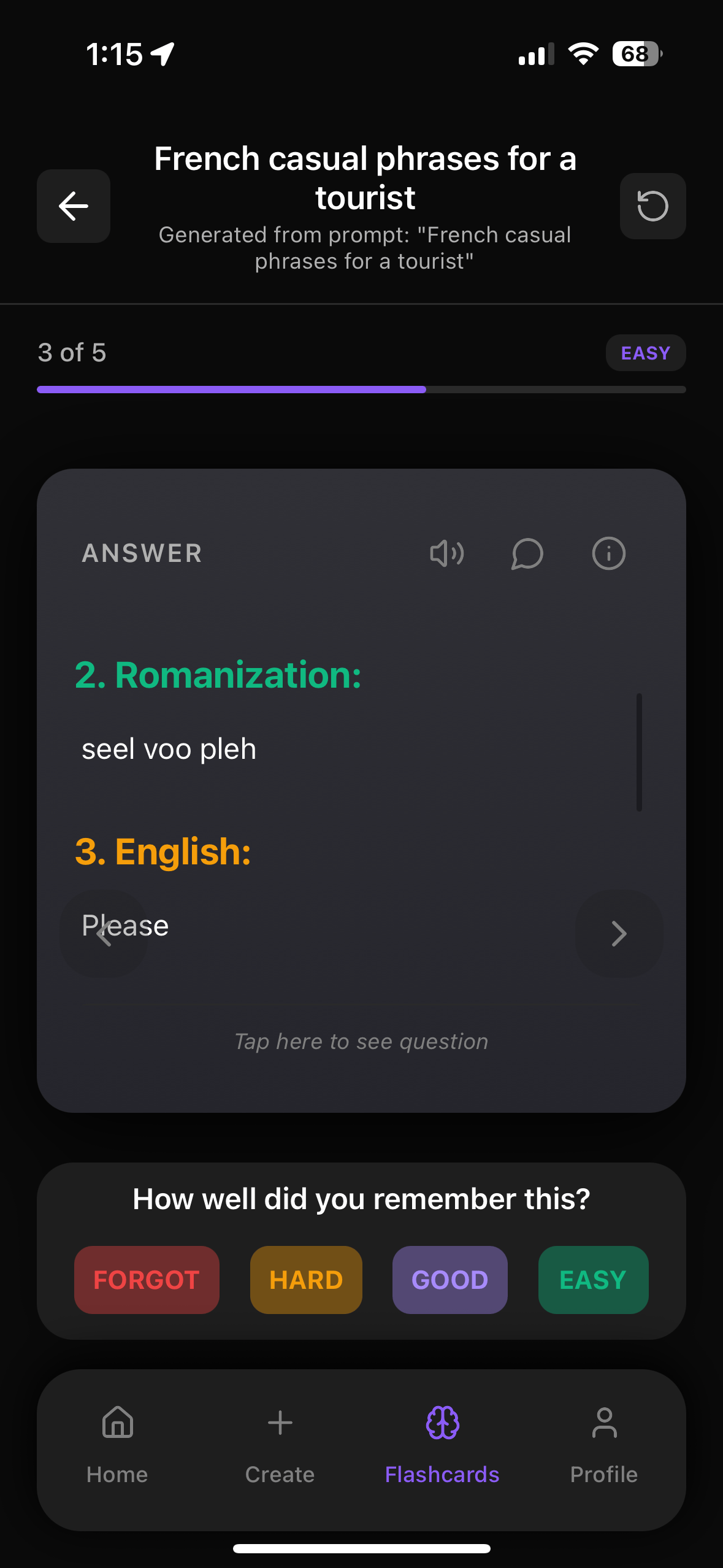
What Biochemistry Anki Actually Is (And Why Everyone Talks About It)
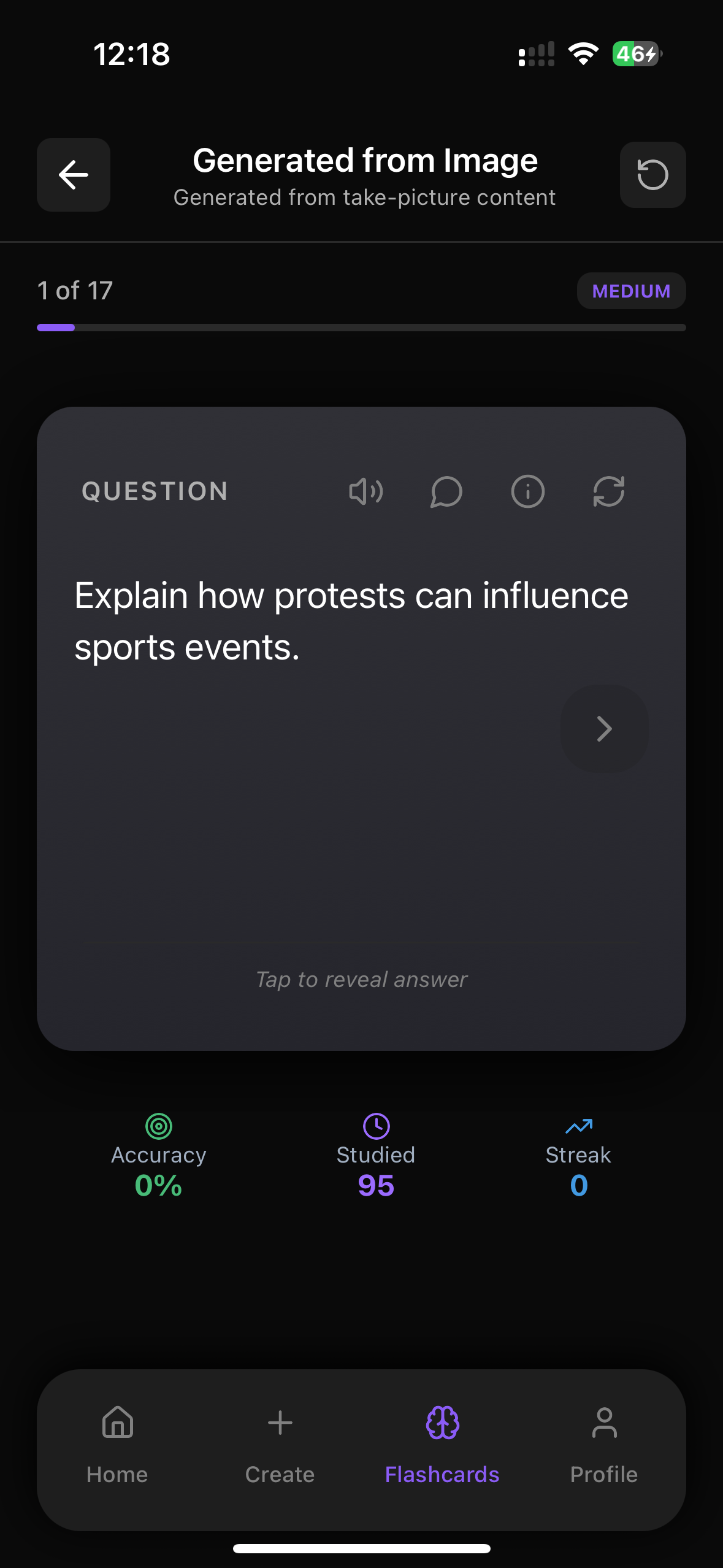
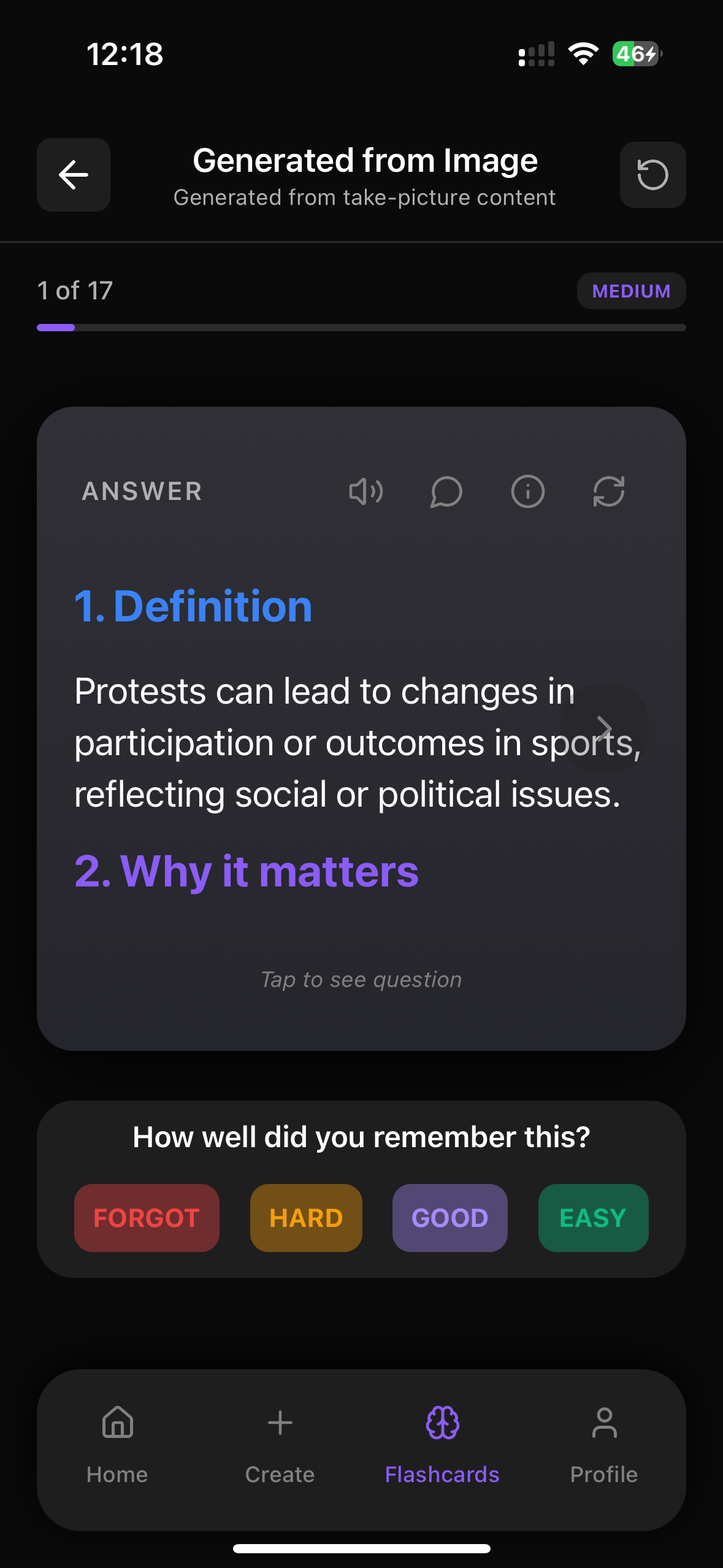
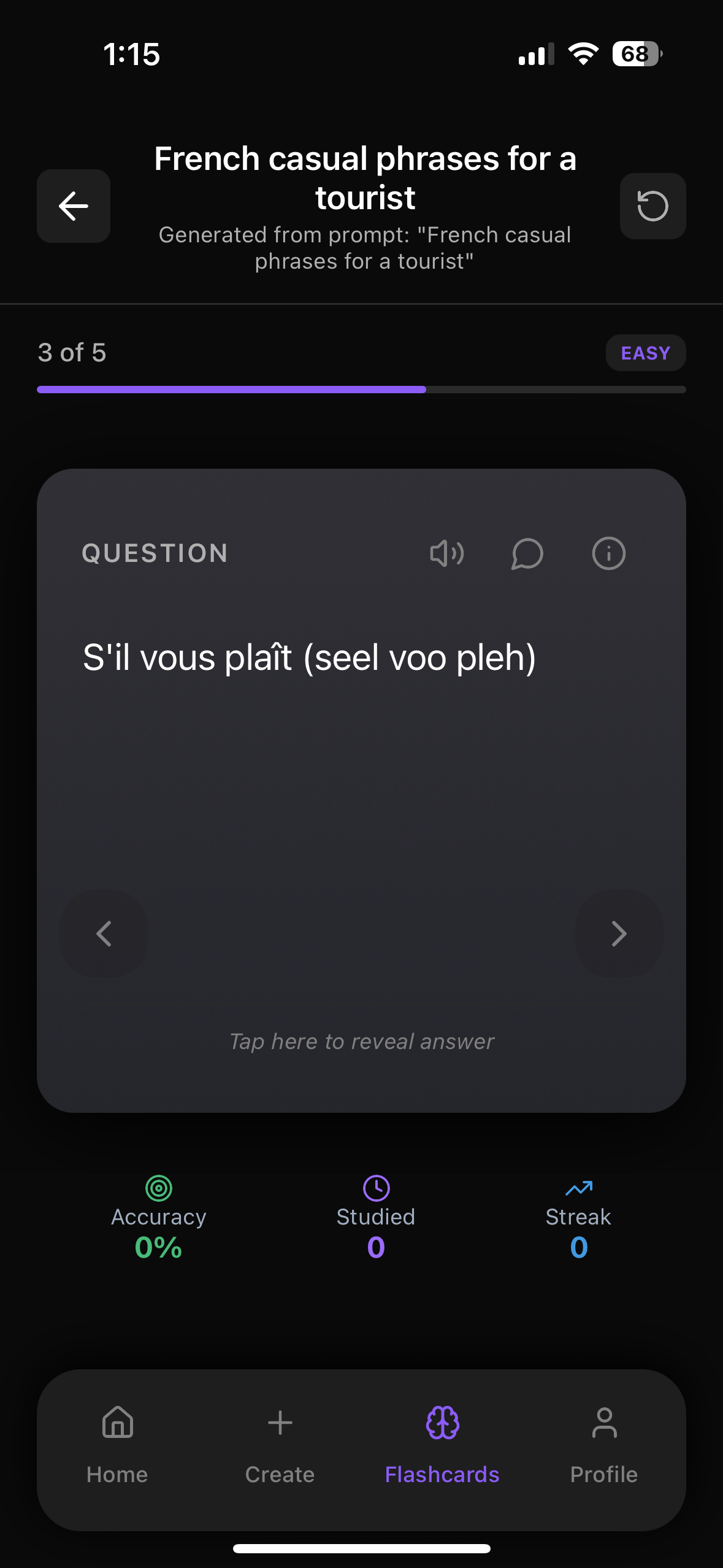
Alright, let's talk about biochemistry Anki because this combo is basically med students’ default survival kit. Biochemistry Anki just means using Anki flashcards to memorize all the enzymes, pathways, structures, and random details in biochem using spaced repetition. The idea is you turn everything into question–answer cards, then Anki shows them to you just before you’re about to forget. It works well, but it can get super messy and overwhelming if your deck is huge or badly made. That’s where using a simpler app like Flashrecall) can make biochem flashcards way easier to create, review, and actually stick with.
Anki vs Flashrecall For Biochemistry: Quick Breakdown
Let’s be real: Anki is powerful, but it’s also:
- Ugly by default
- Hard to set up at first
- Full of complicated settings you probably don’t need
- Easy to mess up if you import random decks
For biochemistry, that can mean:
- Cluttered decks with thousands of cards you don’t really understand
- Overwhelming daily review counts
- Spending more time managing cards than actually learning
- Fast, modern, clean interface
- Built-in spaced repetition with auto reminders
- Works offline on iPhone and iPad
- Free to start
- You can make cards instantly from images, PDFs, text, YouTube, or just typing
- You can even chat with the flashcard if you’re confused and want more explanation
If “biochemistry Anki” feels like too much, you can get the same learning benefits with less friction using Flashrecall:
👉 https://apps.apple.com/us/app/flashrecall-study-flashcards/id6746757085
How Spaced Repetition Helps With Biochemistry (In Normal-Person Terms)
Biochem is brutal because it’s:
- Tons of details (enzymes, cofactors, intermediates)
- Webs of pathways that all connect
- Hard to keep in your head long-term
Spaced repetition basically does this:
1. You see a card.
2. If it’s easy, you see it again in a few days.
3. If it’s hard, you see it again sooner.
4. The better you know it, the less often it appears.
Instead of cramming glycolysis 10 times in one night, you see it a few times over weeks — and your brain actually keeps it.
Both Anki and Flashrecall use spaced repetition. The difference is:
- In Anki, you have to fiddle with settings and card types.
- In Flashrecall, it’s built-in and automatic, with study reminders so you don’t forget to review.
1. How To Use Biochemistry Anki (Or Flashrecall) The Right Way
If you want to make biochem flashcards that actually work, here’s the basic formula:
Turn Lectures and Slides Into Questions
Instead of writing:
> “Glycolysis: Glucose → 2 Pyruvate, 2 ATP, 2 NADH”
Turn it into cards like:
- “What are the net products of glycolysis per glucose molecule?”
- “What enzyme converts fructose-6-phosphate to fructose-1,6-bisphosphate?”
- “Which glycolysis step is rate-limiting?”
That’s active recall — forcing your brain to pull the answer from memory, not just recognize it.
In Flashrecall, this is super fast because you can:
- Take a screenshot of your lecture slide
- Import it into Flashrecall
- Auto-generate flashcards from the text
- Edit them into clean question–answer cards
You can still do this in Anki, but it’s more manual and slower.
2. What Makes A Good Biochemistry Flashcard?
Biochemistry Anki decks often fail because the cards are bloated. Here’s how to fix that.
Keep Cards Short And Focused
Bad card:
> “Explain glycolysis: location, steps, enzymes, energy yield, regulation.”
You will hate this card.
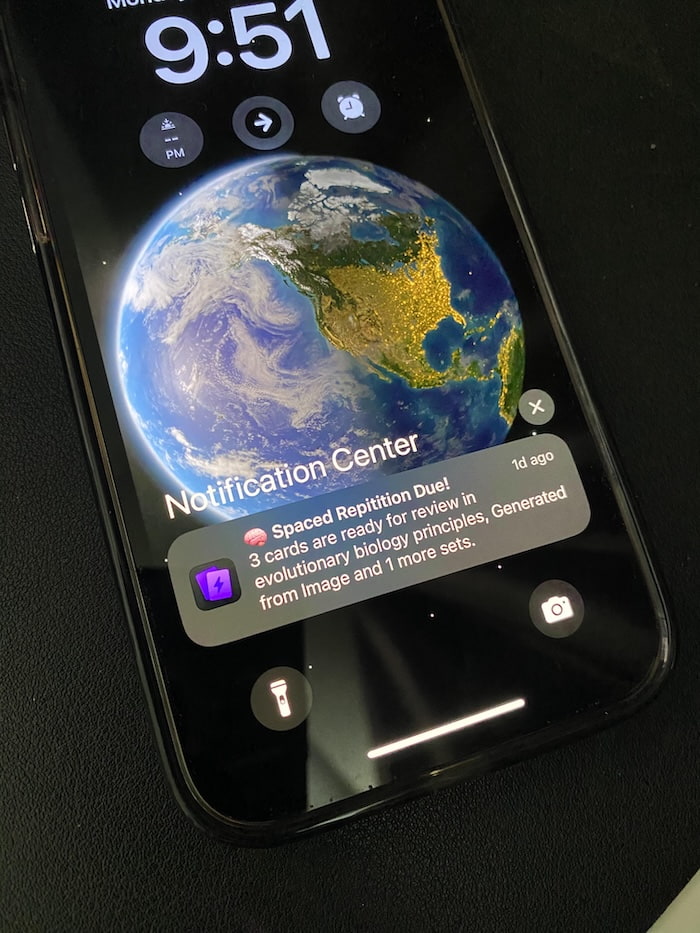
Flashrecall automatically keeps track and reminds you of the cards you don't remember well so you remember faster. Like this :
Better:
- “Where does glycolysis occur in the cell?”
- “What is the rate-limiting enzyme of glycolysis?”
- “How many ATP are produced (net) in glycolysis per glucose?”
- “Which enzyme in glycolysis requires ATP input?”
Short, sharp questions = faster reviews + better memory.
Use “Why” Cards Too
Don’t just memorize facts — understand them.
Examples:
- “Why is hexokinase important in glycolysis?”
- “Why is ATP needed in the early steps of glycolysis?”
- “Why is pyruvate dehydrogenase deficiency dangerous?”
In Flashrecall, if you’re stuck on the “why,” you can literally chat with the flashcard and ask follow-up questions to understand the concept better. That’s something plain biochemistry Anki can’t do.
3. What Should You Actually Make Cards For In Biochem?
You don’t need a card for every sentence in your notes. Focus on:
High-Yield Stuff
- Major pathways:
- Glycolysis
- TCA cycle
- Oxidative phosphorylation
- Urea cycle
- Beta-oxidation, fatty acid synthesis
- Gluconeogenesis
- Key enzymes + their regulators
- Rate-limiting steps
- Important deficiencies (e.g., G6PD, pyruvate kinase, fructose intolerance)
- Clinical correlations (what happens if X enzyme is missing?)
Visual Things
- Pathway diagrams
- Structures you actually need to recognize
- Flowcharts (e.g., how different fates of pyruvate work)
With Flashrecall, you can:
- Snap a pic of a pathway diagram
- Turn it into flashcards (“What is step 3?” “Which enzyme is here?” etc.)
- Review offline on your phone whenever you have a spare minute
4. Using Premade Biochemistry Anki Decks (And Why You Should Be Careful)
A lot of people search “biochemistry Anki deck” and just download whatever’s popular. That can be helpful, but also:
- You might end up with thousands of cards you don’t really understand
- The style might not match your course or exam
- You waste time reviewing stuff that’s not even tested
If you do use premade decks:
1. Suspend most of the cards.
2. Unsuspend only the cards that match what you’ve just learned in class.
3. Add your own cards for things your professor emphasizes.
With Flashrecall, the default mindset is more “build as you go” instead of dumping 10k cards at once. That usually leads to better understanding and less burnout.
5. Why Flashrecall Can Be Easier Than Biochemistry Anki For Busy Students
If you like the idea of biochemistry Anki but hate the setup, Flashrecall is honestly a nicer vibe.
Here’s what makes it smoother:
- Automatic spaced repetition
You don’t have to tweak or understand settings — it just schedules cards for you.
- Study reminders
Flashrecall pings you to review so you don’t fall behind.
- Create cards from anything
- Images (lecture slides, textbooks)
- Text
- PDFs
- YouTube links
- Typed prompts
Makes converting your biochem resources into flashcards way faster.
- Works offline
Study pathways on the bus, on a plane, or in a building with trash Wi‑Fi.
- Chat with your flashcards
If you forget why something is true, you can ask and get more explanation right inside the app.
- Great for all subjects
Not just biochem — you can use it for:
- Other med school courses
- Undergrad biochem
- MCAT, USMLE, nursing, pharmacy
- Languages, business, or any other subject
You can try it free here:
👉 https://apps.apple.com/us/app/flashrecall-study-flashcards/id6746757085
6. Sample Biochemistry Flashcards (You Can Steal These)
Here are some example cards you could put into Anki or Flashrecall.
Glycolysis
TCA Cycle
Urea Cycle
You can drop these straight into Anki or build them in Flashrecall and let the app handle the spacing and reminders.
7. Daily Biochemistry Study Routine Using Flashcards
Here’s a simple routine that works well for biochemistry, whether you use Anki or Flashrecall:
1. After class (20–30 min)
- Go through your notes
- Turn key points into flashcards (enzymes, pathways, high-yield facts)
2. Daily review (15–30 min)
- Open your app
- Do all due cards (spaced repetition handles the scheduling)
3. Weekly (30–60 min)
- Add cards for any weak areas
- Use “why” questions to deepen understanding
With Flashrecall, you’ll also get study reminders, and because it’s fast and modern, it doesn’t feel like a chore to open it and crush a quick review session.
So… Should You Use Biochemistry Anki Or Switch To Flashrecall?
If you already love Anki and have a system, stick with it — just clean up your decks and keep cards simple.
But if:
- Anki feels clunky or confusing
- You keep falling off your review schedule
- You want something that just works on your phone with minimal setup
Then trying Flashrecall is honestly a no-brainer. You still get:
- Active recall
- Spaced repetition
- Long-term retention of all that annoying biochem detail
But with:
- Faster card creation
- A cleaner interface
- Smart reminders
- The ability to chat with your flashcards when you’re stuck
You can grab Flashrecall free on the App Store and test it with your next biochem lecture:
👉 https://apps.apple.com/us/app/flashrecall-study-flashcards/id6746757085
Turn biochemistry from “this is impossible” into “okay, I actually remember this.”
Frequently Asked Questions
Is Anki good for studying?
Anki is powerful but requires manual card creation and has a steep learning curve. Flashrecall offers AI-powered card generation from your notes, images, PDFs, and videos, making it faster and easier to create effective flashcards.
What's the fastest way to create flashcards?
Manually typing cards works but takes time. Many students now use AI generators that turn notes into flashcards instantly. Flashrecall does this automatically from text, images, or PDFs.
How do I start spaced repetition?
You can manually schedule your reviews, but most people use apps that automate this. Flashrecall uses built-in spaced repetition so you review cards at the perfect time.
Related Articles
- Anki Biochemistry: The Complete Guide To Memorizing Pathways Faster (Most Med Students Don’t Do This) – Learn how to actually remember biochem long term and make Anki-style flashcards way faster with a smarter workflow.
- Anki Milesdown: The Complete MCAT Deck Guide (And a Smarter Way To Study It Faster) – Before you sink months into this deck, see how to actually learn it efficiently (and keep your sanity).
- Anki Note Cards: The Complete Guide To Smarter Flashcards (And A Faster Alternative Most Students Don’t Know About) – Learn how anki note cards work, why they’re so effective, and the easier app that makes the whole process way less painful.
Research References
The information in this article is based on peer-reviewed research and established studies in cognitive psychology and learning science.
Cepeda, N. J., Pashler, H., Vul, E., Wixted, J. T., & Rohrer, D. (2006). Distributed practice in verbal recall tasks: A review and quantitative synthesis. Psychological Bulletin, 132(3), 354-380
Meta-analysis showing spaced repetition significantly improves long-term retention compared to massed practice
Carpenter, S. K., Cepeda, N. J., Rohrer, D., Kang, S. H., & Pashler, H. (2012). Using spacing to enhance diverse forms of learning: Review of recent research and implications for instruction. Educational Psychology Review, 24(3), 369-378
Review showing spacing effects work across different types of learning materials and contexts
Kang, S. H. (2016). Spaced repetition promotes efficient and effective learning: Policy implications for instruction. Policy Insights from the Behavioral and Brain Sciences, 3(1), 12-19
Policy review advocating for spaced repetition in educational settings based on extensive research evidence
Karpicke, J. D., & Roediger, H. L. (2008). The critical importance of retrieval for learning. Science, 319(5865), 966-968
Research demonstrating that active recall (retrieval practice) is more effective than re-reading for long-term learning
Roediger, H. L., & Butler, A. C. (2011). The critical role of retrieval practice in long-term retention. Trends in Cognitive Sciences, 15(1), 20-27
Review of research showing retrieval practice (active recall) as one of the most effective learning strategies
Dunlosky, J., Rawson, K. A., Marsh, E. J., Nathan, M. J., & Willingham, D. T. (2013). Improving students' learning with effective learning techniques: Promising directions from cognitive and educational psychology. Psychological Science in the Public Interest, 14(1), 4-58
Comprehensive review ranking learning techniques, with practice testing and distributed practice rated as highly effective

FlashRecall Team
FlashRecall Development Team
The FlashRecall Team is a group of working professionals and developers who are passionate about making effective study methods more accessible to students. We believe that evidence-based learning tec...
Credentials & Qualifications
- •Software Development
- •Product Development
- •User Experience Design
Areas of Expertise
Ready to Transform Your Learning?
Start using FlashRecall today - the AI-powered flashcard app with spaced repetition and active recall.
Download on App Store