Cram Flash Cards App: The Powerful Guide
The cram flash cards app uses spaced repetition and active recall to help you remember information fast. Create flashcards from any notes or media for.
How Flashrecall app helps you remember faster. It's free
Cram Flash Cards That Actually Work (And Don’t Melt Your Brain)
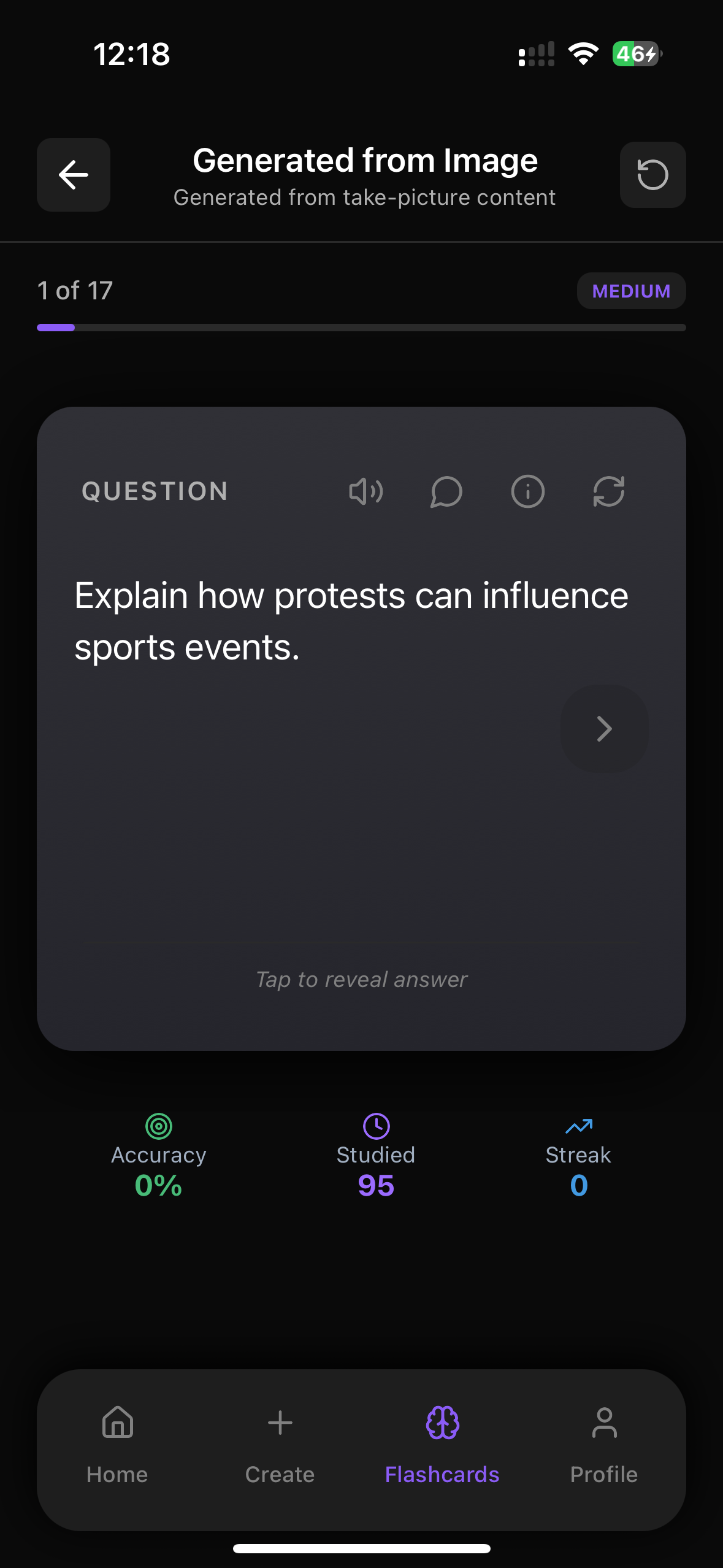
Hey there! So, let's chat about this cram flash cards app. It might sound a bit techy at first, but it’s really just like having a pocket-sized brain booster. Perfect for when you need to learn stuff fast, like prepping for exams or figuring out that new language, or even if you're trying to remember your buddy's dog's name. Flashcards make everything bite-sized and way easier to remember. The magic comes with how you use them—think about mixing in some active recall, spaced repetition, and a dash of daily practice. That's where Flashrecall swoops in, making things super simple by turning your notes into flashcards and giving you a nudge to review them just when you need it. So, if you've ever
If you want a fast, modern way to turn anything into flashcards and actually remember it, try Flashrecall:
👉 https://apps.apple.com/us/app/flashrecall-study-flashcards/id6746757085
It makes flashcards from images, PDFs, text, YouTube links, audio, or stuff you type. Then it uses spaced repetition + active recall to push the info into your long-term memory — even when you’re cramming.
Let’s break down how to cram with flash cards in a way that actually works.
Why Cramming With Flash Cards Beats “Just Reading”
If you only remember one thing from this article, make it this:
> Active recall > passive review.
- Passive = rereading notes, highlighting, watching lectures again
- Active = testing yourself, answering questions, doing flash cards
Flash cards force your brain to pull the answer out, not just stare at it. That “mental effort” is what makes your memory stronger.
Flashrecall builds this in automatically:
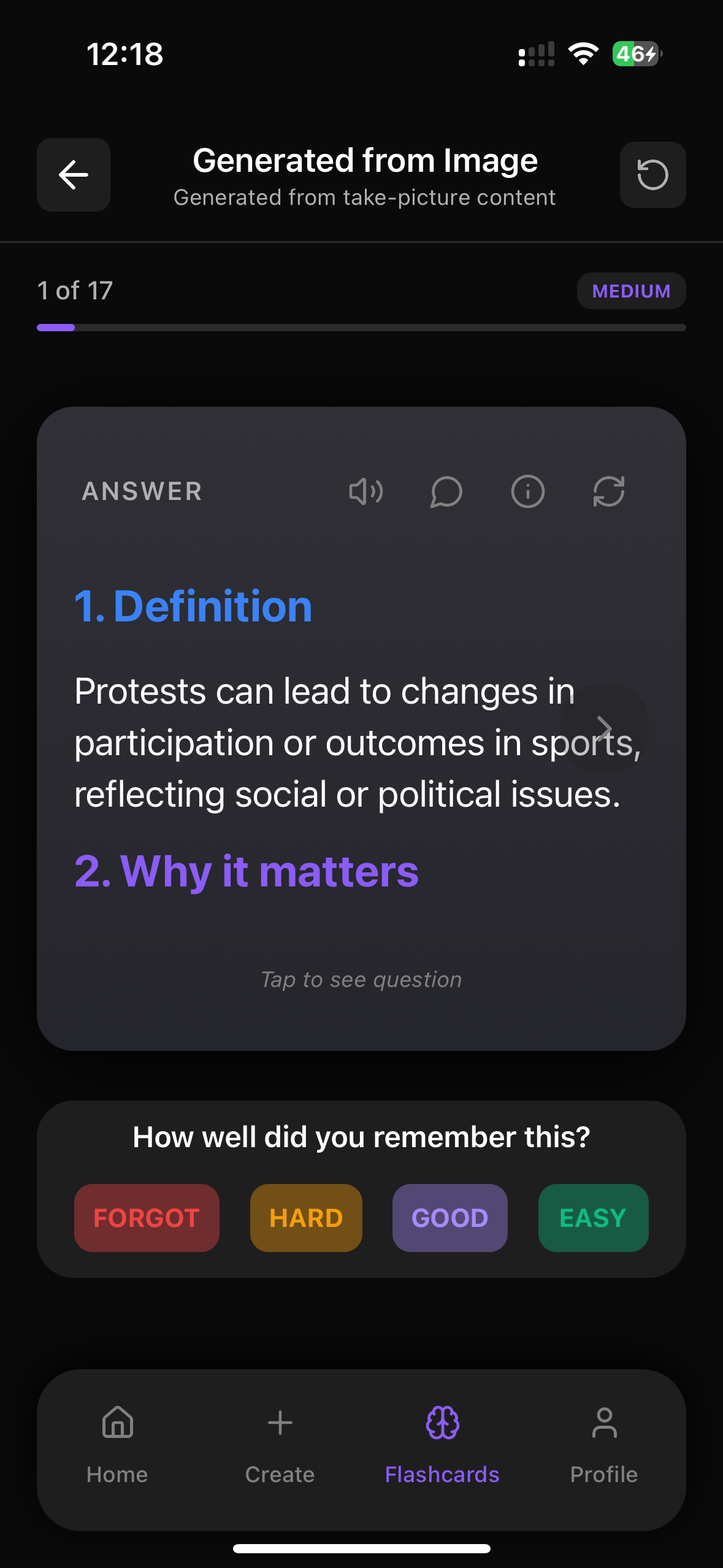
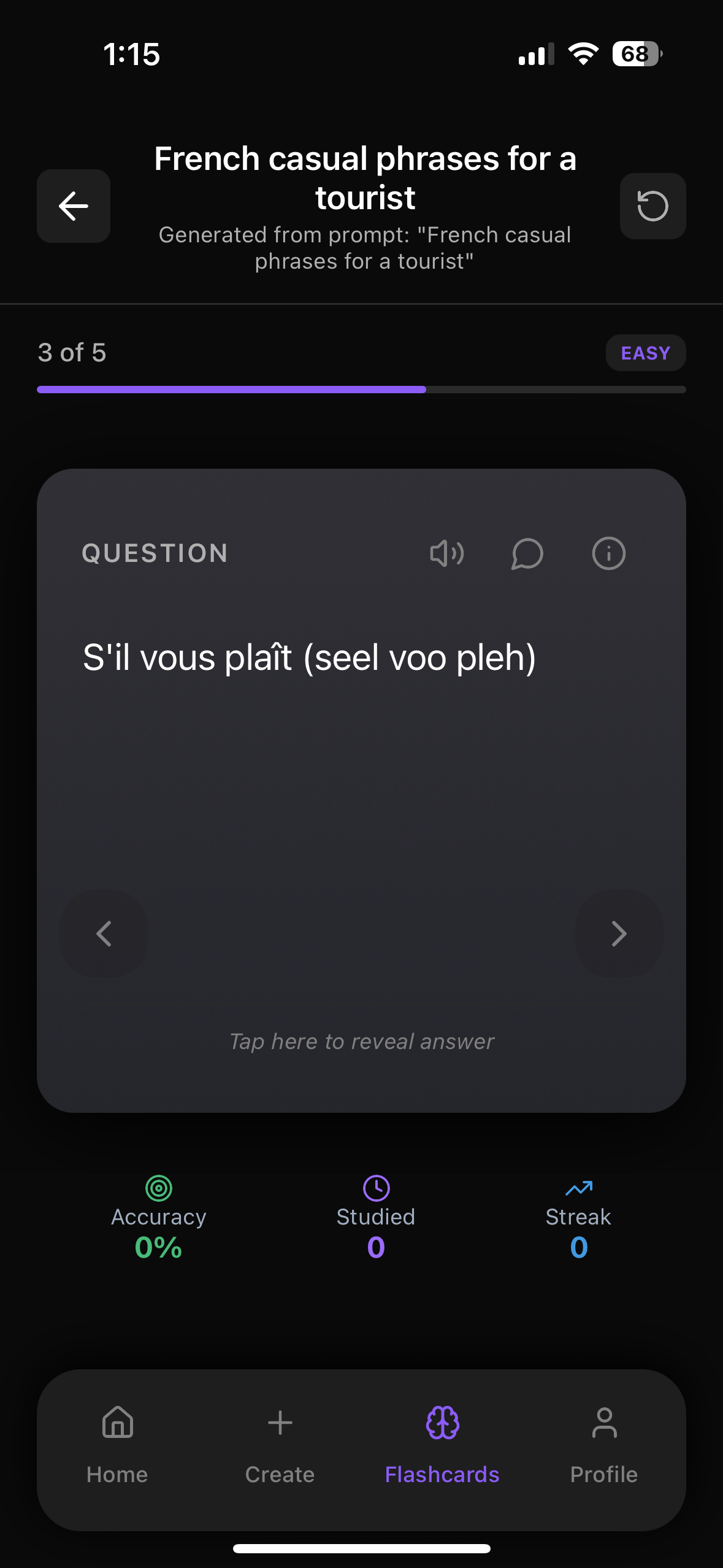
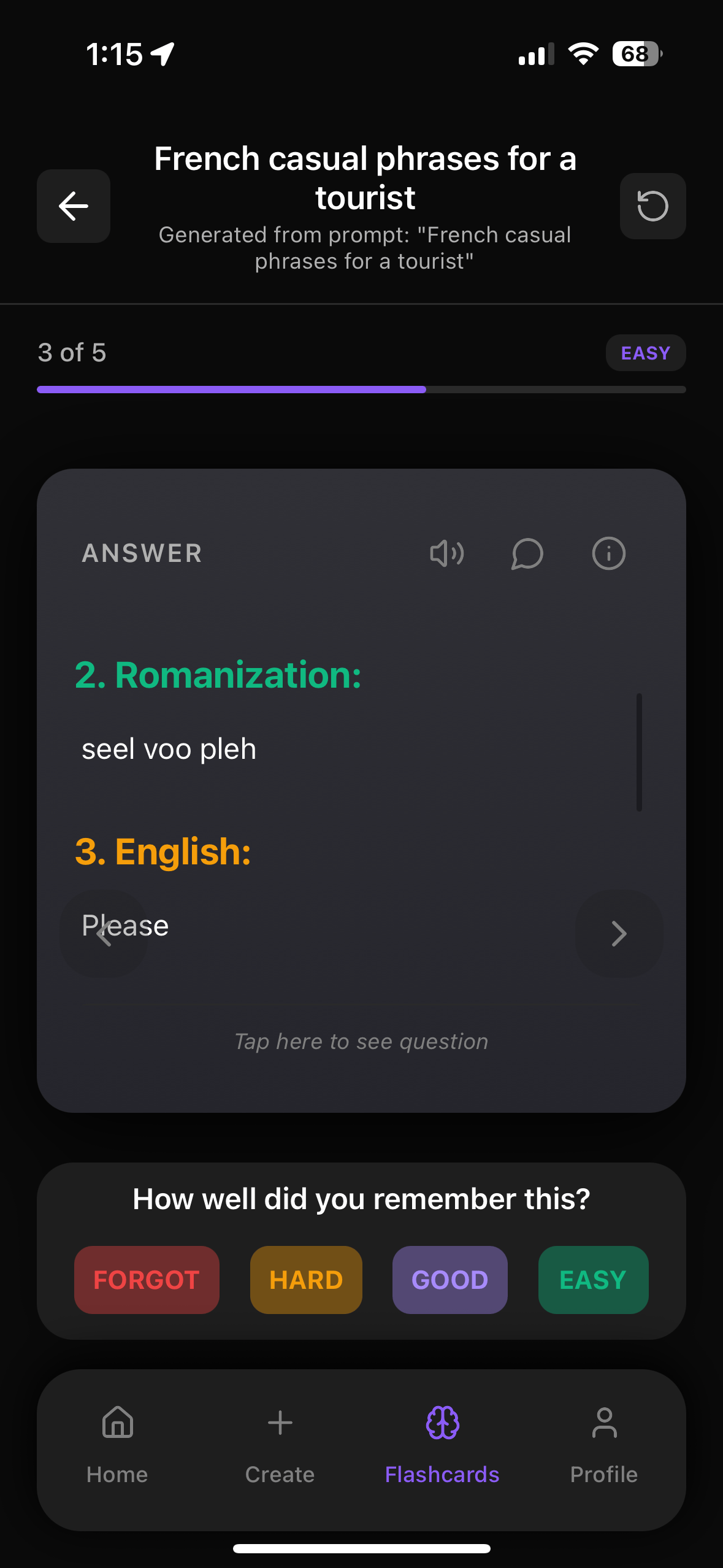
- Every card is a mini quiz (front = question, back = answer)
- You mark how easy or hard it was
- The app schedules the next review for you using spaced repetition
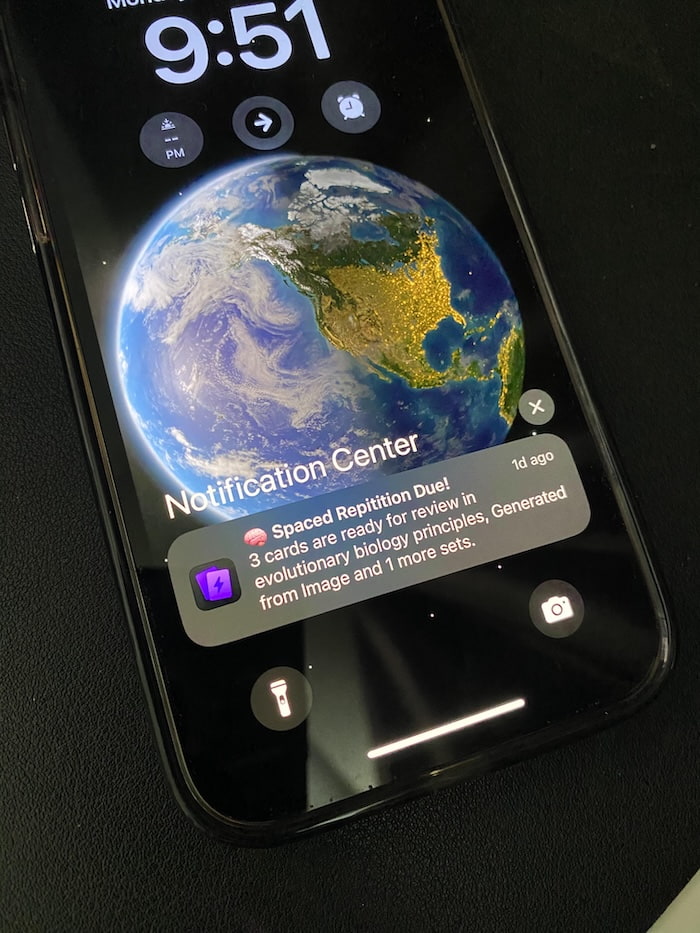
- You get study reminders, so you don’t forget to review
So even if you’re cramming today, you’re also quietly building long-term memory for next week’s exam or finals.
Step 1: Stop Copy-Pasting Everything — Focus On High-Yield Info
When people cram, the first big mistake is: too many cards, not enough time.
You don’t need flash cards for every tiny detail. You want high-yield stuff:
- Key formulas
- Definitions and concepts
- Dates, names, and terms
- Diagrams or processes (e.g., pathways, cycles, workflows)
- “Things the teacher keeps repeating”
How to do this fast with Flashrecall
Instead of manually typing 200 cards at 1am:
- Take photos of your notes or textbook pages
- Import PDFs (lecture slides, handouts)
- Paste YouTube links to lectures
- Paste text from online resources
Flashrecall can auto-generate flashcards from all of that. You can then quickly edit or delete what you don’t need.
This way, 30 minutes of setup can give you hours of solid practice.
Step 2: Use Simple, Clear Cards (Your Brain Is Already Tired)
Cramming usually happens when you’re tired and stressed. Don’t make your cards confusing on top of that.
Good flash card rules when cramming
- One question, one idea
- ❌ Bad: “Explain photosynthesis and list all stages and enzymes.”
- ✅ Better: “What are the 2 main stages of photosynthesis?”
- ✅ Another: “What happens in the light-dependent reactions?”
- Keep wording short and clear
- You should understand the card at a glance.
- Turn notes into questions
- Notes: “Mitosis has 4 main stages: prophase, metaphase, anaphase, telophase.”
- Card: “What are the 4 main stages of mitosis?”
Flashrecall lets you edit cards super quickly, so you can clean up messy AI-generated or imported cards in seconds.
Step 3: Use Spaced Repetition — Even When You’re Cramming
You might think:
“Spaced repetition is for long-term studying, I don’t have time for that now.”
But even in one night or one day of cramming, spacing still helps.
Instead of:
- Going through all cards once in random order
Do this:
- Review a batch
- Mark which ones were hard
- Let the app bring those back more often while the easy ones get spaced out
Flashrecall does this automatically:
- You rate each card (easy / medium / hard)
- It calculates when to show it again
- Difficult cards keep coming back until they stick
- You don’t waste time on stuff you clearly know
So your cram session becomes laser-focused on weak points.
Step 4: Use Active Recall + “Chat With Your Flashcards”
Flashrecall automatically keeps track and reminds you of the cards you don't remember well so you remember faster. Like this :
Sometimes a flash card answer is like:
> “Because of X, Y, and Z mechanisms interacting with A and B.”
You might memorize that sentence, but not actually understand it.
This is where Flashrecall’s chat feature is insanely useful.
If you’re unsure about a concept:
- Open the card
- Use the built-in chat to ask follow-up questions
- “Explain this like I’m 12.”
- “Give me a real-life example.”
- “Why does this happen?”
- Turn those explanations into new flashcards
Now you’re not just cramming words — you’re actually understanding them, which makes them way easier to remember under pressure.
Step 5: Mix Quick Review Sessions With Tiny Breaks
Cramming doesn’t mean studying non-stop for 6 hours. Your brain taps out.
Try this pattern:
- 25 minutes: intense flashcard review
- 5 minutes: break (walk, stretch, water, no TikTok rabbit hole if you can help it)
- Repeat
With Flashrecall:
- You can do short sessions anywhere — on your iPhone or iPad
- It works offline, so you can review on the bus, in a hallway before class, or in airplane mode
Short, intense bursts of active recall are way better than slow, distracted scrolling.
Step 6: Don’t Just Cram Facts — Cram Connections
If you only memorize isolated facts, they fall apart under exam stress.
Use flashcards to build connections, not just answers.
Some card ideas:
- “How does X relate to Y?”
- “What’s the difference between X and Y?”
- “What happens if X is missing / broken / not working?”
- “Give an example of X in real life.”
Example for biology:
- Fact card: “What does insulin do?”
- Connection card: “What happens when the body doesn’t produce enough insulin?”
You can create these manually, or:
- Paste a paragraph into Flashrecall
- Let it generate cards
- Keep the ones that force you to think, not just recite
Step 7: Use Flash Cards Before It Becomes a Crisis Next Time
Yes, we’re talking about cramming. But if you’re reading this before the absolute last minute… future you will thank you if you start a little earlier.
Flashrecall helps you shift from “panic night before” to “small daily reviews” without thinking about it:
- Study reminders: the app nudges you to review at the right time
- Spaced repetition: cards come back just before you’re about to forget them
- Multiple subjects: great for languages, exams, school, uni, medicine, business — anything you need to remember
- Free to start: you can test it out without committing to anything
So even if you’re cramming now, you can set yourself up so that next exam isn’t pure chaos.
Example: How a 1-Day Cram Session Could Look With Flashrecall
Let’s say you’ve got an exam tomorrow and only today to study.
Here’s a realistic plan:
Morning (1–2 hours)
1. Dump all your material into Flashrecall:
- Photos of notes
- PDFs of slides
- Any key YouTube lectures
2. Let the app auto-generate flashcards
3. Quickly delete or edit irrelevant / low-value cards
Midday (2–3 hours total, broken into blocks)
- Do 25-minute review sessions with 5-minute breaks
- Focus on:
- Definitions
- Formulas
- Core concepts
- Mark hard cards honestly — let spaced repetition work
Afternoon (1–2 hours)
- Use the chat feature on concepts you still don’t get
- Turn those explanations into new cards
- Do another 2–3 short sessions
Evening (30–60 minutes)
- Final review of only:
- “Hard” and “medium” cards
- Stop at least 30–60 minutes before sleep if you can
- Let your brain consolidate overnight
This is still cramming, but it’s organized cramming with:
- Active recall
- Spaced repetition
- Concept understanding
Instead of just blind panic and rereading.
Why Use Flashrecall Instead of Basic Flash Card Apps?
Most simple flash card apps:
- Make you create every card manually
- Don’t have proper spaced repetition
- Don’t remind you when to study
- Don’t help you actually understand the content
Flashrecall gives you:
- Instant flashcards from text, images, PDFs, YouTube, audio, or typed prompts
- Manual card creation if you like full control
- Built-in active recall + spaced repetition with automatic scheduling
- Study reminders, so you don’t forget to review
- Ability to chat with your flashcards when you’re confused
- Works offline on iPhone and iPad
- Fast, modern, easy-to-use design
- Free to start, so there’s no risk to try
If you’re going to cram, you might as well use a tool that makes it as effective and painless as possible.
Ready To Turn Cramming Into Real Learning?
You don’t have to stop cramming overnight.
But you can stop doing it the painful, inefficient way.
Use flash cards that:
- Test you (active recall)
- Reappear at the right times (spaced repetition)
- Help you understand, not just memorize (chat + smart cards)
If you want to try this for your next exam, quiz, or language vocab session, grab Flashrecall here:
👉 https://apps.apple.com/us/app/flashrecall-study-flashcards/id6746757085
Cram if you have to — just cram smarter.
Frequently Asked Questions
What's the fastest way to create flashcards?
Manually typing cards works but takes time. Many students now use AI generators that turn notes into flashcards instantly. Flashrecall does this automatically from text, images, or PDFs.
Is there a free flashcard app?
Yes. Flashrecall is free and lets you create flashcards from images, text, prompts, audio, PDFs, and YouTube videos.
How do I start spaced repetition?
You can manually schedule your reviews, but most people use apps that automate this. Flashrecall uses built-in spaced repetition so you review cards at the perfect time.
What is active recall and how does it work?
Active recall is the process of actively retrieving information from memory rather than passively reviewing it. Flashrecall forces proper active recall by making you think before revealing answers, then uses spaced repetition to optimize your review schedule.
What's the best way to learn vocabulary?
Research shows that combining flashcards with spaced repetition and active recall is highly effective. Flashrecall automates this process, generating cards from your study materials and scheduling reviews at optimal intervals.
Related Articles
- Food And Drinks Flashcards: 7 Powerful Ways To Learn Vocabulary Faster And Actually Remember It – Stop Forgetting Words And Turn Every Snack Into A Study Session
- Blank Flash Cards: 7 Powerful Ways To Study Smarter (And A Better Digital Alternative) – Stop wasting time on messy paper cards and turn your notes into a system that actually sticks.
- Word Flash Cards: 7 Powerful Ways To Learn Vocabulary Faster (Most People Miss #3) – Turn boring word lists into smart flashcards that actually stick in your brain.
Research References
The information in this article is based on peer-reviewed research and established studies in cognitive psychology and learning science.
Cepeda, N. J., Pashler, H., Vul, E., Wixted, J. T., & Rohrer, D. (2006). Distributed practice in verbal recall tasks: A review and quantitative synthesis. Psychological Bulletin, 132(3), 354-380
Meta-analysis showing spaced repetition significantly improves long-term retention compared to massed practice
Carpenter, S. K., Cepeda, N. J., Rohrer, D., Kang, S. H., & Pashler, H. (2012). Using spacing to enhance diverse forms of learning: Review of recent research and implications for instruction. Educational Psychology Review, 24(3), 369-378
Review showing spacing effects work across different types of learning materials and contexts
Kang, S. H. (2016). Spaced repetition promotes efficient and effective learning: Policy implications for instruction. Policy Insights from the Behavioral and Brain Sciences, 3(1), 12-19
Policy review advocating for spaced repetition in educational settings based on extensive research evidence
Karpicke, J. D., & Roediger, H. L. (2008). The critical importance of retrieval for learning. Science, 319(5865), 966-968
Research demonstrating that active recall (retrieval practice) is more effective than re-reading for long-term learning
Roediger, H. L., & Butler, A. C. (2011). The critical role of retrieval practice in long-term retention. Trends in Cognitive Sciences, 15(1), 20-27
Review of research showing retrieval practice (active recall) as one of the most effective learning strategies
Dunlosky, J., Rawson, K. A., Marsh, E. J., Nathan, M. J., & Willingham, D. T. (2013). Improving students' learning with effective learning techniques: Promising directions from cognitive and educational psychology. Psychological Science in the Public Interest, 14(1), 4-58
Comprehensive review ranking learning techniques, with practice testing and distributed practice rated as highly effective

FlashRecall Team
FlashRecall Development Team
The FlashRecall Team is a group of working professionals and developers who are passionate about making effective study methods more accessible to students. We believe that evidence-based learning tec...
Credentials & Qualifications
- •Software Development
- •Product Development
- •User Experience Design
Areas of Expertise
Ready to Transform Your Learning?
Start using FlashRecall today - the AI-powered flashcard app with spaced repetition and active recall.
Download on App Store