Emotion Cards For Autism Guide: The Powerful Guide
Emotion cards help autistic kids recognize feelings and improve social skills. Use Flashrecall for customizable, repeatable flashcards that stick with them.
How Flashrecall app helps you remember faster. It's free
Why Emotion Cards Matter So Much For Autistic Kids
You ever find yourself trying to figure out how to make learning a bit easier for someone with autism? Well, here's the scoop on the "emotion cards for autism guide." These cards are like your secret weapon for breaking down info into bite-sized pieces that are super easy to digest. We're talking about improving social skills in a way that's fun and manageable—because who doesn't love making things simple, right?
Now, the magic happens when you combine these cards with strategies like active recall and spaced repetition. That’s where Flashrecall steps in, making it a breeze by automagically turning your study stuff into flashcards and even scheduling when to review them. It's like having a personal study buddy that's got your back! And if you're curious about how these emotion cards can totally change the game, especially for parents looking to add a sprinkle of daily habits that make a real difference, you should definitely check out our complete guide. It's packed
- Recognizing facial expressions
- Matching expressions to words (like “angry”, “worried”, “excited”)
- Knowing what they feel in the moment
- Understanding what other people might be feeling
Emotion cards give a clear, visual way to practice all of that — without the pressure of real-time social situations.
But here’s the problem:
Paper cards get lost, kids get bored, and parents are already exhausted.
That’s where a digital twist helps a lot.
If you want emotion cards that are:
- Always with you
- Customizable with your child’s real life
- Repeated automatically so they actually stick
…then an app like Flashrecall makes this so much easier:
👉 https://apps.apple.com/us/app/flashrecall-study-flashcards/id6746757085
You can turn photos, drawings, or screenshots into emotion flashcards in seconds — and the app reminds you to review them at the right time so your child doesn’t forget.
Let’s break down how to actually use emotion cards effectively, and how to move them into Flashrecall so they become a daily, low-stress habit.
What Are Emotion Cards For Autism, Really?
Emotion cards are usually simple cards that show:
- A face (photo, drawing, emoji)
- A label like “happy”, “sad”, “confused”, “overwhelmed”, “proud”, “bored”
For autistic kids, they’re especially helpful because they:
- Remove “social pressure” — your child can look and think at their own pace
- Make emotions concrete and visual
- Give consistent practice, instead of random, unpredictable social cues
- Help with both emotion recognition (what others feel) and self-awareness (what I feel)
You can use:
- Classic printed decks
- DIY drawings
- Photos of your child and your family
- Emojis or cartoon faces
Or you can put all of that into a digital flashcard deck in Flashrecall and keep everything in one place.
Why Digital Emotion Cards Work Better (For Most Families)
Paper cards are great… until:
- You leave them at home
- Your kid throws them under the couch
- You want to add new emotions and don’t have time to print
With Flashrecall, you can turn any emotion card into a digital one in seconds:
- Take a photo of a physical card and the app makes a flashcard from the image
- Use your own photos (your child’s face, your face, siblings, teachers)
- Screenshot emojis or social stories and import them
- Create cards from text or even from a PDF or YouTube video
Link again if you want to peek while reading:
👉 https://apps.apple.com/us/app/flashrecall-study-flashcards/id6746757085
And the best part? Flashrecall uses spaced repetition and active recall automatically:
- It shows cards just before your child is likely to forget
- It repeats tricky emotions more often
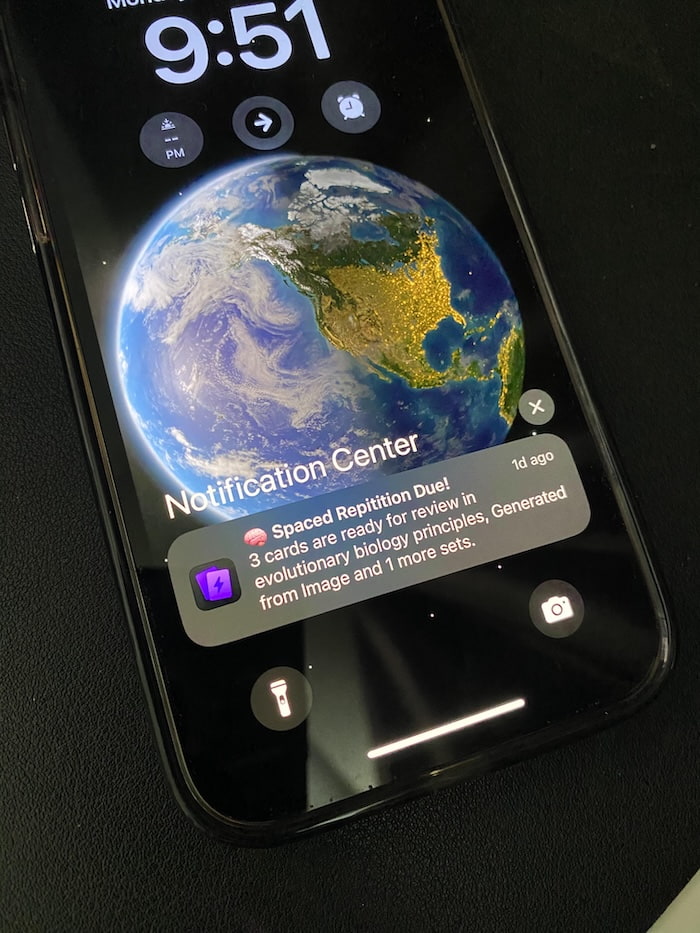
- It sends study reminders, so you don’t have to remember to practice
So instead of “we used the cards once and forgot about them,” you get short, regular sessions that actually build skills.
7 Powerful Ways To Use Emotion Cards With Autistic Kids
1. Start With Just 3–5 Emotions
Don’t start with a giant deck of 30 feelings. That’s overwhelming.
Begin with the basics:
- Happy
- Sad
- Angry
- Scared
- Calm
In Flashrecall, you can:
- Make a deck called “Basic Feelings”
- Add one card per emotion
- Front: a face (photo, emoji, or drawing)
- Back: the word + a simple sentence, like “This is angry. Your face is tight and your voice might be loud.”
Keep it super simple at first. Once your child knows these, you can add:
- Worried
- Frustrated
- Excited
- Bored
- Proud
2. Use Real Photos Of Your Child And Family
Many autistic kids find real photos easier to understand than cartoons.
You can:
- Take photos of your child acting out emotions (happy face, angry face, tired face)
- Take selfies of yourself or siblings doing different expressions
- Turn each photo into a flashcard in Flashrecall (just import the image and add a label)
Example card:
- Front: Photo of your child smiling
- Back: “Happy – When you feel good and relaxed. You might smile and laugh.”
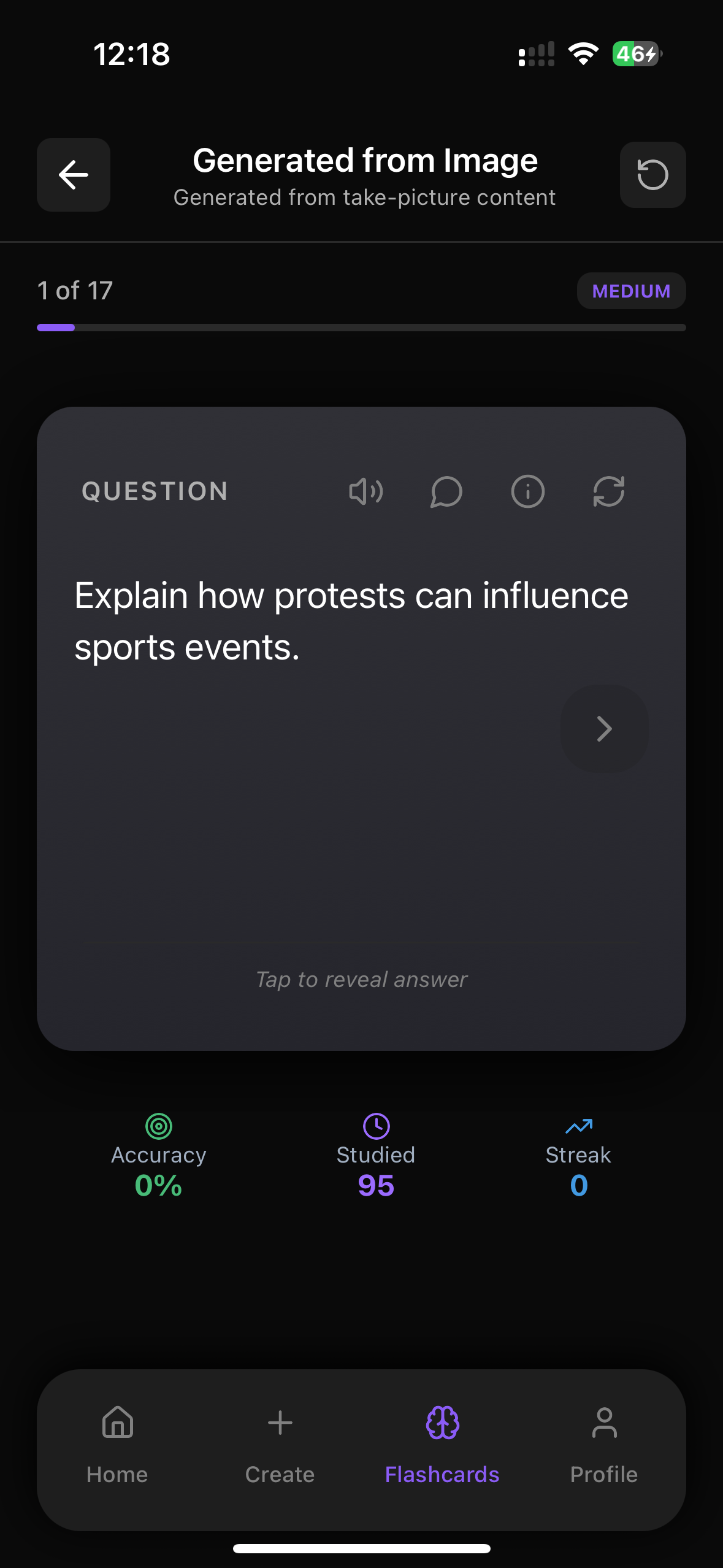
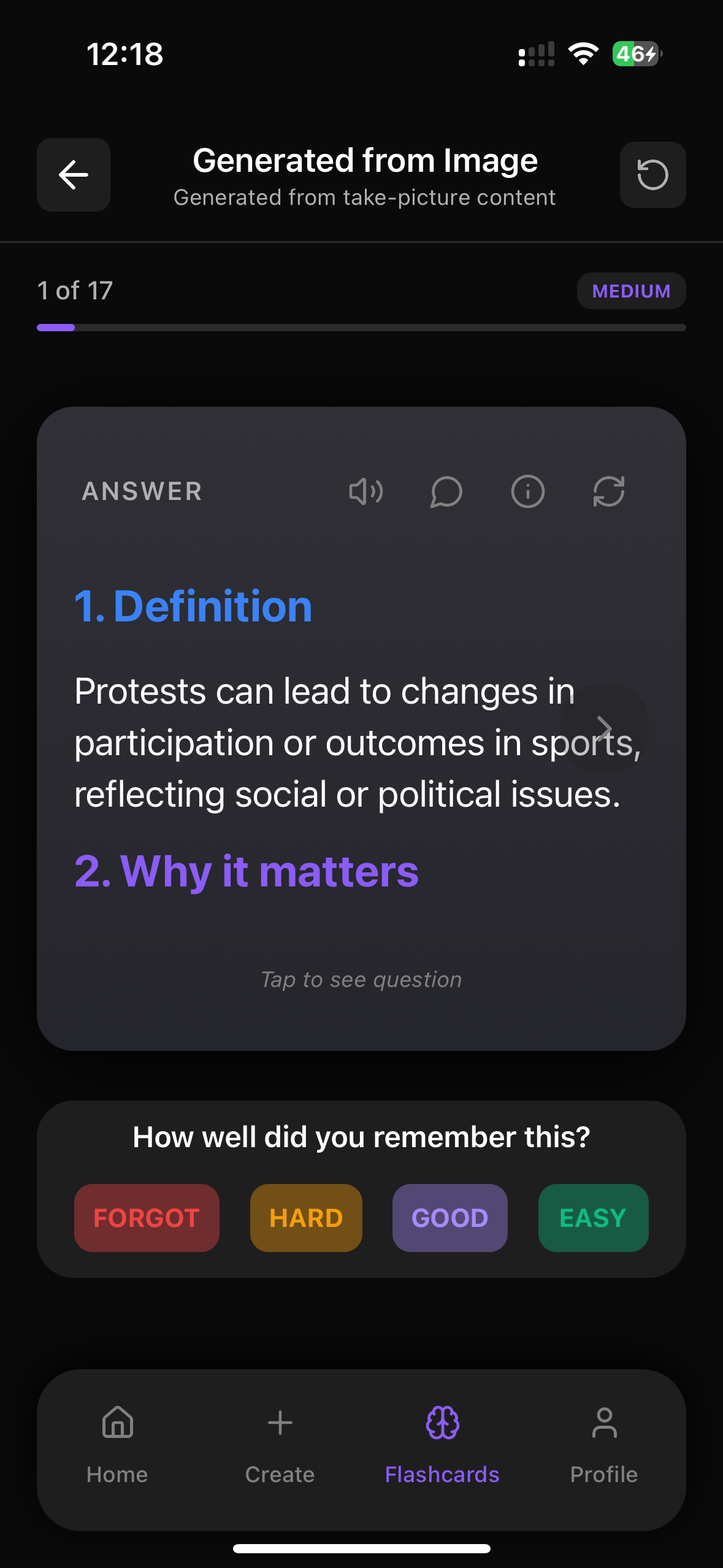
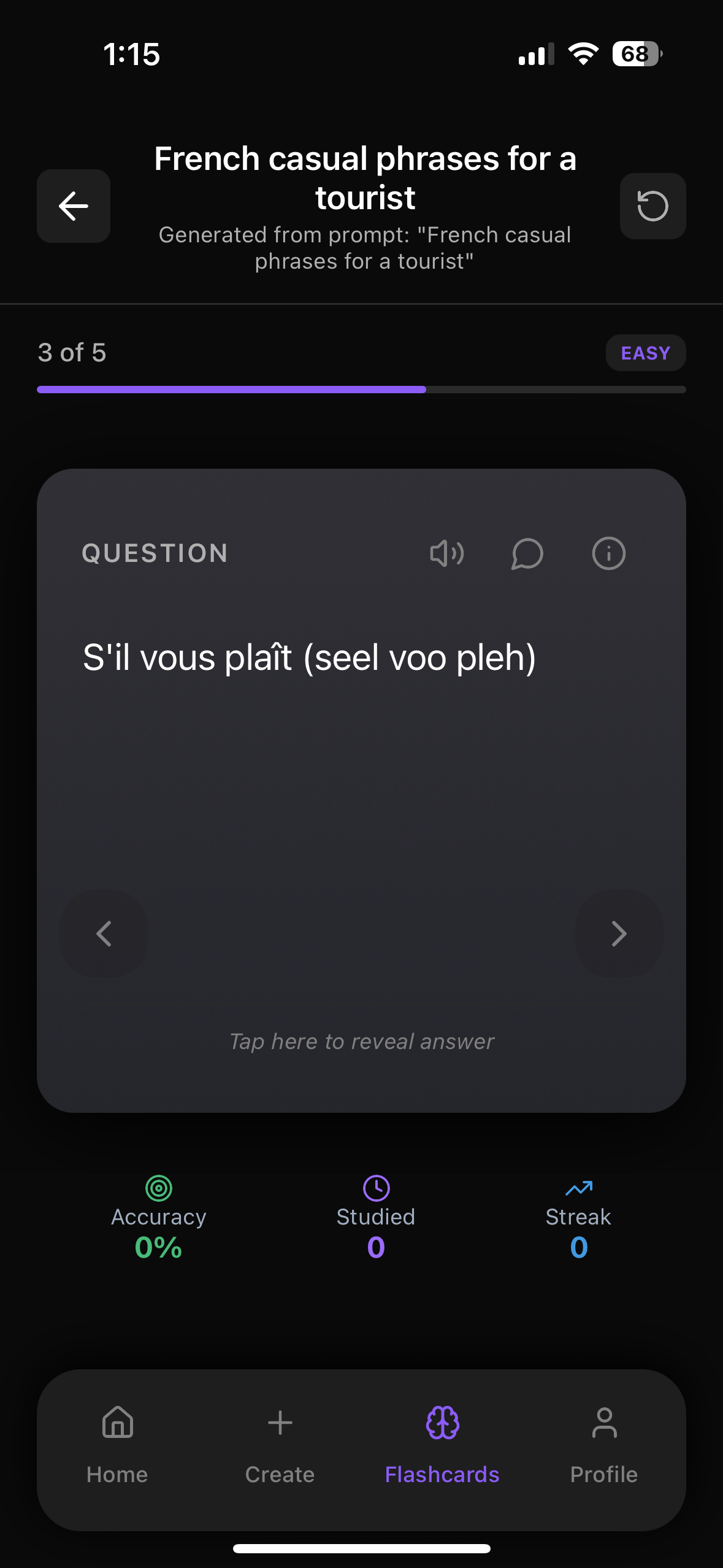
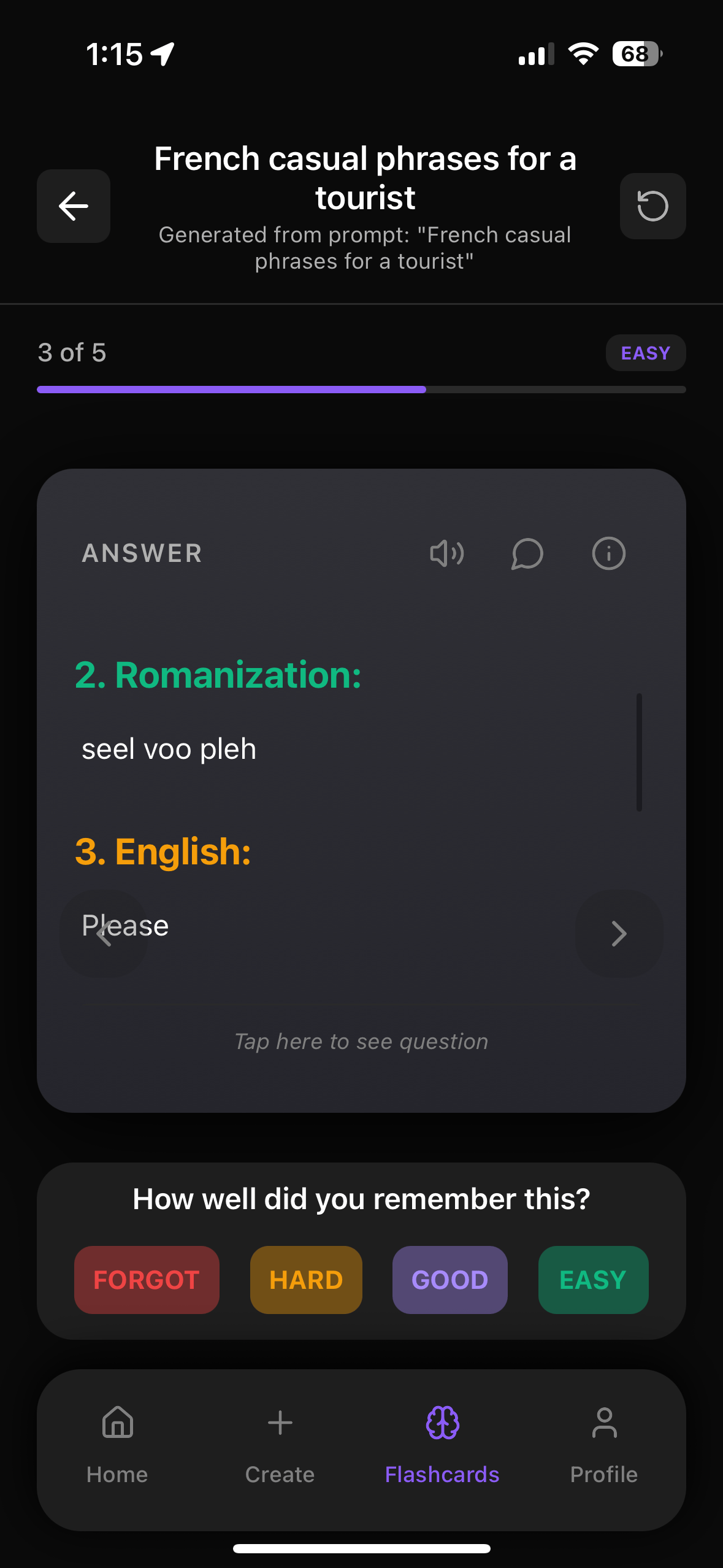
Flashrecall automatically keeps track and reminds you of the cards you don't remember well so you remember faster. Like this :
You can even make two versions:
- “What emotion is this?” (recognition)
- “When do you feel this way?” (self-awareness)
3. Practice Active Recall (Not Just Pointing)
Instead of only asking your child to point to “happy”, try active recall:
On Flashrecall, you can:
- Show the face only and ask: “What feeling is this?”
- Or show the word only and ask: “Can you show me this face?”
Active recall = your child has to pull the answer from memory, not just recognize it.
That’s exactly what Flashrecall is built around — it’s not just a pretty card viewer; it’s designed to make your brain (or your child’s brain) actually remember.
4. Link Emotions To Situations
Emotions make more sense when they’re tied to real life.
Create cards like:
- Front: “Your toy broke.”
- Front: “You’re going to the park.”
- Front: “Too much noise at the store.”
In Flashrecall, you can:
- Add a picture of the situation (park, store, broken toy)
- Add multiple-choice style answers on the back
- Talk through it out loud while the card is on screen
This helps your child connect events → feelings, which is huge for emotional understanding.
5. Use Emotion Cards As A Daily Check-In
You can use emotion cards not just as a “lesson” but as a communication tool.
For example:
- Every morning and evening, open your “How I Feel Today” deck in Flashrecall
- Show a few emotion cards and ask: “Which one feels like you right now?”
- Or let your child scroll and tap the one that fits
You can even create a special deck just for self-reporting:
- Front: “How do you feel right now?”
- Back: a list: “happy / sad / angry / tired / overwhelmed / calm”
Then talk about:
- “What happened today that made you feel that way?”
- “What can help when you feel like this?”
Because Flashrecall works offline, you can do this in the car, at the doctor’s office, or in a quiet corner during a meltdown cooldown.
6. Build Social Understanding (What Others Might Feel)
Once your child is more comfortable with basic emotions, you can use cards to practice perspective-taking.
Example cards:
- Front: “Your friend’s toy broke. How do they feel?”
- Back: “They might feel: sad or angry. You can say: ‘I’m sorry your toy broke.’”
- Front: Photo of a child alone on a bench
- Back: “They might feel: lonely or sad. You can ask: ‘Do you want to play?’”
Turn social stories, pictures, or even screenshots from YouTube into flashcards:
- Flashrecall can make cards from images, text, or even PDFs and YouTube links
- You can chat with the flashcard if you want help explaining something more clearly
This makes social-emotional learning way more concrete and practice-based.
7. Let Spaced Repetition Do The Heavy Lifting
The hardest part for parents? Being consistent.
You’re busy. Life is chaotic. It’s easy to forget to use the cards for a week… or three.
Flashrecall solves that with:
- Automatic spaced repetition – it schedules cards so your child reviews at the best time to remember
- Study reminders – you get a nudge to do a quick 5-minute session
- Short, bite-sized reviews – you don’t need a 30-minute “therapy” block; 3–10 minutes is enough
Over time, your child sees:
- Basic emotions less often (once they’re mastered)
- Tricky emotions more often (until they stick)
That’s exactly how memory science works, and it’s built right into the app.
How To Set Up Emotion Cards In Flashrecall (Step-By-Step)
Here’s a simple way to get started:
Step 1: Download Flashrecall
Install it on your iPhone or iPad here (free to start):
👉 https://apps.apple.com/us/app/flashrecall-study-flashcards/id6746757085
Step 2: Create A Deck Called “Feelings”
Inside Flashrecall:
- Tap to create a new deck, name it “Feelings” or “Emotion Cards”
- Choose whether you want text-only, image + text, or image-only cards
Step 3: Add Your First 5–10 Cards
Options:
- Take photos of your child making faces
- Use emojis or pictures from your existing physical cards
- Type simple labels like:
- “Happy – When something good happens. You might smile.”
- “Angry – When something feels unfair. Your body feels tight.”
Flashrecall can also:
- Auto-generate cards from text or prompts
- Turn images into cards instantly
- Import from PDFs or YouTube links if you have emotion resources already
Step 4: Do Tiny, Consistent Sessions
Aim for:
- 3–10 minutes a day
- Same time if possible (after school, before bed, during calm time)
Let your child:
- Say the emotion
- Point to the matching face
- Act out the emotion
- Tell you a time they felt that way (if they can)
The app will handle:
- What to show next
- When to review
- Which cards are “easy” vs “hard”
Step 5: Add New Emotions Slowly
Once your child is solid on the basics, add:
- Worried
- Confused
- Embarrassed
- Overwhelmed
- Proud
- Bored
You can even create separate decks:
- “School Feelings”
- “Home Feelings”
- “Social Situations”
Why Flashrecall Works So Well For Emotion Cards
To recap, here’s why Flashrecall is especially good for emotion cards for autism:
- Fast and modern – no clunky interface; easy enough to use when you’re tired
- Create cards instantly from images, text, audio, PDFs, YouTube, or manual input
- Built-in active recall – it actually asks your child to remember, not just look
- Spaced repetition with auto reminders – so you don’t have to plan review sessions
- Works offline – perfect for travel, waiting rooms, school breaks
- Chat with the flashcard – if you need help explaining something, you can get extra context
- Great for anything – emotions, language, school subjects, social stories, exam prep later on
- Free to start – you can try it without committing to anything
- Works on iPhone and iPad – use whichever device is easiest for your family
Final Thoughts: Make Emotion Cards A Gentle Daily Habit
Emotion cards for autism don’t have to be a huge, structured “therapy session.”
They can just be:
- A few minutes a day
- A quick check-in
- A calm, visual way to talk about feelings
By moving your cards into Flashrecall, you:
- Always have them with you
- Can personalize them with real photos and situations
- Let the app handle the memory science, reminders, and scheduling
If you’re already using emotion cards (or want to start), turning them into a simple digital deck is one of those “small change, big impact” moves.
You can set everything up in under 15 minutes here:
👉 https://apps.apple.com/us/app/flashrecall-study-flashcards/id6746757085
And then just let those tiny, consistent moments do their work.
Frequently Asked Questions
Is Quizlet good for studying?
Quizlet helps with basic reviewing, but its active recall tools are limited. If you want proper spacing and strong recall practice, tools like Flashrecall automate the memory science for you so you don't forget your notes.
What's the most effective study method?
Research consistently shows that active recall combined with spaced repetition is the most effective study method. Flashrecall automates both techniques, making it easy to study effectively without the manual work.
What should I know about Emotion?
Emotion Cards For Autism: 7 Powerful Ways To Teach Feelings Faster (Most Parents Don’t Know These) covers essential information about Emotion. To master this topic, use Flashrecall to create flashcards from your notes and study them with spaced repetition.
Related Articles
- ServSafe Flashcards Quizlet Alternatives: 7 Powerful Ways To Pass Faster (Most Students Don’t Know These)
- Community Signs Flashcards: The Essential Way To Teach Real-World Safety (Most Parents Skip This Step) – Learn Faster With Smart Digital Cards
- Abeka Biology Test 1: Proven Study Hacks To Boost Your Score Fast (Most Students Don’t Know These) – Use these simple strategies and the right app to walk into Test 1 feeling calm, confident, and actually prepared.
Research References
The information in this article is based on peer-reviewed research and established studies in cognitive psychology and learning science.
Cepeda, N. J., Pashler, H., Vul, E., Wixted, J. T., & Rohrer, D. (2006). Distributed practice in verbal recall tasks: A review and quantitative synthesis. Psychological Bulletin, 132(3), 354-380
Meta-analysis showing spaced repetition significantly improves long-term retention compared to massed practice
Carpenter, S. K., Cepeda, N. J., Rohrer, D., Kang, S. H., & Pashler, H. (2012). Using spacing to enhance diverse forms of learning: Review of recent research and implications for instruction. Educational Psychology Review, 24(3), 369-378
Review showing spacing effects work across different types of learning materials and contexts
Kang, S. H. (2016). Spaced repetition promotes efficient and effective learning: Policy implications for instruction. Policy Insights from the Behavioral and Brain Sciences, 3(1), 12-19
Policy review advocating for spaced repetition in educational settings based on extensive research evidence
Karpicke, J. D., & Roediger, H. L. (2008). The critical importance of retrieval for learning. Science, 319(5865), 966-968
Research demonstrating that active recall (retrieval practice) is more effective than re-reading for long-term learning
Roediger, H. L., & Butler, A. C. (2011). The critical role of retrieval practice in long-term retention. Trends in Cognitive Sciences, 15(1), 20-27
Review of research showing retrieval practice (active recall) as one of the most effective learning strategies
Dunlosky, J., Rawson, K. A., Marsh, E. J., Nathan, M. J., & Willingham, D. T. (2013). Improving students' learning with effective learning techniques: Promising directions from cognitive and educational psychology. Psychological Science in the Public Interest, 14(1), 4-58
Comprehensive review ranking learning techniques, with practice testing and distributed practice rated as highly effective

FlashRecall Team
FlashRecall Development Team
The FlashRecall Team is a group of working professionals and developers who are passionate about making effective study methods more accessible to students. We believe that evidence-based learning tec...
Credentials & Qualifications
- •Software Development
- •Product Development
- •User Experience Design
Areas of Expertise
Ready to Transform Your Learning?
Start using FlashRecall today - the AI-powered flashcard app with spaced repetition and active recall.
Download on App Store