Excel To Anki: The Complete Step-By-Step Guide Most Students Get Wrong – Learn The Fastest Way To Turn Spreadsheets Into Powerful Flashcards
excel to anki doesn’t have to be painful—set up your sheet, export CSV, map fields, and see why Flashrecall can make huge vocab lists way easier to study.
How Flashrecall app helps you remember faster. It's free
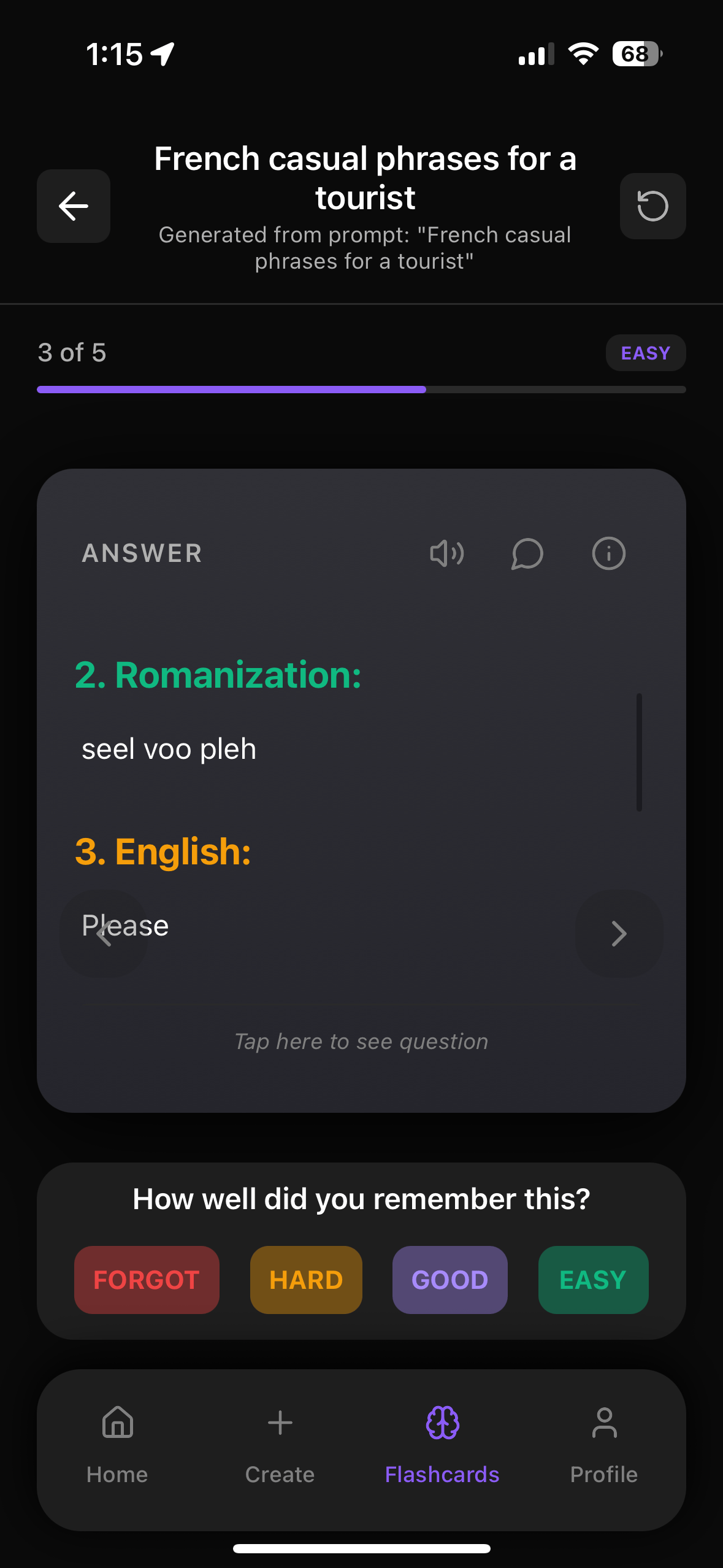
What “Excel To Anki” Actually Means (And The Easy Way To Do It)
So, you’re trying to figure out how to go from Excel to Anki? It basically means taking your spreadsheet data (like vocab lists, Q&A, definitions, formulas) and turning it into flashcards you can study in Anki or another flashcard app. People do this to avoid manually typing hundreds of cards one by one and to keep big study lists organized. The idea is: each row in Excel becomes a flashcard, and each column becomes the front, back, or extra fields. You can totally do this with Anki, but apps like Flashrecall make importing and studying way smoother and less painful:
https://apps.apple.com/us/app/flashrecall-study-flashcards/id6746757085
Quick Overview: How Excel → Flashcards Works
Here’s the basic flow no matter what app you use:
1. Put your data in Excel or Google Sheets
2. Export it as a CSV (comma-separated values) file
3. Import that CSV into your flashcard app
4. Map each column to “front”, “back”, etc.
5. Review your new cards with spaced repetition
With Anki, this works, but it can feel a bit clunky: desktop-only for imports, weird field mapping, and some trial-and-error. With Flashrecall, the idea is the same, but the process is way more beginner-friendly and mobile-first.
Step 1: Set Up Your Excel Sheet Properly
Before you even think about “Excel to Anki” or Excel to Flashrecall, you want your spreadsheet clean.
Basic Layout
- Row 1: Optional headers like `Front`, `Back`, `Hint`, `Tag`
- Row 2+: Each row = 1 card
Example for vocab:
| Front (Question) | Back (Answer) | Example Sentence | Tag |
|---|---|---|---|
| Haus | house | Das Haus ist groß. | German A1 |
| Katze | cat | Die Katze schläft. | German A1 |
You can keep it super simple with just two columns:
| Front | Back |
|---|---|
| H2O | Water |
| NaCl | Salt |
Things To Avoid
- Line breaks inside cells (they can break imports)
- Random commas if you’re using CSV (or switch to semicolon/tab-separated)
- Mixed languages or subjects in one sheet if you want clean tags later
If you’re planning to import into Flashrecall, you can also add a `Tag` column to auto-organize your decks (e.g., “Biology”, “Exam1”, “Spanish Verbs”).
Step 2: Export Your Excel Sheet As CSV
This is the bridge between Excel and flashcard apps.
In Excel
- Go to File → Save As
- Choose CSV (Comma delimited) (.csv)
- Name your file and save
In Google Sheets
- File → Download → Comma Separated Values (.csv)
This CSV file is what you’ll import into Anki or Flashrecall.
Step 3: Importing Excel To Anki (The Traditional Way)
If you really want to stick with Anki, here’s the typical flow:
1. Open Anki Desktop (imports are easiest there)
2. Go to File → Import
3. Select your .csv file
4. Choose or create a note type (e.g., Basic, Basic (and reversed card), Cloze)
5. Map your columns:
- Column 1 → Front
- Column 2 → Back
- Column 3 → Extra / Hint (if you have it)
6. Check:
- Field separator is comma (or whatever you used)
- “Allow HTML in fields” if you have formatting
7. Click Import
You’ll probably need to test a tiny file first to make sure nothing is misaligned. If fields don’t match, cards will look weird or empty.
Why A Lot Of People Get Frustrated With Excel → Anki
- You need the desktop app for proper imports
- Field mapping can be confusing
- Syncing to mobile is another step
- The interface is… let’s say, not exactly modern
- There’s no built-in “chat with card” or easy media creation from images/PDFs
That’s where using your Excel data with Flashrecall instead can make your life easier.
Using Your Excel Data With Flashrecall (A Smoother Option)
Instead of fighting with Excel to Anki every time, you can take that same CSV and use it with Flashrecall, which is built to be simple, fast, and mobile-friendly from the start.
👉 Flashrecall on the App Store:
https://apps.apple.com/us/app/flashrecall-study-flashcards/id6746757085
Why Flashrecall Works Better For This
- Fast import: You can bring in structured data and quickly convert it to cards
- Modern UI: Easier to see what’s going where when you map fields
- Built-in spaced repetition: Auto schedules reviews, no settings rabbit hole
- Works on iPhone and iPad directly – no desktop needed to manage stuff
- Free to start so you can test it with a small set first
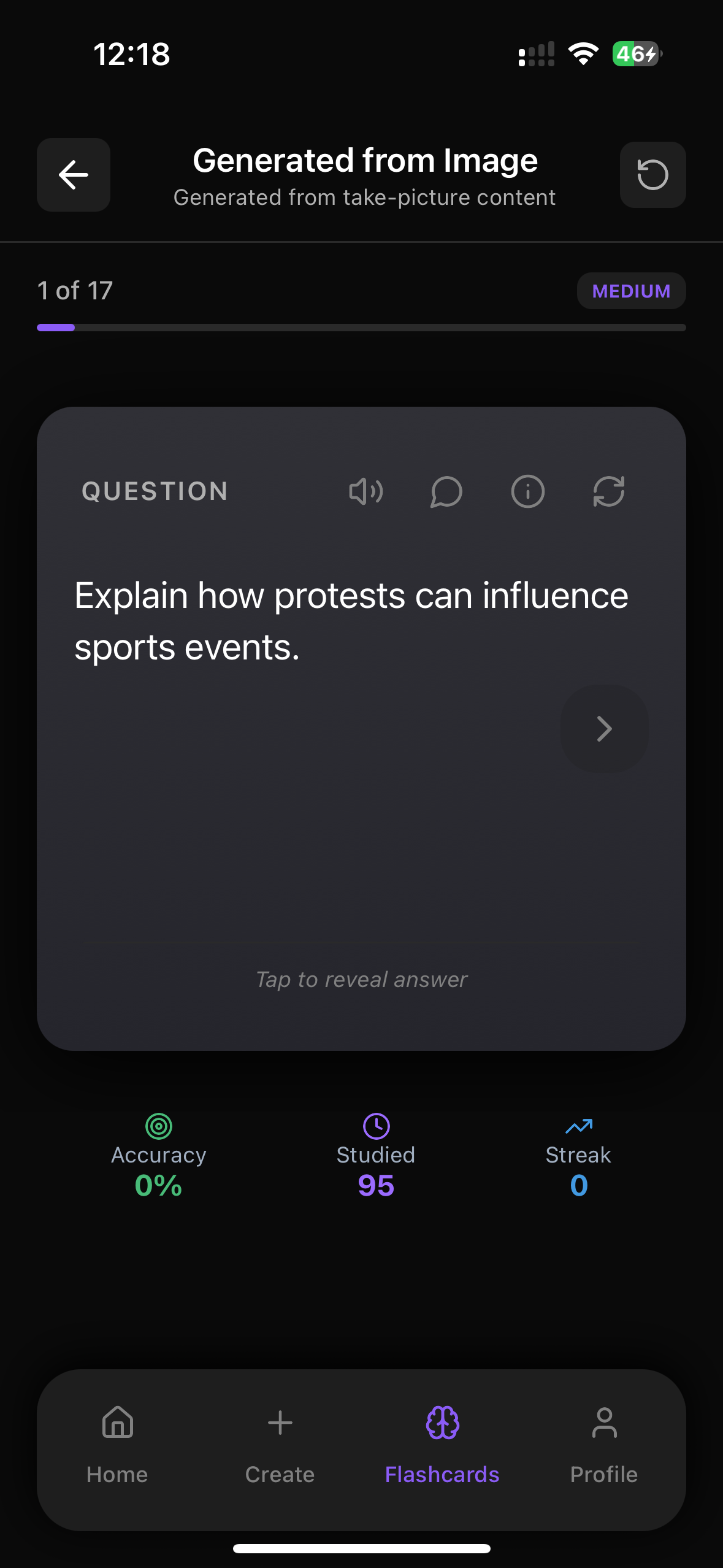
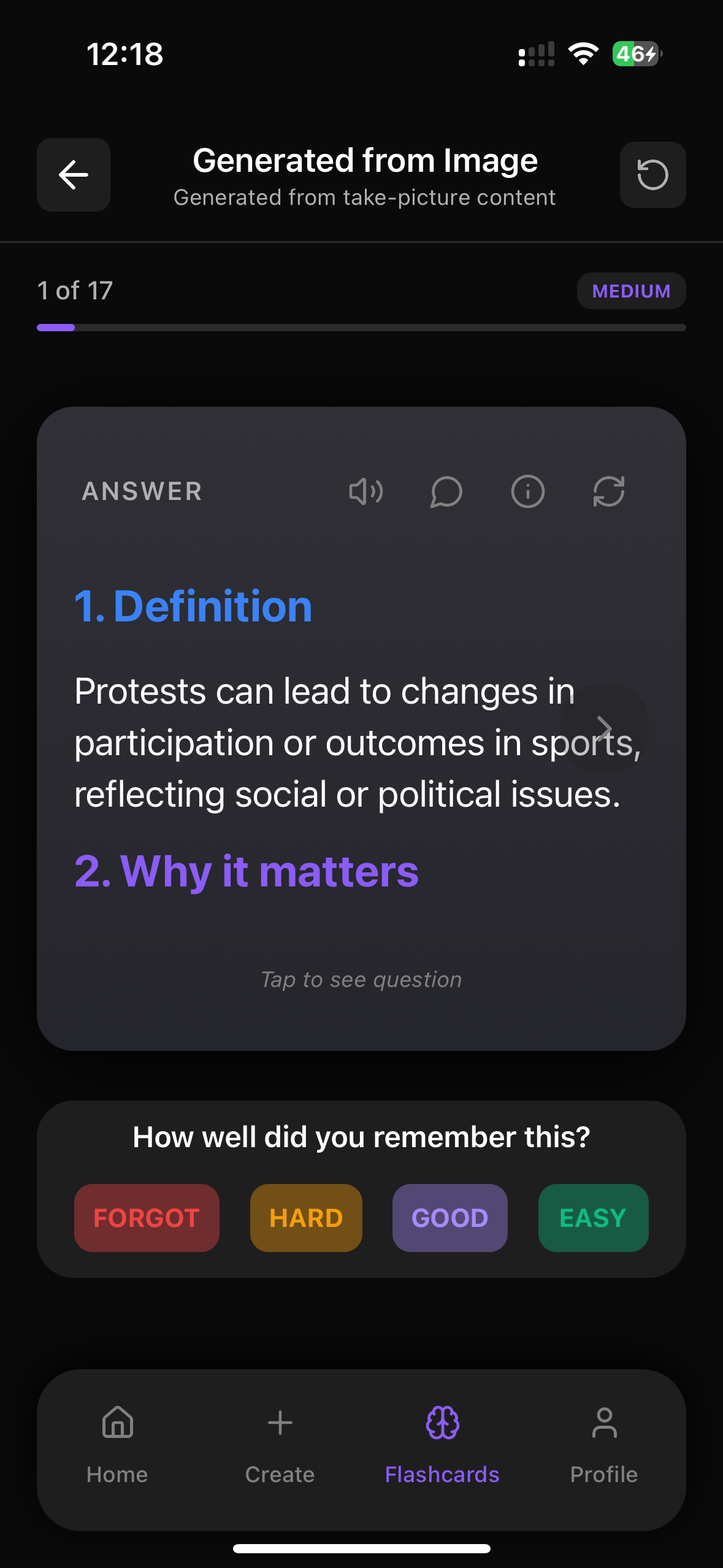
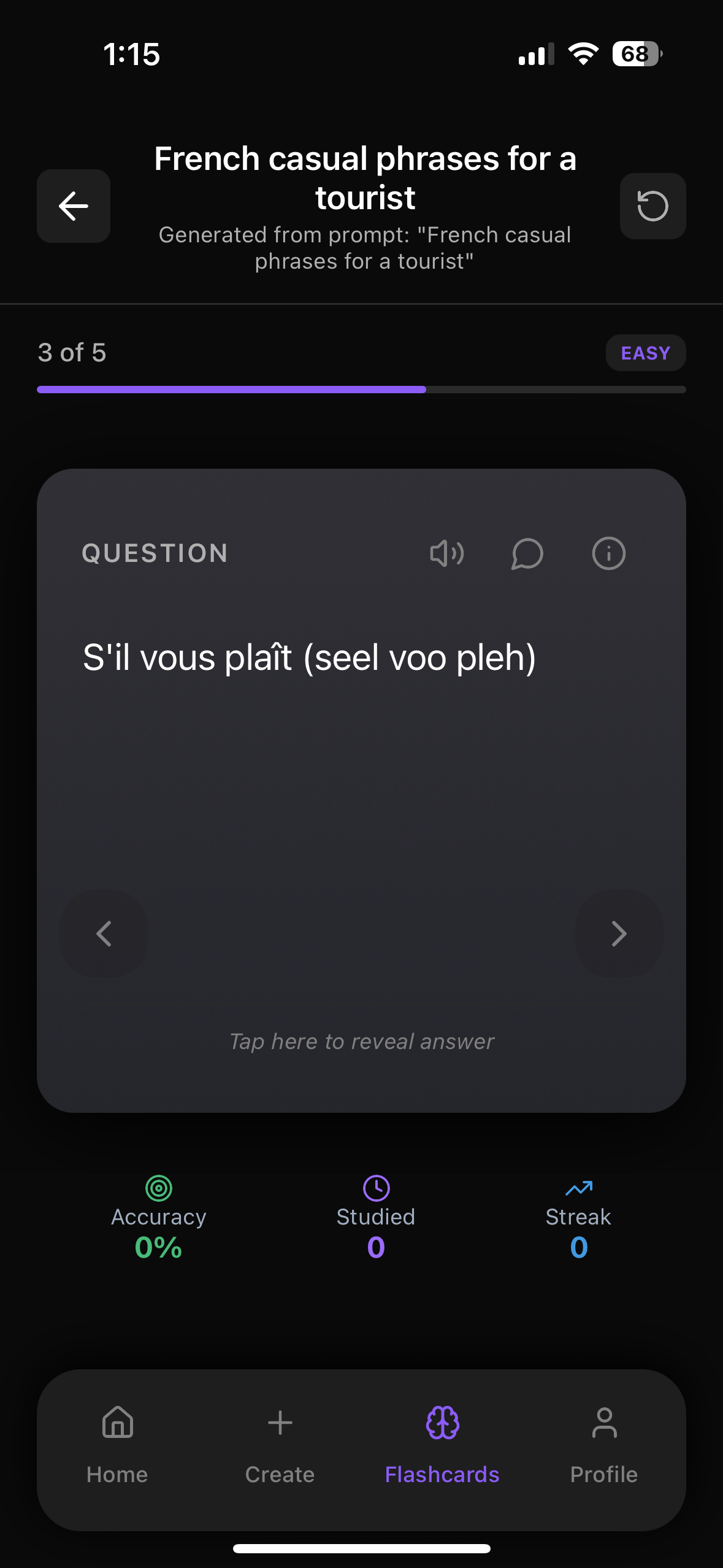
Flashrecall automatically keeps track and reminds you of the cards you don't remember well so you remember faster. Like this :
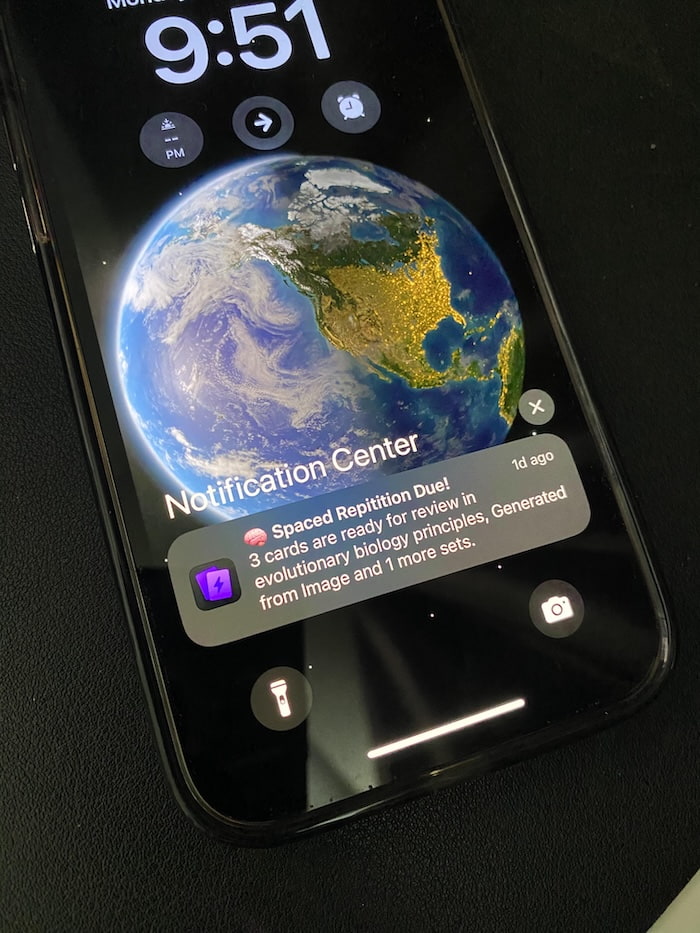
Plus, once your cards are in Flashrecall, you’re not stuck with just text. You can add:
- Images
- Audio
- Extra notes
- And even chat with the flashcard if you’re unsure about something
Step-By-Step: From Excel To Flashrecall
Here’s a simple flow you can use with your existing spreadsheet:
1. Clean Your Data
Same as before:
- One row per card
- One column per field (Front, Back, etc.)
- Optional Tag column (e.g., “MedSchool”, “French B2”)
2. Export As CSV
From Excel or Google Sheets, export your file as CSV.
3. Get It Into Flashrecall
There are a few easy ways to move the CSV to your iPhone/iPad:
- Email it to yourself and open it on your device
- Use iCloud/Dropbox/Google Drive and open from there
- Or copy content and paste into Flashrecall if you prefer
Inside Flashrecall, you can then:
- Create a new deck
- Use the import option (or paste your rows)
- Map:
- Column 1 → Front
- Column 2 → Back
- Column 3 → Hint / Extra (optional)
- Column 4 → Tags (optional)
Once you confirm, Flashrecall will generate all your cards automatically.
Why Flashrecall Beats A Pure Excel To Anki Workflow
Let’s be real: Anki is powerful, but it can feel like using a 90s program. If you just want to study fast and not babysit settings, Flashrecall is easier.
Here’s how Flashrecall improves the whole flow:
1. Automatic Spaced Repetition (No Overthinking)
Flashrecall has built-in spaced repetition with auto reminders, so you don’t have to:
- Manually figure out intervals
- Tweak settings endlessly
- Remember when to review – it just reminds you
2. Active Recall Built In
Every card is designed to force you to think first, then reveal. That’s active recall, which is exactly what you want for long-term memory.
3. Study Reminders
You get gentle nudges like:
- “Hey, you’ve got 20 cards due today”
So you don’t forget your decks for a week and then panic.
4. Works Offline
On a plane, train, or in a dead Wi‑Fi zone? Flashrecall still works. You can review your Excel-imported decks anywhere.
5. Crazy Fast Card Creation (Beyond Excel)
The whole “Excel to Anki” thing is mainly about bulk creation. But Flashrecall also lets you make cards instantly from:
- Images (snap a page from a textbook, turn it into cards)
- Text (paste an article, generate cards)
- Audio
- PDFs
- YouTube links
- Or just typed prompts
So once your original Excel list is imported, you don’t have to go back to spreadsheets every time. You can just build new cards on the fly inside the app.
Example: Turning A Vocab Excel Sheet Into Study-Ready Cards
Let’s say you have this in Excel:
| Front | Back | Example Sentence | Tag |
|---|---|---|---|
| photosynthesis | process plants use... | Plants use photosynthesis to make food. | Biology HS |
| mitosis | cell division process | Mitosis is how cells replicate. | Biology HS |
You export as CSV, import into Flashrecall, and map:
- Column 1 → Front
- Column 2 → Back
- Column 3 → Extra / Example
- Column 4 → Tag
Now in Flashrecall you can:
- Review these with spaced repetition
- Add an image of a diagram to the mitosis card
- Ask the app (chat with the flashcard):
- “Explain mitosis like I’m 12”
- “Give me another example question about photosynthesis”
That’s something the classic Excel to Anki workflow just doesn’t give you natively.
Great Use Cases For Excel → Flashcards (And Then Into Flashrecall)
Here’s where spreadsheets + flashcards shine:
- Language learning
- Word | Translation | Example | Tag (A1, A2, etc.)
- Medical school
- Disease | Symptoms | Treatment | Tag (Cardio, Neuro)
- Business & finance
- Term | Definition | Formula | Tag (Accounting, Finance)
- School & university
- Concept | Explanation | Example | Chapter tag
- Exam prep (MCAT, USMLE, CFA, etc.)
- Question | Answer | Explanation | Topic tag
You can keep building your master spreadsheet if you enjoy that structure, then periodically import into Flashrecall to actually study.
Excel To Anki vs Excel To Flashrecall: Quick Comparison
- ✅ Very customizable
- ✅ Huge community, lots of add-ons
- ❌ Clunky interface
- ❌ Desktop-focused imports
- ❌ Steeper learning curve
- ✅ Simple, modern, fast
- ✅ Mobile-first (iPhone & iPad)
- ✅ Built-in spaced repetition + reminders
- ✅ Can also create cards from images, PDFs, YouTube, text, audio
- ✅ You can chat with the flashcard if you’re confused
- ✅ Works offline
- ✅ Free to start
If your main goal is “study efficiently and not fight the app,” Flashrecall is honestly the easier route.
Grab it here and try it with a small Excel file first:
https://apps.apple.com/us/app/flashrecall-study-flashcards/id6746757085
Final Tips For Smooth Excel → Flashcards Imports
- Test with 5–10 rows first
Make sure the columns map correctly before importing 1,000+ cards.
- Keep fields simple
Short questions on the front, clear answers on the back.
- Use tags wisely
They make it way easier to filter and focus (e.g., “Week1”, “Chapter3”).
- Let spaced repetition do its job
Don’t cram; just show up when the app reminds you.
If you’ve been stuck on “excel to anki” tutorials and it all feels too fiddly, try running that same CSV through Flashrecall instead. Same spreadsheet, way smoother studying.
Frequently Asked Questions
Is Anki good for studying?
Anki is powerful but requires manual card creation and has a steep learning curve. Flashrecall offers AI-powered card generation from your notes, images, PDFs, and videos, making it faster and easier to create effective flashcards.
What's the fastest way to create flashcards?
Manually typing cards works but takes time. Many students now use AI generators that turn notes into flashcards instantly. Flashrecall does this automatically from text, images, or PDFs.
What's the most effective study method?
Research consistently shows that active recall combined with spaced repetition is the most effective study method. Flashrecall automates both techniques, making it easy to study effectively without the manual work.
What should I know about Excel?
Excel To Anki: The Complete Step-By-Step Guide Most Students Get Wrong – Learn The Fastest Way To Turn Spreadsheets Into Powerful Flashcards covers essential information about Excel. To master this topic, use Flashrecall to create flashcards from your notes and study them with spaced repetition.
Related Articles
- Brainscape To Anki: The Complete Guide To Switching Flashcard Apps (And The Smarter Alternative Most People Miss) – Learn a faster way to move your decks and upgrade your whole study workflow.
- Flashcard Hero: The Complete Guide To Smarter Flashcards And The One App Most Students Don’t Know About – Yet
- Excel Flashcards: Why Most Students Outgrow Spreadsheets (And What Works Better) – Discover a faster, smarter way to turn anything into flashcards without fighting formulas or formatting.
Research References
The information in this article is based on peer-reviewed research and established studies in cognitive psychology and learning science.
Cepeda, N. J., Pashler, H., Vul, E., Wixted, J. T., & Rohrer, D. (2006). Distributed practice in verbal recall tasks: A review and quantitative synthesis. Psychological Bulletin, 132(3), 354-380
Meta-analysis showing spaced repetition significantly improves long-term retention compared to massed practice
Carpenter, S. K., Cepeda, N. J., Rohrer, D., Kang, S. H., & Pashler, H. (2012). Using spacing to enhance diverse forms of learning: Review of recent research and implications for instruction. Educational Psychology Review, 24(3), 369-378
Review showing spacing effects work across different types of learning materials and contexts
Kang, S. H. (2016). Spaced repetition promotes efficient and effective learning: Policy implications for instruction. Policy Insights from the Behavioral and Brain Sciences, 3(1), 12-19
Policy review advocating for spaced repetition in educational settings based on extensive research evidence
Karpicke, J. D., & Roediger, H. L. (2008). The critical importance of retrieval for learning. Science, 319(5865), 966-968
Research demonstrating that active recall (retrieval practice) is more effective than re-reading for long-term learning
Roediger, H. L., & Butler, A. C. (2011). The critical role of retrieval practice in long-term retention. Trends in Cognitive Sciences, 15(1), 20-27
Review of research showing retrieval practice (active recall) as one of the most effective learning strategies
Dunlosky, J., Rawson, K. A., Marsh, E. J., Nathan, M. J., & Willingham, D. T. (2013). Improving students' learning with effective learning techniques: Promising directions from cognitive and educational psychology. Psychological Science in the Public Interest, 14(1), 4-58
Comprehensive review ranking learning techniques, with practice testing and distributed practice rated as highly effective

FlashRecall Team
FlashRecall Development Team
The FlashRecall Team is a group of working professionals and developers who are passionate about making effective study methods more accessible to students. We believe that evidence-based learning tec...
Credentials & Qualifications
- •Software Development
- •Product Development
- •User Experience Design
Areas of Expertise
Ready to Transform Your Learning?
Start using FlashRecall today - the AI-powered flashcard app with spaced repetition and active recall.
Download on App Store