Baby First Words Flashcards: The Powerful Guide
Baby first words flashcards make learning fun with personalized images and audio. Use spaced repetition to help your little one remember new words effectively.
How Flashrecall app helps you remember faster. It's free
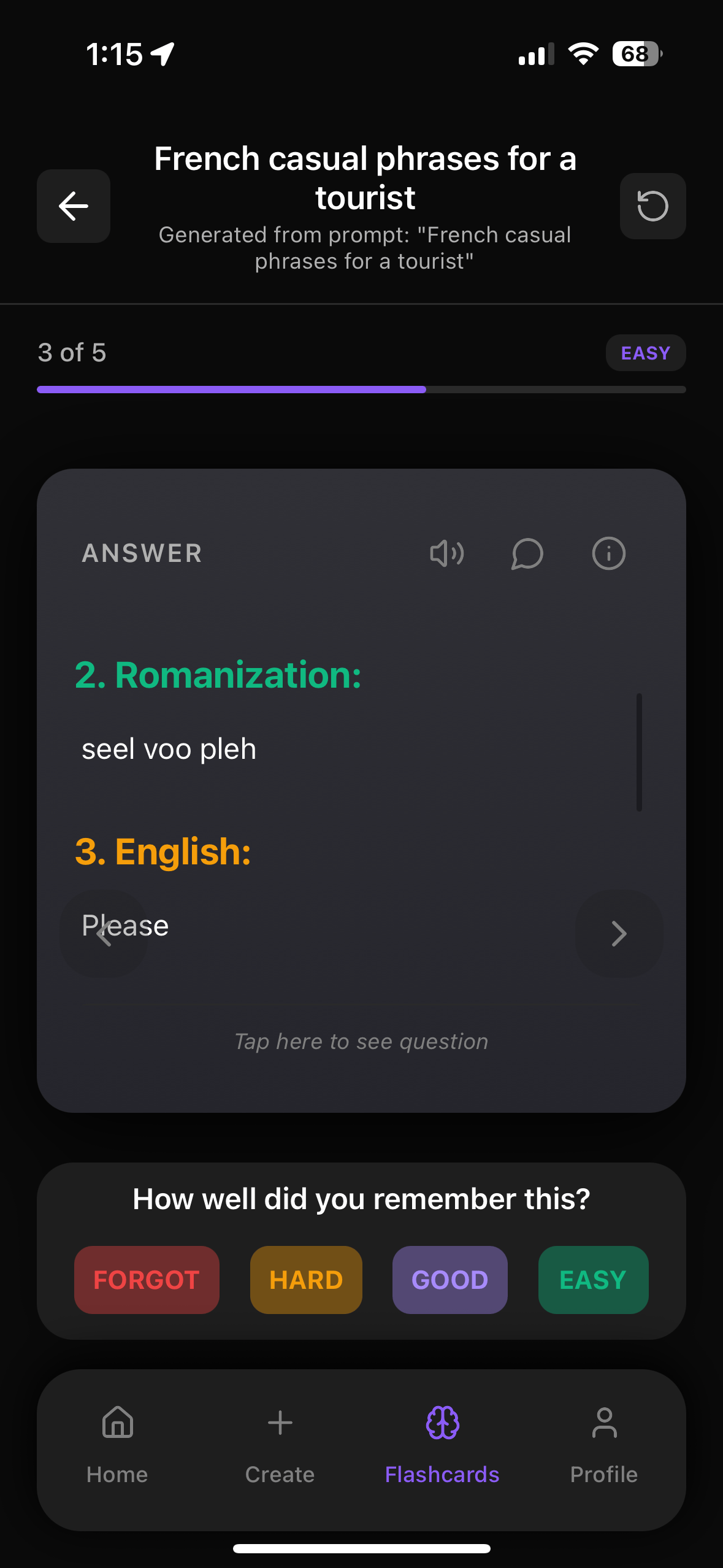
Why First Words Flash Cards Actually Work (When You Use Them Right)
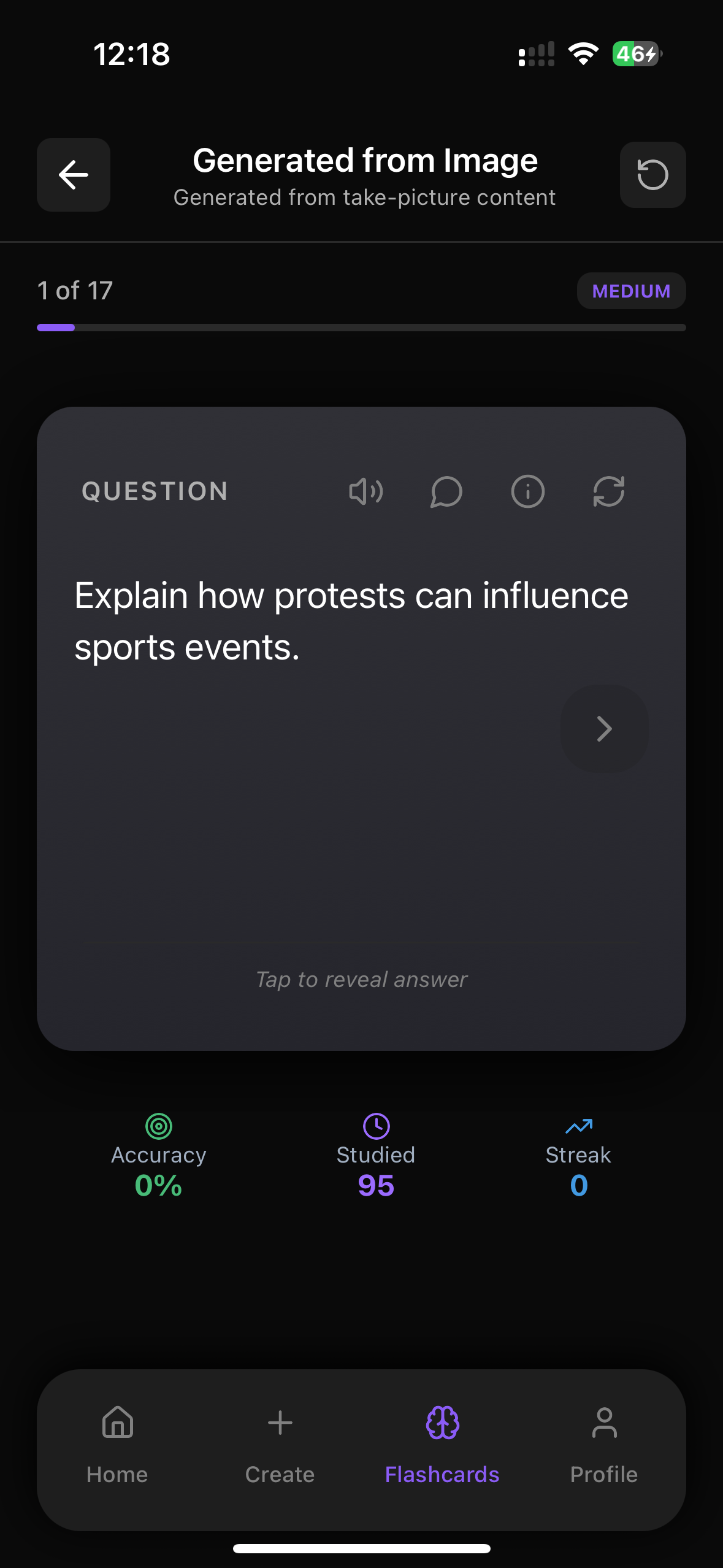
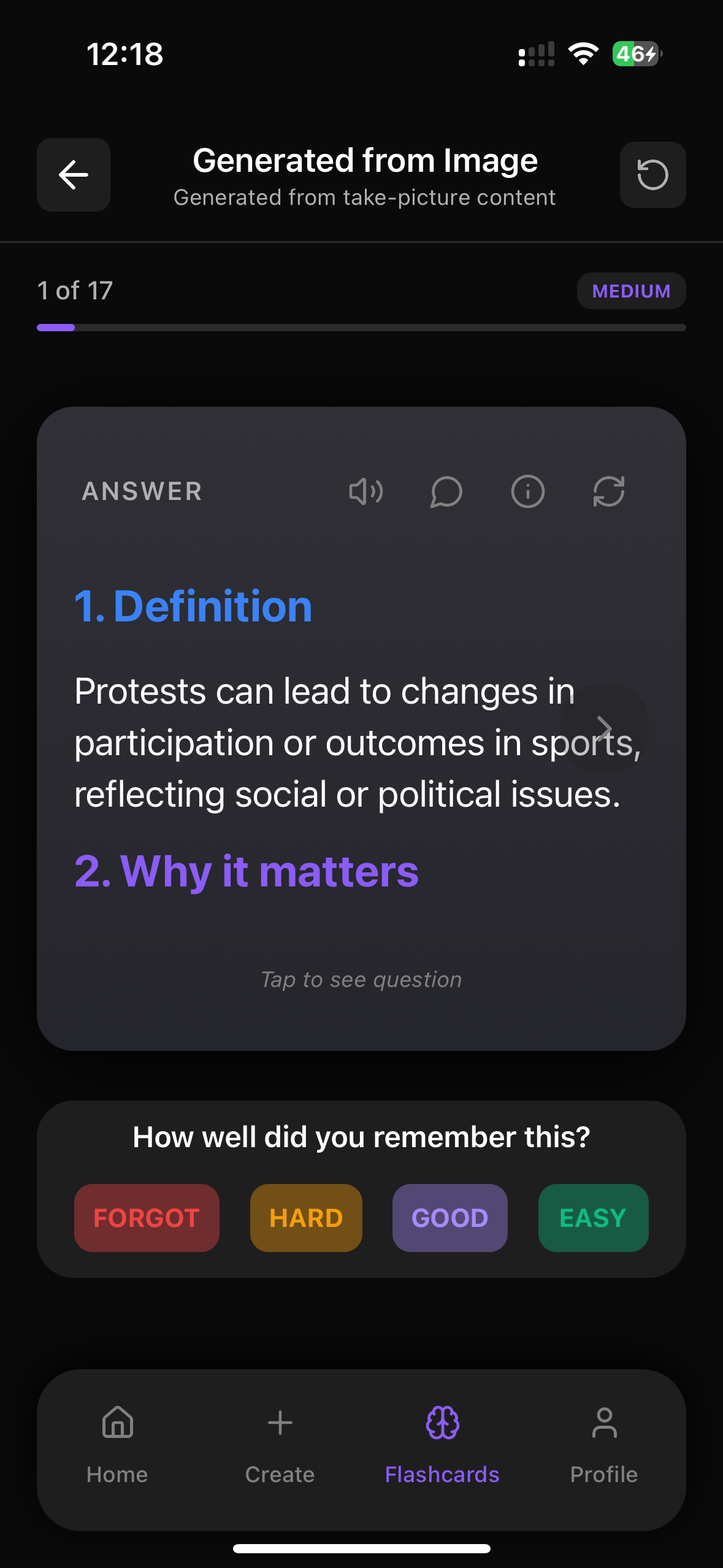
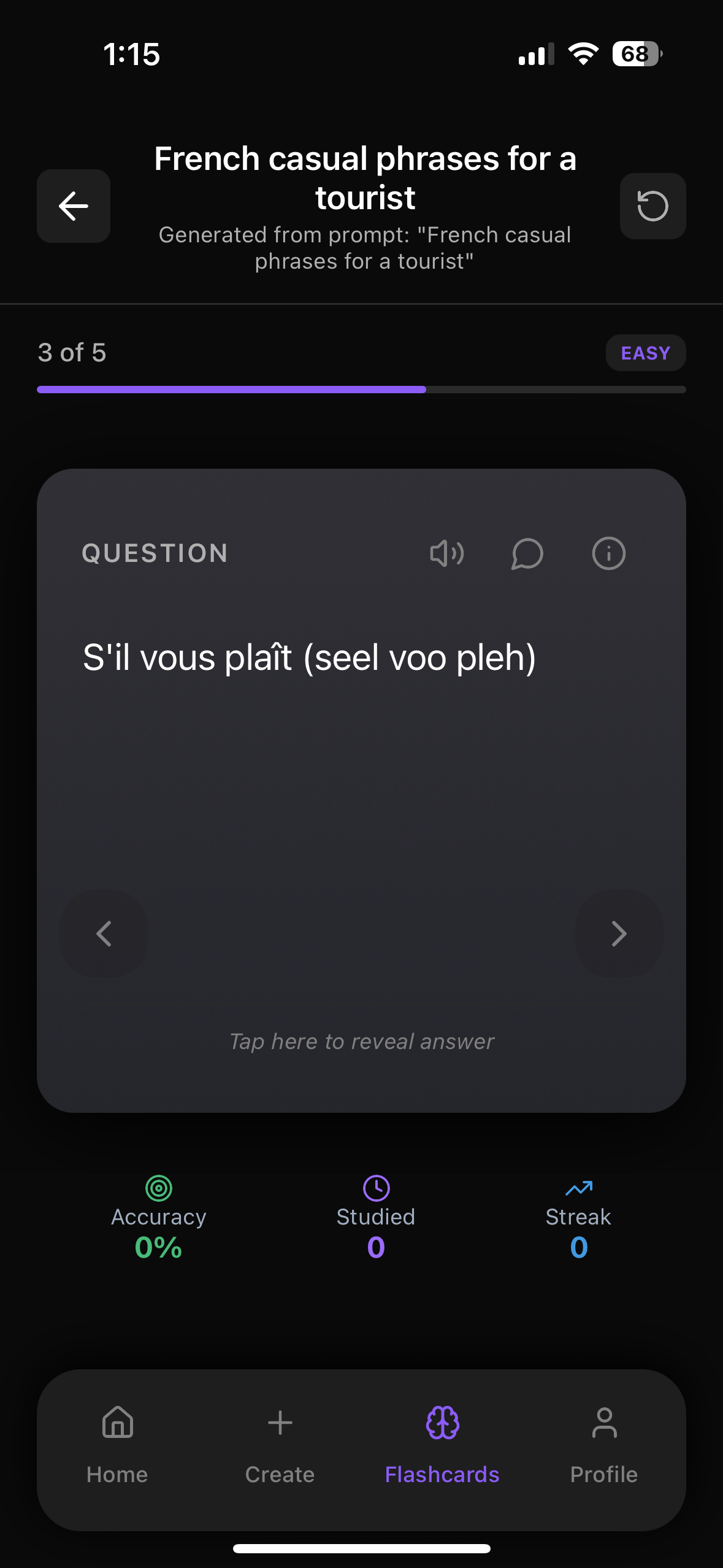
So, here's the scoop on baby first words flashcards: they're like little magic cards that help your baby start chatting sooner and remembering words longer. You know how toddlers are like tiny, walking, talking sponges? Well, these flashcards break down all those new words into bite-sized pieces your little one can easily soak up. The cool part is that Flashrecall makes it super easy by creating flashcards from your materials and reminding you when it's time to use them again – no stressing over when to review. It’s kind of like having a personal study buddy for your kiddo. If you’re curious to learn some awesome tips to get your baby talking with these flashcards, check out our complete guide. You'll be amazed at how much fun learning can be!
- Turn your own photos (family, toys, pets) into flashcards
- Add audio so your child hears the word clearly
- Use spaced repetition so words show up again right when they’re about to forget them
- Study offline on iPhone and iPad (perfect for car rides, waiting rooms, etc.)
Let’s break down how to actually use first words flash cards in a way that feels natural, fun, and actually helps your child remember words.
What Are “First Words” Flash Cards, Really?
First words flash cards are just simple picture cards with:
- A picture (like a dog, ball, apple)
- A word (written)
- Sometimes audio (someone saying “dog”, “ball”, etc.)
They’re usually used for:
- Babies starting to understand words (around 8–12 months)
- Toddlers learning to say their first words (12–24+ months)
- Kids learning multiple languages (bilingual homes, etc.)
But here’s the key:
They work best when the words are relevant to your child’s real life.
“Dog” is way more meaningful if it’s a picture of your dog, not some random stock photo golden retriever.
That’s where a digital flashcard app like Flashrecall is so much better than a generic deck from a store.
Why Digital First Words Flash Cards Beat Printed Ones
Traditional paper flash cards are cute, but:
- You can’t customize them easily
- You can’t add audio of you saying the word
- You can’t track which words your kid actually remembers
- They don’t remind you when it’s time to review
With Flashrecall, you can:
1. Use Real-Life Photos
Take a picture of:
- Your child’s favorite toy
- Your cat sleeping on the couch
- Grandma
- Their own face making a silly expression
Then turn each into a card in seconds.
- Front: picture
- Back: the word (“ball”, “grandma”, “kitty”)
- Optional: your voice saying the word
This makes the flashcards feel like a little book of their world, not some random vocabulary list.
2. Add Audio So They Hear the Word Clearly
In Flashrecall, you can:
- Record your own voice saying the word
- Or add audio from another source if you want
So every time the card appears, you can tap and play the word.
Perfect for babies who can’t read but can definitely listen.
3. Let Spaced Repetition Do the Heavy Lifting
Flashrecall has built-in spaced repetition and active recall:
- It shows words more often when they’re new
- Less often as your child (and you) get them right
- You get study reminders so you don’t forget to review
You don’t have to remember which words you’ve already shown them or when to repeat them — the app handles it.
Download it here if you want to try it while you read:
👉 https://apps.apple.com/us/app/flashrecall-study-flashcards/id6746757085
7 Simple Ways To Use First Words Flash Cards With Babies & Toddlers
You don’t need some rigid “lesson plan”. Just weave it into your day.
1. Start With Words Your Child Already Loves
Skip the random “zebra, igloo, violin” stuff at first.
Use:
- Mama / Dada
- Dog / Cat
- Ball / Car / Book
- Milk / Water / Banana
- Bed / Bath / Shoes
In Flashrecall, just snap photos of these things around your house and make cards in a few taps.
This way, when you show the card, your child sees something they actually care about.
2. Use Short, Fun Sessions (Not Long Drills)
Think:
- 2–5 minutes
- A few times a day
- While you’re on the couch, in bed, waiting somewhere
For each card:
1. Show the picture
2. Say the word slowly and clearly
3. Let your child try to repeat (or point, or smile, or babble — it all counts)
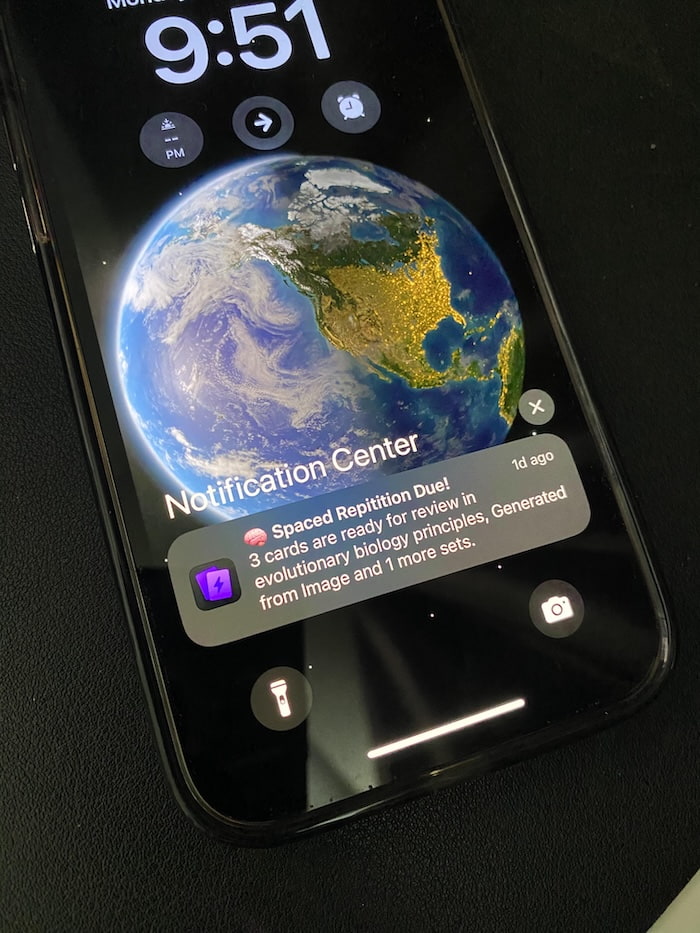
Flashrecall automatically keeps track and reminds you of the cards you don't remember well so you remember faster. Like this :
4. Celebrate any attempt
You can even let them tap the screen in Flashrecall to flip the card. Tiny bit of control = more engagement.
3. Turn Everyday Moments Into Flashcards
This is where digital really wins.
Examples:
- At the park? Take a picture of the slide, swing, tree, bird.
- Eating? Take pictures of pasta, broccoli, cup, spoon.
- Visiting grandparents? Take photos of Grandma, Grandpa, house, car.
Later, drop those photos into Flashrecall and make a quick “Today” deck.
Now when you review, your child is seeing the same things they just experienced.
That’s insanely powerful for memory.
4. Use Two Languages If You’re Raising a Bilingual Kid
If you’re teaching two languages, you can:
- Put Language A on the front
- Language B + audio on the back
- Or make two versions of each card (one per language)
Example:
- Front: 🐶 picture
- Back: “dog” + your voice saying “dog”
- Second card: same picture, but back says “perro” + Spanish audio
Flashrecall works great for language learning in general (not just kids), so you can use the same app for your own vocabulary too.
5. Mix Flash Cards With Real Objects
Don’t just keep it on the screen.
Try this:
1. Show the card: picture of a ball
2. Say “ball”
3. Then grab an actual ball and say “Look! Ball!”
4. Let them hold it, throw it, chew it (realistically)
You’re connecting:
- Picture
- Word (sound)
- Real object
- Action
That combo makes the word stick way better.
6. Let Your Child “Teach” You
Toddlers love pretending to be in charge.
Open Flashrecall, hand them the device, and say:
> “You show ME the cards!”
For each card:
- Let them flip it
- Ask, “What’s this?”
- Even if they say “da!” for dog, react like it’s the best answer ever
- Then you say the word clearly again
This turns active recall into a fun little game instead of a test.
7. Slowly Add New Words (Don’t Overwhelm Them)
You don’t need 200 words right away.
Start with:
- 10–20 core words
- Review them regularly
- Once they seem easy, add 3–5 new ones
Flashrecall’s spaced repetition will naturally show older words less often and newer words more often, so you don’t have to micromanage the deck.
How to Build a First Words Deck in Flashrecall (Step-by-Step)
Here’s a simple way to get started:
Step 1: Download Flashrecall
Grab it here (free to start):
👉 https://apps.apple.com/us/app/flashrecall-study-flashcards/id6746757085
Works on iPhone and iPad, and it’s fast and modern — not clunky like some old-school flashcard apps.
Step 2: Decide on Your First 15–20 Words
Think:
- People: mom, dad, grandma, grandpa, baby
- Pets: dog, cat
- Favorites: ball, car, book, teddy
- Everyday: milk, water, bed, bath, shoes
Step 3: Add Real Photos
In Flashrecall you can:
- Use photos from your camera roll
- Or snap new ones directly in the app
For each card:
- Front: photo
- Back: word (e.g., “ball”)
- Optional: your voice saying the word
You can also create cards from images, text, audio, PDFs, YouTube links, or typed prompts, but for first words, simple photos are usually perfect.
Step 4: Review a Little Every Day
Open your “First Words” deck and:
- Do a quick 2–5 minute session
- Let your child tap to flip
- Say each word out loud
- Repeat a few favorites
Flashrecall will:
- Track which cards are easy/hard
- Use spaced repetition to schedule reviews
- Send study reminders so you don’t forget
Step 5: Grow the Deck as Your Child Grows
As your child learns more words, you can:
- Add colors (red, blue, green)
- Body parts (nose, eyes, ears)
- Actions (eat, sleep, jump) – use short clips or pictures
- Feelings (happy, sad, tired) – use their own facial expressions
You can even chat with the flashcard in Flashrecall if you want more context about a word or concept (super handy for older kids or when you start using it for school subjects later).
Why Flashrecall Is Perfect Beyond First Words
The cool part: you’re not just downloading a “baby flashcard” app you’ll delete in 6 months.
Flashrecall is powerful enough to grow with your child (and you):
- Great for languages, school subjects, university, medicine, business, anything
- You can make flashcards manually or auto-generate from text, PDFs, and YouTube links
- Works offline, so you can study anywhere
- Clean, modern, easy to use — not bloated and confusing
You can start with simple first words now, and later:
- Use it for alphabet
- Then sight words
- Then science, history, vocab tests
- And your own learning goals too
Final Thoughts: Keep It Fun, Short, and Personal
If you remember nothing else about first words flash cards, remember this:
- Use real-life photos your child recognizes
- Keep sessions short and playful
- Let them tap, point, and “teach” you
- Add new words slowly
- Review consistently (Flashrecall’s reminders help a ton)
If you want an easy way to build personalized first words flash cards that actually stick, try Flashrecall here:
👉 https://apps.apple.com/us/app/flashrecall-study-flashcards/id6746757085
It takes a few minutes to set up, and you’ll have a simple, powerful tool to help your child understand and say their first words faster — without needing a stack of messy printed cards.
Frequently Asked Questions
What's the fastest way to create flashcards?
Manually typing cards works but takes time. Many students now use AI generators that turn notes into flashcards instantly. Flashrecall does this automatically from text, images, or PDFs.
Is there a free flashcard app?
Yes. Flashrecall is free and lets you create flashcards from images, text, prompts, audio, PDFs, and YouTube videos.
How do I start spaced repetition?
You can manually schedule your reviews, but most people use apps that automate this. Flashrecall uses built-in spaced repetition so you review cards at the perfect time.
Related Articles
- Moina Flashcards: The Best Alternative Most Students Don’t Know About (Yet) – Learn Faster With Smarter, Automatic Study Tools
- Cocomelon Flash Cards: The Essential Guide To Making Screen Time Smart, Fun, And Super Educational For Kids – Most Parents Don’t Know This Simple Upgrade
- Slide And Learn Flash Cards: The Powerful Upgrade Students Need To Learn Faster (Most People Don’t Know This Trick)
Research References
The information in this article is based on peer-reviewed research and established studies in cognitive psychology and learning science.
Cepeda, N. J., Pashler, H., Vul, E., Wixted, J. T., & Rohrer, D. (2006). Distributed practice in verbal recall tasks: A review and quantitative synthesis. Psychological Bulletin, 132(3), 354-380
Meta-analysis showing spaced repetition significantly improves long-term retention compared to massed practice
Carpenter, S. K., Cepeda, N. J., Rohrer, D., Kang, S. H., & Pashler, H. (2012). Using spacing to enhance diverse forms of learning: Review of recent research and implications for instruction. Educational Psychology Review, 24(3), 369-378
Review showing spacing effects work across different types of learning materials and contexts
Kang, S. H. (2016). Spaced repetition promotes efficient and effective learning: Policy implications for instruction. Policy Insights from the Behavioral and Brain Sciences, 3(1), 12-19
Policy review advocating for spaced repetition in educational settings based on extensive research evidence
Karpicke, J. D., & Roediger, H. L. (2008). The critical importance of retrieval for learning. Science, 319(5865), 966-968
Research demonstrating that active recall (retrieval practice) is more effective than re-reading for long-term learning
Roediger, H. L., & Butler, A. C. (2011). The critical role of retrieval practice in long-term retention. Trends in Cognitive Sciences, 15(1), 20-27
Review of research showing retrieval practice (active recall) as one of the most effective learning strategies
Dunlosky, J., Rawson, K. A., Marsh, E. J., Nathan, M. J., & Willingham, D. T. (2013). Improving students' learning with effective learning techniques: Promising directions from cognitive and educational psychology. Psychological Science in the Public Interest, 14(1), 4-58
Comprehensive review ranking learning techniques, with practice testing and distributed practice rated as highly effective

FlashRecall Team
FlashRecall Development Team
The FlashRecall Team is a group of working professionals and developers who are passionate about making effective study methods more accessible to students. We believe that evidence-based learning tec...
Credentials & Qualifications
- •Software Development
- •Product Development
- •User Experience Design
Areas of Expertise
Ready to Transform Your Learning?
Start using FlashRecall today - the AI-powered flashcard app with spaced repetition and active recall.
Download on App Store