Flash Card Hiragana Tips: The Powerful Guide
Flash card hiragana tips break down the 46 characters into manageable pieces. Use Flashrecall for spaced repetition and timely reminders to boost your memory.
How Flashrecall app helps you remember faster. It's free
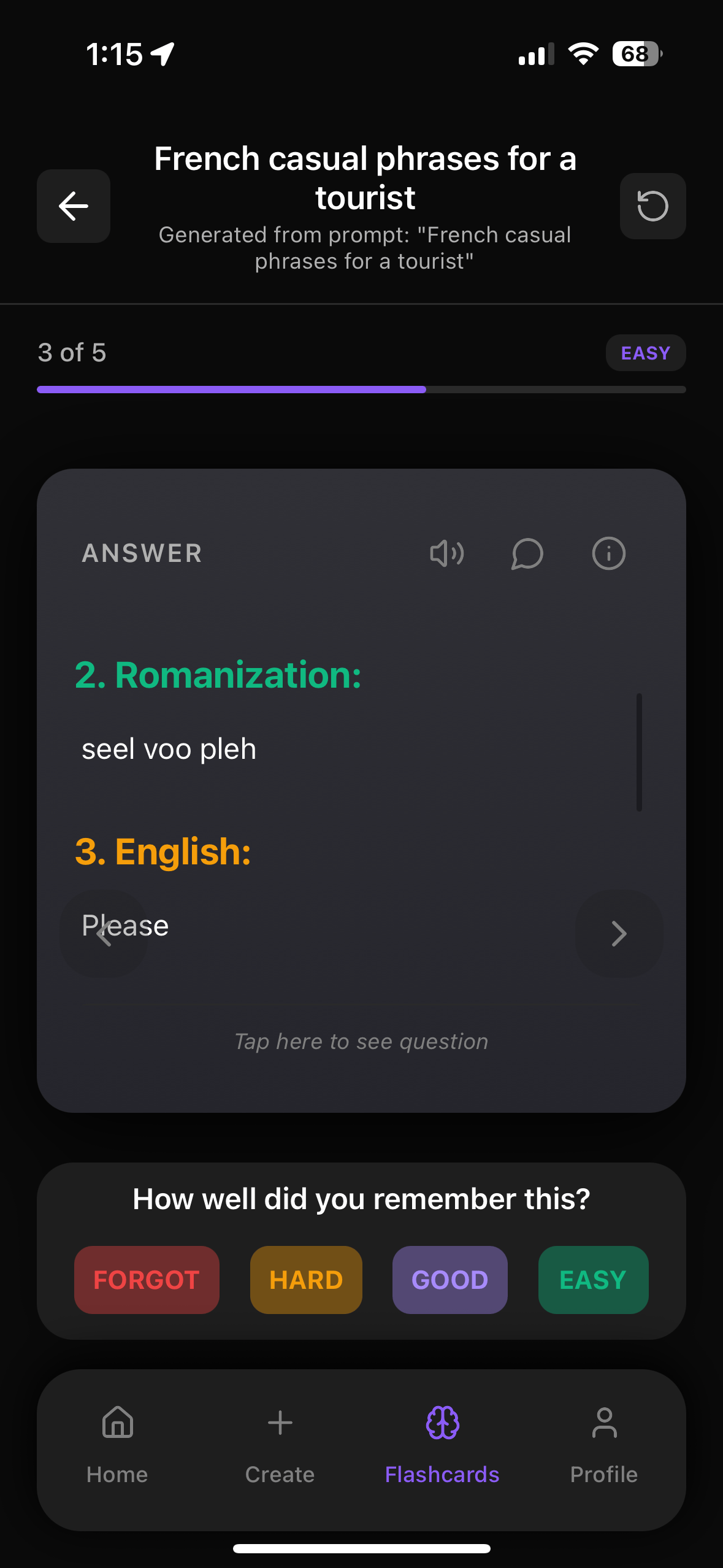
Stop Struggling With Hiragana – Flashcards Make It So Much Easier
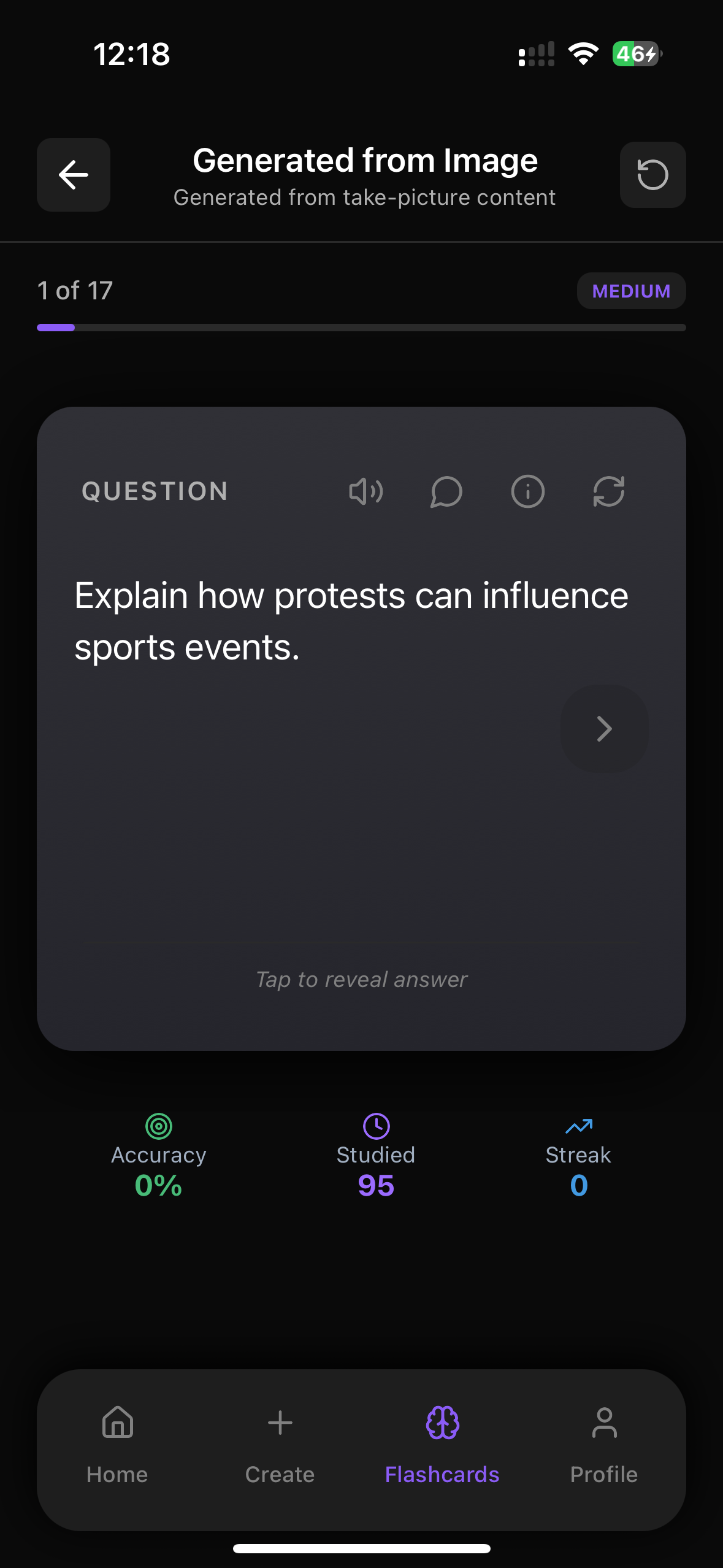
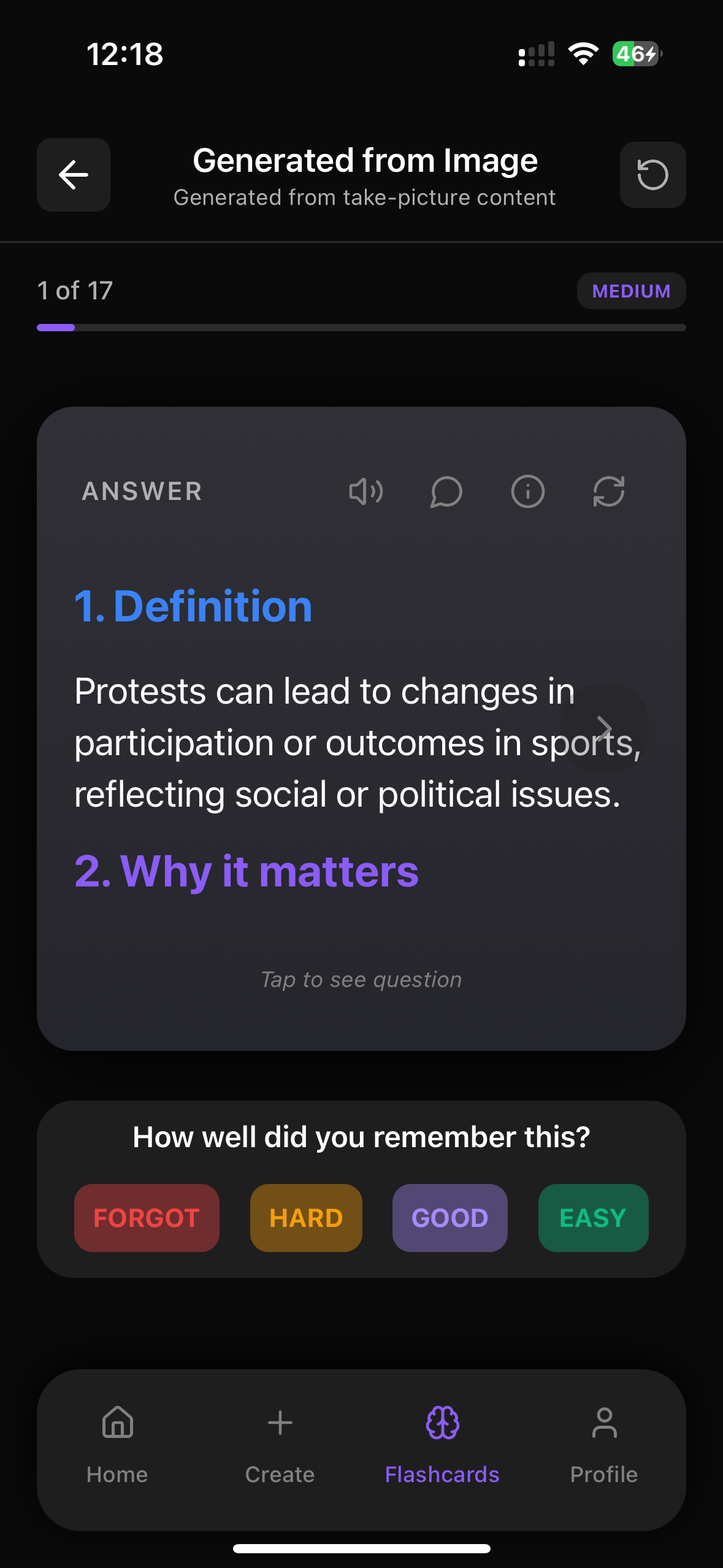
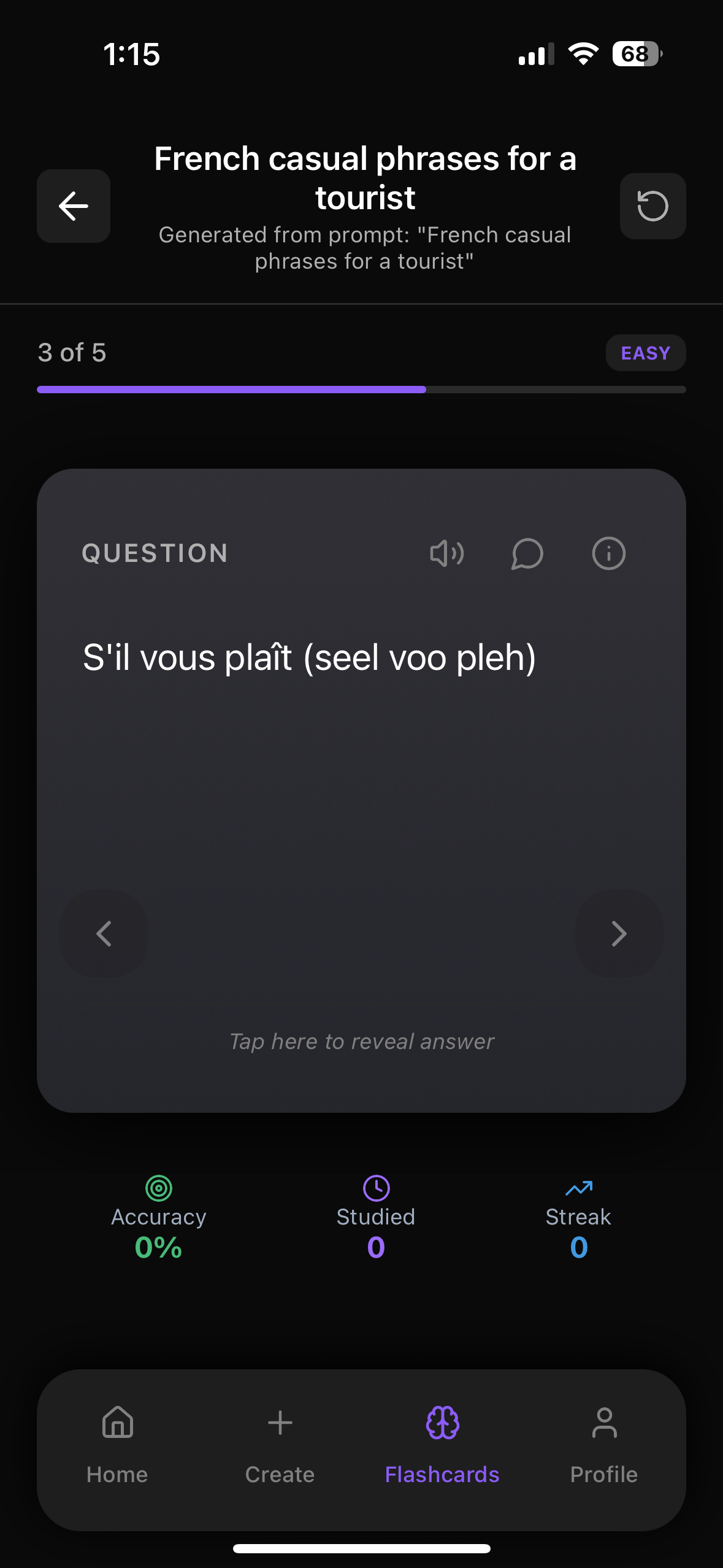
You ever find yourself staring at a bunch of hiragana characters and thinking, "How am I ever gonna remember all this?" I get it, it's a lot! But flash card hiragana tips are seriously a lifesaver when it comes to cutting through the chaos. You know how flashcards can break things down into bite-sized pieces? Well, that's exactly the trick here. It's all about active recall and spaced repetition—fancy words for some pretty simple, yet effective techniques. And hey, if you’re like me and need a little help organizing all this, Flashrecall has your back. It takes your study materials and turns them into flashcards, then reminds you just when you need to review them. Honestly, if you’ve struggled with remembering these characters before, don't sweat it! Flashrecall’s got some neat tricks in their complete guide that’ll have you nailing every hiragana character in no time.
That’s where Flashrecall comes in. It’s a super fast, modern flashcard app that basically does all the boring stuff for you:
spaced repetition, reminders, and even making cards from images or text. You can grab it here (free to start):
👉 https://apps.apple.com/us/app/flashrecall-study-flashcards/id6746757085
Let’s walk through how to use flash cards to master hiragana, step by step, without burning out.
Why Flash Cards Work So Well For Hiragana
Hiragana is a small, closed set: 46 basic characters + a few variations. That’s perfect flashcard territory.
Flashcards help you because they:
- Force active recall (you have to remember, not just “recognize”)
- Let you separate easy vs hard characters
- Make it easy to practice daily in short bursts
- Work great with spaced repetition, so you don’t forget after a week
In Flashrecall, active recall and spaced repetition are already built in, so you don’t have to think about “when” to review – the app handles that automatically.
Step 1: Decide What Goes On Your Hiragana Flashcards
For hiragana, you basically need two directions:
1. Japanese → Reading + Sound
- Front: さ
- Back: “sa”
2. Reading → Japanese
- Front: “sa”
- Back: さ
Most people only do the first type (character → sound), but if you want to write Japanese or recognize it quickly when reading, you should absolutely do both.
In Flashrecall, you can:
- Make manual cards for full control
- Or use images / tables to generate cards quickly
For example, if you have a hiragana chart as an image or PDF, you can drop it into Flashrecall and quickly turn it into cards instead of typing everything by hand.
Step 2: Use A Smart Order (Don’t Learn Randomly)
Random order = more confusion and slower progress.
Use a logical pattern, like:
1. Vowels first: あ・い・う・え・お
2. Then K-row: か・き・く・け・こ
3. Then S-row, T-row, N-row, etc.
You can create separate decks or tags in Flashrecall like:
- “Hiragana – Vowels”
- “Hiragana – K / S / T”
- “Hiragana – Dakuten (が, ざ, だ, etc.)”
- “Hiragana – Small Characters (ゃ, ゅ, ょ, っ)”
This lets you focus on one chunk at a time instead of trying to swallow the whole chart at once.
Step 3: Add Visual And Audio Cues (This Helps A Lot)
Flashrecall automatically keeps track and reminds you of the cards you don't remember well so you remember faster. Like this :
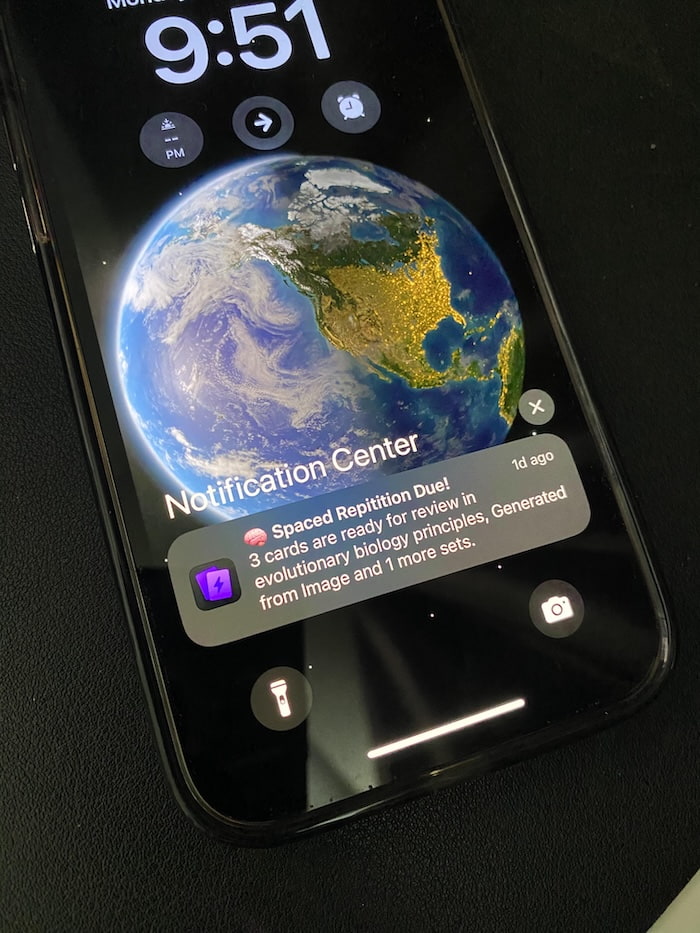
Pure text works, but your brain loves images and sounds.
With Flashrecall you can:
- Add images to your cards (e.g., a picture that reminds you of the sound)
- Add audio so you hear the correct pronunciation
- Turn YouTube videos or audio sources into flashcards to reinforce the sounds
Example card:
- Front: ぬ + audio of “nu”
- Back: “nu” + maybe a silly image that reminds you of noodles (whatever sticks in your mind)
You can even use mnemonic images from a hiragana chart you find online: screenshot → import into Flashrecall → make cards.
Step 4: Let Spaced Repetition Do The Heavy Lifting
Most people fail at hiragana not because it’s hard, but because they don’t review at the right time.
That’s exactly what spaced repetition solves.
In Flashrecall:
- Every time you review a card, you mark how easy or hard it was.
- The app automatically schedules the next review at the perfect time.
- You get study reminders, so you don’t have to remember to remember.
So instead of cramming 46 characters in one night and forgetting them next week, you:
- Learn a few new ones
- Review old ones just before you’d normally forget
- Build long-term memory without burning out
You don’t have to set any of this up manually – Flashrecall has built-in spaced repetition and active recall ready to go.
Step 5: Mix Reading, Writing, And Sound In Your Cards
If you want to really own hiragana, use your cards to hit it from all angles:
1. Reading Practice
- Front: み
- Back: “mi”
2. Writing Practice
- Front: “Write み (mi)”
- Back: み + maybe a stroke order image
You can use Flashrecall on your iPhone or iPad, look at the prompt, write it on paper, then flip the card to check.
3. Listening Practice
- Front: audio only (“ke”)
- Back: け
You can attach audio files or use content from YouTube / other sources inside Flashrecall to build listening-based cards. Great for training your ear to Japanese sounds.
Step 6: Use Hiragana In Real Words ASAP
Don’t stay stuck in “random character mode” forever. As soon as you know a few rows, start learning real words in hiragana.
Example cards:
- Front: ねこ
- Back: “neko – cat”
- Front: ありがとう
- Back: “arigatou – thank you”
This does two things:
1. You see characters in context, not just isolated.
2. You start feeling like you’re actually reading Japanese, which is way more motivating.
In Flashrecall you can have:
- One deck for basic hiragana characters
- Another deck for vocab in hiragana
- Or just tag cards like `#character` and `#word` so you can filter them
Step 7: Build Your Deck Fast With Flashrecall (Instead Of Typing Forever)
Typing out every single card by hand is where a lot of people give up.
Flashrecall makes the “building” part way faster:
- Import images of hiragana charts and turn them into cards
- Use PDFs or text lists from a website
- Add YouTube links with pronunciation videos and create cards from them
- Or just type prompts and let the app help you structure them
You can create a full basic hiragana deck in one short session instead of spending hours fiddling with formatting.
And if you ever get stuck on a character or word, you can chat with the flashcard in Flashrecall to get extra explanations, examples, or help – super useful when you’re unsure how something is used.
Why Use Flashrecall For Hiragana Instead Of Old-School Methods?
You could use paper cards or a random generic app, but here’s what you get with Flashrecall that makes it better for hiragana:
- Automatic spaced repetition – no need to plan review schedules
- Active recall built in – the whole experience is designed around testing yourself
- Instant flashcards from images, text, audio, PDFs, and YouTube – perfect for turning hiragana charts and pronunciation videos into cards
- Study reminders – your phone nudges you to quickly review so you stay consistent
- Works offline – review hiragana on the train, plane, or anywhere
- Fast, modern, and easy to use – no clunky menus or confusing setup
- Free to start – you can try it without committing to anything
- Works on iPhone and iPad – perfect if you like studying on the go or on a bigger screen
Grab it here and set up your first hiragana deck in minutes:
👉 https://apps.apple.com/us/app/flashrecall-study-flashcards/id6746757085
A Simple 7-Day Hiragana Flashcard Plan
If you want something concrete, try this:
Day 1
- Learn: あ・い・う・え・お
- Add them as cards in both directions (character → sound, sound → character)
- Review with Flashrecall until they feel easy
Day 2
- Add: か・き・く・け・こ
- Quick review of Day 1 cards (Flashrecall will schedule them for you)
Day 3
- Add: さ・し・す・せ・そ
- Start 2–3 simple words using only what you know (e.g., いえ, うえ)
Day 4
- Add: た・ち・つ・て・と
- Mix reading and writing practice with your cards
Day 5
- Add: な・に・ぬ・ね・の
- Start a small deck of words only in hiragana
Day 6
- Add: は・ひ・ふ・へ・ほ
- Keep reviewing; let spaced repetition pick what needs work
Day 7
- Add: ま・み・む・め・も
- Review everything; focus on the ones Flashrecall shows you most often (those are your weak spots)
In 1–2 weeks, with short daily reviews, you can realistically have almost all basic hiragana down solid.
Final Thoughts: Hiragana Isn’t Hard, You Just Need The Right System
Hiragana feels overwhelming at first, but it’s totally manageable with:
- Good flashcards
- Smart review (spaced repetition)
- Consistent short sessions
Flashrecall gives you all of that in one place, without you having to set up complicated settings or remember when to review.
If you’re serious about learning Japanese, set up your hiragana deck now and let the app handle the hard part of scheduling and remembering:
👉 https://apps.apple.com/us/app/flashrecall-study-flashcards/id6746757085
Start today, and a week from now you’ll be surprised how much hiragana you can actually read.
Frequently Asked Questions
What's the fastest way to create flashcards?
Manually typing cards works but takes time. Many students now use AI generators that turn notes into flashcards instantly. Flashrecall does this automatically from text, images, or PDFs.
Is there a free flashcard app?
Yes. Flashrecall is free and lets you create flashcards from images, text, prompts, audio, PDFs, and YouTube videos.
How do I start spaced repetition?
You can manually schedule your reviews, but most people use apps that automate this. Flashrecall uses built-in spaced repetition so you review cards at the perfect time.
Related Articles
- Flash Card Hiragana: 7 Powerful Tricks To Finally Remember Every Character Fast – Even If You’ve Failed Before
- Japanese Hiragana Flash Cards: 7 Powerful Tricks To Finally Remember Every Character Fast – Stop Forgetting あいうえお And Start Reading Real Japanese In Weeks
- Food Vocabulary Flashcards: 7 Powerful Ways To Learn Food Words Faster And Actually Remember Them – Stop memorizing random word lists and start learning food vocab in a way your brain actually likes.
Research References
The information in this article is based on peer-reviewed research and established studies in cognitive psychology and learning science.
Cepeda, N. J., Pashler, H., Vul, E., Wixted, J. T., & Rohrer, D. (2006). Distributed practice in verbal recall tasks: A review and quantitative synthesis. Psychological Bulletin, 132(3), 354-380
Meta-analysis showing spaced repetition significantly improves long-term retention compared to massed practice
Carpenter, S. K., Cepeda, N. J., Rohrer, D., Kang, S. H., & Pashler, H. (2012). Using spacing to enhance diverse forms of learning: Review of recent research and implications for instruction. Educational Psychology Review, 24(3), 369-378
Review showing spacing effects work across different types of learning materials and contexts
Kang, S. H. (2016). Spaced repetition promotes efficient and effective learning: Policy implications for instruction. Policy Insights from the Behavioral and Brain Sciences, 3(1), 12-19
Policy review advocating for spaced repetition in educational settings based on extensive research evidence
Karpicke, J. D., & Roediger, H. L. (2008). The critical importance of retrieval for learning. Science, 319(5865), 966-968
Research demonstrating that active recall (retrieval practice) is more effective than re-reading for long-term learning
Roediger, H. L., & Butler, A. C. (2011). The critical role of retrieval practice in long-term retention. Trends in Cognitive Sciences, 15(1), 20-27
Review of research showing retrieval practice (active recall) as one of the most effective learning strategies
Dunlosky, J., Rawson, K. A., Marsh, E. J., Nathan, M. J., & Willingham, D. T. (2013). Improving students' learning with effective learning techniques: Promising directions from cognitive and educational psychology. Psychological Science in the Public Interest, 14(1), 4-58
Comprehensive review ranking learning techniques, with practice testing and distributed practice rated as highly effective

FlashRecall Team
FlashRecall Development Team
The FlashRecall Team is a group of working professionals and developers who are passionate about making effective study methods more accessible to students. We believe that evidence-based learning tec...
Credentials & Qualifications
- •Software Development
- •Product Development
- •User Experience Design
Areas of Expertise
Ready to Transform Your Learning?
Start using FlashRecall today - the AI-powered flashcard app with spaced repetition and active recall.
Download on App Store