Flower Flash Cards App: The Essential Guide
The flower flash cards app helps you learn plant names and details through visuals and spaced repetition, making memorization manageable and.
How Flashrecall app helps you remember faster. It's free
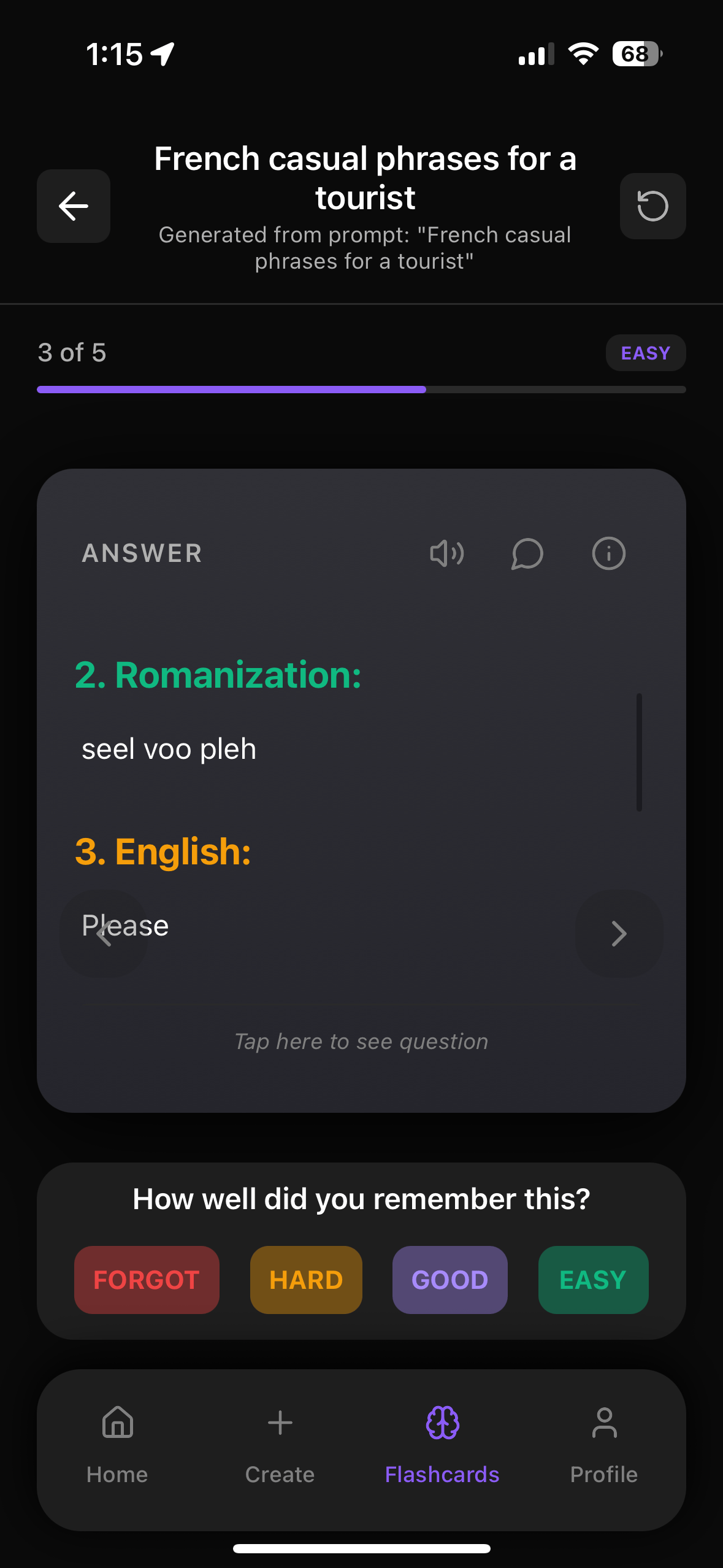
Why Flower Flash Cards Are Secretly The Best Way To Learn Plants
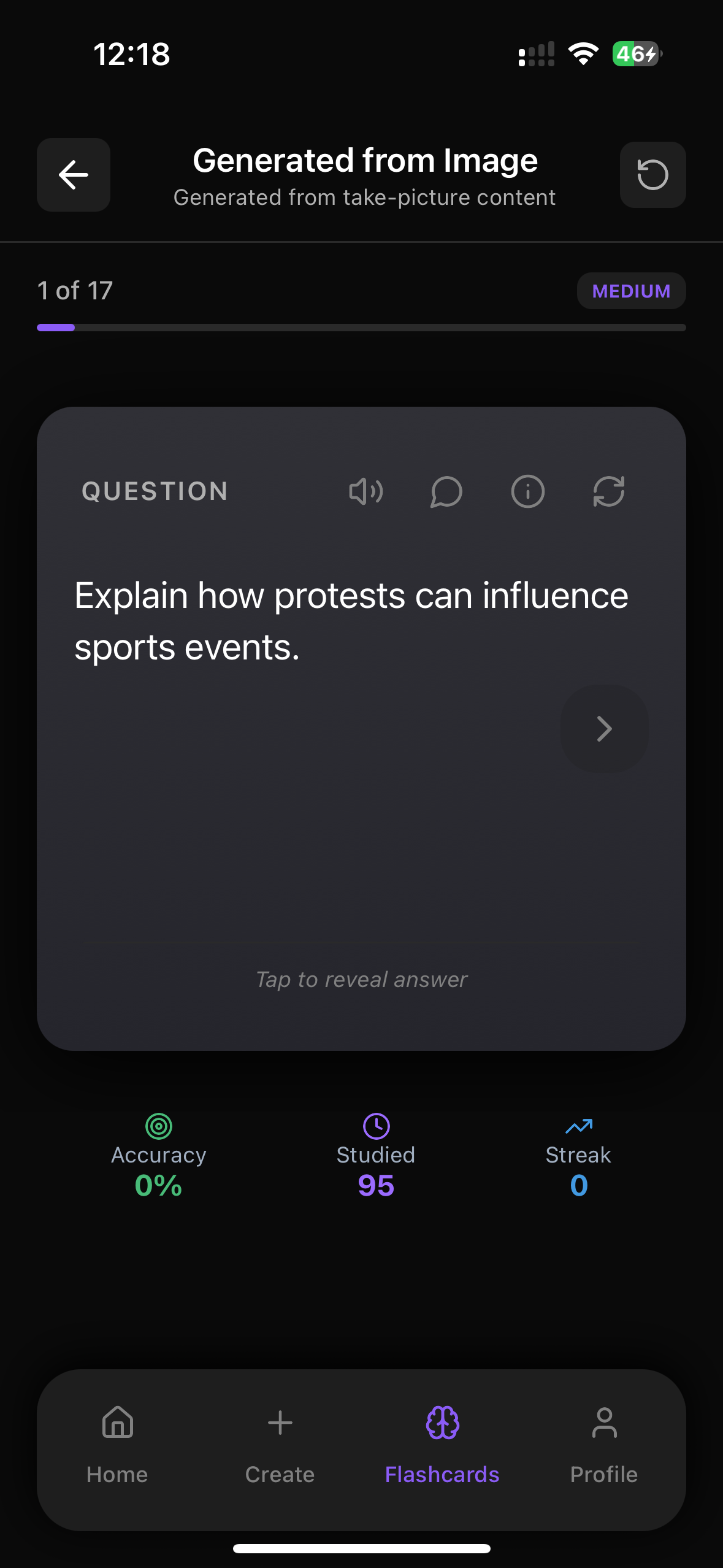
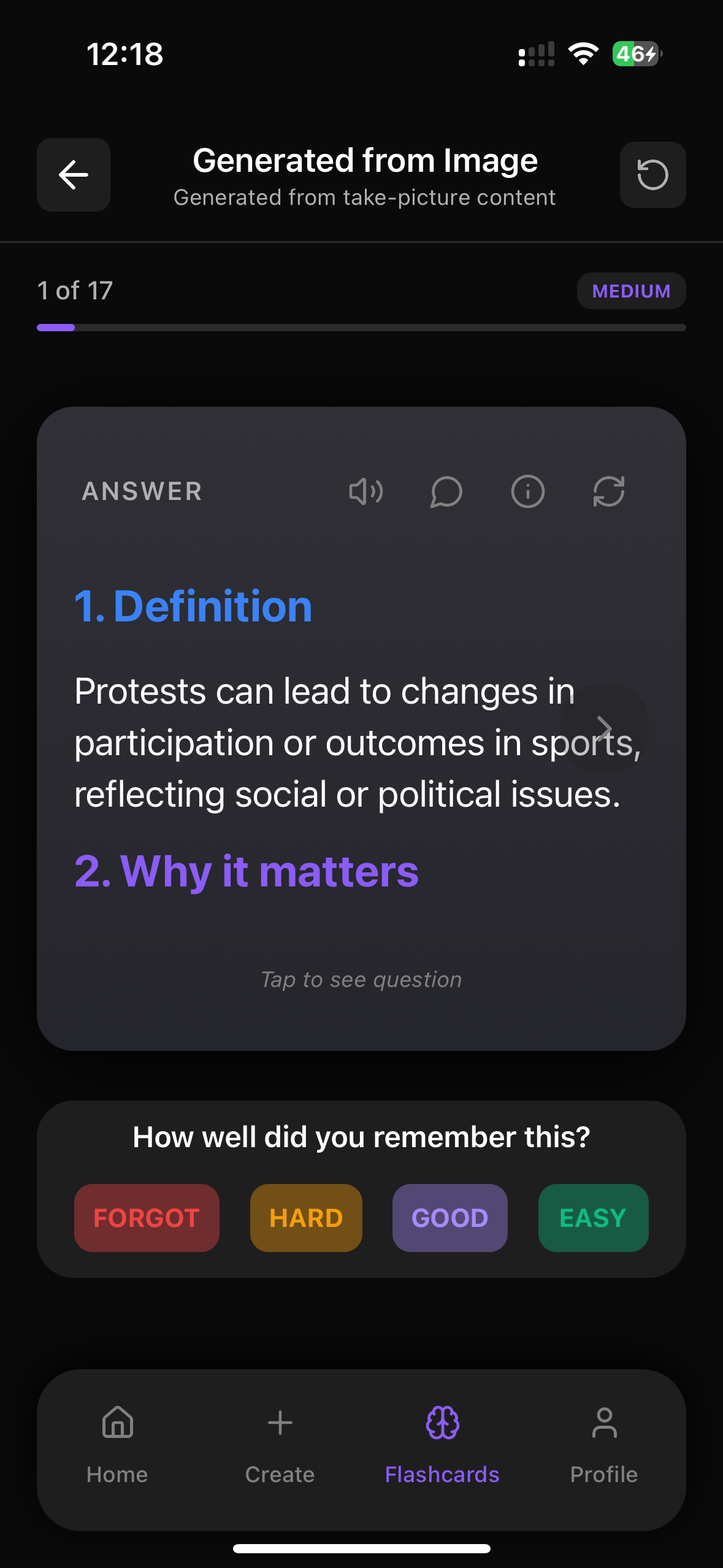
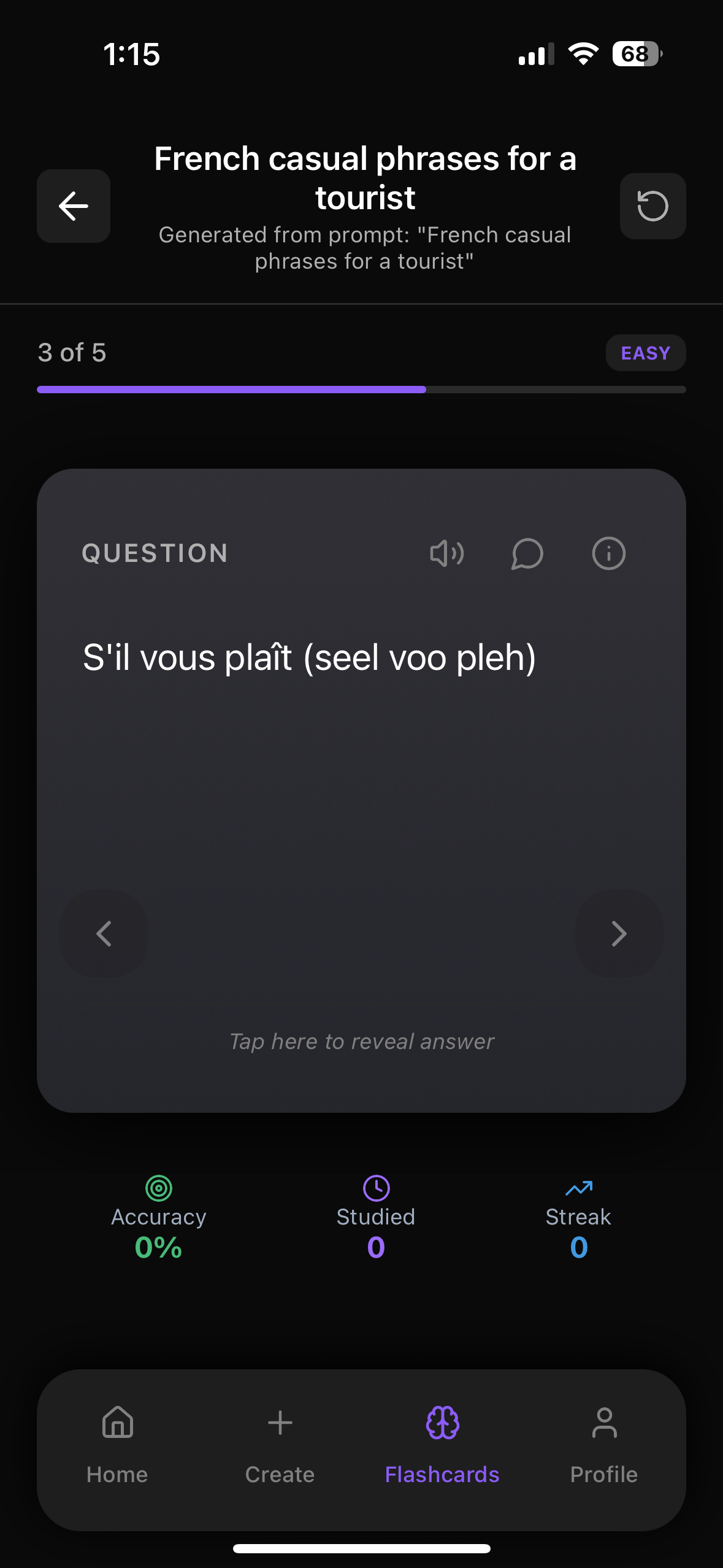
So, you ever feel like you’re drowning in a sea of plant names when you're trying to identify flowers? Enter the flower flash cards app. It's like the buddy you always needed to make plant learning less of a chore and more of a breeze. You can break down all those tricky bits of flower knowledge into bite-sized, manageable pieces. The cool thing about Flashrecall is that it takes this whole process up a notch by whipping up flashcards straight from your notes and giving you nudges to review them just when you need to. If you're into plants or just starting to dive into the floral world, this is definitely your jam. Oh, and if you’re curious to dig deeper into how to really get the most out of these cards, you should totally check out our complete guide. It’s packed with tips to make your learning way easier.
Why Flash Cards Work So Well For Learning Flowers
Let’s keep it simple: flower flash cards help because they:
- Show you the picture (so your brain has a visual hook)
- Make you guess the name or fact (active recall)
- Repeat over time so you don’t forget (spaced repetition)
That’s literally how your memory wants to learn.
With flowers, you’re often juggling:
- Latin names vs common names
- Flower families and types
- Colors, shapes, and leaf patterns
- Symbolism (rose = love, lily = purity, etc.)
- Growing conditions (sun, shade, soil, season)
Trying to memorize that from a list is torture. Flash cards break it into tiny, bite-sized questions your brain can actually handle.
Why Use Flashrecall Instead Of Paper Flower Flash Cards?
You can print photos and write names on the back like it’s 1998… but you’ll hit problems fast:
- You’ll forget to review them regularly
- It’s annoying to carry them around
- Editing or adding new cards is a pain
- You can’t search or organize easily
With Flashrecall, you get all the benefits of flower flash cards without the hassle:
- 📸 Instant cards from images – take a photo of a flower from a book, garden, or PDF and Flashrecall turns it into flashcards for you
- 🧠 Built-in active recall – it actually asks you to recall the answer instead of just showing it
- ⏰ Spaced repetition with auto reminders – it schedules reviews for you so you don’t forget what you’ve learned
- 🔔 Study reminders – gentle nudges so you remember to practice
- ✍️ Manual card creation – want full control? Type your own Q&A, hints, and extra details
- 💬 Chat with your flashcards – stuck on a flower? You can literally chat with the card to get explanations or more context
- 📱 Works on iPhone and iPad, and offline – perfect for field trips, gardens, or outdoor study
- 💸 Free to start – you can test it out without committing
Link again so you don’t scroll back:
👉 https://apps.apple.com/us/app/flashrecall-study-flashcards/id6746757085
Types Of Flower Flash Cards You Can Create (With Examples)
Here are some practical ways to structure your flower flash cards so they’re actually useful and not just pretty pictures.
1. Basic Identification Cards
- Common name: Rose
- Latin name: Rosa
- Color: Red
- Family: Rosaceae
In Flashrecall, you can snap a pic in a garden or import an image from the web or a PDF, then add the name and info. Done.
Front: “What is the name of this flower?” + image
Back: “Tulip (Tulipa).”
2. Symbolism & Meaning Cards
Perfect if you’re into bouquets, floral design, or just like the “language of flowers.”
“What does a white lily symbolize?”
Purity, innocence, and sympathy (often used in funerals).
Or:
You can mix image + text on either side in Flashrecall, so you’re not limited.
3. Habitat & Growing Condition Cards
If you’re learning flowers for gardening, landscaping, or botany, this is gold.
“Full sun or shade? – Hydrangea”
Prefers partial shade; some varieties can tolerate full sun with enough water.
Or:
“What season do tulips typically bloom in?”
Spring.
In Flashrecall, you can create topic-based decks like:
- “Shade-Loving Flowers”
- “Spring-Blooming Flowers”
- “Drought-Tolerant Flowers”
4. Anatomy & Structure Cards
Helpful for botany classes or exams.
“Identify this part of the flower” + cropped image of a stamen
Stamen – the male reproductive part of the flower.
Or:
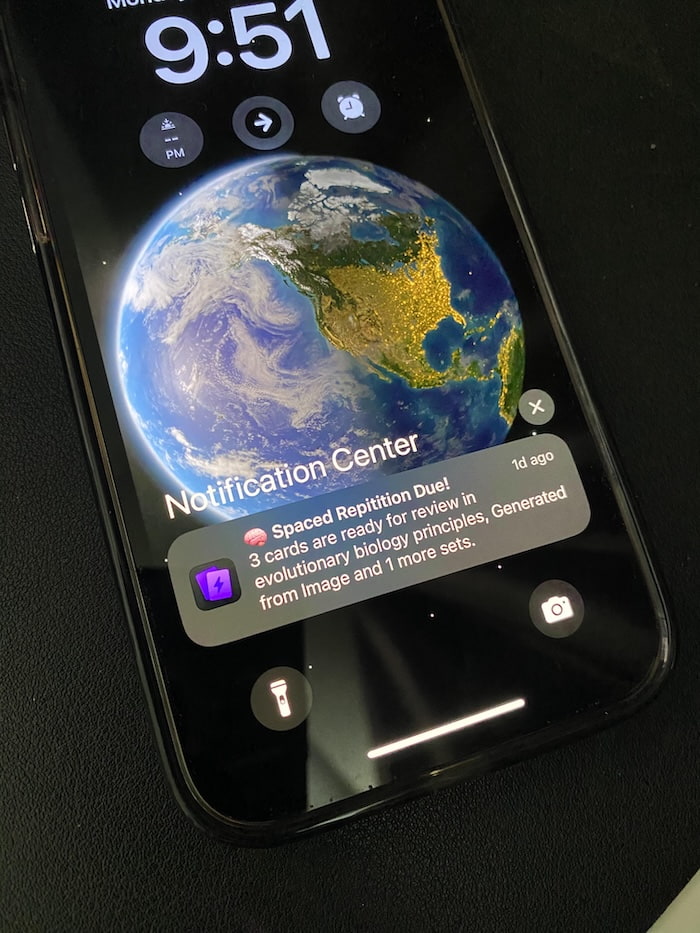
Flashrecall automatically keeps track and reminds you of the cards you don't remember well so you remember faster. Like this :
“Which part of the flower becomes the fruit?”
The ovary.
You can import diagrams from PDFs or textbooks into Flashrecall and instantly turn them into cards.
5. Family / Classification Cards
If you’re studying more seriously:
“Which flower family does the sunflower belong to?”
Asteraceae.
“Name three flowers from the Liliaceae family.”
Lily, tulip, fritillary (and more).
You can even ask Flashrecall’s chat feature to generate example flowers in the same family if you’re stuck.
How To Create Flower Flash Cards Fast With Flashrecall
Here’s a simple workflow you can follow.
Step 1: Gather Your Flower Sources
Use anything you already have:
- Garden photos on your phone
- Plant ID screenshots
- Textbook pages or lecture slides
- PDF guides or plant catalogs
- YouTube videos about flowers
Step 2: Let Flashrecall Turn Them Into Cards
In Flashrecall you can:
- Upload images or PDFs, and it will auto-generate flashcards from the content
- Paste text or notes, and it pulls out key questions and answers
- Drop in a YouTube link, and it can create cards from the video’s content
- Or just type prompts like “Create 10 flashcards about common spring flowers” and let it do the work
Then you can quickly tweak any card manually if you want more detail.
Step 3: Use Active Recall (Don’t Just Flip Through)
When you study:
1. Look at the front (image or question)
2. Pause and answer in your head
3. Then flip and check yourself
4. Mark it as easy, medium, or hard
Flashrecall uses that feedback to space your reviews automatically, so hard cards come back more often and easy ones fade out over time.
That’s spaced repetition doing its thing in the background.
Step 4: Study A Little, Often (Not A Lot, Once)
Instead of one giant study session, do:
- 5–10 minutes while commuting
- Quick reviews during breaks
- A short session before visiting a botanical garden or flower shop
Flashrecall’s study reminders are clutch here. You don’t have to remember to study; it reminds you.
And because it works offline, you can use it while walking around a garden, in a park, or anywhere outdoors.
Smart Ways To Organize Your Flower Flash Cards
To make your decks actually usable long term, organize them in a way that matches how you think.
Some ideas:
- By environment:
- “Indoor Flowers”
- “Outdoor Perennials”
- “Wildflowers”
- By use:
- “Bouquet Favorites”
- “Wedding Flowers”
- “Funeral / Sympathy Flowers”
- By difficulty:
- “Beginner Flowers” (rose, tulip, daisy, sunflower)
- “Intermediate Flowers”
- “Advanced / Rare Species”
- By region:
- “Native Flowers in [Your Country/State]”
- “Mediterranean Flowers”
- “Tropical Flowers”
Flashrecall makes it easy to create multiple decks and switch between them depending on what you’re focusing on.
Using Flashrecall’s Chat To Learn More About Each Flower
One of the coolest parts: if you’re reviewing a card and thinking, “Okay, but why does this flower like shade?” or “What else is in this family?”, you can literally chat with your flashcard.
For example:
- “Explain why hydrangeas change color.”
- “Give me three other flowers similar to this one.”
- “Summarize the key growing requirements for this flower.”
Instead of leaving the app to Google things, you get the explanation right there and can even turn that new info into more cards.
Who Flower Flash Cards Are Perfect For
Flower flash cards in Flashrecall work really well if you’re:
- A gardening beginner trying to learn the basics
- A botany or biology student cramming plant families and anatomy
- A florist or floral designer memorizing flowers, meanings, and combinations
- A landscaper learning which plants go where and why
- Just someone who loves flowers and wants to actually remember their names
And because Flashrecall isn’t only for flowers, you can use the same app for:
- Languages
- Exams
- School subjects
- Medicine
- Business terms
- Pretty much anything you want to remember
Simple Starter Plan: Your First 50 Flower Flash Cards
If you want a quick starting roadmap:
1. Pick 10 common flowers you see often (rose, tulip, daisy, sunflower, lily, orchid, etc.)
2. For each, make 3–5 cards:
- Image → name
- Name → image recall
- Name → meaning/symbolism
- Name → growing conditions
3. Add them into a “Beginner Flowers” deck in Flashrecall
4. Study 5–10 minutes a day with spaced repetition
5. Once those feel easy, add 10 more flowers
In a few weeks, you’ll be that person who actually knows what they’re looking at in a garden.
Ready To Turn Every Flower You See Into A Memory?
You don’t need fancy textbooks or hours of boring study. You just need:
- Clear questions
- Good images
- Smart repetition
Flower flash cards + Flashrecall give you all three in one place.
Try it on your next walk in the park: snap a few flower pics, turn them into cards, and see how much more you remember a week later.
Download Flashrecall here (free to start):
👉 https://apps.apple.com/us/app/flashrecall-study-flashcards/id6746757085
Your future self, casually naming flowers like a pro, will be very pleased.
Frequently Asked Questions
What's the fastest way to create flashcards?
Manually typing cards works but takes time. Many students now use AI generators that turn notes into flashcards instantly. Flashrecall does this automatically from text, images, or PDFs.
Is there a free flashcard app?
Yes. Flashrecall is free and lets you create flashcards from images, text, prompts, audio, PDFs, and YouTube videos.
How do I start spaced repetition?
You can manually schedule your reviews, but most people use apps that automate this. Flashrecall uses built-in spaced repetition so you review cards at the perfect time.
What is active recall and how does it work?
Active recall is the process of actively retrieving information from memory rather than passively reviewing it. Flashrecall forces proper active recall by making you think before revealing answers, then uses spaced repetition to optimize your review schedule.
Related Articles
- Large Flash Cards: The Complete Guide To Bigger, Better Study Sessions (Without Carrying A Brick Of Paper) – Discover how to get all the benefits of oversized flashcards right on your phone and actually remember what you study.
- Mudpuppy Flash Cards: Are Cute Decks Enough, Or Is There A Smarter Way To Help Kids Learn Faster?
- Irish Flashcards: The Essential Guide To Learning Irish Faster (What Most Learners Miss) – Discover a smarter way to build Irish vocab, phrases, and grammar without getting overwhelmed.
Research References
The information in this article is based on peer-reviewed research and established studies in cognitive psychology and learning science.
Cepeda, N. J., Pashler, H., Vul, E., Wixted, J. T., & Rohrer, D. (2006). Distributed practice in verbal recall tasks: A review and quantitative synthesis. Psychological Bulletin, 132(3), 354-380
Meta-analysis showing spaced repetition significantly improves long-term retention compared to massed practice
Carpenter, S. K., Cepeda, N. J., Rohrer, D., Kang, S. H., & Pashler, H. (2012). Using spacing to enhance diverse forms of learning: Review of recent research and implications for instruction. Educational Psychology Review, 24(3), 369-378
Review showing spacing effects work across different types of learning materials and contexts
Kang, S. H. (2016). Spaced repetition promotes efficient and effective learning: Policy implications for instruction. Policy Insights from the Behavioral and Brain Sciences, 3(1), 12-19
Policy review advocating for spaced repetition in educational settings based on extensive research evidence
Karpicke, J. D., & Roediger, H. L. (2008). The critical importance of retrieval for learning. Science, 319(5865), 966-968
Research demonstrating that active recall (retrieval practice) is more effective than re-reading for long-term learning
Roediger, H. L., & Butler, A. C. (2011). The critical role of retrieval practice in long-term retention. Trends in Cognitive Sciences, 15(1), 20-27
Review of research showing retrieval practice (active recall) as one of the most effective learning strategies
Dunlosky, J., Rawson, K. A., Marsh, E. J., Nathan, M. J., & Willingham, D. T. (2013). Improving students' learning with effective learning techniques: Promising directions from cognitive and educational psychology. Psychological Science in the Public Interest, 14(1), 4-58
Comprehensive review ranking learning techniques, with practice testing and distributed practice rated as highly effective

FlashRecall Team
FlashRecall Development Team
The FlashRecall Team is a group of working professionals and developers who are passionate about making effective study methods more accessible to students. We believe that evidence-based learning tec...
Credentials & Qualifications
- •Software Development
- •Product Development
- •User Experience Design
Areas of Expertise
Ready to Transform Your Learning?
Start using FlashRecall today - the AI-powered flashcard app with spaced repetition and active recall.
Download on App Store