Github Anki: How To Use Decks From GitHub (And A Better Way To Study On iOS) – Most People Miss These Powerful Free Card Collections
github anki is where the insane med, coding & language decks hide. See how to find .apkg files, import them fast, and when Flashrecall is just easier.
How Flashrecall app helps you remember faster. It's free
What Is “Github Anki” And Why Do People Use It?
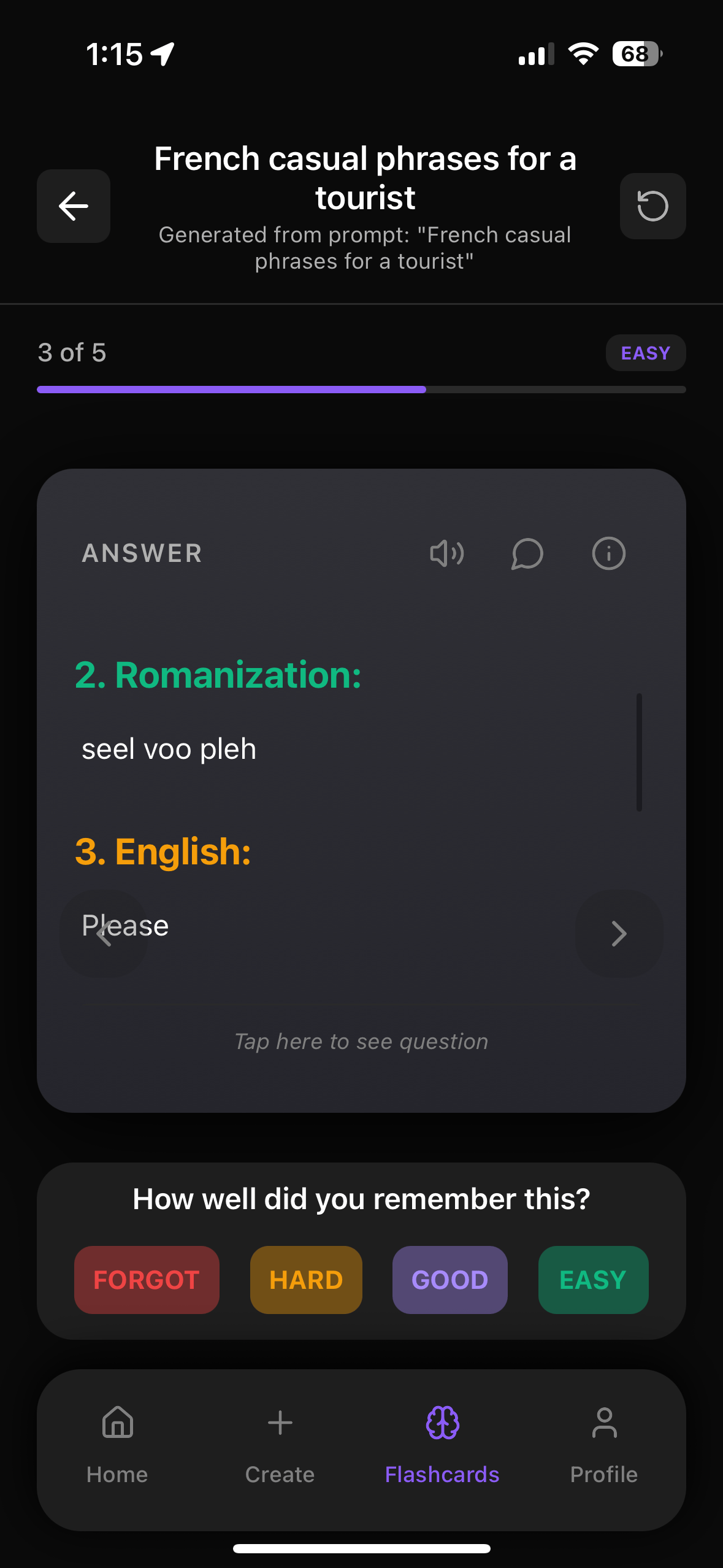
Alright, let's talk about this: github anki basically means using Anki flashcard decks that people share on GitHub instead of only using the official AnkiWeb or making everything from scratch. People upload `.apkg` decks, media files, or even scripts and templates to GitHub so others can download, tweak, and reuse them. It matters because there are some insanely detailed decks for medicine, languages, coding, and exams hidden on GitHub that never show up in normal searches. And if you like that idea but want something smoother on iPhone/iPad, apps like Flashrecall give you the same “power deck” vibe but with a much easier setup and automatic spaced repetition built in:
https://apps.apple.com/us/app/flashrecall-study-flashcards/id6746757085
Why People Search “Github Anki” In The First Place
Most people typing “github anki” are after one of three things:
1. Ready-made decks
Stuff like:
- Med school decks (AnKing-style, pharmacology, anatomy, etc.)
- Language vocab decks (Japanese, Spanish, Chinese HSK, etc.)
- Coding concepts (algorithms, data structures, system design)
- Exam decks (USMLE, MCAT, CFA, bar exam, etc.)
2. Anki add-ons or templates
- Fancy card layouts
- Image occlusion scripts
- Better cloze deletion setups
- Custom scheduling tweaks
3. Open-source workflows
- People syncing decks via Git
- Collaborating on shared decks (e.g., a whole class maintaining one deck)
- Version-controlling notes, tags, and fields
GitHub is like the “underground library” of Anki stuff: not super beginner-friendly, but there’s a lot of gold if you dig.
How To Actually Use Anki Decks From GitHub
Let’s keep this super practical.
1. Find A Deck On GitHub
You can literally search:
- `anki deck "USMLE" site:github.com`
- `anki japanese vocab .apkg`
- `anki flashcards algorithms github`
You’ll usually find a repo that has:
- A `.apkg` file (this is the Anki deck)
- Sometimes media folders (images, audio)
- A README explaining what the deck is about
2. Download The Deck
On the GitHub repo:
1. Look for a file ending in `.apkg`
2. Click it
3. Hit Download (or “View Raw” which triggers a download)
If it’s zipped:
- Download the `.zip`
- Unzip it
- Then you’ll see the `.apkg` inside
3. Import It Into Anki
On desktop Anki (Windows, Mac, Linux):
1. Open Anki
2. Go to File → Import
3. Select the `.apkg` file you downloaded
4. The deck shows up on your main screen
On AnkiMobile for iOS, it’s a bit more annoying:
- You usually have to use iTunes/Files app or open the file from Safari/Files and “Open in Anki”
- It’s not super smooth if you’re not used to it
This is where a modern app like Flashrecall feels way less painful on iPhone/iPad, because you can just create and study decks directly without dealing with weird import workflows.
Pros And Cons Of Using Github Anki Decks
Pros
- Huge variety: There are decks for super niche topics that don’t exist on AnkiWeb.
- Community-tested: Some decks (like popular med decks) are refined by many students over years.
- Free: Almost everything on GitHub is free to download.
- Customizable: You can fork the repo, tweak notes, and share your own version.
Cons
- Quality varies a lot
Some decks are amazing. Some are a total mess with:
- Bad formatting
- Duplicates
- Outdated info
- Zero instructions
- Setup can be annoying
- Downloading from GitHub
- Importing into Anki
- Fixing broken media paths
- Dealing with add-ons that only work on desktop
- Not always mobile-friendly
If you mainly study on iOS, the GitHub → AnkiMobile route is clunky.
This is why a lot of people eventually go:
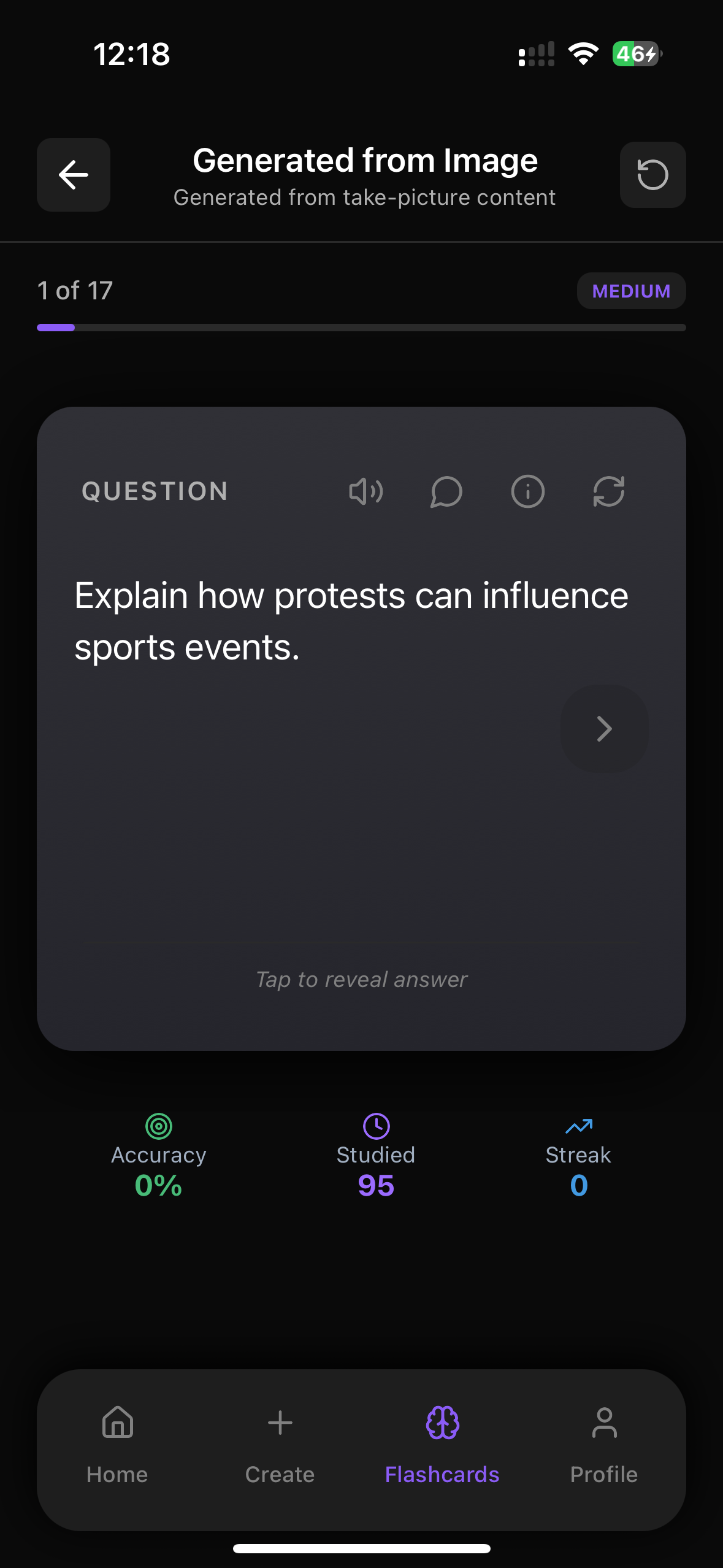
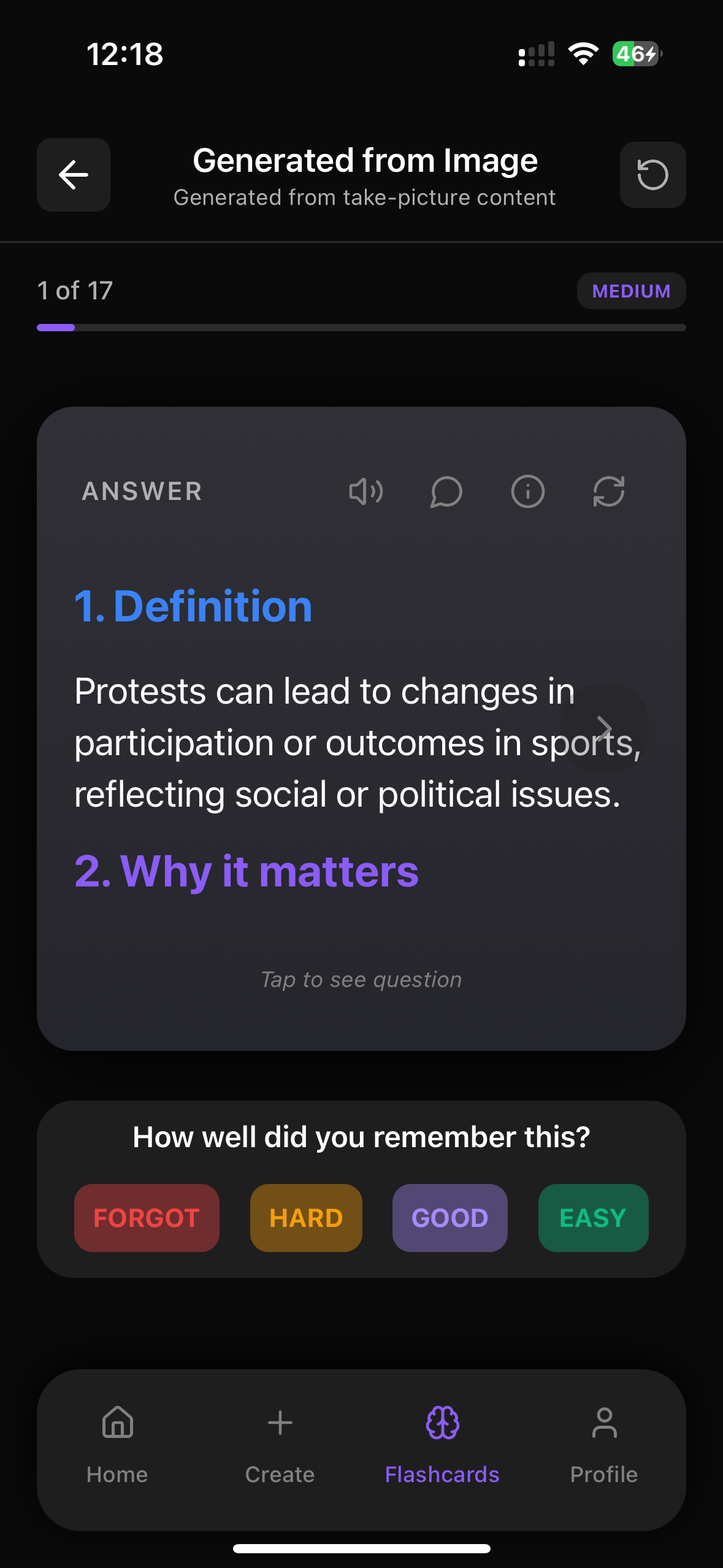
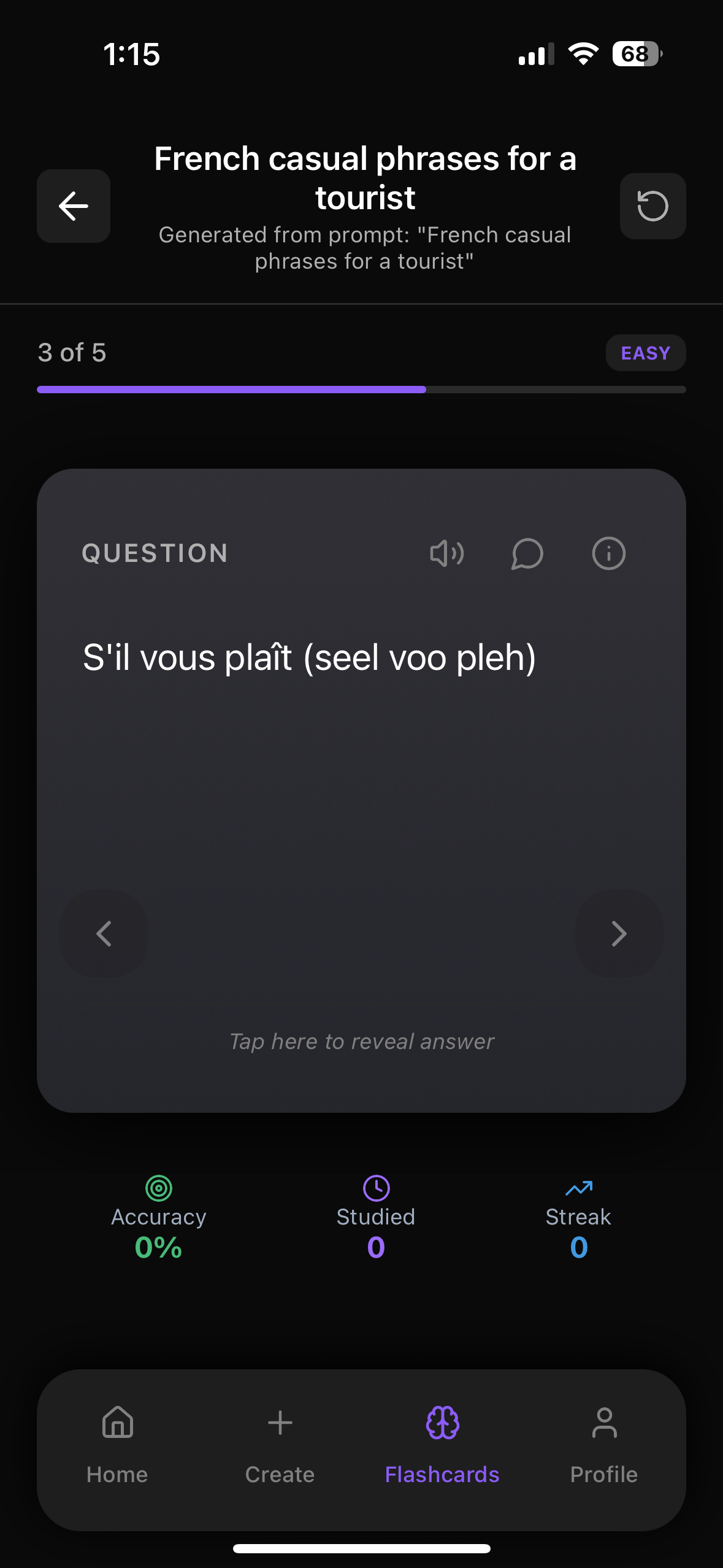
Flashrecall automatically keeps track and reminds you of the cards you don't remember well so you remember faster. Like this :
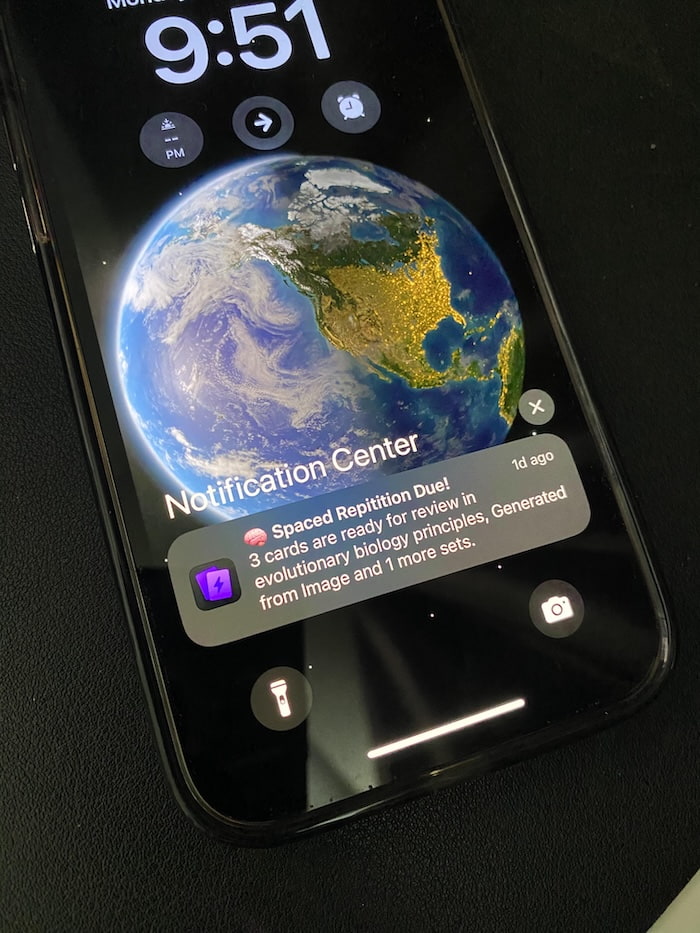
“I like the idea of shared decks, but I just want something fast, clean, and easy on my phone.”
How Flashrecall Fits Into This (And Why It’s Easier On iOS)
So, if you like the concept behind “github anki” (reusing good decks, spaced repetition, active recall) but hate the setup pain, Flashrecall basically gives you the good parts without the headache.
👉 App link:
https://apps.apple.com/us/app/flashrecall-study-flashcards/id6746757085
Here’s how it compares in normal-people terms:
1. Built-In Spaced Repetition (No Manual Setup)
With GitHub + Anki:
- You download a deck
- You still have to understand how scheduling works
- You might tweak settings, ease factors, intervals, etc.
With Flashrecall:
- Spaced repetition is just built in
- You review cards when the app tells you to
- You get auto reminders so you don’t forget to study at all
You just open the app, do your reviews, and go live your life.
2. Creating Cards Is Way Faster
A lot of GitHub Anki decks are huge and generic. You often still need your own cards for your class, textbook, or job.
Flashrecall makes that part super easy:
- Make cards from:
- Images (screenshots, lecture slides)
- Text
- PDFs
- Audio
- YouTube links
- Typed prompts
- Or just manual flashcards if you like full control
You can literally snap a pic of a textbook page or slide and turn it into cards in seconds.
3. Active Recall Built In (Without Overthinking It)
The whole reason Anki is powerful is active recall + spaced repetition.
Flashrecall bakes both in:
- You see a prompt
- You try to remember the answer
- Then you rate how hard it was
- The app schedules the next review automatically
You don’t have to touch settings or be a “power user” to get the same memory benefits.
4. Chat With Your Flashcards When You’re Stuck
This is something GitHub Anki decks definitely don’t have.
In Flashrecall, you can:
- Chat with the content of your flashcards
- Ask for explanations in simpler words
- Get extra examples
- Clarify confusing terms
It feels like having a tutor built into your deck.
5. Works Offline, Perfect For On-The-Go Study
GitHub decks + Anki:
- Usually best managed on desktop
- Sync to mobile later
Flashrecall:
- Works on iPhone and iPad
- Works offline, so you can study on the bus, plane, or in a dead Wi-Fi building
- Then syncs when you're back online
When Github Anki Makes Sense (And When Flashrecall Is Better)
Use GitHub Anki If:
- You want a very specific, famous deck (like a big med deck everyone uses)
- You’re comfortable with:
- GitHub
- Importing `.apkg` files
- Desktop Anki
- You don’t mind a more “techy” workflow
Use Flashrecall If:
- You want something fast, modern, and easy on iOS
- You like:
- Clean UI
- Simple controls
- No weird syncing gymnastics
- You prefer making decks tailored to:
- Your classes
- Your job
- Your specific exam
- You want:
- Automatic spaced repetition
- Study reminders
- Offline access
- Chat-based explanations
And yeah, Flashrecall is free to start, so you can just try it and see if it feels better than your current setup:
https://apps.apple.com/us/app/flashrecall-study-flashcards/id6746757085
How To “Copy The Github Anki Idea” Inside Flashrecall
Even if you’re not literally importing GitHub decks, you can still steal the concept:
1. Build Your Own “Master Deck” For Each Subject
Instead of hunting random decks online, try this:
- Make one big deck per subject:
- “Med – Pharmacology”
- “Spanish – B1 Vocab”
- “Algorithms – Core Concepts”
- Add cards every time you:
- Learn something new in class
- Get a question wrong on a quiz
- See a concept in a video or PDF
Over time, you’re basically creating your own “GitHub deck” that’s 100% tailored to you.
2. Use PDFs, Slides, And YouTube Like A Cheat Code
With Flashrecall, you can:
- Drop in a PDF (lecture slides, notes)
- Paste a YouTube link (lecture, tutorial, explanation)
- Turn the key points into flashcards fast
This is way more efficient than manually typing everything like old-school Anki, and way less random than downloading a stranger’s deck off GitHub.
3. Keep Everything In One Place, Not Ten Repos
GitHub workflows can get messy:
- Different repos
- Different branches
- Forks, PRs, etc.
Flashrecall keeps it simple:
- Decks listed in one clean app
- Works across iPhone and iPad
- Offline-friendly
- Reminds you when it’s time to study
Quick FAQ About Github Anki
“Are GitHub Anki decks safe?”
Usually, yes, but:
- Only download from repos that look legit (good README, lots of stars or forks, active issues)
- Be careful with random scripts/add-ons if you don’t know what they do
“Can I import GitHub decks into Flashrecall?”
Right now, Flashrecall is more about making your own cards quickly from your real study material (text, images, PDFs, YouTube, etc.) rather than importing `.apkg` Anki files. If you’re tired of wrestling with imports and just want to study, it’s honestly easier to rebuild only the important stuff in a cleaner deck.
“Is Flashrecall only for students?”
Nope. It’s great for:
- Languages
- University courses
- Medicine
- Coding
- Business
- Exams
- Random life knowledge you want to remember
Anything you can turn into Q&A style cards, Flashrecall can handle.
Wrap-Up: Github Anki Is Cool, But Don’t Overcomplicate Your Life
So yeah, github anki is basically about using Anki decks and tools people share on GitHub. It’s powerful, especially for niche or advanced topics, but it can also be clunky, confusing, and not very iOS-friendly.
If you like the idea of:
- Smart spaced repetition
- Active recall
- High-quality flashcards
…but want something fast, modern, and simple on your phone or iPad, it’s worth trying Flashrecall instead:
- Instant cards from images, text, PDFs, audio, and YouTube
- Built-in spaced repetition with auto reminders
- Active recall baked in
- Chat with your flashcards when you’re stuck
- Works offline
- Free to start
Grab it here and set up your own “ultimate deck” without dealing with GitHub or complicated imports:
https://apps.apple.com/us/app/flashrecall-study-flashcards/id6746757085
Frequently Asked Questions
Is Anki good for studying?
Anki is powerful but requires manual card creation and has a steep learning curve. Flashrecall offers AI-powered card generation from your notes, images, PDFs, and videos, making it faster and easier to create effective flashcards.
What's the fastest way to create flashcards?
Manually typing cards works but takes time. Many students now use AI generators that turn notes into flashcards instantly. Flashrecall does this automatically from text, images, or PDFs.
How do I start spaced repetition?
You can manually schedule your reviews, but most people use apps that automate this. Flashrecall uses built-in spaced repetition so you review cards at the perfect time.
What's the best way to learn vocabulary?
Research shows that combining flashcards with spaced repetition and active recall is highly effective. Flashrecall automates this process, generating cards from your study materials and scheduling reviews at optimal intervals.
How can I study more effectively for this test?
Effective exam prep combines active recall, spaced repetition, and regular practice. Flashrecall helps by automatically generating flashcards from your study materials and using spaced repetition to ensure you remember everything when exam day arrives.
Related Articles
- Anki Notes: The Complete Guide To Smarter Flashcards (And A Better Alternative Most Students Don’t Know) – Discover how to fix the annoying parts of Anki and upgrade your notes into powerful flashcards that actually stick.
- Anki Pro: The Powerful Alternative Most Students Miss (And the Smarter Way To Learn Faster) – Before you commit to an Anki Pro setup, see how newer apps like Flashrecall make flashcards faster, easier, and way less painful.
- Anki Flashcard Software: 7 Powerful Reasons to Switch to a Faster, Smarter Study App Today – Especially If You’re Tired Of Clunky Decks And Confusing Settings
Research References
The information in this article is based on peer-reviewed research and established studies in cognitive psychology and learning science.
Cepeda, N. J., Pashler, H., Vul, E., Wixted, J. T., & Rohrer, D. (2006). Distributed practice in verbal recall tasks: A review and quantitative synthesis. Psychological Bulletin, 132(3), 354-380
Meta-analysis showing spaced repetition significantly improves long-term retention compared to massed practice
Carpenter, S. K., Cepeda, N. J., Rohrer, D., Kang, S. H., & Pashler, H. (2012). Using spacing to enhance diverse forms of learning: Review of recent research and implications for instruction. Educational Psychology Review, 24(3), 369-378
Review showing spacing effects work across different types of learning materials and contexts
Kang, S. H. (2016). Spaced repetition promotes efficient and effective learning: Policy implications for instruction. Policy Insights from the Behavioral and Brain Sciences, 3(1), 12-19
Policy review advocating for spaced repetition in educational settings based on extensive research evidence
Karpicke, J. D., & Roediger, H. L. (2008). The critical importance of retrieval for learning. Science, 319(5865), 966-968
Research demonstrating that active recall (retrieval practice) is more effective than re-reading for long-term learning
Roediger, H. L., & Butler, A. C. (2011). The critical role of retrieval practice in long-term retention. Trends in Cognitive Sciences, 15(1), 20-27
Review of research showing retrieval practice (active recall) as one of the most effective learning strategies
Dunlosky, J., Rawson, K. A., Marsh, E. J., Nathan, M. J., & Willingham, D. T. (2013). Improving students' learning with effective learning techniques: Promising directions from cognitive and educational psychology. Psychological Science in the Public Interest, 14(1), 4-58
Comprehensive review ranking learning techniques, with practice testing and distributed practice rated as highly effective

FlashRecall Team
FlashRecall Development Team
The FlashRecall Team is a group of working professionals and developers who are passionate about making effective study methods more accessible to students. We believe that evidence-based learning tec...
Credentials & Qualifications
- •Software Development
- •Product Development
- •User Experience Design
Areas of Expertise
Ready to Transform Your Learning?
Start using FlashRecall today - the AI-powered flashcard app with spaced repetition and active recall.
Download on App Store