Lange Pharmacology Flash Cards Study Method: The Powerful Guide
The lange pharmacology flash cards study method helps you remember drug mechanisms through active recall and spaced repetition, making exam prep.
How Flashrecall app helps you remember faster. It's free
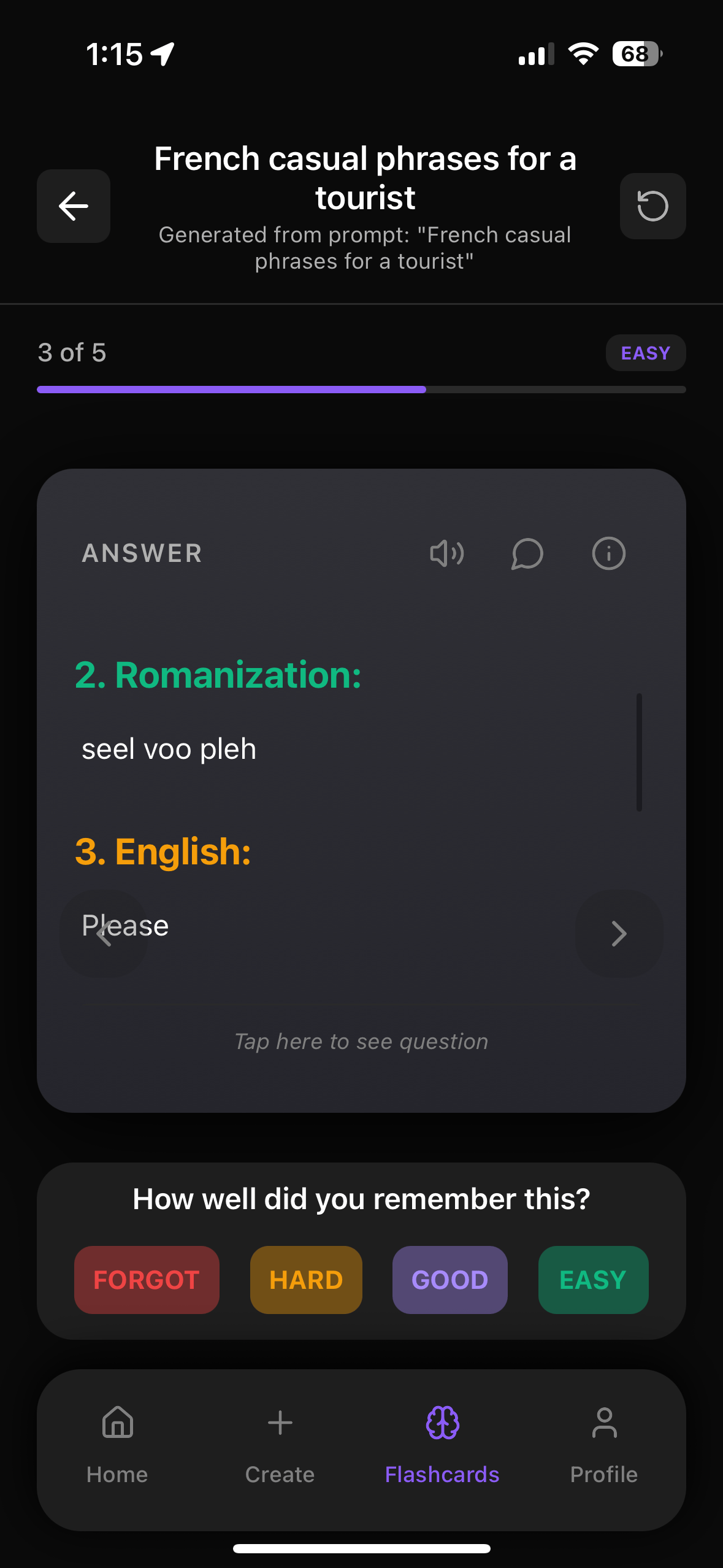
Stop Just Flipping Lange Cards – Start Actually Remembering The Drugs
Alright, so you know how overwhelming it can be to cram a ton of pharmacology info into your brain, right? Well, guess what? The lange pharmacology flash cards study method is here to make it way easier for you. It's all about ditching the endless cycle of cramming and re-reading notes and instead, focusing on actively pulling info from your brain at just the right times. This means the stuff sticks around in your memory way longer. And here's the handy part: Flashrecall takes care of all the timing and scheduling of your reviews, so you don’t have to stress about it. Just focus on what really matters—learning those drug mechanisms for your exams and the ward. If you’re curious about how to really nail this study technique, check out our full guide. Trust me, it’s got some killer tips that most med students haven’t even thought about yet!
If you're looking for information about lange pharmacology flash cards: 7 powerful study tricks most med students don’t use yet – stop just flipping cards and start actually remembering drug mechanisms for exams and the ward, read our complete guide to lange pharmacology flash cards.
- Spaced repetition
- Active recall
- Fast review
- And a way to turn every resource you use into flashcards instantly
That’s exactly where Flashrecall comes in. It’s a fast, modern flashcard app that:
- Lets you turn Lange cards, textbooks, PDFs, lecture slides, and YouTube videos into flashcards in seconds
- Has built‑in spaced repetition and study reminders so you don’t have to track reviews manually
- Works on iPhone and iPad, offline, and is free to start
You can grab it here:
👉 https://apps.apple.com/us/app/flashrecall-study-flashcards/id6746757085
Let’s talk about how to use Lange Pharmacology Flash Cards together with Flashrecall to actually master pharm instead of just “going through the deck.”
Why Lange Pharmacology Flash Cards Alone Aren’t Enough
Lange Pharm cards are great content-wise, but they have some built‑in limitations:
1. No real spaced repetition
You could shuffle and re‑review, but:
- You’ll over-review easy drugs
- You’ll under-review the ones you keep forgetting
- You’ll waste time figuring out what to study instead of actually studying
Spaced repetition apps like Flashrecall automatically schedule reviews for you. Hard cards come back more often, easy ones less. No brainpower needed.
2. Zero data on what you’re forgetting
With a physical deck, you don’t really know:
- Which drugs you consistently miss
- Which topics (e.g. autonomics, antibiotics, cardio) are your weak spots
Digital flashcards + spaced repetition = instant feedback on what your brain hates.
3. Hard to integrate with other resources
You probably don’t just use Lange. You’ve got:
- Lecture slides
- PDFs
- Question banks
- YouTube videos
- Sketchy / boards-style resources
Paper cards can’t “talk” to any of that. But with Flashrecall, you can turn all of those into cards in seconds and keep everything in one place.
How To Turn Lange Pharmacology Flash Cards Into Powerful Digital Decks
Here’s a simple workflow that works insanely well for pharm.
Step 1: Use Lange for structure, Flashrecall for memory
Use your Lange deck as the “syllabus” and Flashrecall as the memory engine.
For each drug/class you’re studying:
- Read the Lange card
- Then create targeted digital flashcards in Flashrecall focusing on:
- Mechanism of action
- Major side effects
- Contraindications
- Key interactions
- High‑yield clinical use
In Flashrecall, you can:
- Type the card manually
- Or snap a photo of the Lange card and let Flashrecall auto‑generate flashcards from it
Yep, it can literally make cards from images. You don’t have to retype everything.
7 Powerful Study Hacks To Use With Lange Pharmacology Flash Cards + Flashrecall
1. Turn One Lange Card Into 5–10 Mini Flashcards
One mistake: turning a whole Lange card into just one digital flashcard. That’s way too dense.
Instead, break it down in Flashrecall:
In Flashrecall, make:
- “What is the mechanism of action of propranolol?”
- “What are the main clinical uses of propranolol?”
- “What are the major contraindications of propranolol?”
- “What are key side effects of propranolol?”
- “Is propranolol selective or nonselective? What receptors does it block?”
Smaller questions = better active recall = stronger memory.
Flashrecall is built exactly for this: short, focused cards with automatic spaced repetition.
2. Use Images, PDFs, And YouTube To Fill In Gaps
Maybe Lange is your base, but your professor loves a random PDF or some YouTube explanation.
With Flashrecall, you can:
- Upload PDFs and auto‑generate flashcards from them
- Paste YouTube links and let Flashrecall pull key info into cards
- Snap photos of lecture slides and convert them into flashcards
Then you can merge those with your Lange-based deck so everything is in one place instead of 10 different resources scattered everywhere.
3. Build “Side Effect Only” Decks For Rapid Cramming
Side effects are what destroy people on exams.
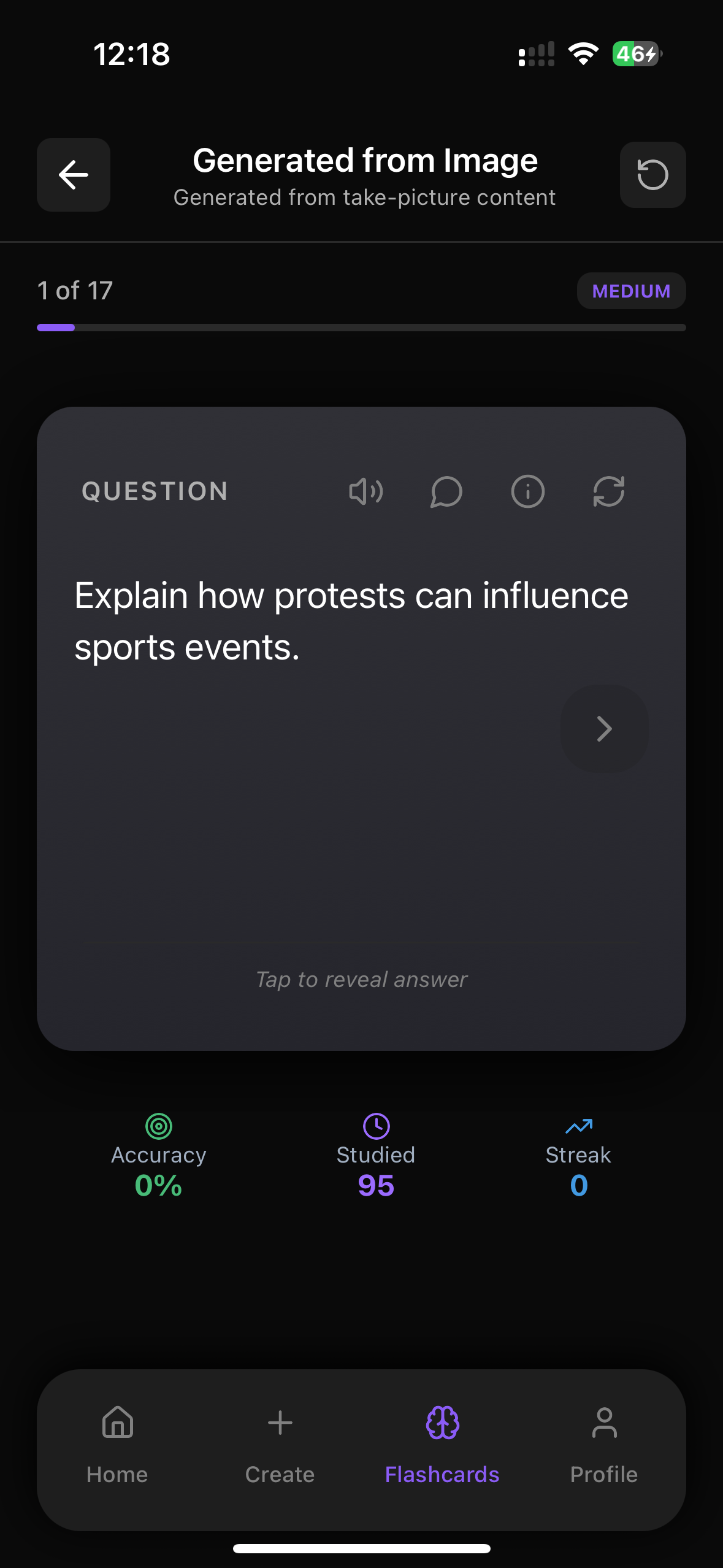
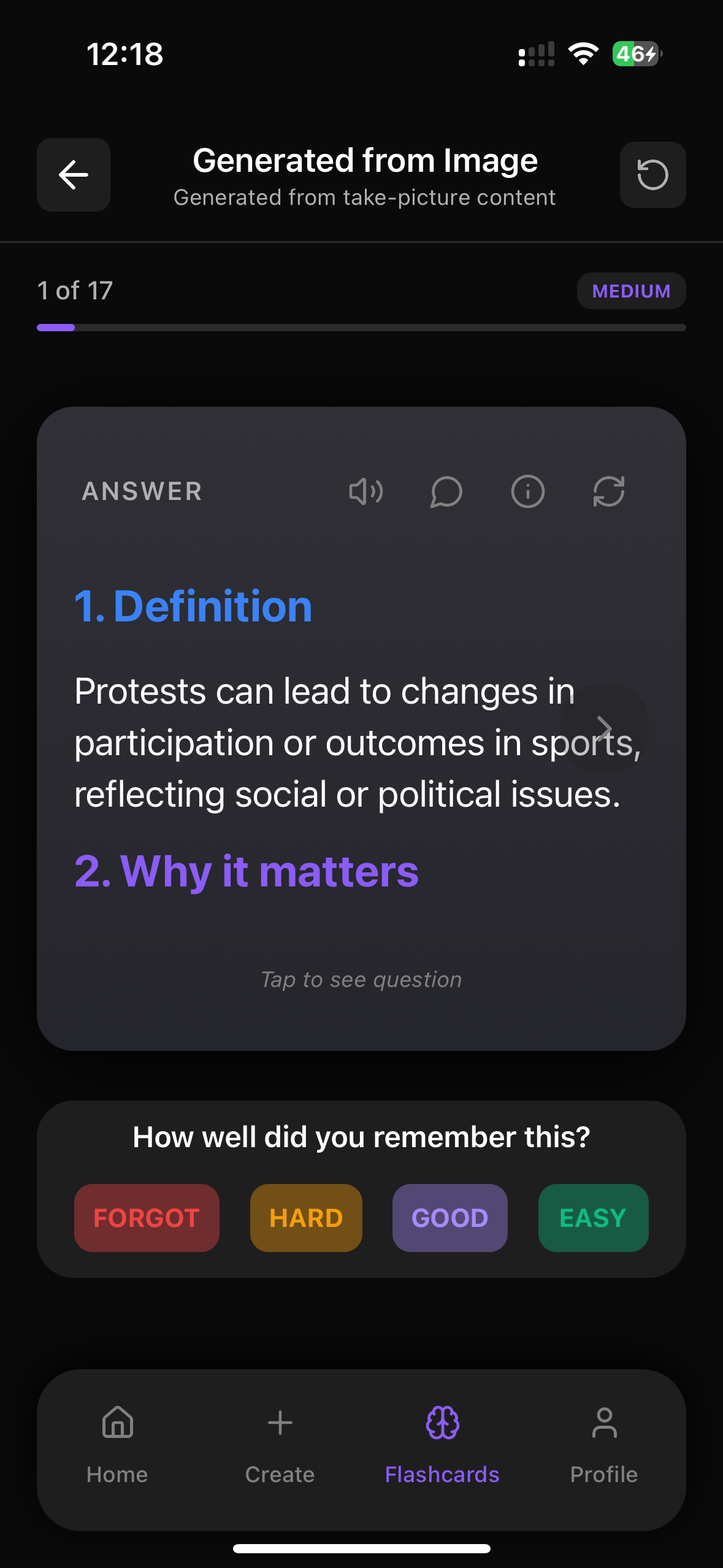
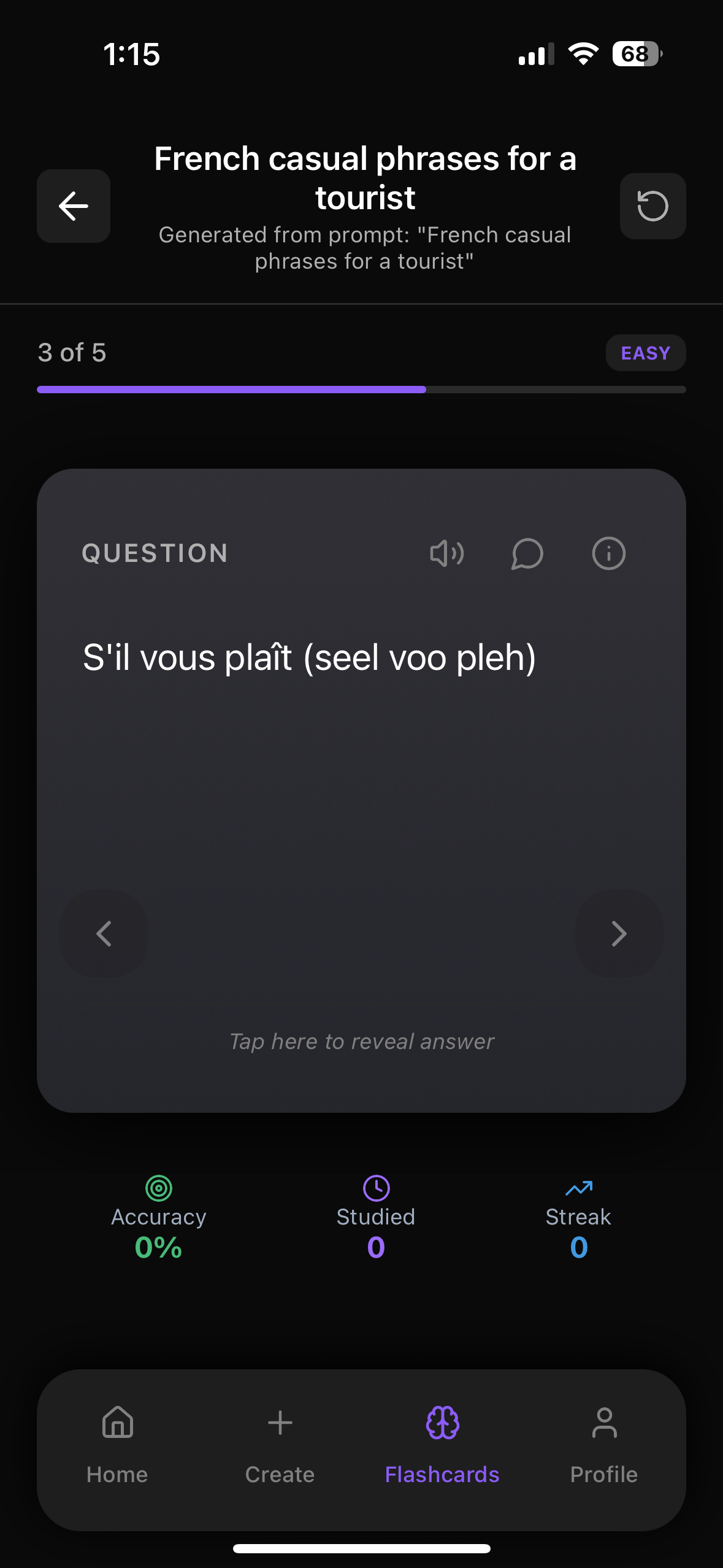
Flashrecall automatically keeps track and reminds you of the cards you don't remember well so you remember faster. Like this :
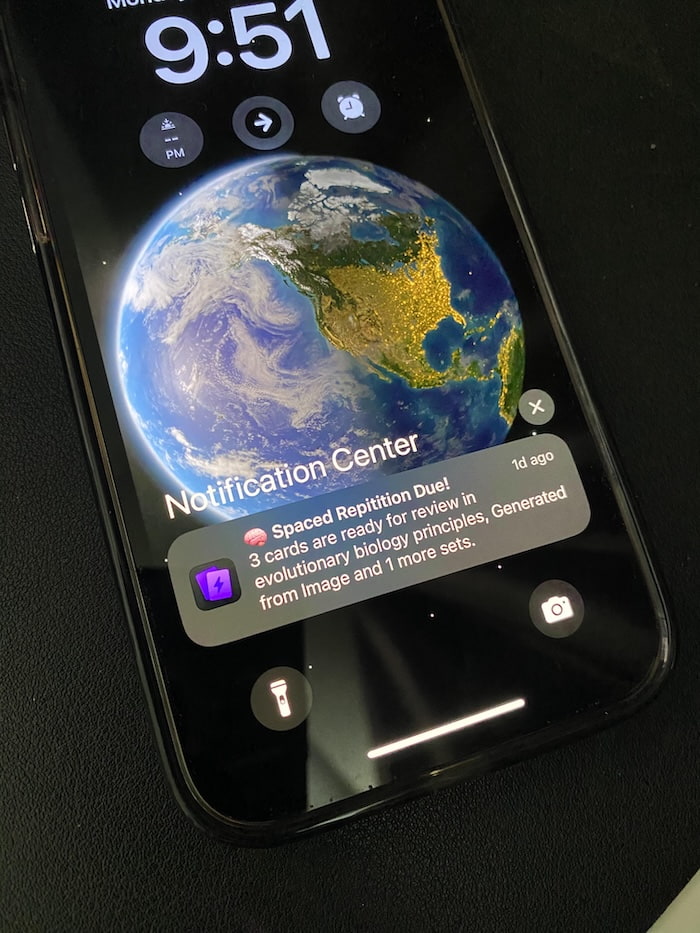
Use Lange + Flashrecall to build side-effect focused decks:
Example categories:
- “Drugs that cause QT prolongation”
- “Drugs that cause agranulocytosis”
- “Drugs that cause hyperkalemia”
- “Drugs safe in pregnancy vs contraindicated”
In Flashrecall, you can tag or group cards by topic (e.g. “Side Effects – Cardio”) and then quickly review only those when exam week hits.
4. Let Spaced Repetition Decide What You Study Today
Instead of asking “What should I review?” just open Flashrecall and let it tell you.
Flashrecall has:
- Built‑in spaced repetition
- Auto reminders so you don’t forget to review
- Study notifications so you get a gentle “hey, time to review pharm” ping
That means:
- No manual scheduling
- No “I’ll do it later” (and then never doing it)
- Just open the app and hit “Study”
It works offline too, so you can review pharm on the bus, in line, or between patients on rotations.
5. Use Active Recall, Not Just Passive Reading
Lange cards can easily become passive: read front, flip, nod, move on.
Flashrecall forces active recall:
- You see a prompt
- You try to retrieve the answer from memory
- Then you mark how well you knew it
That “struggle” is what actually wires the drug into your brain.
And if you’re unsure about something, Flashrecall lets you chat with the flashcard to get more explanation, context, or clarifications. It’s like having a tiny tutor sitting inside your deck.
6. Create “Exam Mode” Before Big Tests
A week or two before your exam, use Flashrecall to:
- Filter your deck to only “hard” or “forgotten” cards
- Increase your daily review limit
- Focus on the highest‑yield topics (antibiotics, cardio, autonomics, psych, etc.)
Because Flashrecall tracks what you’re missing, you can spend your last days:
- NOT rereading what you already know
- ONLY drilling your weak spots
This is where it really beats just shuffling Lange cards and hoping for the best.
7. Use Flashrecall Beyond Pharm (So You Don’t Juggle 10 Apps)
You’re not just learning pharmacology. You’ve got:
- Path
- Phys
- Micro
- Biochem
- Clinical skills
- Exams like USMLE, NCLEX, med school finals, etc.
Flashrecall isn’t just “for pharm.” You can use it for:
- All med school subjects
- Languages if you’re learning medical Spanish or another language
- Boards prep
- Business/finance/anything else later on
You can:
- Make cards from text, images, audio, PDFs, YouTube links, or typed prompts
- Study offline on iPhone or iPad
- Start free, and it’s fast and modern (no clunky 2005-style interface)
So you can absolutely keep using Lange Pharmacology Flash Cards as a content source—but Flashrecall becomes your central brain for everything you actually need to remember.
Download it here if you haven’t already:
👉 https://apps.apple.com/us/app/flashrecall-study-flashcards/id6746757085
How Flashrecall Compares To Just Using Lange (Or Other Flashcard Tools)
You might be thinking, “Can’t I just keep using Lange and maybe some other app?”
Here’s how Flashrecall stacks up:
vs. Only Lange Pharmacology Flash Cards (Paper)
- Lange only: Great content, no scheduling, no data, no reminders, no integration
- Lange + Flashrecall:
- Same content
- Plus spaced repetition
- Plus automatic reminders
- Plus instant card creation from images, PDFs, YouTube, text
- Plus chat with your cards when you’re confused
You don’t lose the value of Lange—you amplify it.
vs. Generic Flashcard Apps
Most generic flashcard apps:
- Make you build everything manually
- Don’t handle PDFs/YouTube/images well
- Have clunky interfaces
- Don’t have built‑in “chat with your card” explainers
Flashrecall is built specifically for fast card creation and smart reviewing:
- Snap a pic of a Lange card → auto flashcards
- Upload a pharm PDF → auto flashcards
- Paste a YouTube link → cards generated from the content
- Unsure about a card? Chat with it
It’s like having a flashcard app + tutor + spaced repetition engine in one.
A Simple Pharm Study Routine You Can Steal
Here’s a realistic, low‑stress routine using Lange + Flashrecall:
1. Pick a drug class (e.g. beta blockers, ACE inhibitors, antifungals)
2. Read 3–5 Lange cards
3. In Flashrecall:
- Snap photos or type out key facts
- Break each drug into 5–10 small cards
4. Hit “Study” and let spaced repetition handle the rest
- Do a focused “side effects only” review session
- Check which cards you keep missing and review that topic in more depth (lecture notes, YouTube, etc.)
- Filter to “hard” cards in Flashrecall
- Increase review intensity
- Use short bursts (10–15 minutes) throughout the day
That’s it. No crazy system. Just consistent, targeted review powered by spaced repetition.
Final Thoughts: Use Lange For Content, Flashrecall For Memory
Lange Pharmacology Flash Cards give you the facts.
Flashrecall makes sure those facts actually stay in your brain when it matters.
If you’re:
- Tired of forgetting mechanisms and side effects
- Overwhelmed by how much pharm there is
- Juggling too many resources
Then pairing Lange with Flashrecall is honestly one of the easiest upgrades you can make to your study routine.
You can try Flashrecall free on iPhone and iPad here:
👉 https://apps.apple.com/us/app/flashrecall-study-flashcards/id6746757085
Turn your Lange deck into a powerful, smart, spaced‑repetition system—and make pharm one of your strongest subjects instead of your most painful.
Frequently Asked Questions
What's the fastest way to create flashcards?
Manually typing cards works but takes time. Many students now use AI generators that turn notes into flashcards instantly. Flashrecall does this automatically from text, images, or PDFs.
Is there a free flashcard app?
Yes. Flashrecall is free and lets you create flashcards from images, text, prompts, audio, PDFs, and YouTube videos.
How do I start spaced repetition?
You can manually schedule your reviews, but most people use apps that automate this. Flashrecall uses built-in spaced repetition so you review cards at the perfect time.
What is active recall and how does it work?
Active recall is the process of actively retrieving information from memory rather than passively reviewing it. Flashrecall forces proper active recall by making you think before revealing answers, then uses spaced repetition to optimize your review schedule.
How can I study more effectively for this test?
Effective exam prep combines active recall, spaced repetition, and regular practice. Flashrecall helps by automatically generating flashcards from your study materials and using spaced repetition to ensure you remember everything when exam day arrives.
Related Articles
- Best Pharmacology Flash Cards: 7 Powerful Study Hacks Most Med Students Don’t Know
- Human Physiology Quizlet: 7 Powerful Study Tricks Most Med Students Don’t Know Yet – Learn Faster, Remember Longer, Stress Less
- Jolly Phonics Cards: 7 Powerful Ways To Help Kids Read Faster (Most Parents Don’t Know This) – Turn Any Phonics List Into Fun, Smart Flashcards On Your Phone
Research References
The information in this article is based on peer-reviewed research and established studies in cognitive psychology and learning science.
Cepeda, N. J., Pashler, H., Vul, E., Wixted, J. T., & Rohrer, D. (2006). Distributed practice in verbal recall tasks: A review and quantitative synthesis. Psychological Bulletin, 132(3), 354-380
Meta-analysis showing spaced repetition significantly improves long-term retention compared to massed practice
Carpenter, S. K., Cepeda, N. J., Rohrer, D., Kang, S. H., & Pashler, H. (2012). Using spacing to enhance diverse forms of learning: Review of recent research and implications for instruction. Educational Psychology Review, 24(3), 369-378
Review showing spacing effects work across different types of learning materials and contexts
Kang, S. H. (2016). Spaced repetition promotes efficient and effective learning: Policy implications for instruction. Policy Insights from the Behavioral and Brain Sciences, 3(1), 12-19
Policy review advocating for spaced repetition in educational settings based on extensive research evidence
Karpicke, J. D., & Roediger, H. L. (2008). The critical importance of retrieval for learning. Science, 319(5865), 966-968
Research demonstrating that active recall (retrieval practice) is more effective than re-reading for long-term learning
Roediger, H. L., & Butler, A. C. (2011). The critical role of retrieval practice in long-term retention. Trends in Cognitive Sciences, 15(1), 20-27
Review of research showing retrieval practice (active recall) as one of the most effective learning strategies
Dunlosky, J., Rawson, K. A., Marsh, E. J., Nathan, M. J., & Willingham, D. T. (2013). Improving students' learning with effective learning techniques: Promising directions from cognitive and educational psychology. Psychological Science in the Public Interest, 14(1), 4-58
Comprehensive review ranking learning techniques, with practice testing and distributed practice rated as highly effective

FlashRecall Team
FlashRecall Development Team
The FlashRecall Team is a group of working professionals and developers who are passionate about making effective study methods more accessible to students. We believe that evidence-based learning tec...
Credentials & Qualifications
- •Software Development
- •Product Development
- •User Experience Design
Areas of Expertise
Ready to Transform Your Learning?
Start using FlashRecall today - the AI-powered flashcard app with spaced repetition and active recall.
Download on App Store