Maori Flash Cards App: The Powerful Guide
The Māori flash cards app helps you learn te reo Māori efficiently. Flashrecall schedules reviews for you, turning study time into effective practice sessions.
How Flashrecall app helps you remember faster. It's free
Why Māori Flash Cards Are Actually Crazy Powerful
So, maori flash cards app might sound like just another tool, but trust me, it's a total game-changer if you're diving into learning te reo Māori. You know how sometimes studying feels like you're just cramming info into your brain, only to forget it the next day? Yeah, that's where these flash cards come in super handy. They break everything down into bite-sized pieces that your brain can actually hold onto. And guess what? Flashrecall, this awesome app I stumbled upon, does all the heavy lifting for you. It takes your study materials and turns them into flashcards, then magically schedules your review sessions at the best times. It’s like having a personalized study coach in your pocket.
If you're looking for information about māori flash cards: 7 powerful ways to learn te reo faster (most learners miss #3) – turn every spare moment into māori practice that actually sticks., read our complete guide to māori flash cards.
If you're curious about how you can make the most out of every free moment to practice Māori in a way that sticks, you might want to check out more tips in our guide. Trust me, there's a sneaky trick at #3 that most folks totally overlook!
The problem?
Paper Māori flash cards are:
- Easy to lose
- Annoying to organise
- Hard to review consistently
That’s where a good flashcard app makes a massive difference.
If you want something fast, modern, and actually easy to use, Flashrecall is perfect for learning Māori:
👉 https://apps.apple.com/us/app/flashrecall-study-flashcards/id6746757085
You can:
- Turn images, text, audio, PDFs, YouTube links, or typed prompts into flashcards instantly
- Use built‑in spaced repetition so cards show up right before you forget them
- Get study reminders so you don’t fall off the wagon
- Chat with your deck if you’re unsure about a word or concept
- Use it for languages, exams, school, uni, medicine, business – anything
- Use it on iPhone and iPad, even offline
- Start free
Let’s talk about how to use Māori flash cards properly so you’re not just memorising random vocab with no context.
1. Start With The Māori Words You’ll Actually Use
Don’t start with 500 random nouns you’ll never say.
Start with your life.
Build a “Day One” Māori Deck
Here are some super practical categories to create in Flashrecall:
- Greetings & basics
- Kia ora – hello
- Tēnā koe – hello (to one person)
- Tēnā kōrua – hello (to two people)
- Tēnā koutou – hello (to three or more)
- Haere rā – goodbye (to someone leaving)
- E noho rā – goodbye (to someone staying)
- Everyday phrases
- Kei te pēhea koe? – How are you?
- Kei te pai – I’m good
- Tēnā rawa atu koe – Thank you very much
- Aroha mai – Sorry / excuse me
- You + your world
- Your name (Ko [Name] tōku ingoa.)
- Where you’re from
- Family words you actually use (māmā, pāpā, tuakana, teina, tamariki, etc.)
In Flashrecall, you can make these:
- By typing them in manually
- Or literally copy‑pasting from a word list or PDF and turning them into cards in seconds
You don’t need a giant deck to start.
You just need 30–50 super relevant cards you can actually use in conversation.
2. Always Put Māori On The Front (At Least For One Direction)
A lot of people only practice going:
> English → Māori
That’s easier, but not how you’ll hear it in the real world.
You want at least one deck that’s:
> Māori → English
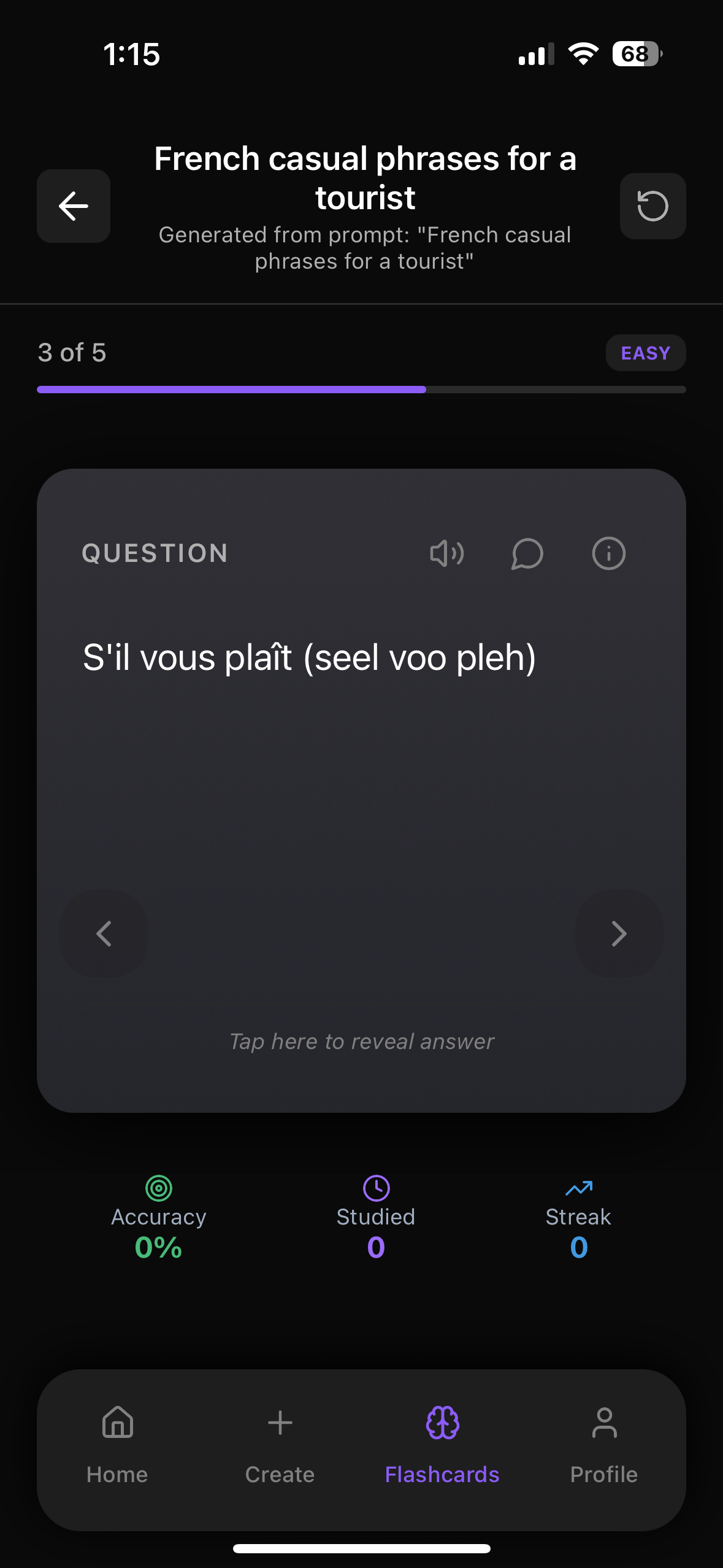
Example card in Flashrecall:
- Front: Kei te pēhea koe?
- Back: How are you?
Once you’re comfortable, you can duplicate cards and flip the direction:
- Front: How are you?
- Back: Kei te pēhea koe?
Flashrecall makes it super easy to duplicate and edit cards, so you can have both directions without extra effort.
3. Add Audio So You Don’t Butcher The Pronunciation
Te reo Māori is beautiful, but if you only see it written, it’s easy to mispronounce stuff and then… it sticks.
With Flashrecall, you can:
- Record your own audio saying the word or phrase
- Or add audio from videos / YouTube by turning key phrases into cards
Example:
- Find a YouTube video teaching Māori greetings
- Drop the link into Flashrecall
- Turn the key phrases into flashcards with audio + text
Then your card becomes:
- Front: Audio only – you listen and try to recall the phrase
- Back: Māori text + English translation
This trains:
- Listening
- Pronunciation
- Spelling
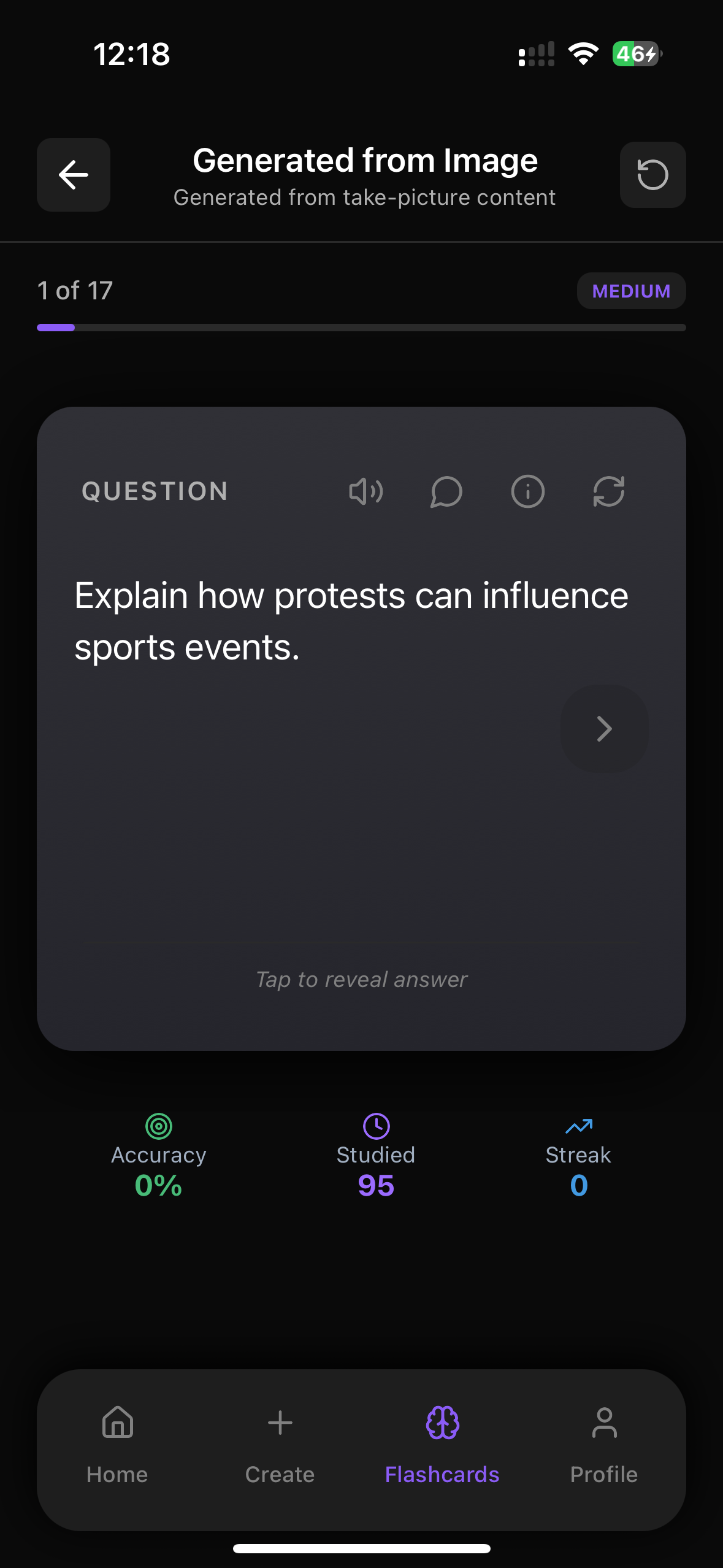
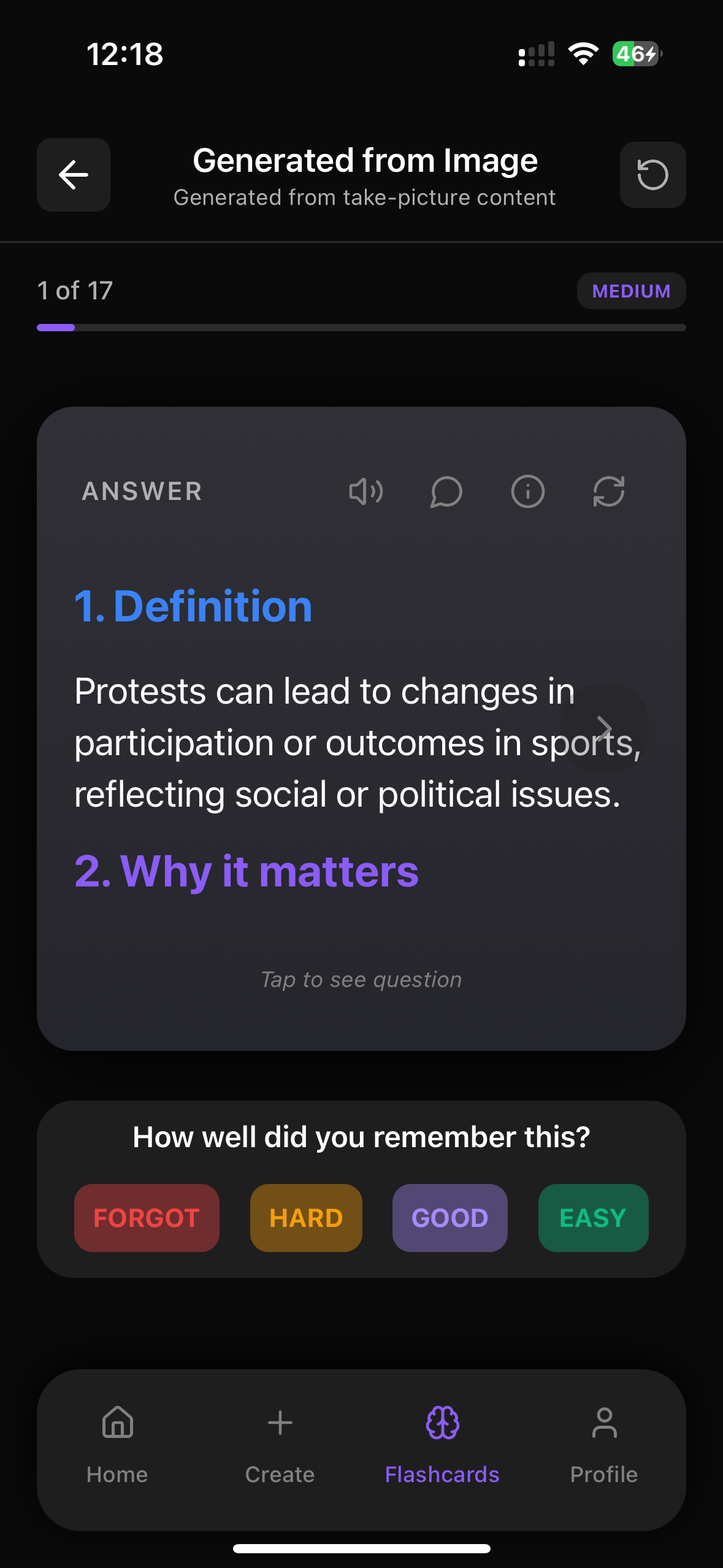
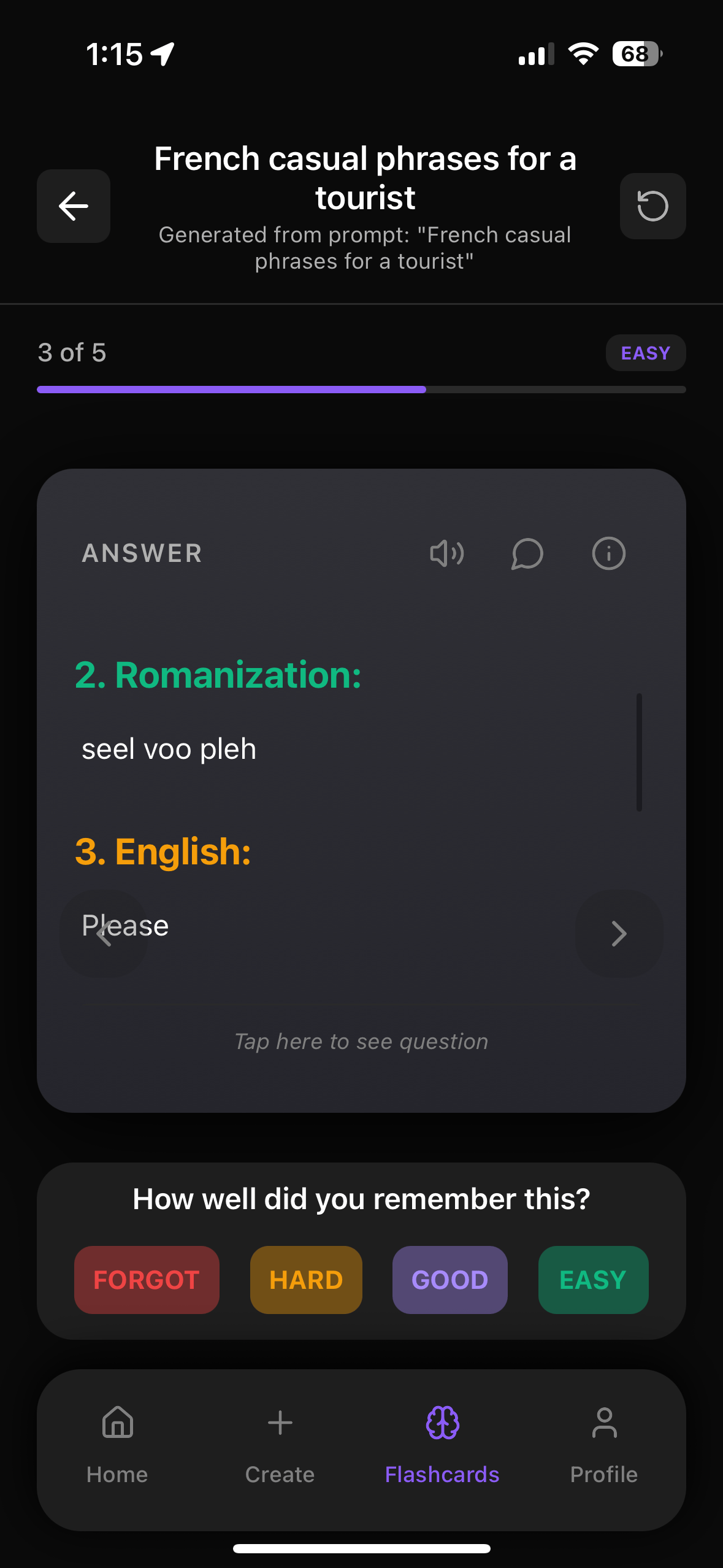
Flashrecall automatically keeps track and reminds you of the cards you don't remember well so you remember faster. Like this :
All at once, without extra work.
4. Use Images To Make Māori Words Stick Faster
Your brain loves pictures.
Instead of memorising:
> “whare = house”
Make a card like this in Flashrecall:
- Front: Picture of a house
- Back: te whare – the house
You can:
- Snap photos of your actual house, car, dog, whānau, kai
- Turn those images into instant flashcards inside Flashrecall
This way, you’re not just memorising a word.
You’re linking Māori to your real life, which makes it stick way harder.
5. Let Spaced Repetition Do The Heavy Lifting
Most people fail with Māori flash cards because they either:
- Cram once
- Or never review
Spaced repetition solves that.
It’s a system where:
- New words = reviewed often
- Known words = shown less and less
Flashrecall has built‑in spaced repetition + active recall, so you don’t have to think about when to review.
You just:
1. Open the app
2. Do your due cards
3. Close it
The app:
- Tracks what you’re forgetting
- Pushes those cards to you right before your brain drops them
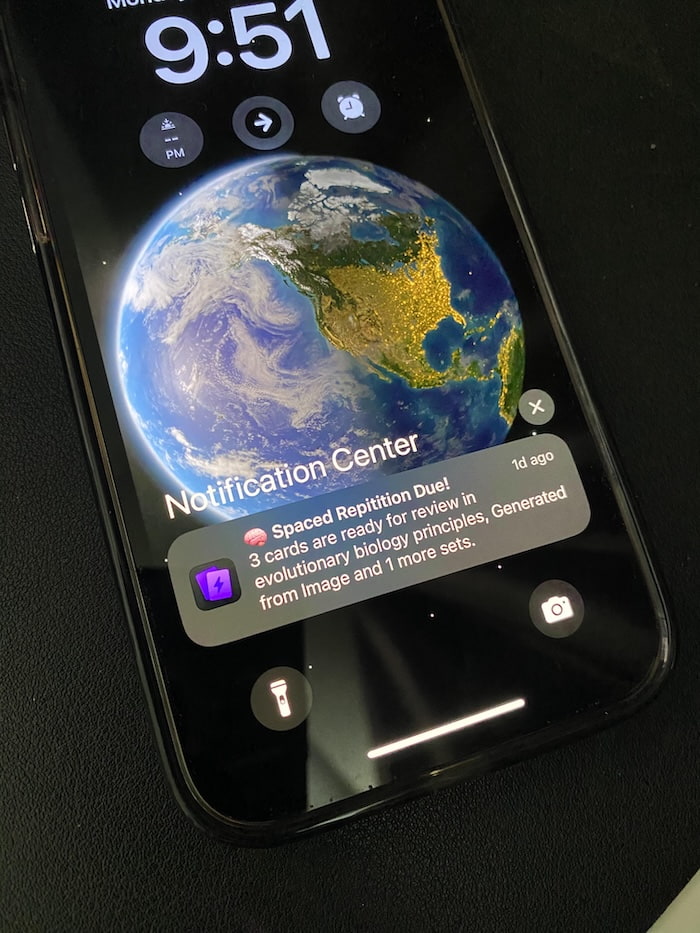
Plus, study reminders mean you’ll get a gentle nudge to review, so Māori stays part of your routine instead of a “someday” project.
6. Learn Phrases, Not Just Single Words
Single words are fine, but phrases are where you start sounding like a real person.
Instead of just:
- kai – food
Try cards like:
- Front: I am eating food.
- Front: We are going to the house.
You can:
- Take example sentences from textbooks, websites, or PDFs
- Drop the text or PDF into Flashrecall
- Turn useful sentences into cards quickly
Bonus move:
Have a “pattern” deck – cards like:
- Front: “Kei te ___ au.” – I am ___.
- Back: Structure for describing what you are doing.
These help you understand the grammar patterns, not just the vocab.
7. Use Flash Cards To Practice Whānau & Culture Words
Te reo Māori isn’t just another language – it’s tied to culture, whānau, and identity.
Use your flashcards to learn those words too.
Some ideas for decks in Flashrecall:
- Whānau & relationships
- whānau – family
- hoa – friend
- kuia – older woman / grandmother
- koroua – older man / grandfather
- Tikanga & concepts
- mana – authority, prestige
- tapu – sacred
- aroha – love, compassion
- whanaungatanga – relationship, kinship
- Place names
- Add local Māori place names + meanings
- Use images of the places as card fronts
You can even:
- Add photos of your actual whānau
- Put their Māori relationship terms on the back
So every review is a mix of language + connection.
How Flashrecall Makes Māori Flash Cards 10x Easier
Here’s why I’d pick Flashrecall over old‑school paper cards or clunky apps:
- Instant card creation
- From images, text, audio, PDFs, YouTube links, or typed prompts
- You can literally snap a pic of a worksheet or screenshot vocab and turn it into cards in seconds
- Built‑in active recall + spaced repetition
- You see the front, you try to remember, then flip – that’s active recall
- Spaced repetition schedules reviews automatically
- Study reminders
- Gentle notifications so you don’t forget to review your Māori
- Works offline
- Perfect for the bus, plane, or when your data’s gone
- Chat with your flashcards
- Unsure what a word really means or how to use it?
- You can chat with the content to get explanations or extra examples
- Fast, modern, easy to use
- No clunky menus, no 2005 vibes
- Just open, study, done
- Free to start
- You can test it properly before committing
Grab it here and build your first Māori deck in a few minutes:
👉 https://apps.apple.com/us/app/flashrecall-study-flashcards/id6746757085
A Simple 10-Minute Māori Flash Card Routine
If you want something realistic, try this:
1. Open Flashrecall
2. Do your due cards (spaced repetition)
3. Add 3–5 new words or phrases
4. Say each one out loud once or twice
- Add a few audio cards from a video or podcast
- Add 3–5 image‑based cards from your real life (home, food, whānau, places)
- Review any cards that feel shaky and tweak them
Stick to that for a month and you’ll be surprised how much Māori you can understand and say.
Final Thoughts
Māori flash cards don’t need to be fancy to work – they just need to be:
- Relevant to your life
- Reviewed regularly
- Backed by good tools
If you want an easy way to build, organise, and actually stick with your Māori flash cards, try Flashrecall on your iPhone or iPad:
👉 https://apps.apple.com/us/app/flashrecall-study-flashcards/id6746757085
Turn a few spare minutes a day into real te reo Māori progress – one smart flashcard at a time.
Frequently Asked Questions
What's the fastest way to create flashcards?
Manually typing cards works but takes time. Many students now use AI generators that turn notes into flashcards instantly. Flashrecall does this automatically from text, images, or PDFs.
Is there a free flashcard app?
Yes. Flashrecall is free and lets you create flashcards from images, text, prompts, audio, PDFs, and YouTube videos.
How do I start spaced repetition?
You can manually schedule your reviews, but most people use apps that automate this. Flashrecall uses built-in spaced repetition so you review cards at the perfect time.
What is active recall and how does it work?
Active recall is the process of actively retrieving information from memory rather than passively reviewing it. Flashrecall forces proper active recall by making you think before revealing answers, then uses spaced repetition to optimize your review schedule.
Related Articles
- Wooden Flash Cards: Why Digital Flashcards Are the Smarter Upgrade Most Learners Don’t Realize They Need Yet – Especially If You Want to Learn Faster and Remember More
- Bilingual Flashcards: The Essential Guide To Learning Any Language Faster With Smart Memory Hacks – Discover how to turn everyday moments into powerful bilingual practice sessions most learners completely miss.
- Flash Card Of Noun: 7 Powerful Ways To Learn Grammar Faster (Most Students Don’t Know These) – Turn boring noun drills into quick, fun wins with smart flashcards that actually stick.
Research References
The information in this article is based on peer-reviewed research and established studies in cognitive psychology and learning science.
Cepeda, N. J., Pashler, H., Vul, E., Wixted, J. T., & Rohrer, D. (2006). Distributed practice in verbal recall tasks: A review and quantitative synthesis. Psychological Bulletin, 132(3), 354-380
Meta-analysis showing spaced repetition significantly improves long-term retention compared to massed practice
Carpenter, S. K., Cepeda, N. J., Rohrer, D., Kang, S. H., & Pashler, H. (2012). Using spacing to enhance diverse forms of learning: Review of recent research and implications for instruction. Educational Psychology Review, 24(3), 369-378
Review showing spacing effects work across different types of learning materials and contexts
Kang, S. H. (2016). Spaced repetition promotes efficient and effective learning: Policy implications for instruction. Policy Insights from the Behavioral and Brain Sciences, 3(1), 12-19
Policy review advocating for spaced repetition in educational settings based on extensive research evidence
Karpicke, J. D., & Roediger, H. L. (2008). The critical importance of retrieval for learning. Science, 319(5865), 966-968
Research demonstrating that active recall (retrieval practice) is more effective than re-reading for long-term learning
Roediger, H. L., & Butler, A. C. (2011). The critical role of retrieval practice in long-term retention. Trends in Cognitive Sciences, 15(1), 20-27
Review of research showing retrieval practice (active recall) as one of the most effective learning strategies
Dunlosky, J., Rawson, K. A., Marsh, E. J., Nathan, M. J., & Willingham, D. T. (2013). Improving students' learning with effective learning techniques: Promising directions from cognitive and educational psychology. Psychological Science in the Public Interest, 14(1), 4-58
Comprehensive review ranking learning techniques, with practice testing and distributed practice rated as highly effective

FlashRecall Team
FlashRecall Development Team
The FlashRecall Team is a group of working professionals and developers who are passionate about making effective study methods more accessible to students. We believe that evidence-based learning tec...
Credentials & Qualifications
- •Software Development
- •Product Development
- •User Experience Design
Areas of Expertise
Ready to Transform Your Learning?
Start using FlashRecall today - the AI-powered flashcard app with spaced repetition and active recall.
Download on App Store