Nclex Pharmacology Flash Cards Study Method: The Proven Guide
The NCLEX pharmacology flash cards study method focuses on active recall and spaced repetition, helping you remember drug info efficiently with.
How Flashrecall app helps you remember faster. It's free
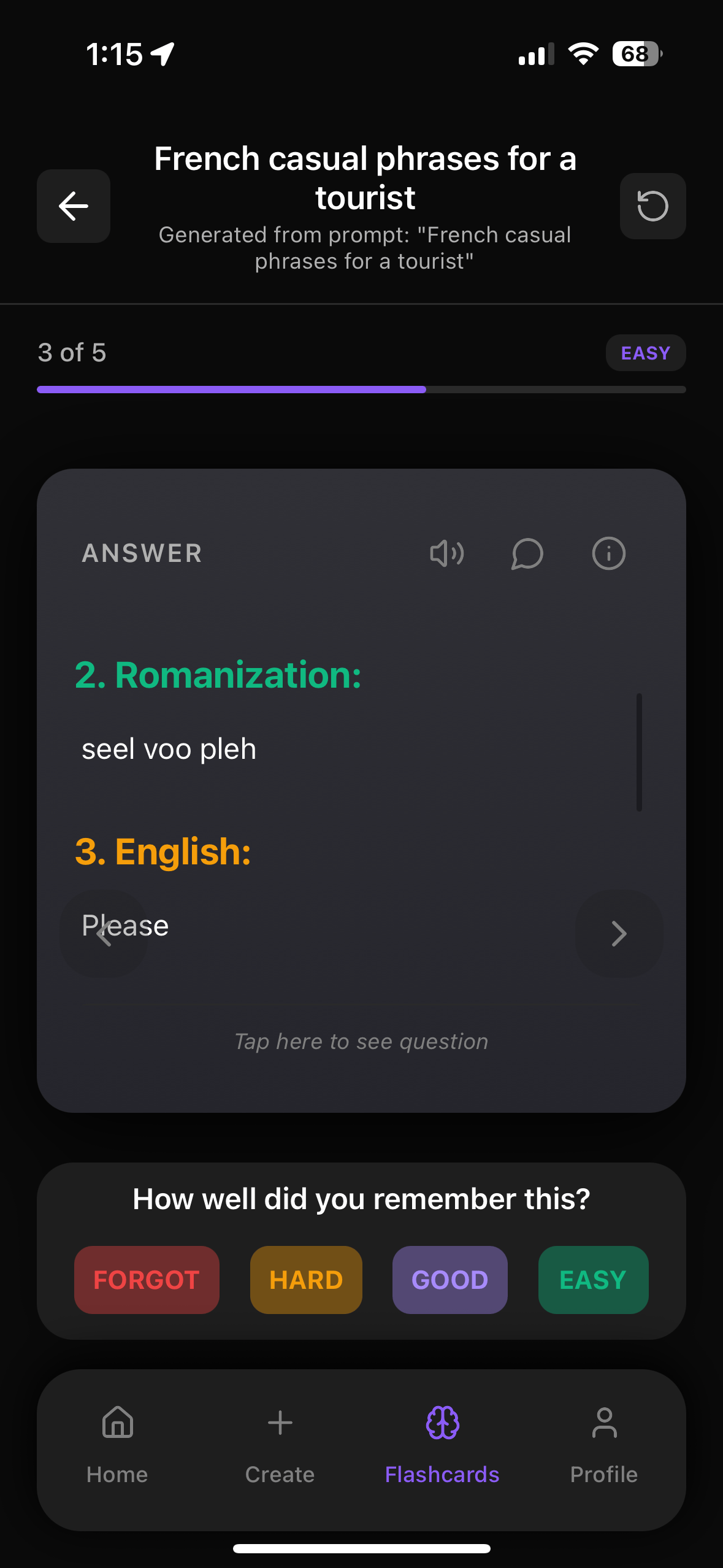
Stop Memorizing Drugs The Hard Way
Let's be real, the nclex pharmacology flash cards study method is kinda like your secret weapon for tackling all that drug info without losing your mind. You know how sometimes you just keep reading notes, hoping something will stick? Well, this method's got your back by focusing on actively pulling info from your brain and doing it at just the right times. It’s all about that sweet spot where the info actually stays with you for the long haul. And here’s the best part – Flashrecall makes it a breeze by handling all the scheduling and reminders, so you can chill and just focus on learning. Curious about how to finally remember every drug class before the big exam? Stop the endless re-reading and dive into our complete guide for some seriously powerful hacks! Trust me, once you try it, you'll wonder why you ever studied any other way.
Flashcards are honestly one of the best ways to learn pharm — if you use them right.
That’s where Flashrecall comes in:
👉 https://apps.apple.com/us/app/flashrecall-study-flashcards/id6746757085
It’s a fast, modern flashcard app for iPhone and iPad that:
- Uses built-in spaced repetition (with auto reminders) so you review drugs right before you forget them
- Lets you instantly create cards from images, PDFs, YouTube links, text, audio, or typed prompts
- Has active recall built in, plus you can even chat with your flashcards if you’re unsure about something
- Works offline and is free to start
Let’s break down how to use pharmacology flashcards properly so NCLEX drug questions stop feeling like random guesses.
Why Flashcards Work So Well For NCLEX Pharmacology
Pharmacology is all about recall, not recognition.
You don’t just need to “recognize” that metoprolol is a beta-blocker — you need to recall:
- What it does
- Key side effects
- Nursing considerations
- When to hold it
- What to monitor
Flashcards force you to:
1. Look at a prompt
2. Pull the answer from memory
3. Check if you were right
That’s active recall, and it’s one of the most effective ways to build long-term memory.
Flashrecall bakes this into the app:
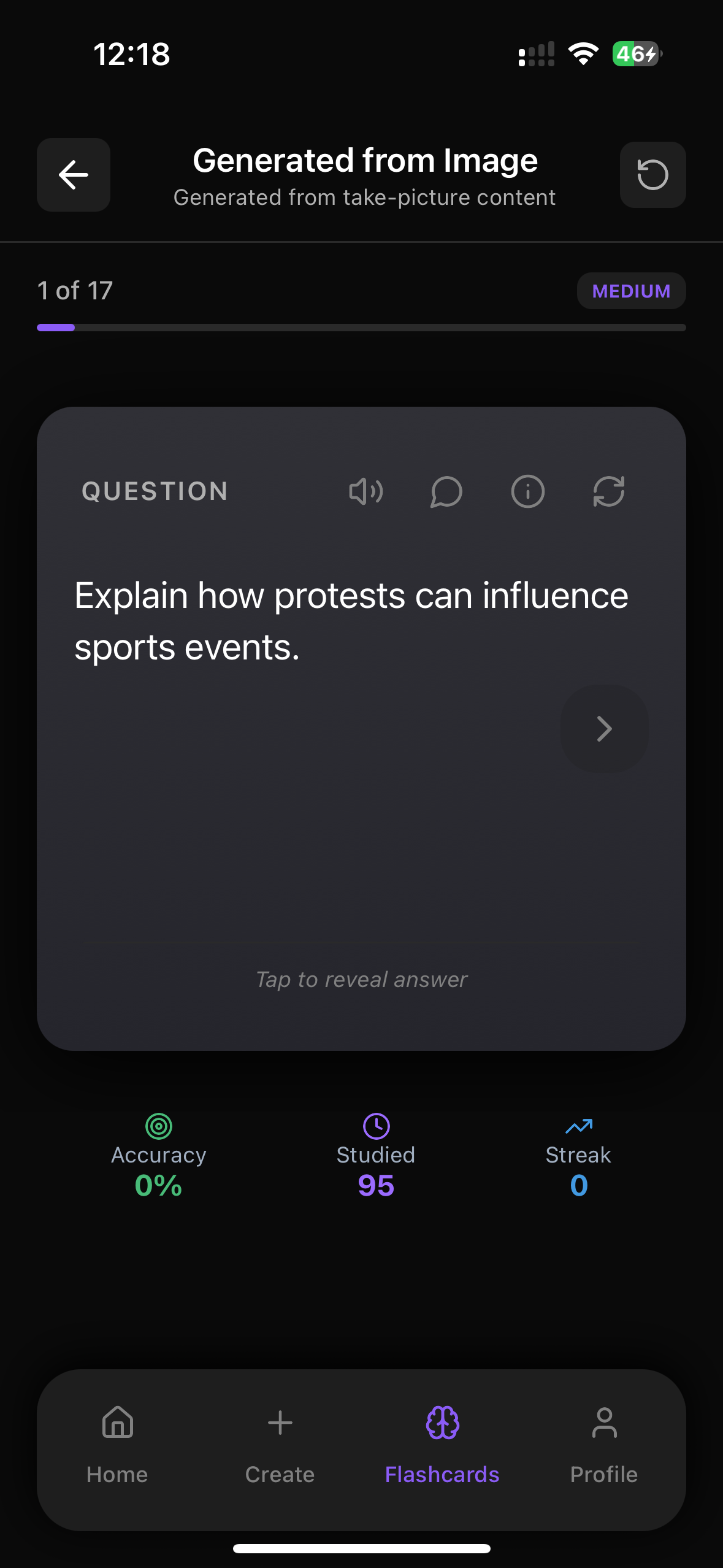
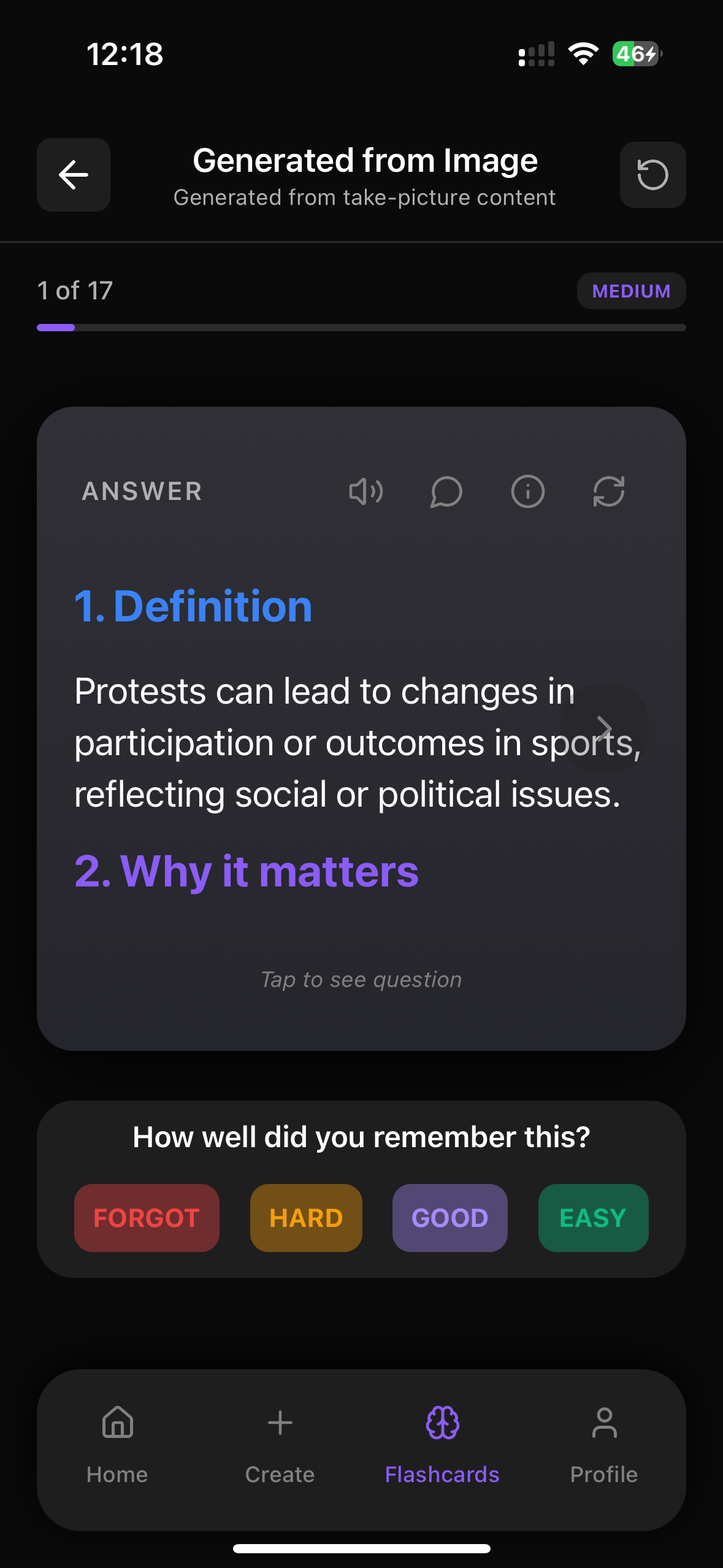
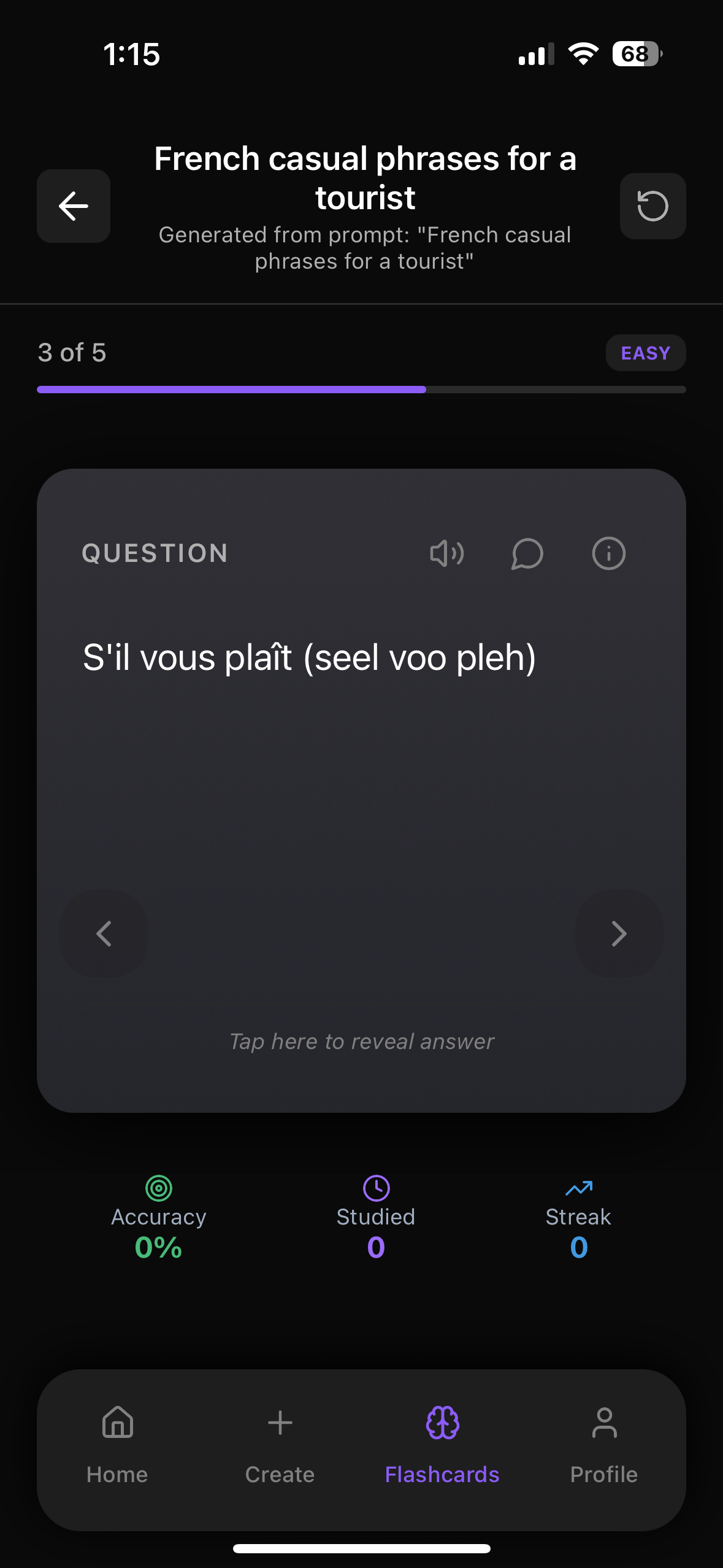
- Every card is designed around question → answer
- You rate how well you remembered it
- The app automatically schedules the next review using spaced repetition
So instead of cramming pharmacology the night before, you’re reviewing drugs in small, smart chunks over time — which is exactly what your brain needs.
What Should Be On Your NCLEX Pharmacology Flash Cards?
Don’t turn your flashcards into mini textbooks. Each card should test one idea.
Here’s a simple structure that works really well in Flashrecall.
1. Drug Name + Class
“Metoprolol – What drug class is this and what does it do?”
“Beta-1 selective blocker. Lowers HR and BP by decreasing cardiac output.”
You can also:
- Group drugs by class (e.g., ACE inhibitors, beta-blockers, calcium channel blockers)
- Use cards like: “What suffix do most ACE inhibitors end in?” → “-pril”
2. High-Yield Side Effects
“Major side effect to watch for with ACE inhibitors?”
“Dry cough, angioedema, hyperkalemia, hypotension.”
You don’t need every obscure side effect — focus on:
- Life-threatening ones
- NCLEX-favorite ones
- Things that change your nursing care
3. Nursing Considerations
“What should you assess before giving a beta-blocker?”
“Check HR and BP. Hold if HR < 60 or SBP < 90 (per facility policy). Monitor for bradycardia and hypotension.”
4. Black Box Warnings / Critical Safety Info
“Black box warning for clozapine?”
“Agranulocytosis – monitor WBC/ANC; report signs of infection.”
These are high-yield NCLEX questions, so they absolutely deserve cards.
5. Memory Tricks & Patterns
Your cards don’t always need to be super formal.
If you have a weird memory trick that works, use it.
“Mnemonic for beta-blocker side effects?”
Flashrecall automatically keeps track and reminds you of the cards you don't remember well so you remember faster. Like this :
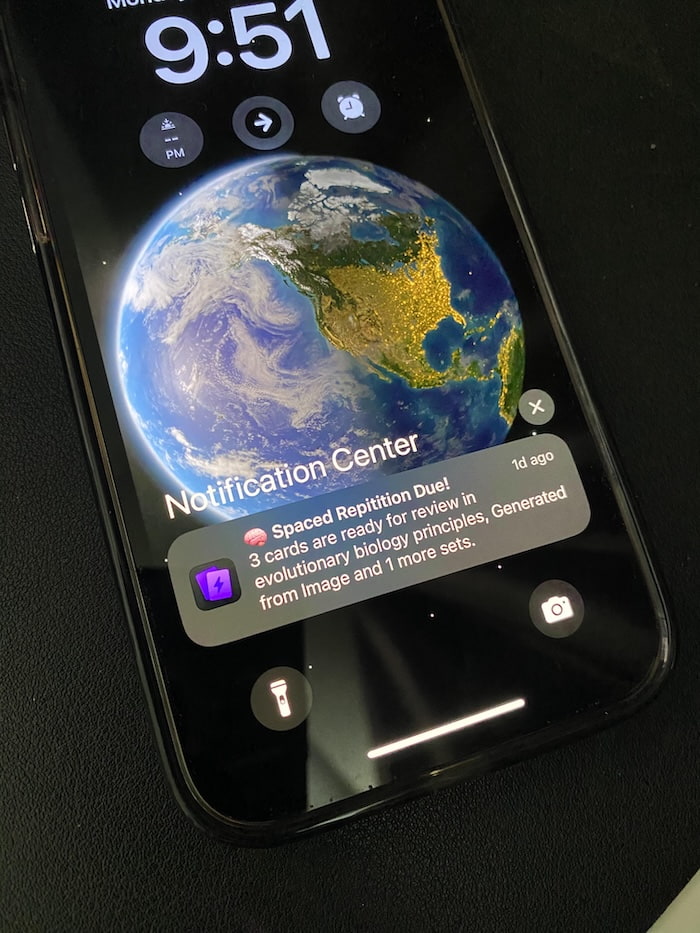
“Remember ‘ABCD’: A – Asthma (bronchospasm), B – Bradycardia, C – CHF worsening, D – Depression.”
You can store all of these in Flashrecall and let the app handle when to show them again.
How To Make NCLEX Pharm Flashcards Fast (Without Typing Everything)
Typing every single drug card manually is exhausting. The good news: you don’t have to.
Flashrecall lets you create cards from almost anything:
1. From Class Notes or PDFs
Got a PDF review book or class slides?
- Import or copy the text into Flashrecall
- The app can turn that text into flashcards for you
- You can edit them to keep only the high-yield stuff
2. From Images
Took a photo of your pharm lecture slides or whiteboard?
- Upload the image to Flashrecall
- It can pull text from the image and turn it into cards
- You then clean it up and keep what matters
Perfect for when your professor drops a gold-mine summary slide at the end of class.
3. From YouTube Pharm Videos
Watching a pharmacology YouTube review?
- Paste the YouTube link into Flashrecall
- It can help you generate cards from what’s covered
- You get a full set of cards without pausing every 10 seconds to type
4. From Your Own Prompts
You can also just type:
> “Make NCLEX-style flashcards for beta-blockers: indications, side effects, nursing considerations.”
Flashrecall can help you generate a set, which you can tweak to match your class or review book.
And of course, you can always make cards manually if you prefer full control.
The Secret: Spaced Repetition + Reminders (So You Don’t Forget Everything)
The real power move for NCLEX pharmacology isn’t just making flashcards — it’s reviewing them at the right time.
That’s what spaced repetition does:
- New or hard cards = reviewed more often
- Easy cards = spaced out over days/weeks
- Old, well-known cards = rarely seen
Flashrecall has this built in:
- After each card, you rate how easy it was
- The app schedules the next review automatically
- You also get study reminders, so you don’t forget to open the app
No more guessing what to study. You just:
1. Open Flashrecall
2. Do your due cards
3. Close the app knowing pharm is handled for the day
It works offline too, so you can review in the subway, at the hospital cafeteria, or wherever you’re hiding between clinicals.
How To Structure Your NCLEX Pharm Decks
Here’s a simple way to organize your pharmacology flashcards inside Flashrecall.
Option 1: By System
- Cardiology drugs
- Respiratory drugs
- Neuro / Psych drugs
- Endocrine drugs
- GI drugs
- Antibiotics / Antivirals / Antifungals
This makes it easy to review pharm alongside content for that system.
Option 2: By Drug Class
- Beta-blockers
- ACE inhibitors
- ARBs
- Calcium channel blockers
- Diuretics
- Opioids
- Benzos
- SSRIs
- Antipsychotics
- Insulins
This is great for spotting patterns, like:
- Suffixes
- Similar side effects
- Shared contraindications
Option 3: By Priority Level
- Must Know (high-yield, life-threatening, common NCLEX topics)
- Should Know
- Nice to Know
You can tag or group cards in Flashrecall so you hit the Must Know deck more often as exam day gets closer.
Using “Chat With Flashcards” When You’re Confused
This is where Flashrecall gets really cool.
If you’re looking at a card like:
> “Insulin types and peak times”
…and you realize, “Wait, I kind of know this, but not really,” you can chat with the flashcard to go deeper.
You can ask things like:
- “Explain the difference between rapid-acting and long-acting insulin like I’m 12.”
- “Give me a quick story to remember NPH insulin peak.”
- “What NCLEX-style question could be asked about this drug?”
It’s like having a tutor built into your flashcard app that’s always there to clarify stuff on the spot.
Realistic Daily NCLEX Pharm Study Plan (Using Flashcards)
Here’s a simple plan you can follow with Flashrecall:
On Regular Days (30–45 minutes)
1. Do today’s due cards
- Open Flashrecall, do your spaced repetition reviews first
2. Add 5–15 new cards
- From today’s lecture, a video, or your review book
3. Quick self-test
- Filter by a specific topic (like “cardiac drugs”) and rapid-fire through them
On Busy Clinical Days (10–15 minutes)
- Just do the due cards
- Maybe add 2–3 new high-yield ones
- That’s it — consistency beats cramming
Because Flashrecall works offline, you can literally do this on the bus, in bed, or on a 10-minute break.
Why Use Flashrecall Over Old-School Cards or Other Apps?
There are a lot of flashcard tools out there, but for NCLEX pharmacology, Flashrecall hits a sweet spot:
- Faster card creation
- From images, PDFs, YouTube, text, audio, or typed prompts
- Built-in spaced repetition + reminders
- No need to set anything up or remember review dates
- Active recall by design
- Every session is focused on retrieval, not passive reading
- Chat with your cards
- Perfect when you’re unsure and need deeper explanation
- Works offline
- Study anywhere, anytime
- Great for all subjects
- Not just pharm — you can use it for med-surg, patho, OB, peds, even future certifications or business/finance topics
And it’s free to start, so you can test it out without committing:
👉 https://apps.apple.com/us/app/flashrecall-study-flashcards/id6746757085
Final Thoughts: Make Pharm Your Strongest NCLEX Section
You don’t need to memorize every drug ever made.
You do need to:
- Know the big classes
- Recognize dangerous side effects
- Understand nursing priorities
- Practice recalling them, not just re-reading them
NCLEX pharmacology flash cards, used with spaced repetition and active recall, can turn pharm from “panic” to “predictable.”
If you want an easy, modern way to do that — with automatic reminders, instant card creation, and the ability to chat with your cards — give Flashrecall a try:
👉 https://apps.apple.com/us/app/flashrecall-study-flashcards/id6746757085
Turn pharm into one of your strongest sections, not your biggest fear.
Frequently Asked Questions
What's the fastest way to create flashcards?
Manually typing cards works but takes time. Many students now use AI generators that turn notes into flashcards instantly. Flashrecall does this automatically from text, images, or PDFs.
Is there a free flashcard app?
Yes. Flashrecall is free and lets you create flashcards from images, text, prompts, audio, PDFs, and YouTube videos.
How do I start spaced repetition?
You can manually schedule your reviews, but most people use apps that automate this. Flashrecall uses built-in spaced repetition so you review cards at the perfect time.
What is active recall and how does it work?
Active recall is the process of actively retrieving information from memory rather than passively reviewing it. Flashrecall forces proper active recall by making you think before revealing answers, then uses spaced repetition to optimize your review schedule.
How can I study more effectively for exams?
Effective exam prep combines active recall, spaced repetition, and regular practice. Flashrecall helps by automatically generating flashcards from your study materials and using spaced repetition to ensure you remember everything when exam day arrives.
Related Articles
- NCLEX Pharm Flashcards: 7 Powerful Tricks To Finally Remember All Those Drugs Without Burning Out – Stop rereading notes and use a smarter flashcard system that actually sticks.
- Kaplan Predictor Quizlet: Why Most Nursing Students Are Switching To Smarter NCLEX Flashcards – And How To Actually Boost Your Predictor Score
- NCLEX Flashcards: The Essential Study Hack To Pass On Your First Try (Most Students Don’t Do This) – Discover how the right flashcard system can turn NCLEX chaos into calm, confident recall.
Research References
The information in this article is based on peer-reviewed research and established studies in cognitive psychology and learning science.
Cepeda, N. J., Pashler, H., Vul, E., Wixted, J. T., & Rohrer, D. (2006). Distributed practice in verbal recall tasks: A review and quantitative synthesis. Psychological Bulletin, 132(3), 354-380
Meta-analysis showing spaced repetition significantly improves long-term retention compared to massed practice
Carpenter, S. K., Cepeda, N. J., Rohrer, D., Kang, S. H., & Pashler, H. (2012). Using spacing to enhance diverse forms of learning: Review of recent research and implications for instruction. Educational Psychology Review, 24(3), 369-378
Review showing spacing effects work across different types of learning materials and contexts
Kang, S. H. (2016). Spaced repetition promotes efficient and effective learning: Policy implications for instruction. Policy Insights from the Behavioral and Brain Sciences, 3(1), 12-19
Policy review advocating for spaced repetition in educational settings based on extensive research evidence
Karpicke, J. D., & Roediger, H. L. (2008). The critical importance of retrieval for learning. Science, 319(5865), 966-968
Research demonstrating that active recall (retrieval practice) is more effective than re-reading for long-term learning
Roediger, H. L., & Butler, A. C. (2011). The critical role of retrieval practice in long-term retention. Trends in Cognitive Sciences, 15(1), 20-27
Review of research showing retrieval practice (active recall) as one of the most effective learning strategies
Dunlosky, J., Rawson, K. A., Marsh, E. J., Nathan, M. J., & Willingham, D. T. (2013). Improving students' learning with effective learning techniques: Promising directions from cognitive and educational psychology. Psychological Science in the Public Interest, 14(1), 4-58
Comprehensive review ranking learning techniques, with practice testing and distributed practice rated as highly effective

FlashRecall Team
FlashRecall Development Team
The FlashRecall Team is a group of working professionals and developers who are passionate about making effective study methods more accessible to students. We believe that evidence-based learning tec...
Credentials & Qualifications
- •Software Development
- •Product Development
- •User Experience Design
Areas of Expertise
Ready to Transform Your Learning?
Start using FlashRecall today - the AI-powered flashcard app with spaced repetition and active recall.
Download on App Store