Pharmacology Quizlet Tips: The Powerful Guide
Pharmacology quizlet tips focus on using flashcards and spaced repetition for better retention. Try Flashrecall for automated review scheduling and smarter.
How Flashrecall app helps you remember faster. It's free
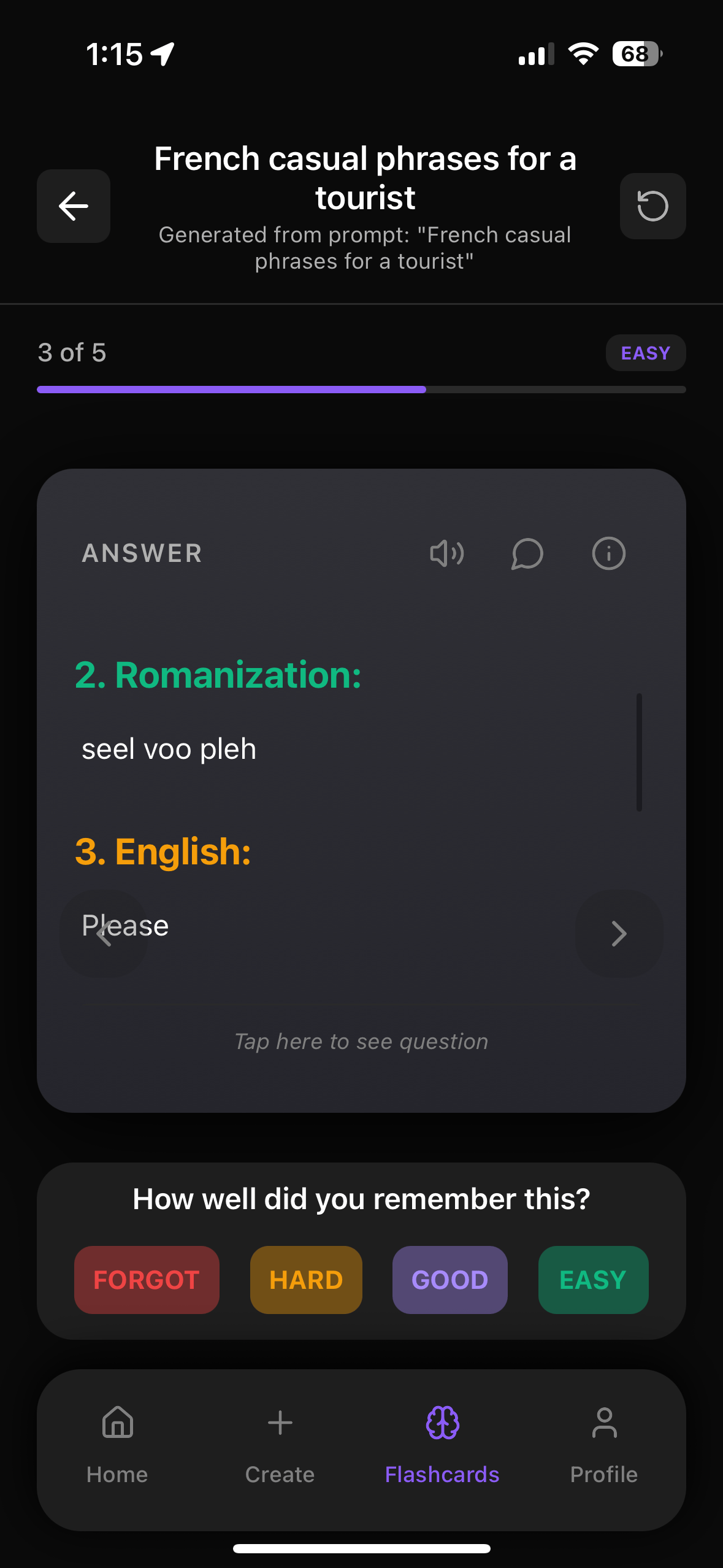
Why Just Using Pharmacology Quizlet Isn’t Enough
Alright, so here's the deal with pharmacology quizlet tips: they're like your secret weapon for learning faster and actually remembering stuff. If you're deep in study mode and need to break down all that complex info into bite-sized pieces, flashcards are your new besties. The trick? It's all about nailing active recall, spacing out your study sessions, and just sticking with it. Oh, and check this out—Flashrecall is a real lifesaver because it whips up flashcards from your notes and schedules them for you. No more guessing when to review. If you're curious about some study hacks that most med students might not even know about and want a handy guide, dive into our complete guide. It's got all the good stuff!
Quizlet sets are everywhere for pharmacology, but:
- Cards are often messy or wrong
- You end up scrolling through random public decks
- There’s no real structure to your course or your notes
- And it’s easy to just “flip through” instead of actually learning
That’s where a dedicated flashcard app built for real learning (not just flipping cards) makes a massive difference.
One of the best options right now is Flashrecall:
👉 https://apps.apple.com/us/app/flashrecall-study-flashcards/id6746757085
It’s like Quizlet, but actually optimized for memory: instant card creation, built‑in spaced repetition, active recall, and smart reminders so you don’t forget to review.
Let’s break down how to move beyond “Pharmacology Quizlet grinding” and set yourself up to actually remember drugs long‑term.
1. The Problem With Relying Only On Pharmacology Quizlet Sets
Quizlet is popular for a reason, but for pharmacology specifically, it has some big downsides:
1. Random Quality
Public sets can be:
- Outdated (old guidelines, removed drugs)
- Incomplete (no mechanisms, no key side effects)
- Just plain wrong
And you usually don’t realize it until you miss a question on an exam.
2. Passive Studying
On Quizlet, it’s easy to:
- Mindlessly tap “flip”
- Recognize the answer instead of truly recalling it
- Trick yourself into thinking “yeah yeah I know this”
But pharmacology is recall-heavy:
- “What’s the mechanism of action of…?”
- “What are the major side effects of…?”
- “Which drug is contraindicated in…?”
You need your brain to pull the answer out, not just recognize it.
3. No Smart Review For Long-Term Memory
Pharm is brutal because:
- You learn it once
- Then it shows up again months later on exams or boards
If you’re not using spaced repetition, you will forget a big chunk of it.
Quizlet has some study modes, but it’s not built around automatic, optimized review like dedicated spaced repetition apps are.
2. Why Flashrecall Works Better For Pharmacology Than Quizlet
If you like the idea of Quizlet but want something more powerful for pharm, Flashrecall is basically that upgrade.
👉 Download it here (free to start):
https://apps.apple.com/us/app/flashrecall-study-flashcards/id6746757085
Here’s why it works so well for pharmacology:
Built-In Spaced Repetition (So You Don’t Forget Everything)
Flashrecall uses spaced repetition with auto reminders:
- You review cards right before you’re about to forget them
- The app schedules everything for you
- No planning, no “what should I review today?”
You just open the app, and it says:
“Here’s what you need to review today to keep pharm in your brain.”
Perfect for:
- Semester-long pharmacology courses
- USMLE/NCLEX/board prep
- Long-term retention for clinical rotations
Active Recall Is Baked In
Flashrecall is built around active recall, not passive flipping.
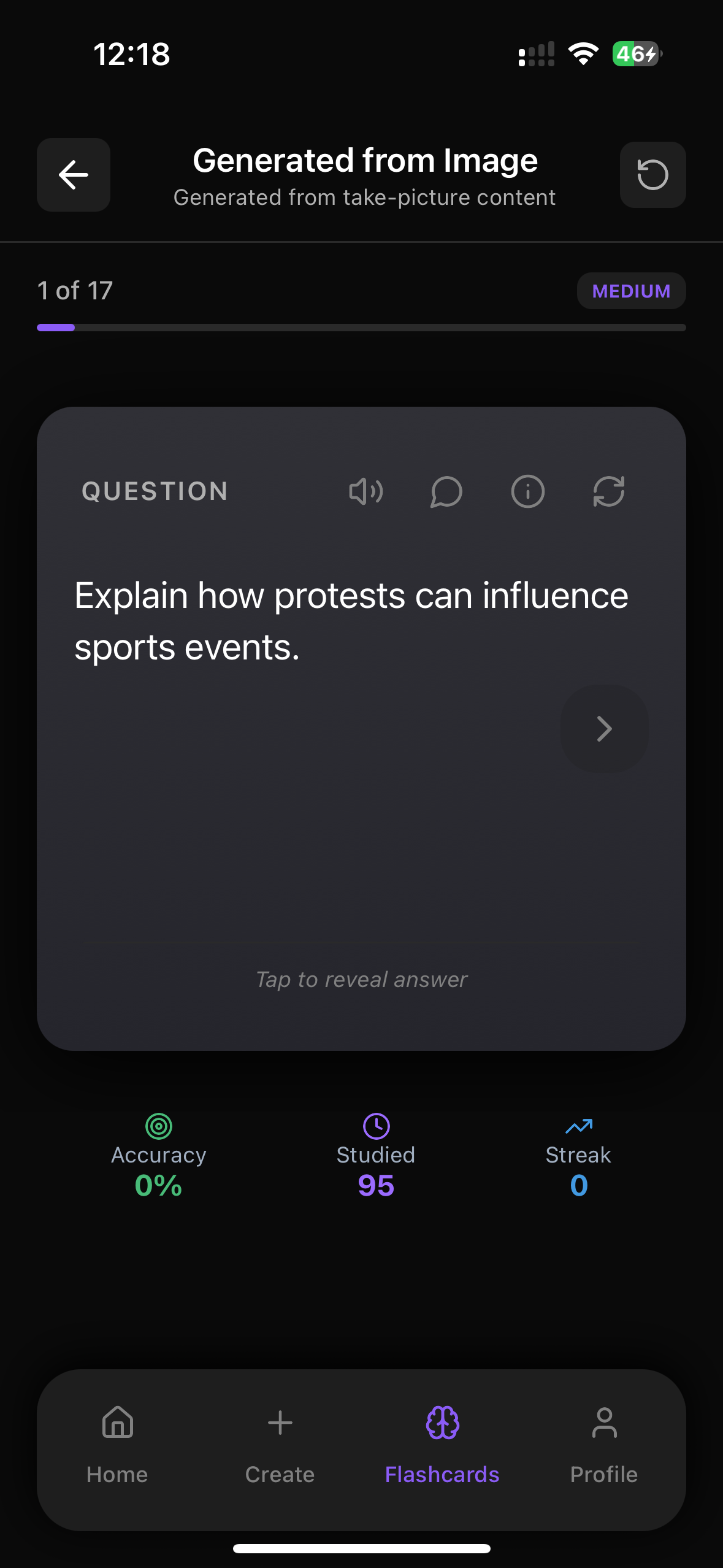
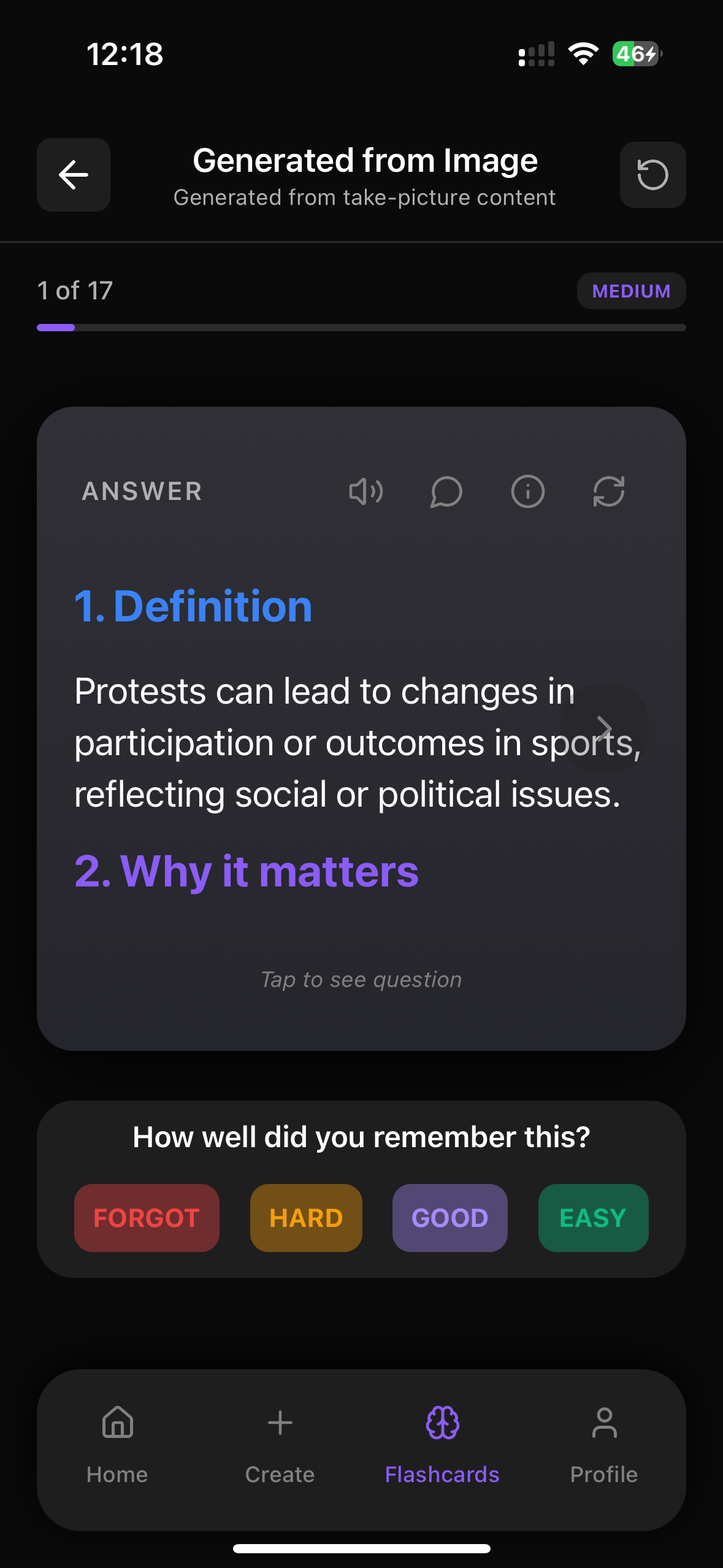
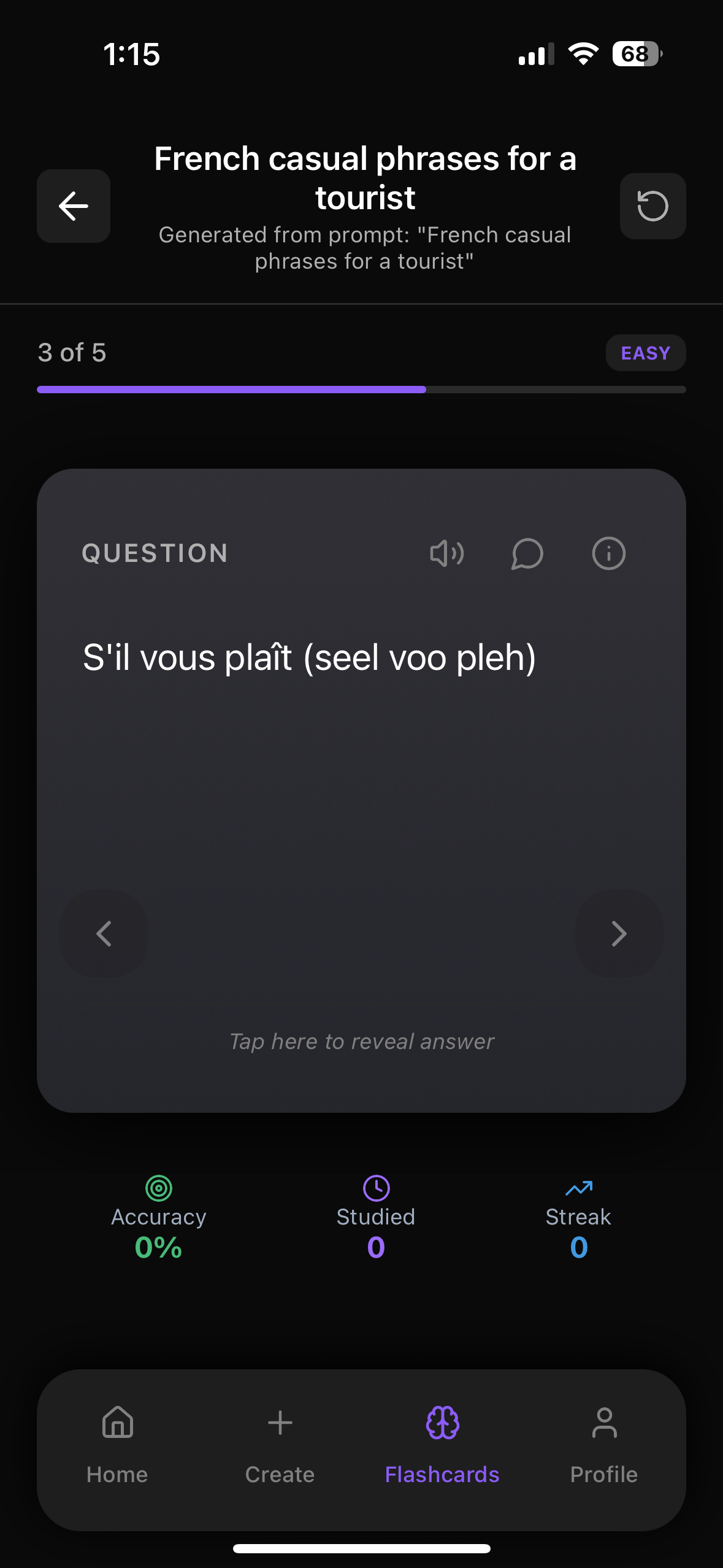
You see the prompt, think of the answer, then reveal it.
That’s exactly what pharm needs:
- “Name 3 side effects of amiodarone.”
- “What’s the mechanism of ACE inhibitors?”
- “Which beta-blocker is selective?”
You’re training your brain to retrieve information the same way you’ll need to on exams and in real life.
3. The Best Part: Making Pharmacology Cards Instantly
Pharm content is dense. No one wants to type every single drug and side effect manually.
Flashrecall makes this so much easier than Quizlet because you can create cards from almost anything:
From Lecture Slides Or Textbooks (Images & PDFs)
- Take a photo of your lecture slide or textbook page
- Or import a PDF
- Flashrecall can turn that content into flashcards automatically
Example:
You snap a photo of a slide titled “Beta Blockers – Adverse Effects”
Flashrecall can help generate cards like:
- Q: Common adverse effects of non-selective beta-blockers?
No retyping. Huge time saver.
From YouTube Pharm Videos
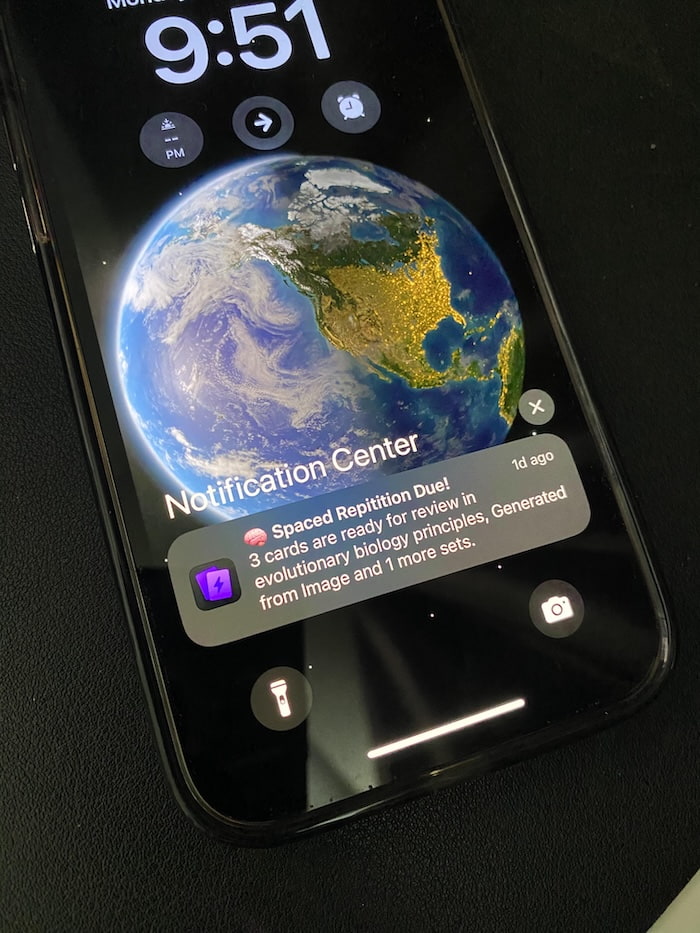
Flashrecall automatically keeps track and reminds you of the cards you don't remember well so you remember faster. Like this :
Watching Sketchy Pharm, Ninja Nerd, or some random pharm lecture on YouTube?
Paste the YouTube link into Flashrecall.
You can then generate cards based on that content and review them later.
So instead of:
- Watch video → take messy notes → forget in 3 days
You do:
- Watch video → dump into Flashrecall → get spaced repetition cards automatically
From Typed Prompts Or Manual Cards
You can still:
- Make cards manually (for custom mnemonics, weird side effects, etc.)
- Or just type something like “create flashcards for ACE inhibitors pharmacology” and build a deck from there
It’s way faster than building full decks by hand like on Quizlet.
4. “Chat With Your Flashcards” When You’re Confused
This is something Quizlet just doesn’t do.
In Flashrecall, if you’re unsure about a card, you can chat with the flashcard to dig deeper.
Example:
You have a card:
- Q: Mechanism of action of amlodipine
- A: Dihydropyridine calcium channel blocker; acts on vascular smooth muscle
You’re like: “Okay but what does that actually mean?”
You can chat with it and ask:
- “Explain this like I’m 15.”
- “Why does this cause peripheral edema?”
- “Compare amlodipine vs verapamil.”
It’s like having a mini tutor inside your flashcards.
5. How To Move Your Pharmacology Quizlet Workflow Into Flashrecall
You don’t have to start from zero. You can:
Step 1: Use Existing Material As a Base
- Take screenshots of your favorite high-yield Quizlet sets
- Grab notes from your doc, slides, or PDFs
- Feed them into Flashrecall to turn into better-structured flashcards
Step 2: Clean Up And Personalize
The problem with public Quizlet decks is that they’re generic.
Inside Flashrecall you can:
- Add your own mnemonics
- Highlight the side effects your professor loves
- Group cards by exam block (e.g., “Cardio Pharm – Exam 2”)
Step 3: Let Spaced Repetition Handle The Rest
Once your cards are in Flashrecall:
- Study a bit each day
- The app reminds you when it’s time to review
- You don’t have to think about scheduling reviews or what’s “due”
6. Realistic Pharmacology Use Cases With Flashrecall
Here’s how people actually use this for pharm:
For Med, Nursing, Pharmacy, PA, or Dental School
- Create decks for each system: cardio, neuro, GI, antibiotics, chemo, etc.
- Make cards like:
- “Drug → mechanism”
- “Drug → key side effects”
- “Condition → first-line drug”
- Mix in images (drug charts, pathways) from lecture slides
For Board Exams (USMLE, NCLEX, etc.)
- Turn high-yield review books or PDFs into flashcards
- Use spaced repetition to keep pharm fresh over months
- Add extra cards for “trick” drugs or commonly confused ones
For Clinical Rotations
- Make quick decks for:
- Common ward meds
- ICU drips
- Antibiotics and coverage
- Review on the go, even offline (Flashrecall works without internet)
7. Why Flashrecall Beats Pharmacology Quizlet For Serious Studying
To be blunt:
Quizlet is great for quick lookups and casual studying.
Pharmacology is not casual.
Here’s where Flashrecall pulls ahead:
- Spaced repetition built-in
Quizlet doesn’t truly optimize your review schedule. Flashrecall does.
- Automatic card creation from real study materials
Images, text, PDFs, YouTube links, typed prompts. Quizlet is mostly manual.
- Active recall by design
Flashrecall is built around remembering, not just recognizing.
- Chat with your flashcards
Turn confusion into clarity without leaving the app.
- Study reminders
Flashrecall pings you so you don’t fall behind.
- Works offline
Perfect for commutes, hospital basements, or bad Wi‑Fi.
- Fast, modern, and easy to use
No clunky UI. Just open, study, done.
- Free to start
You can test it out without committing to anything.
And it runs on both iPhone and iPad, so you can review on your phone and go deeper on your tablet.
8. Simple Pharmacology Study Setup You Can Copy
Here’s a quick, no-nonsense system you can start today:
1. Pick a topic
Example: “Antihypertensives”
2. Grab your best source
Lecture slides, PDF chapter, or a YouTube explainer.
3. Import into Flashrecall
- Snap photos of slides
- Import the PDF
- Or paste the YouTube link
4. Generate and tweak cards
- One card for mechanism
- One for major side effects
- One for contraindications
- One for special notes (e.g., “good in pregnancy,” “causes cough”)
5. Study 15–20 minutes a day
Let spaced repetition schedule everything. Just show up.
6. Use chat when stuck
If you don’t get why a drug does something, ask the card.
Do this consistently, and pharmacology stops being a giant blurry drug list and starts feeling… manageable.
Ready To Upgrade From Pharmacology Quizlet?
If Quizlet decks have been your main pharm strategy so far, you’re not doing anything “wrong” — you just might be missing the tools that actually lock the info into long‑term memory.
Try using a flashcard app that’s built specifically for learning and remembering fast:
👉 Download Flashrecall (free to start) here:
https://apps.apple.com/us/app/flashrecall-study-flashcards/id6746757085
Use it for a week with just one pharm topic and you’ll feel the difference:
- Less re-cramming
- More “wait, I actually remember this” moments
- And way less panic before exams
Pharmacology is hard. Your tools shouldn’t make it harder.
Frequently Asked Questions
Is Quizlet good for studying?
Quizlet helps with basic reviewing, but its active recall tools are limited. If you want proper spacing and strong recall practice, tools like Flashrecall automate the memory science for you so you don't forget your notes.
Is Anki good for studying?
Anki is powerful but requires manual card creation and has a steep learning curve. Flashrecall offers AI-powered card generation from your notes, images, PDFs, and videos, making it faster and easier to create effective flashcards.
What's the fastest way to create flashcards?
Manually typing cards works but takes time. Many students now use AI generators that turn notes into flashcards instantly. Flashrecall does this automatically from text, images, or PDFs.
How do I start spaced repetition?
You can manually schedule your reviews, but most people use apps that automate this. Flashrecall uses built-in spaced repetition so you review cards at the perfect time.
How can I study more effectively for this test?
Effective exam prep combines active recall, spaced repetition, and regular practice. Flashrecall helps by automatically generating flashcards from your study materials and using spaced repetition to ensure you remember everything when exam day arrives.
Related Articles
- Pharmacology Flash Cards Quizlet Alternatives: 7 Powerful Ways To Learn Drugs Faster (Without Burning Out) – Stop drowning in random decks and start using smarter flashcards that actually stick.
- Nursing Pharmacology Quizlet Alternatives: 7 Powerful Ways To Actually Remember Drugs Faster – Stop Mindless Quizzing And Start Studying Smarter Today
- Basic Chemistry Quizlet Alternatives: 7 Powerful Ways To Actually Remember What You Study – Stop Memorizing And Start Understanding Chemistry Faster
Research References
The information in this article is based on peer-reviewed research and established studies in cognitive psychology and learning science.
Cepeda, N. J., Pashler, H., Vul, E., Wixted, J. T., & Rohrer, D. (2006). Distributed practice in verbal recall tasks: A review and quantitative synthesis. Psychological Bulletin, 132(3), 354-380
Meta-analysis showing spaced repetition significantly improves long-term retention compared to massed practice
Carpenter, S. K., Cepeda, N. J., Rohrer, D., Kang, S. H., & Pashler, H. (2012). Using spacing to enhance diverse forms of learning: Review of recent research and implications for instruction. Educational Psychology Review, 24(3), 369-378
Review showing spacing effects work across different types of learning materials and contexts
Kang, S. H. (2016). Spaced repetition promotes efficient and effective learning: Policy implications for instruction. Policy Insights from the Behavioral and Brain Sciences, 3(1), 12-19
Policy review advocating for spaced repetition in educational settings based on extensive research evidence
Karpicke, J. D., & Roediger, H. L. (2008). The critical importance of retrieval for learning. Science, 319(5865), 966-968
Research demonstrating that active recall (retrieval practice) is more effective than re-reading for long-term learning
Roediger, H. L., & Butler, A. C. (2011). The critical role of retrieval practice in long-term retention. Trends in Cognitive Sciences, 15(1), 20-27
Review of research showing retrieval practice (active recall) as one of the most effective learning strategies
Dunlosky, J., Rawson, K. A., Marsh, E. J., Nathan, M. J., & Willingham, D. T. (2013). Improving students' learning with effective learning techniques: Promising directions from cognitive and educational psychology. Psychological Science in the Public Interest, 14(1), 4-58
Comprehensive review ranking learning techniques, with practice testing and distributed practice rated as highly effective

FlashRecall Team
FlashRecall Development Team
The FlashRecall Team is a group of working professionals and developers who are passionate about making effective study methods more accessible to students. We believe that evidence-based learning tec...
Credentials & Qualifications
- •Software Development
- •Product Development
- •User Experience Design
Areas of Expertise
Ready to Transform Your Learning?
Start using FlashRecall today - the AI-powered flashcard app with spaced repetition and active recall.
Download on App Store