Printable Phonics Flashcards Printable Free: The Powerful Guide
Printable phonics flashcards are free and easy to use, plus Flashrecall enhances them with spaced repetition so kids really remember what they learn.
How Flashrecall app helps you remember faster. It's free
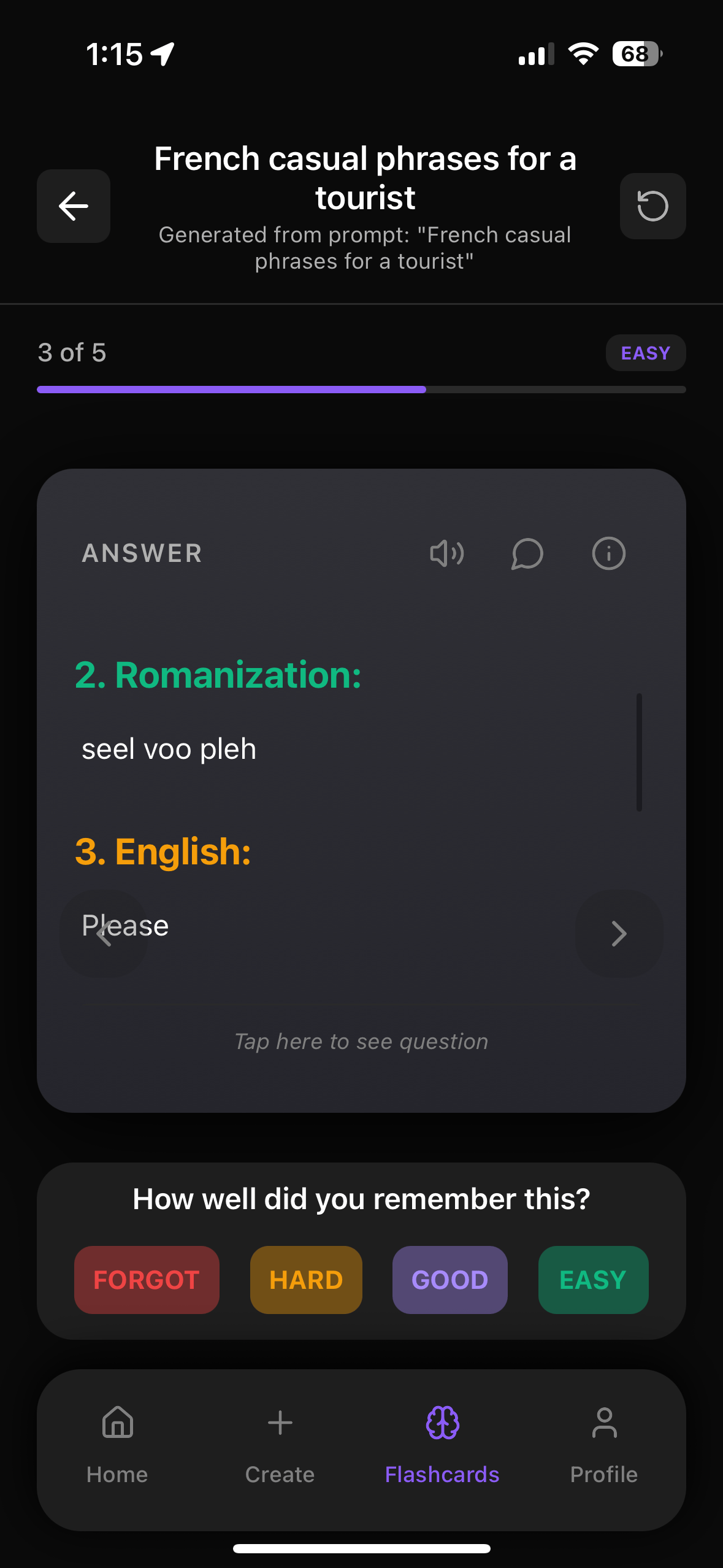
Forget Endless Printing – Let’s Talk Smart Phonics Flashcards
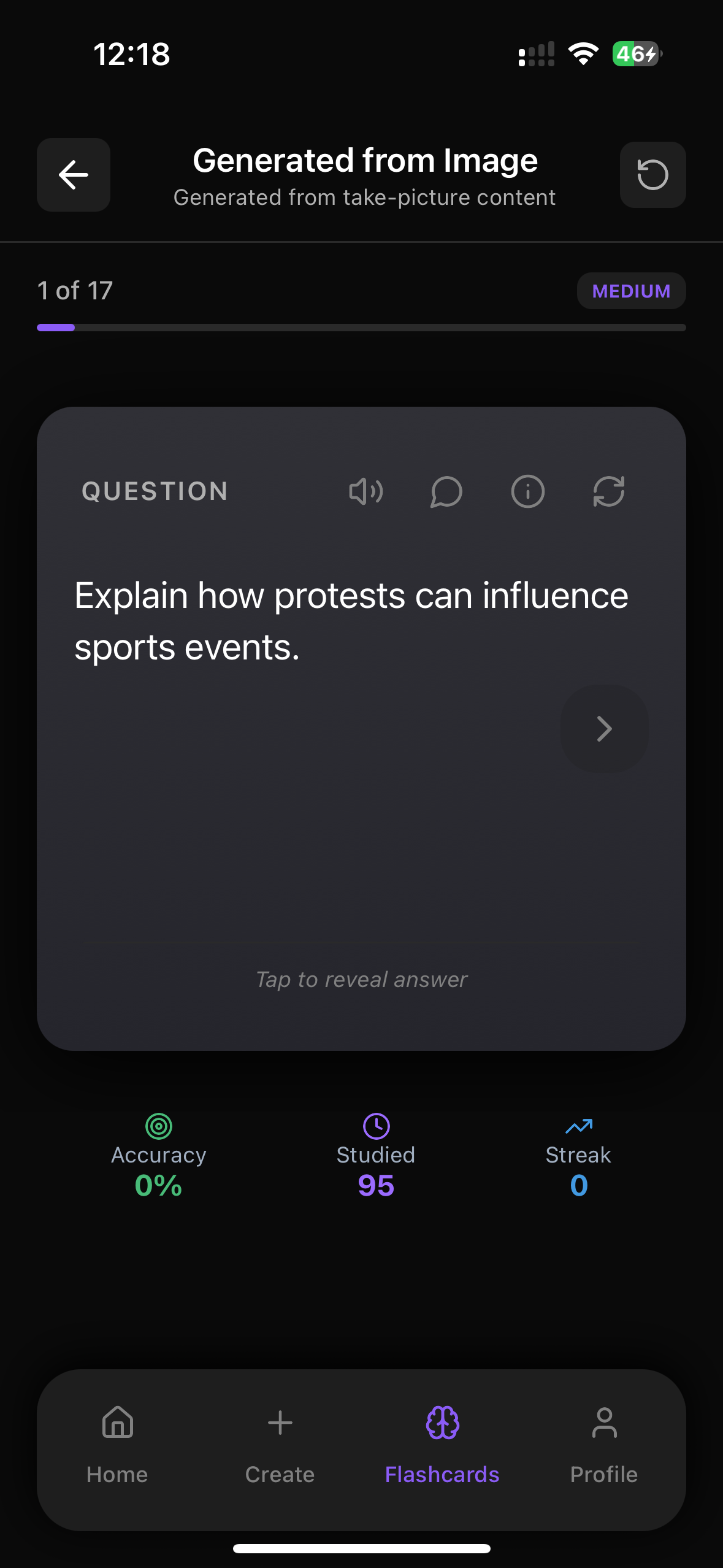
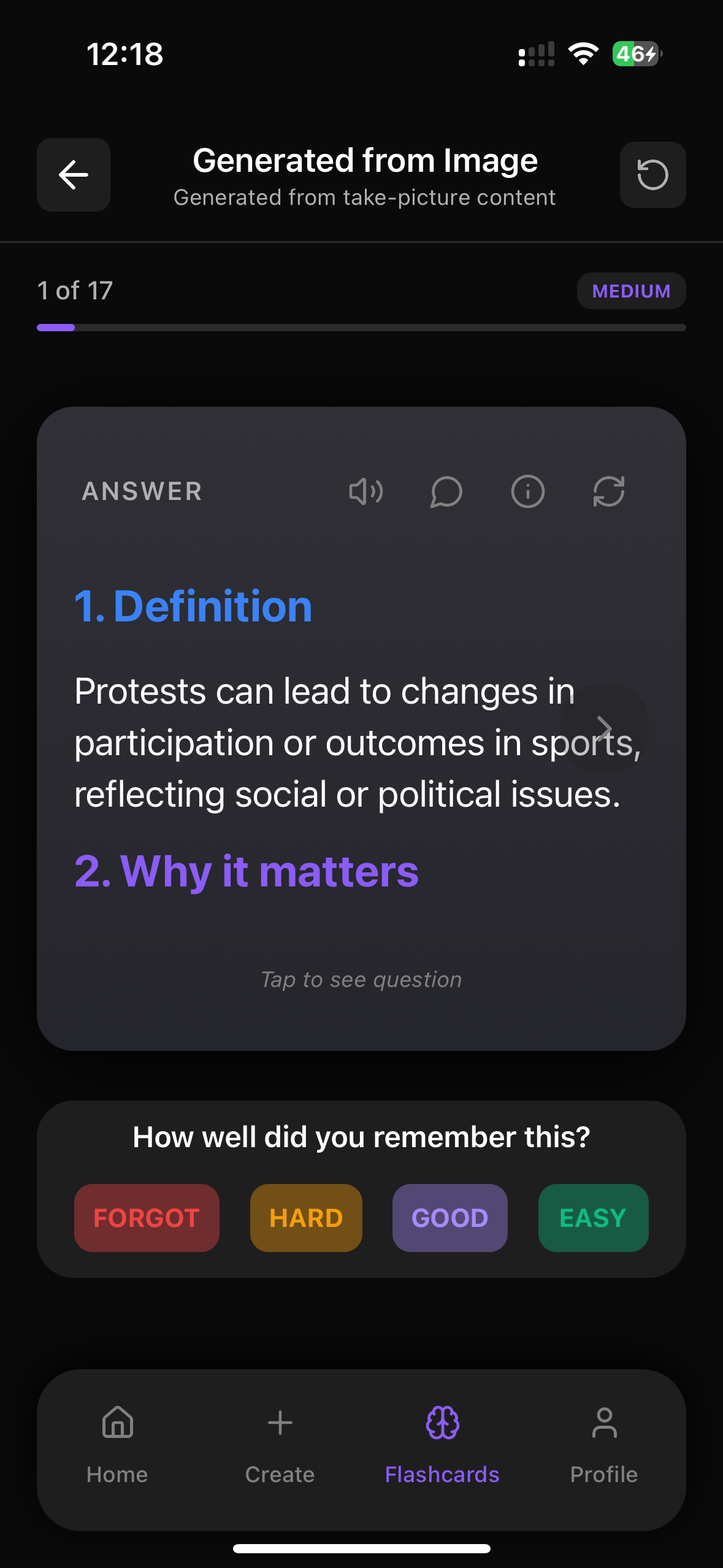
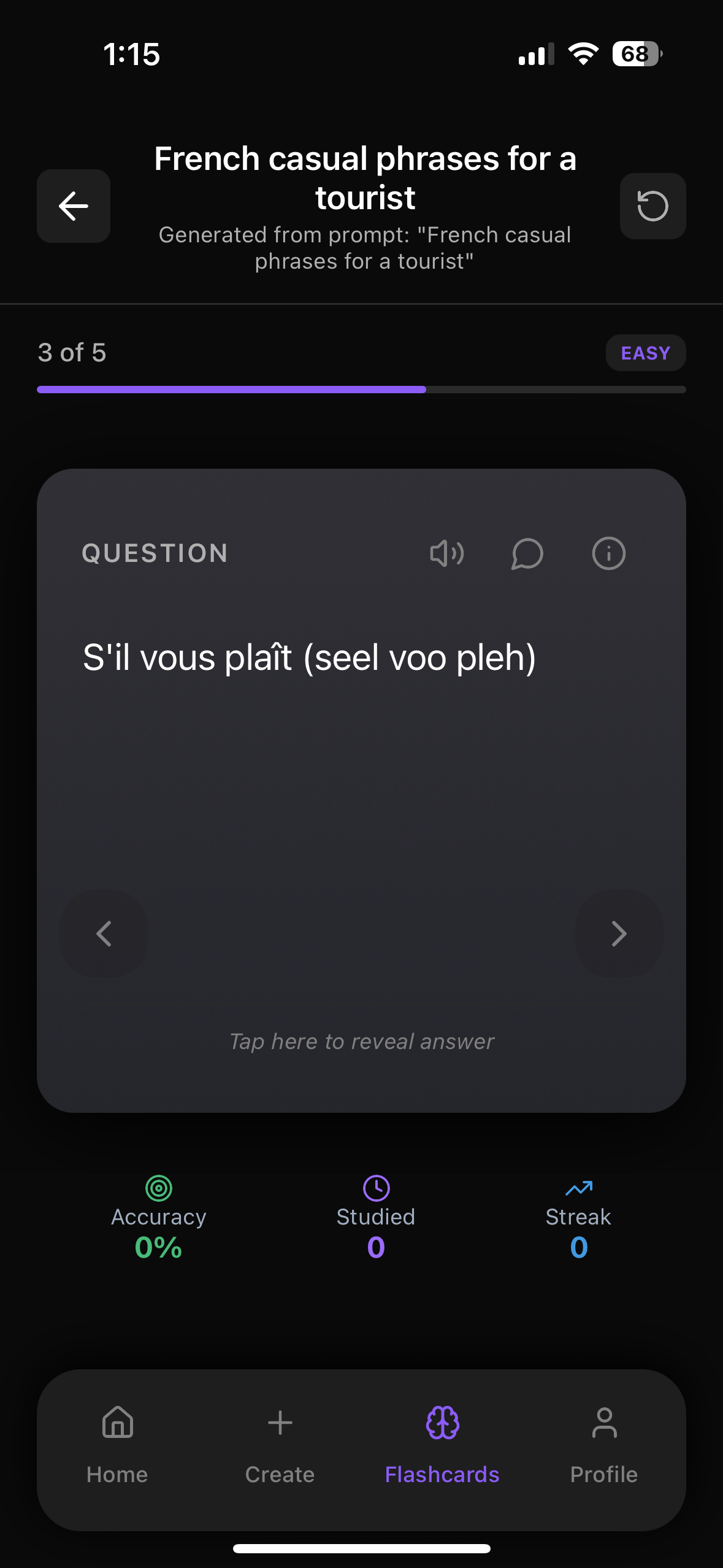
Hey there! Ever had one of those days where you're on the hunt for some printable phonics flashcards that are totally free? Trust me, I’ve been there. It might seem like a big deal, but really, they're a breeze to use. Just hit print, and boom—you’ve got a stash ready to go whenever you need them. Perfect for at home, school, or even those dreaded group study sessions. And here’s a little tip: pair them up with Flashrecall, and you’re onto something awesome. It’s this cool digital tool that spices up your cards with spaced repetition and keeps track of your progress. Plus, you can scan your cards right into the app! So, if you're ready to level up your phon
You download a PDF, print 12 pages, cut them out, lose half of them under the couch, and your kid uses the rest as pretend money.
Instead of living in printer purgatory, you can turn any printable phonics resource into smart, digital flashcards that:
- Remind you when to review
- Use spaced repetition so your kid actually remembers
- Work on iPhone and iPad
- Don’t get crumpled, lost, or drawn on
That’s exactly where Flashrecall comes in:
👉 https://apps.apple.com/us/app/flashrecall-study-flashcards/id6746757085
You can still use free printable phonics cards – but Flashrecall turns them into a powerful learning system.
Let’s break it down.
Step 1: Yes, Use Free Printable Phonics Flashcards (But Don’t Stop There)
Free phonics flashcards are great for:
- Teaching letter sounds (a, b, c…)
- Blends like “sh”, “ch”, “th”
- CVC words like cat, dog, sun
- Digraphs and vowel teams like “ee”, “ai”, “oa”
You’ll find tons of these online as PDFs:
- Alphabet cards with pictures (A – apple, B – ball)
- Word + picture cards (dog + picture of dog)
- Sound-only cards (just “sh”, “ch”, etc.)
These are perfect starting points.
Printed cards don’t:
- Adapt to what your child remembers vs forgets
- Remind you when to review
- Track progress
- Survive juice spills or crayon attacks
That’s where combining printables + Flashrecall is a game changer.
Step 2: Turn Printable Phonics Cards Into Smart Digital Cards
Here’s the fun part: you can take any printable phonics PDF and turn it into flashcards in seconds with Flashrecall.
Flashrecall lets you make flashcards instantly from:
- Images (photos of your printed cards or worksheets)
- PDFs (upload the phonics PDF directly)
- Text (paste word lists or sound lists)
- YouTube links (phonics songs, reading videos)
- Typed prompts (e.g. “Create phonics cards for short a words”)
So if you’ve got:
- A printable alphabet PDF
- A CVC word list
- A phonics worksheet you love
You can just upload it into Flashrecall and let the app pull out the key info into flashcards.
👉 Get it here: https://apps.apple.com/us/app/flashrecall-study-flashcards/id6746757085
No more cutting, laminating, and losing half the deck.
Step 3: Use These 7 Powerful Phonics Flashcard Ideas
Here are some practical, ready-to-use ideas you can do with free printables + Flashrecall.
1. Letter Sound Cards (The Foundation)
Take any alphabet printable (A–Z with pictures).
In Flashrecall, create cards like:
- Front: “What sound does this letter make? A”
- Front: “Say the sound: M”
You can even add the picture from your printable to the card image so your kid sees A + apple together.
2. CVC Word Reading (Cat, Dog, Sun…)
Use a free CVC word printable or word list.
Turn them into cards like:
- Front: “Read this word: c a t”
- Front: “Read this word: s u n”
You can:
- Add audio of you reading the word
- Add a picture from your printable or from the internet
- Let your child record themselves reading (great for practice)
3. Sound-to-Word Matching
This is where it gets more fun.
Create cards like:
- Front: “Which word has the /sh/ sound?” (show picture of “ship” and “cat”)
Or:
- Front: “Find the /ch/ word” (chip, man, log)
You can build these using:
- Screenshots from printable worksheets
- Your own photos of printed pages
- Or just simple text lists in Flashrecall
4. Tricky Digraphs and Blends
Use free printables for:
- sh, ch, th, wh
- bl, cl, st, tr, dr
Make cards like:
- Front: “What sound does ‘sh’ make?”
- Front: “Read this: sh-i-p”
This is where spaced repetition in Flashrecall really helps.
Flashrecall automatically keeps track and reminds you of the cards you don't remember well so you remember faster. Like this :
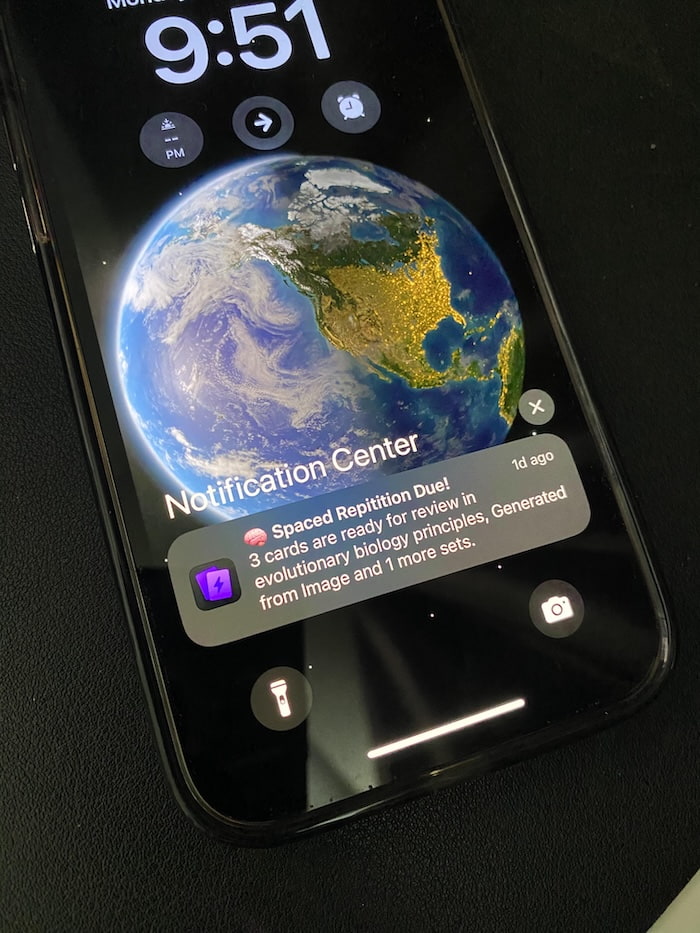
If your child keeps forgetting “th”, Flashrecall will show those cards more often automatically.
5. Picture-Only Cards (No Text)
For younger kids, you can do:
- Front: picture of a cat
- Front: picture of a sun
Just snap a photo of your printed picture cards, import into Flashrecall, and add the word + sounds on the back.
6. “Tap to Reveal the Sound” Cards
Make it feel like a game:
- Front: “Tap to see what sound ‘oa’ makes”
- Front: “Tap to see what sound ‘ee’ makes”
You can pull these from any phonics sound chart printable and turn each one into a card.
7. Sentence-Level Practice
Once they’re getting more confident, use free printable sentences or early readers.
Create cards like:
- Front: “Read this sentence: The cat sat on the mat.”
- Front: “Find the word with ‘sh’ in this sentence: She has a red fish.”
You can build these by:
- Copy-pasting text
- Uploading a PDF reader page
- Taking a photo of a book page
Why Digital Phonics Flashcards Beat Only Printable Ones
Printable phonics flashcards are awesome… for about 3 days.
Then life happens.
Here’s what digital + Flashrecall fixes:
1. Built-In Spaced Repetition (So They Don’t Forget)
Flashrecall has spaced repetition built in.
That means:
- Cards they know well show up less often
- Cards they struggle with show up more often
- The app automatically schedules reviews
You don’t have to remember which sounds to review when.
You just open the app, and it tells you: “Time to review these cards today.”
2. Active Recall Is Built In
Flashcards work best when the brain has to pull the answer out, not just see it.
Flashrecall is designed around active recall:
- You see the front
- You think / say the answer
- Then you tap to reveal
Perfect for:
- “What sound does this make?”
- “Read this word.”
- “Which letter makes this sound?”
3. Study Reminders (Because Parents Are Busy)
You can set study reminders in Flashrecall so you and your kid actually remember to practice.
Example:
- 5 minutes after dinner
- 10 minutes before bed
- On the way to school
Short, consistent practice beats huge, rare sessions every time.
4. Works Offline (Car, Plane, Waiting Rooms)
Flashrecall works offline, so:
- You can review phonics in the car
- Use it on a plane without Wi‑Fi
- Keep a restless kid busy in a waiting room
No internet? No problem.
5. You Can Chat With the Flashcard (Super Cool)
If you or your kid are stuck, Flashrecall lets you chat with the flashcard.
For example:
- Card: “What sound does ‘ph’ make?”
- You: “Give me more examples of words with ‘ph’.”
- Flashrecall: “phone, photo, elephant, alphabet…”
It’s like having a built-in tutor inside each card.
6. Works for Every Level and Subject
You might start with phonics, but you can keep using Flashrecall for:
- Early reading
- Spelling
- Vocabulary
- Languages
- School subjects
- Exams later on (yes, even university or medicine)
Same app, just different decks.
How to Get Started in 10 Minutes
Here’s a simple way to go from “I have printables” to “We have a working phonics system” fast.
Step 1: Grab Some Free Phonics Printables
Look for:
- Alphabet A–Z with pictures
- CVC word lists
- Digraphs (sh, ch, th, wh)
- Simple sentence printables
Save them as PDFs or print them if you already have them.
Step 2: Install Flashrecall
Download Flashrecall here (free to start):
👉 https://apps.apple.com/us/app/flashrecall-study-flashcards/id6746757085
It works on:
- iPhone
- iPad
Fast, modern, and easy to use.
Step 3: Import Your Phonics Material
Inside Flashrecall, you can:
- Upload a PDF of your phonics printables
- Take photos of printed cards or worksheets
- Paste text lists of words or sounds
Flashrecall will help you turn them into cards quickly, so you don’t have to type everything by hand.
You can also create cards manually if you want full control.
Step 4: Do Short, Fun Sessions
Aim for:
- 5–10 minutes per day
- Mix letters, sounds, and simple words
- Celebrate small wins (“You remembered ‘sh’ three times in a row!”)
Flashrecall’s spaced repetition + reminders will keep things on track without you needing a giant plan.
Printable + Digital = The Best of Both Worlds
You don’t have to choose between:
- Printable phonics flashcards (free, simple, tactile)
and
- Smart digital flashcards (organized, adaptive, always with you)
Use both.
- Print for hands-on games, matching, and table activities
- Use Flashrecall for daily review, progress, and long-term memory
If you’re already hunting for “phonics flashcards printable free,” you’ve done the hard part: you care about helping your kid read.
Now make those printables actually work for you instead of sitting in a folder.
Try turning just one phonics sheet into a Flashrecall deck today and see how much smoother practice feels.
👉 Download Flashrecall (free to start) and turn your phonics printables into powerful, smart flashcards:
https://apps.apple.com/us/app/flashrecall-study-flashcards/id6746757085
Frequently Asked Questions
What's the fastest way to create flashcards?
Manually typing cards works but takes time. Many students now use AI generators that turn notes into flashcards instantly. Flashrecall does this automatically from text, images, or PDFs.
Is there a free flashcard app?
Yes. Flashrecall is free and lets you create flashcards from images, text, prompts, audio, PDFs, and YouTube videos.
How do I start spaced repetition?
You can manually schedule your reviews, but most people use apps that automate this. Flashrecall uses built-in spaced repetition so you review cards at the perfect time.
Related Articles
- Phonics Flashcards Online: The Essential Guide To Helping Kids Read Faster With Fun, Interactive Practice
- Phonics Flashcards Printable: 7 Powerful Ways To Teach Reading Faster (Plus a Smarter Alternative) – Discover how to use printables and a free app combo to help kids actually remember sounds.
- Number Flashcards 1–20 With Pictures: 7 Powerful Tricks To Teach Kids Faster And Make Learning Fun – Simple ways to turn boring number drills into a game your kid actually asks to play.
Research References
The information in this article is based on peer-reviewed research and established studies in cognitive psychology and learning science.
Cepeda, N. J., Pashler, H., Vul, E., Wixted, J. T., & Rohrer, D. (2006). Distributed practice in verbal recall tasks: A review and quantitative synthesis. Psychological Bulletin, 132(3), 354-380
Meta-analysis showing spaced repetition significantly improves long-term retention compared to massed practice
Carpenter, S. K., Cepeda, N. J., Rohrer, D., Kang, S. H., & Pashler, H. (2012). Using spacing to enhance diverse forms of learning: Review of recent research and implications for instruction. Educational Psychology Review, 24(3), 369-378
Review showing spacing effects work across different types of learning materials and contexts
Kang, S. H. (2016). Spaced repetition promotes efficient and effective learning: Policy implications for instruction. Policy Insights from the Behavioral and Brain Sciences, 3(1), 12-19
Policy review advocating for spaced repetition in educational settings based on extensive research evidence
Karpicke, J. D., & Roediger, H. L. (2008). The critical importance of retrieval for learning. Science, 319(5865), 966-968
Research demonstrating that active recall (retrieval practice) is more effective than re-reading for long-term learning
Roediger, H. L., & Butler, A. C. (2011). The critical role of retrieval practice in long-term retention. Trends in Cognitive Sciences, 15(1), 20-27
Review of research showing retrieval practice (active recall) as one of the most effective learning strategies
Dunlosky, J., Rawson, K. A., Marsh, E. J., Nathan, M. J., & Willingham, D. T. (2013). Improving students' learning with effective learning techniques: Promising directions from cognitive and educational psychology. Psychological Science in the Public Interest, 14(1), 4-58
Comprehensive review ranking learning techniques, with practice testing and distributed practice rated as highly effective

FlashRecall Team
FlashRecall Development Team
The FlashRecall Team is a group of working professionals and developers who are passionate about making effective study methods more accessible to students. We believe that evidence-based learning tec...
Credentials & Qualifications
- •Software Development
- •Product Development
- •User Experience Design
Areas of Expertise
Ready to Transform Your Learning?
Start using FlashRecall today - the AI-powered flashcard app with spaced repetition and active recall.
Download on App Store