Pocket Speech Flashcards: The Best Way To Practice Speeches Anywhere (Most People Ignore This Trick)
Pocket speech flashcards break your talk into tiny hooks, points, and transitions so you remember the flow, ditch the script, and practice anywhere on your p...
How Flashrecall app helps you remember faster. It's free
What Are Pocket Speech Flashcards (And Why They’re So Helpful)?
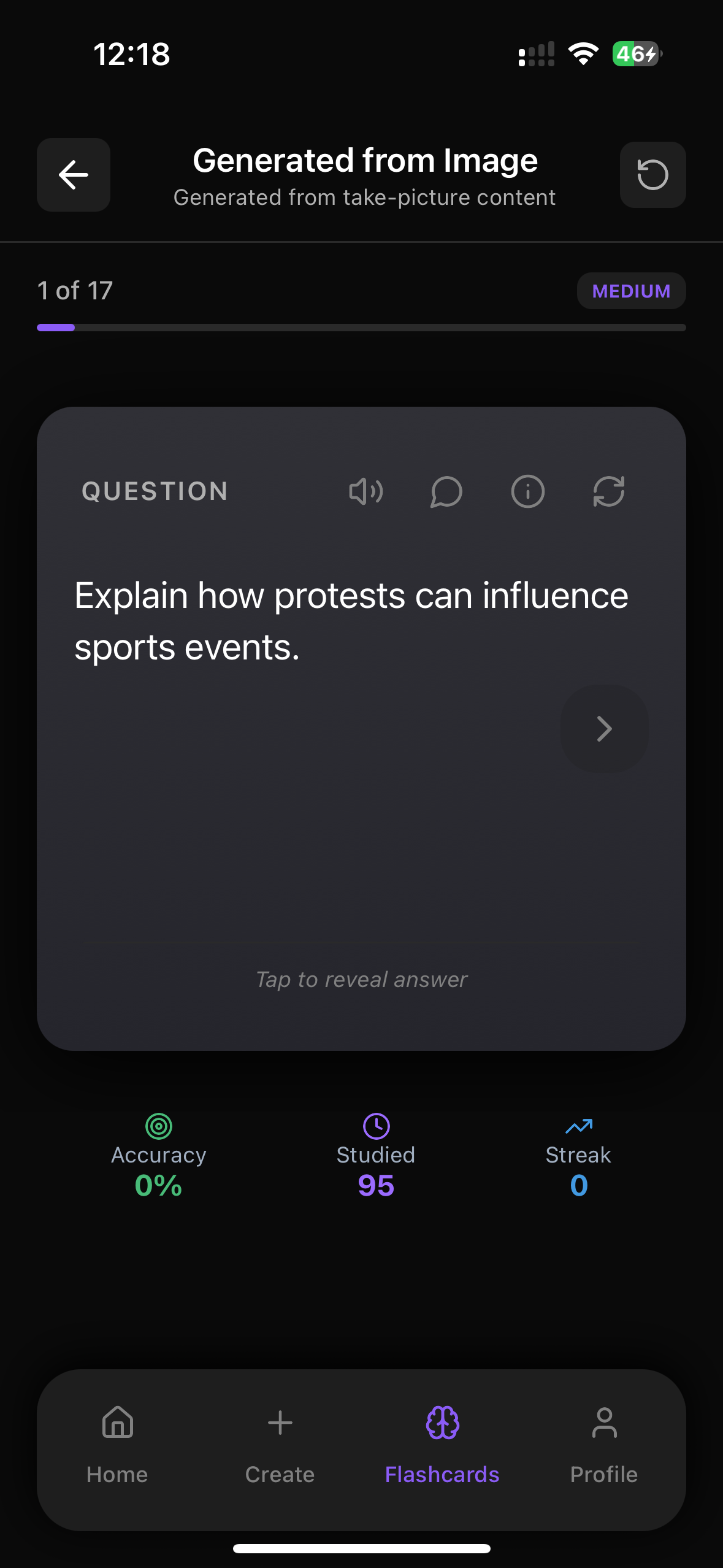
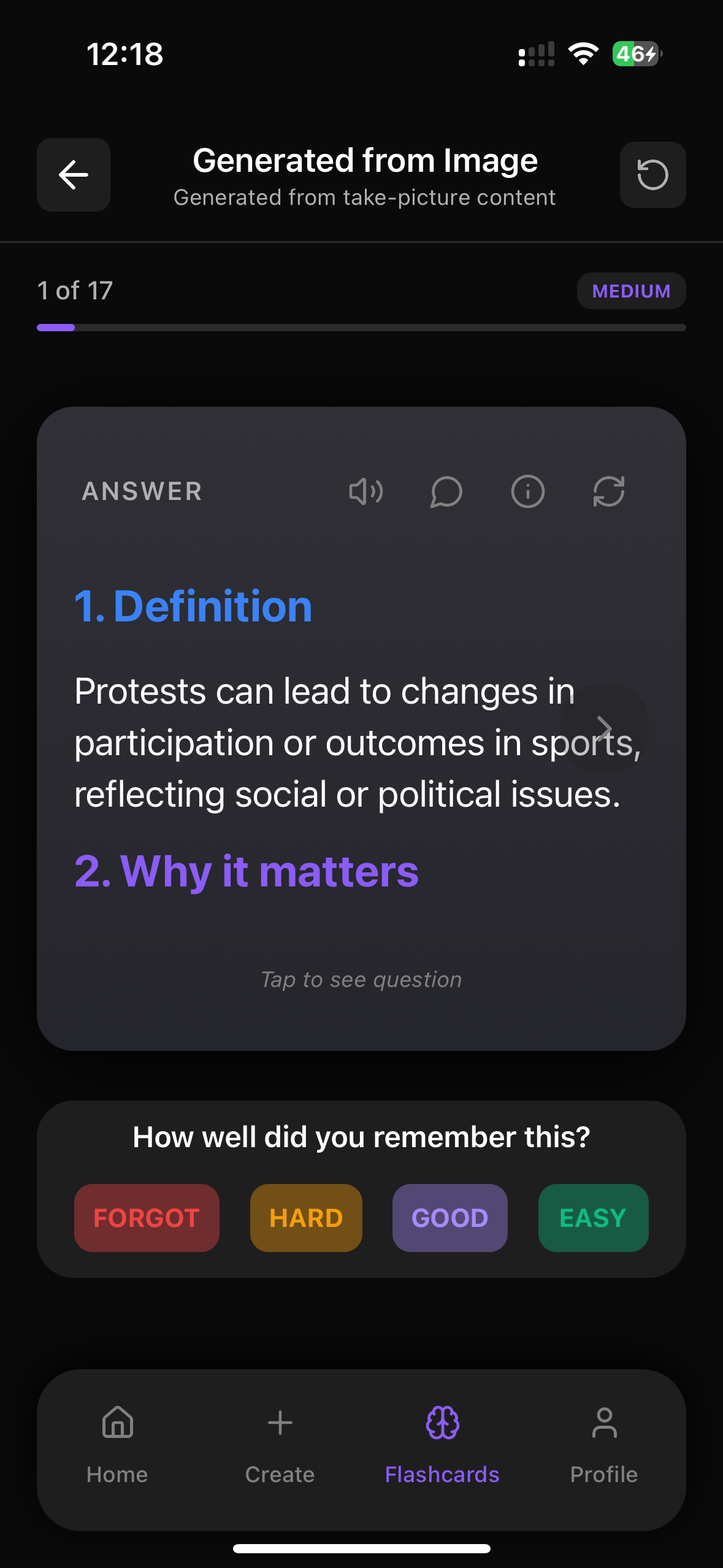
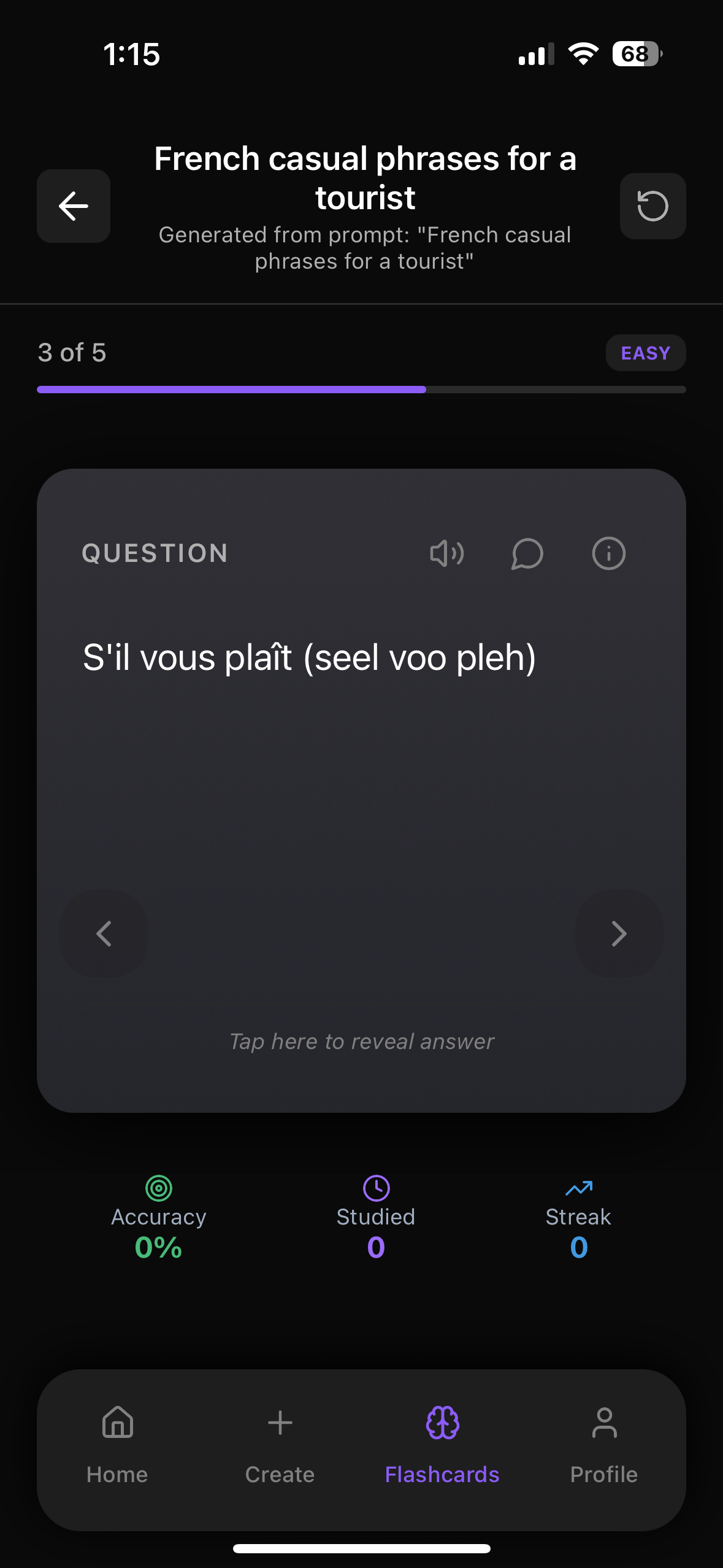
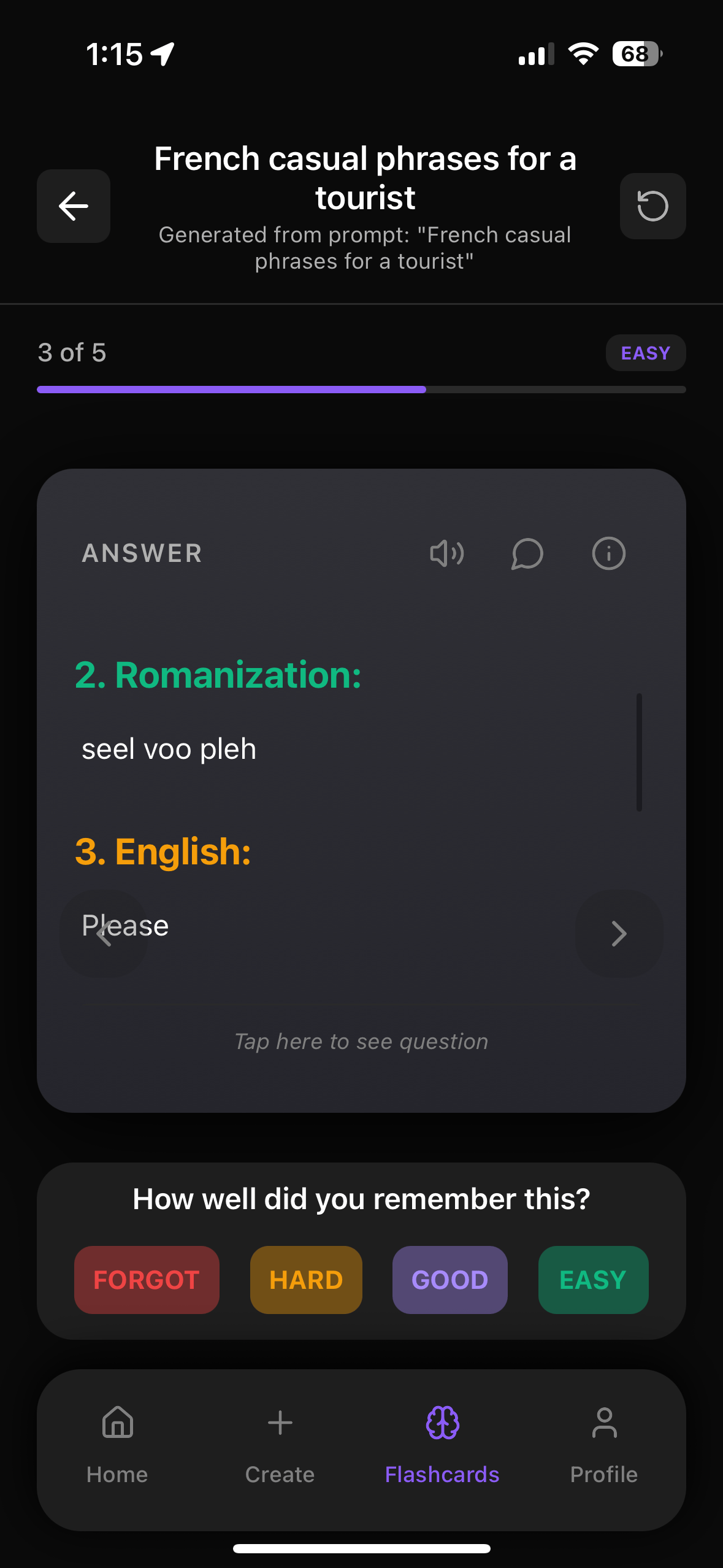
Alright, let’s talk about pocket speech flashcards: they’re just small, bite-sized cards (physical or digital) that break your speech into key points, hooks, transitions, and phrases you want to remember, so you can practice your talk anywhere without needing a full script. Instead of staring at a giant wall of text, you’re rehearsing from short prompts that keep you on track but still let you sound natural. This matters because the best speeches don’t sound memorized word-for-word — they sound like confident conversations guided by clear ideas. Apps like Flashrecall make pocket speech flashcards super easy by letting you turn your speech notes into smart digital cards you can review on your phone with spaced repetition.
Here’s the app if you want to try it while you read:
👉 https://apps.apple.com/us/app/flashrecall-study-flashcards/id6746757085
Why Pocket Speech Flashcards Work So Well
Pocket speech flashcards fix three big problems people have with speeches:
1. You forget what comes next
2. You sound like you’re reading a script
3. You only practice right before the speech
Flashcards flip that:
- You remember the flow because each card holds one clear idea.
- You sound natural because you’re speaking from prompts, not reading paragraphs.
- You can practice in short bursts throughout the day — on the bus, walking, waiting in line.
With Flashrecall, you don’t even need physical cards. Your “pocket” is literally your phone:
- Works on iPhone and iPad
- Works offline
- Fast, modern, and free to start
So your speech practice is always with you.
What To Put On Pocket Speech Flashcards For A Speech
Think of your speech like a movie, and your pocket speech flashcards are the storyboard. Here’s what to put on them.
1. Big Picture Cards
Start with a few high-level cards:
- Topic card
- Front: “Main topic / core message?”
- Back: One sentence: “I want them to walk away knowing that ______.”
- Audience card
- Front: “Who am I talking to?”
- Back: A quick note: “Nervous students / busy executives / classmates.”
- Goal card
- Front: “What do I want them to do/feel after?”
- Back: “Sign up / feel inspired / understand X / remember Y.”
This keeps you grounded every time you rehearse.
2. Structure Cards (Intro, Body, Conclusion)
Break your speech into sections:
- Intro hook card
- Front: “Hook: how am I opening?”
- Back: A short phrase: “Ask ‘Who here has…?’ + quick story from last week.”
- Body point cards (one per main idea)
- Front: “Point 1: Problem”
- Back: 3 bullets: problem, example, takeaway.
- Transition cards
- Front: “Transition from Point 1 → Point 2”
- Back: A simple phrase like, “That’s the problem — now here’s what we can actually do about it…”
- Conclusion card
- Front: “Final message / call to action”
- Back: “Repeat main idea + 1 memorable line.”
In Flashrecall, each of these becomes a flashcard. You can even make them from existing notes or slides:
- Paste your text
- Or snap a photo of your notes and let the app turn it into cards automatically
Example: Pocket Speech Flashcards For A Short Talk
Let’s say you’re giving a 5-minute speech on “Why Sleep Matters For Students.” Your pocket speech flashcards might look like:
- Card 1 – Core message
- Front: “If they remember ONE thing?”
- Back: “Sleep is the secret cheat code for grades, mood, and memory.”
- Card 2 – Hook
- Front: “Opening question?”
- Back: “Who here has pulled an all-nighter before an exam?”
- Card 3 – Problem
- Front: “What’s going wrong?”
- Back: “Students think more time awake = more productivity.”
- Card 4 – Science
- Front: “Key fact”
- Back: “Sleep helps move info from short-term to long-term memory.”
- Card 5 – Story
- Front: “Personal story?”
- Back: “The time I bombed an exam after cramming all night.”
- Card 6 – Tips
- Front: “3 simple fixes”
- Back: “Same sleep time, no phone 30 mins before, 20-min review then sleep.”
- Card 7 – Conclusion
- Front: “Final line”
- Back: “If you want better grades, don’t study more — sleep smarter.”
You don’t memorize these word-for-word. You look at the front, speak freely, and use the back as a safety net while you’re still learning.
How Flashrecall Makes Pocket Speech Flashcards Way Easier
You can use paper cards, but digital pocket speech flashcards in Flashrecall are way more flexible.
Here’s what makes it great for speech practice:
1. Make Cards Instantly From Almost Anything
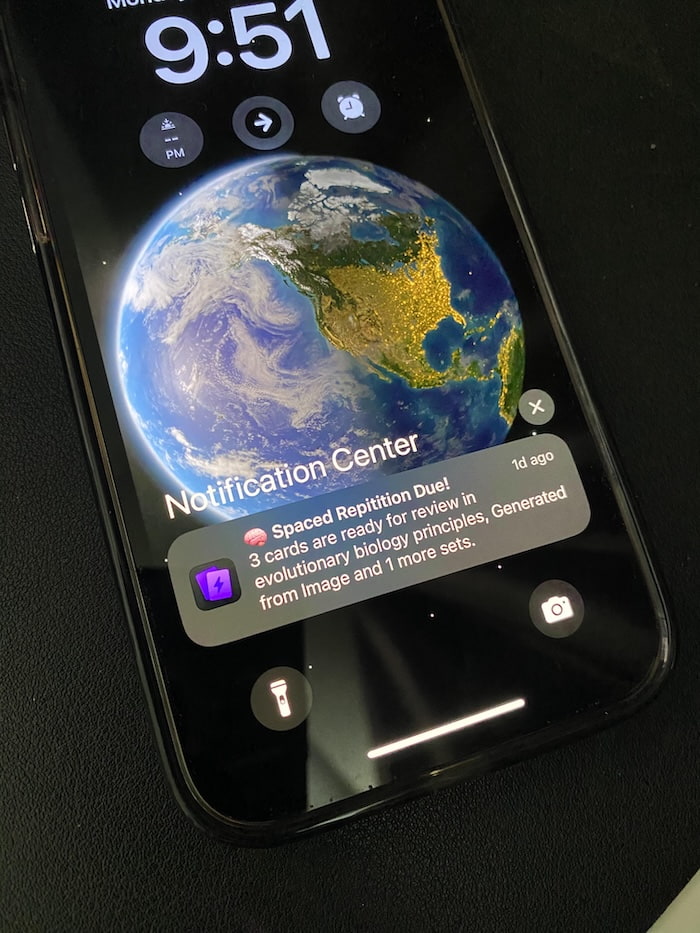
Flashrecall automatically keeps track and reminds you of the cards you don't remember well so you remember faster. Like this :
You don’t have to rewrite everything:
- Copy-paste your speech draft → turn key lines into cards
- Upload a PDF of your speech or slides
- Use a YouTube link of a talk you like and pull key ideas as cards
- Type prompts manually if you like building from scratch
- Even use audio or images if that helps you remember sections
Flashrecall supports:
- Images
- Text
- Audio
- PDFs
- YouTube links
- Typed prompts
So your speech notes become a study deck in minutes, not hours.
2. Built-In Spaced Repetition (So You Don’t Forget Your Speech)
The worst feeling: “I practiced so much yesterday… why can’t I remember today?”
Flashrecall uses spaced repetition with auto reminders, so:
- You see tricky cards more often
- You see easy cards less often
- You’re reminded exactly when to review, without planning anything
That means your speech stays fresh in your head for days or weeks before the big day, not just the night before.
3. Active Recall: Practice Like The Real Thing
Each time you see a card, you’re forced to:
- Look at the prompt: “Hook?” or “Transition to point 2?”
- Say it out loud (or in your head)
- Then flip the card to check yourself
That’s active recall — the same mental effort you’ll use on stage. You’re literally training the exact skill you need: pulling ideas out of your brain under pressure.
4. Chat With Your Flashcards If You’re Stuck
This is where it gets fun.
If you’re unsure about how to phrase something or want to improve a section, you can chat with the flashcard in Flashrecall:
- Ask: “Can you suggest a more engaging way to open this point?”
- Or: “Make this explanation simpler.”
- Or: “Turn this bullet list into a short story.”
It’s like having a tiny speech coach living inside your flashcard deck.
How To Build A Pocket Speech Flashcard Deck Step-By-Step
Here’s a simple workflow you can follow today:
Step 1: Write A Messy Draft
Don’t overthink it. Just dump your ideas into a doc or notes app:
- Intro idea
- 2–4 main points
- One story
- One conclusion line
Step 2: Highlight Key Prompts
Go through your draft and highlight:
- Hooks
- Main points
- Transitions
- Key stats
- Phrases you really want to say
Each of these becomes one flashcard.
Step 3: Create Your Deck In Flashrecall
Open Flashrecall on your iPhone or iPad:
👉 https://apps.apple.com/us/app/flashrecall-study-flashcards/id6746757085
- Make a new deck: “Speech – Sleep Talk”
- Add cards:
- Front: short prompt (“Hook question”)
- Back: your planned line or bullet points
Or just paste your whole draft and split it into cards as you go.
Step 4: Practice In Tiny Sessions
Because the app works offline, you can practice literally anywhere:
- On the train
- Walking to class
- Before bed
- In the bathroom (no judgment)
Aim for:
- 5–10 minutes, 1–2 times per day
- Say the answers out loud if you can
- Mark cards as “easy” or “hard” so spaced repetition can adjust
Step 5: Refine As You Go
As you rehearse:
- Delete cards that feel useless
- Add new ones when you find better phrases
- Add “delivery” cards:
- Front: “Body language reminder”
- Back: “Pause after main point, eye contact, slow down.”
Your pocket speech flashcards evolve with your speech.
Using Pocket Speech Flashcards For Different Situations
These work for way more than just formal speeches.
Class Presentations
- Cards for each slide
- Cards for definitions you don’t want to mess up
- One card for “Don’t talk too fast. Breathe.”
Work Meetings Or Pitches
- Cards for key numbers or metrics
- Cards for objections you expect and how you’ll respond
- Closing line card: “What I’m asking for today is…”
Job Interviews
- Cards for:
- “Tell me about yourself”
- “Strengths / weaknesses”
- “Story: big challenge I solved”
- Practicing from prompts helps you sound confident but not robotic.
Flashrecall is great for all of this — not just speeches, but:
- Languages
- Exams
- School subjects
- University courses
- Medicine
- Business topics
Pretty much anything you need to remember and explain clearly.
Why Pocket Speech Flashcards Beat Memorizing A Script
To wrap this up, here’s the big comparison:
- Sounds stiff
- Easy to panic if you forget one line
- Hard to adapt to the audience
- You remember ideas, not exact sentences
- You sound natural and flexible
- If you blank, you just move to the next card in your mental deck
And with an app like Flashrecall, your “pocket” is always with you, your practice is scheduled automatically, and you can build and tweak your deck in minutes.
If you’re serious about sounding confident when you speak — in class, at work, or on stage — build a set of pocket speech flashcards and practice them for a week.
You’ll be surprised how quickly your speech starts to feel smooth, natural, and actually fun to deliver.
Frequently Asked Questions
What's the fastest way to create flashcards?
Manually typing cards works but takes time. Many students now use AI generators that turn notes into flashcards instantly. Flashrecall does this automatically from text, images, or PDFs.
Is there a free flashcard app?
Yes. Flashrecall is free and lets you create flashcards from images, text, prompts, audio, PDFs, and YouTube videos.
How do I start spaced repetition?
You can manually schedule your reviews, but most people use apps that automate this. Flashrecall uses built-in spaced repetition so you review cards at the perfect time.
Related Articles
- Big Small Flashcards: 7 Powerful Ways To Teach Opposites And Boost Memory Fast – Most People Waste Paper, Try This Smarter Digital Trick Instead
- Community Signs Flashcards: The Essential Way To Teach Real-World Safety (Most Parents Skip This Step) – Learn Faster With Smart Digital Cards
- Speech Flashcards: 7 Powerful Ways To Practice Speaking And Remember Your Scripts Faster – Stop Freezing Mid‑Speech And Start Sounding Confident Every Time
Research References
The information in this article is based on peer-reviewed research and established studies in cognitive psychology and learning science.
Cepeda, N. J., Pashler, H., Vul, E., Wixted, J. T., & Rohrer, D. (2006). Distributed practice in verbal recall tasks: A review and quantitative synthesis. Psychological Bulletin, 132(3), 354-380
Meta-analysis showing spaced repetition significantly improves long-term retention compared to massed practice
Carpenter, S. K., Cepeda, N. J., Rohrer, D., Kang, S. H., & Pashler, H. (2012). Using spacing to enhance diverse forms of learning: Review of recent research and implications for instruction. Educational Psychology Review, 24(3), 369-378
Review showing spacing effects work across different types of learning materials and contexts
Kang, S. H. (2016). Spaced repetition promotes efficient and effective learning: Policy implications for instruction. Policy Insights from the Behavioral and Brain Sciences, 3(1), 12-19
Policy review advocating for spaced repetition in educational settings based on extensive research evidence
Karpicke, J. D., & Roediger, H. L. (2008). The critical importance of retrieval for learning. Science, 319(5865), 966-968
Research demonstrating that active recall (retrieval practice) is more effective than re-reading for long-term learning
Roediger, H. L., & Butler, A. C. (2011). The critical role of retrieval practice in long-term retention. Trends in Cognitive Sciences, 15(1), 20-27
Review of research showing retrieval practice (active recall) as one of the most effective learning strategies
Dunlosky, J., Rawson, K. A., Marsh, E. J., Nathan, M. J., & Willingham, D. T. (2013). Improving students' learning with effective learning techniques: Promising directions from cognitive and educational psychology. Psychological Science in the Public Interest, 14(1), 4-58
Comprehensive review ranking learning techniques, with practice testing and distributed practice rated as highly effective

FlashRecall Team
FlashRecall Development Team
The FlashRecall Team is a group of working professionals and developers who are passionate about making effective study methods more accessible to students. We believe that evidence-based learning tec...
Credentials & Qualifications
- •Software Development
- •Product Development
- •User Experience Design
Areas of Expertise
Ready to Transform Your Learning?
Start using FlashRecall today - the AI-powered flashcard app with spaced repetition and active recall.
Download on App Store