Sight Word Cards For Kids: The Powerful Guide
Sight word cards for kids turn learning into a game with bright colors and images. Use the Flashrecall app to create custom cards and boost reading skills.
How Flashrecall app helps you remember faster. It's free
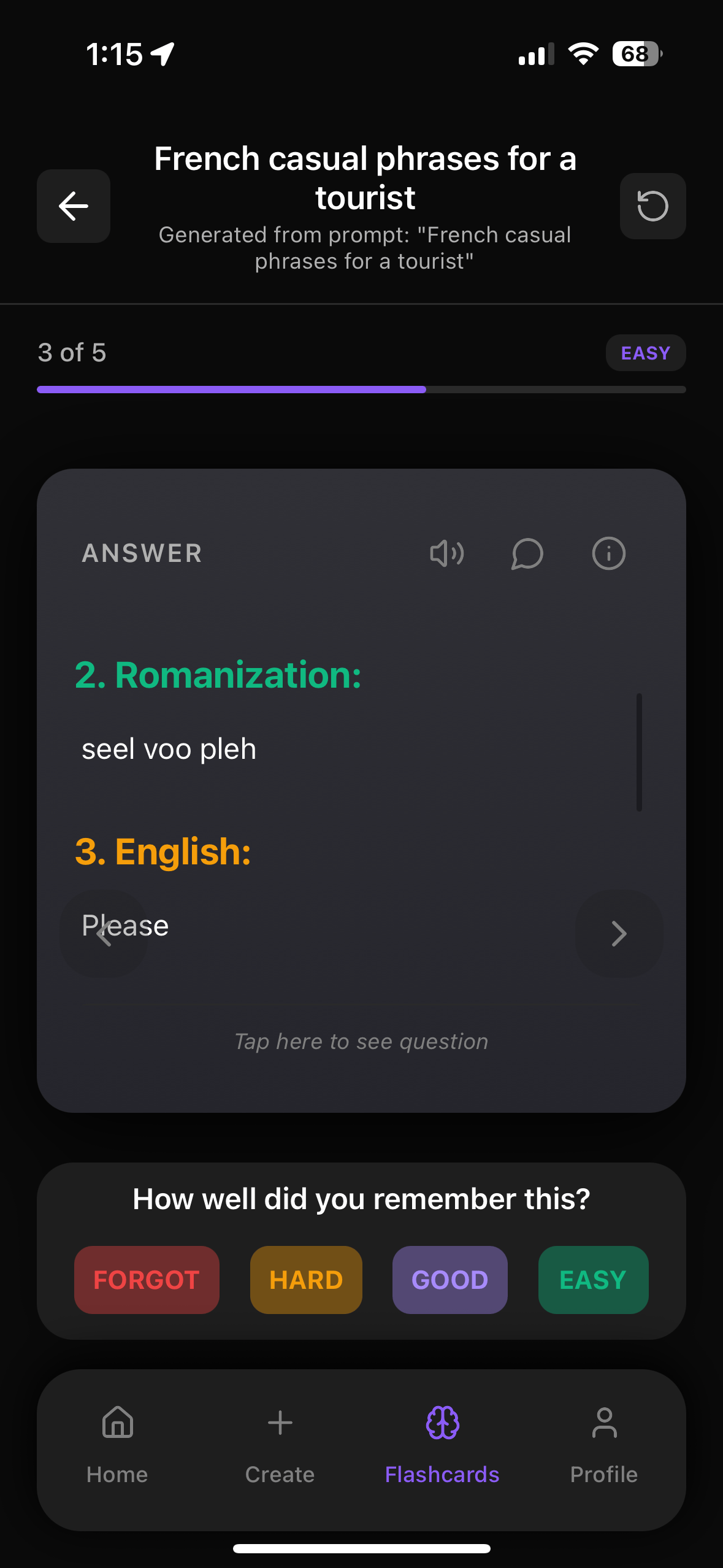
Why Sight Word Cards Matter (And Why Most Kids Find Them Boring)
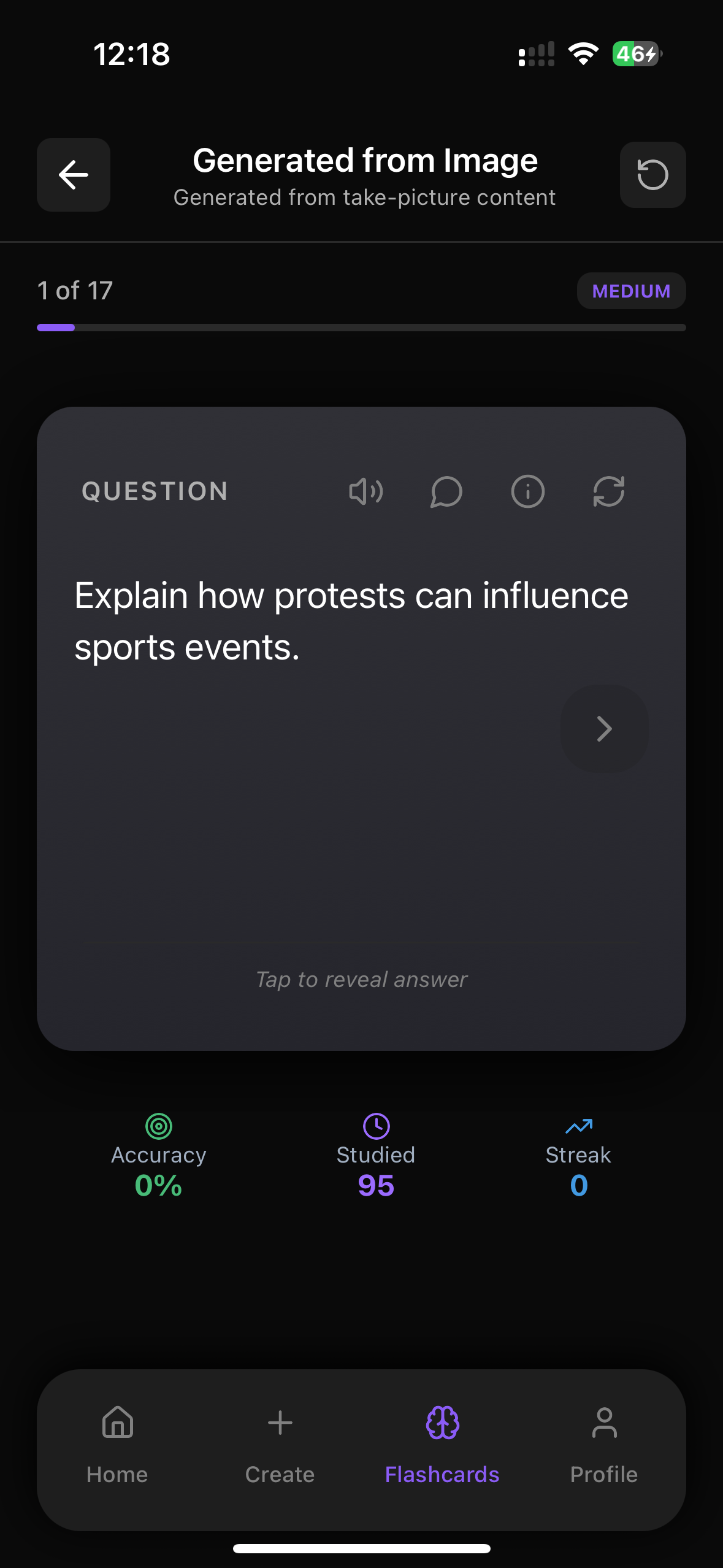
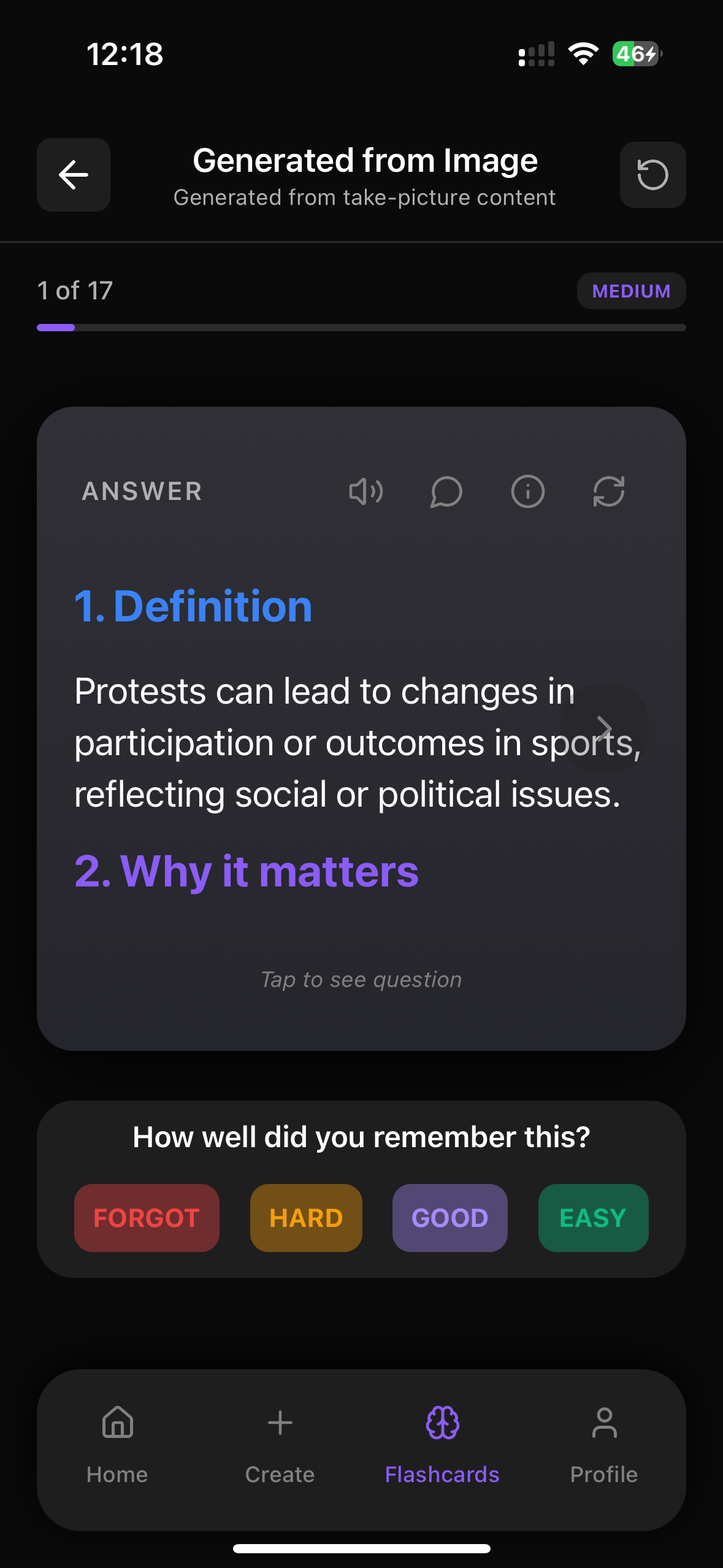
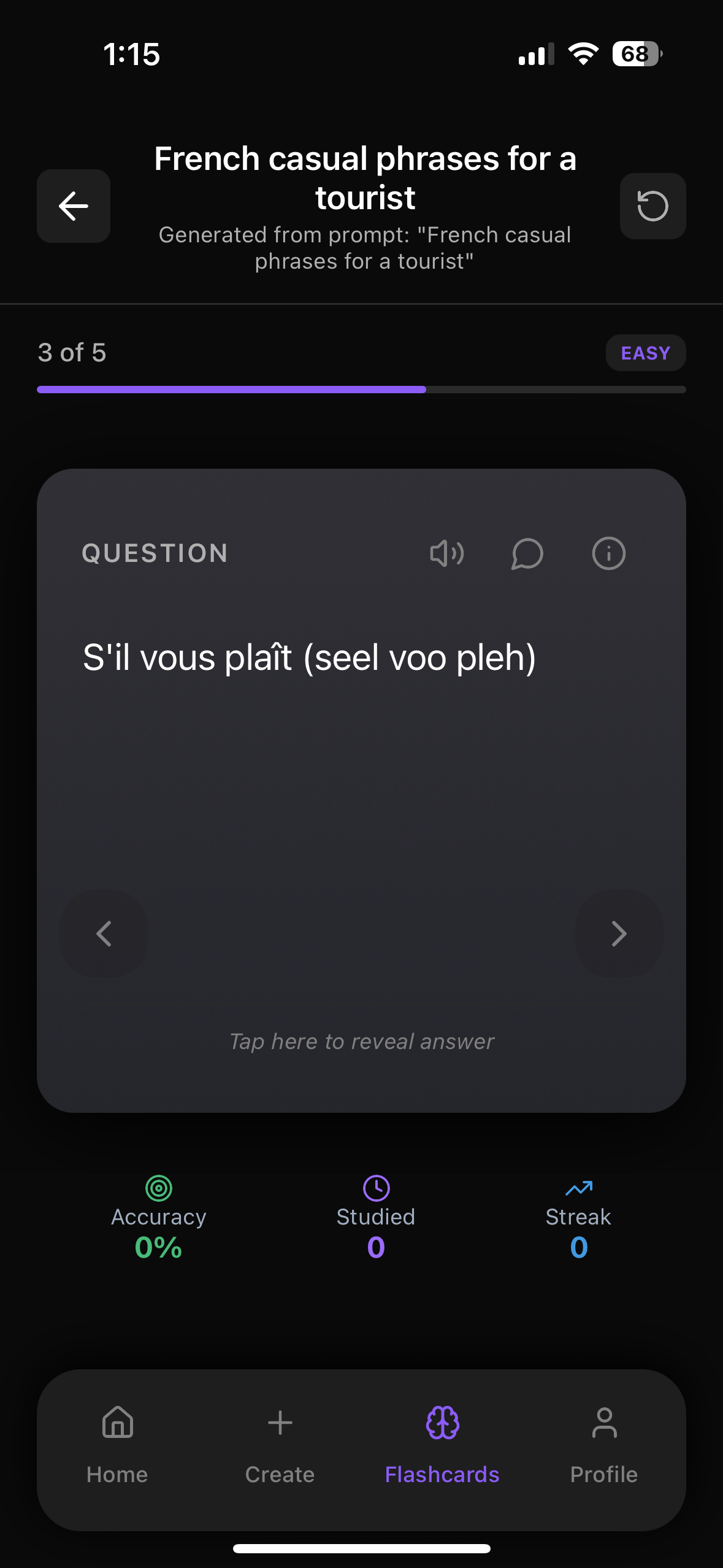
So, sight word cards for kids might sound a bit like educational magic, right? Honestly, they're a super fun way to help kids soak up new words without even realizing they're learning. Using bright colors and playful images, these cards make learning feel like a game rather than a chore. And here's where Flashrecall comes into the picture. It's this neat app that lets you whip up custom flashcards using photos, drawings, or text—whatever your kids find fun! Plus, the app does this smart thing called spaced repetition, which just means it shows the cards to your kid at just the right time to keep the info fresh without them feeling swamped. Trust me, if you're keen on making learning sight words a breeze and maybe even a little fun, you'll want to check out their whole guide on making those tricky words stick like glue!
If you're looking for information about sight word cards: 7 powerful tricks to help kids read faster (without boring drills) – turn sight words into a fun game your kid actually wants to play., read our complete guide to sight word cards.
- Lost
- Bent
- Forgotten in a drawer
- Used for 2 days and then never again
That’s where using a smart flashcard app like Flashrecall changes everything. It basically turns sight word cards into a personalized reading coach on your kid’s iPad or iPhone.
👉 Try it here: https://apps.apple.com/us/app/flashrecall-study-flashcards/id6746757085
Why Use Digital Sight Word Cards Instead Of Just Paper?
You can totally use paper cards, but digital sight word cards have some big advantages, especially with an app built for memory like Flashrecall:
- Automatic spaced repetition – Flashrecall shows harder words more often and easy ones less often, so your kid doesn’t waste time.
- Study reminders – You get gentle nudges to review, so you don’t forget about practice for a week.
- Multiple ways to create cards – Type, take a photo of a worksheet, upload a PDF, or use text from a website.
- Works offline – Perfect for car rides, waiting rooms, or when Wi‑Fi is trash.
- Free to start – You can test it without committing to anything.
For sight words, spaced repetition is gold. Kids forget fast if they don’t see a word regularly, and Flashrecall basically handles the scheduling for you.
Step 1: Pick The Right Sight Words (Don’t Add Everything At Once)
You don’t need to dump 200 words into your kid’s brain in one week.
Start with:
- Dolch sight words (Pre‑Primer, Primer, etc.)
- or Fry sight words (first 100, 200, 300)
Choose:
- 10–20 words for very young kids (Pre‑K, K)
- 20–30 words for early readers (K–1st)
- 30–40 words for stronger readers (1st–2nd)
You can:
- Type them directly into Flashrecall
- Or take a photo of a printed list, and let Flashrecall turn that into flashcards in seconds
Yup, you don’t have to manually type every single card if you don’t want to.
Step 2: How To Set Up Effective Sight Word Cards In Flashrecall
Here’s a simple way to structure each card so it actually helps:
Option A: Basic Word Recognition Card
- Front: `said`
- Back:
- “said”
- Example sentence: She said yes.
You show your kid the word, they try to read it, then flip and check.
Option B: Add A Sentence Or Picture
Kids remember better with context:
- Front: `the`
- Back:
- “the”
- Picture of a cat with caption: the cat
In Flashrecall you can:
- Add pictures to cards
- Add example sentences
- Even use audio so the word is spoken out loud
You can also quickly create cards from:
- Text (copy‑paste from a word list)
- PDFs (school handouts)
- Images (snap a photo of a worksheet or book page)
- YouTube links (e.g., sight word videos — turn key words into flashcards)
Flashrecall basically does the heavy lifting so you can spend more time actually reading with your kid instead of formatting cards.
Step 3: Use Active Recall (Not Just Tapping Through Cards)
The magic isn’t in “seeing” the word. It’s in trying to remember it before seeing the answer.
Flashrecall is built around active recall, which just means:
1. The app shows the word.
2. Your kid reads it out loud (or tries).
3. You tap to reveal the answer.
4. You (or your kid) mark whether it was:
- Easy
- Medium
- Hard
Flashrecall then adjusts how often it shows that card based on their answer. Hard words come back more often; easy ones get spaced out.
This is way more effective than just flipping through a stack of paper cards randomly.
Step 4: Use Spaced Repetition To Make Words Stick (Automatically)
Kids forget fast if they learn a word once and never see it again.
Flashrecall automatically keeps track and reminds you of the cards you don't remember well so you remember faster. Like this :
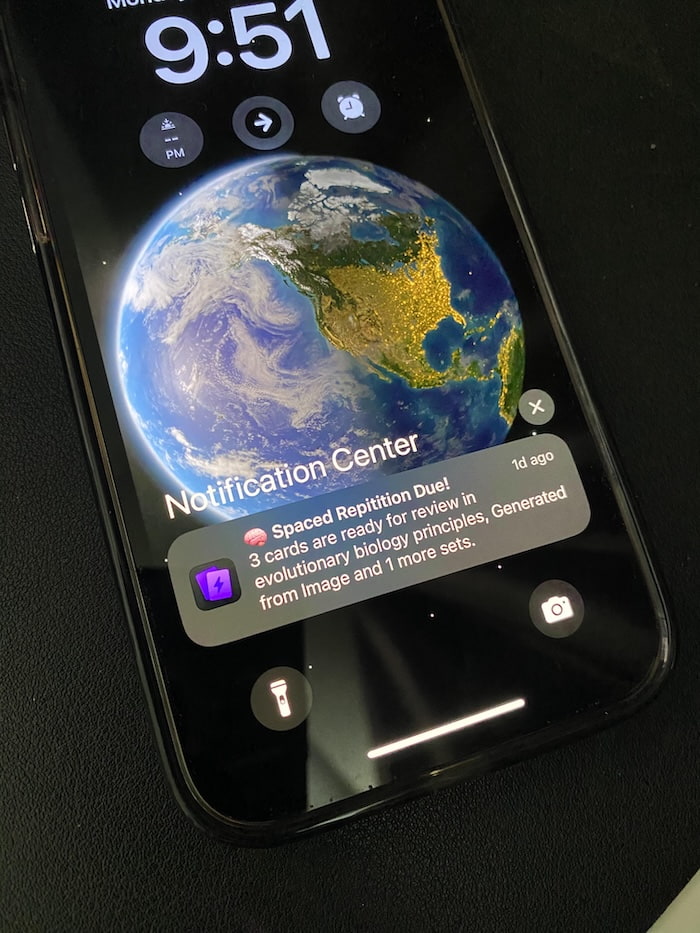
Flashrecall has built‑in spaced repetition with auto reminders, so you don’t have to:
- Remember what to review
- Track which words they struggled with
- Plan a schedule
The app does it all:
- Shows new words a lot at first
- Spreads reviews out over days and weeks
- Brings back tricky words more often
So instead of cramming 50 sight words on Sunday and forgetting them by Wednesday, your kid reviews a tiny amount daily, which is how memory actually works.
Step 5: Make It Fun (So Your Kid Doesn’t Hate Sight Words)
A few ideas to make sight word practice feel less like homework:
1. Keep Sessions Short
- 5–10 minutes a day is enough for little kids
- Stop before they’re tired or cranky
- Flashrecall sessions are easy to squeeze in: car rides, waiting rooms, after dinner
2. Turn It Into A Game
You can:
- Give a sticker or tiny reward for finishing a review session
- Keep a “streak” chart on the fridge (days in a row they practiced)
- Race: “Let’s see how many words you can read in 2 minutes!”
Since Flashrecall is fast, modern, and easy to use, it feels more like a mini‑game than old‑school flashcards.
3. Let Them Tap And Control The App
Kids love pressing buttons. Let them:
- Tap to flip the card
- Choose “Easy / Hard” themselves (with your help)
- Swipe to move to the next word
They feel more in charge, which usually means less resistance.
Step 6: Mix Sight Words With Real Reading
Sight word cards are great, but they’re even better when you use the words in real books.
Here’s how to connect them:
1. Do a quick 5‑minute session in Flashrecall.
2. Then read a short book together.
3. Ask your kid to spot words they just practiced.
You can even create special decks in Flashrecall like:
- “Words from Green Eggs and Ham”
- “Words from tonight’s reading”
Just snap a photo of a page, pull out the key words, and boom — instant personalized sight word cards.
Step 7: Use “Chat With The Flashcard” When They’re Confused
One of the coolest Flashrecall features:
You can chat with the flashcard.
If your kid keeps mixing up words like where and were, you can:
- Open that card in Flashrecall
- Ask questions like:
- “Give me a simple sentence using ‘where’ for a 6‑year‑old.”
- “Explain the difference between ‘where’ and ‘were’ in kid‑friendly language.”
Flashrecall will help you come up with explanations and examples on the spot, so you’re not stuck trying to invent them when your brain is tired.
This is also super handy if English isn’t your first language, or you just want extra help explaining tricky words.
Example: A Simple Sight Word Deck For A 5‑Year‑Old
Let’s say you’re working with a kindergartener.
You could start a deck in Flashrecall called:
> “Kindergarten Sight Words – Set 1”
Add words like:
- the
- and
- is
- you
- said
- to
- we
- can
- go
- like
Each card:
- Front: the
- Back:
- “the”
- Example: the dog (with a picture if you want)
Then:
- Do 5–10 minutes a day
- Let Flashrecall’s spaced repetition handle what to review
- Watch as more and more of those words become instant for your kid
Why Flashrecall Works So Well For Sight Word Cards
Let’s connect it all:
- ✅ Creating cards fast (from text, images, PDFs, YouTube, or manual entry)
- ✅ Showing the right words at the right time (spaced repetition)
- ✅ Making sure you don’t forget to practice (study reminders)
- ✅ Letting your kid practice anywhere (works offline on iPhone and iPad)
- ✅ Explaining tricky words with extra examples (chat with the flashcard)
- ✅ Handling any subject: sight words, phonics, spelling, vocab, languages, exams later on
It’s not just a “flashcard app” — it’s more like a smart memory coach for your kid (and honestly, for you too).
You can grab it here and start building your first sight word deck in a few minutes:
👉 https://apps.apple.com/us/app/flashrecall-study-flashcards/id6746757085
Quick Starter Plan (You Can Use This Today)
If you want something super simple to follow:
1. Download Flashrecall on your iPhone or iPad.
2. Create one deck: “Sight Words – Week 1”.
3. Add 10–20 words (type them or snap a photo of a list).
4. Do 5–10 minutes daily with your kid.
5. Let Flashrecall’s spaced repetition + reminders keep you on track.
6. After a week, move mastered words to a “Learned” deck and add new ones.
That’s it. No fancy system. Just consistent, smart practice.
If sight words have been a struggle (or you’ve got a pile of paper cards gathering dust), try turning them into digital sight word cards with Flashrecall. It keeps things organized, fun, and actually effective — so your kid can start reading with way more confidence.
Frequently Asked Questions
What's the fastest way to create flashcards?
Manually typing cards works but takes time. Many students now use AI generators that turn notes into flashcards instantly. Flashrecall does this automatically from text, images, or PDFs.
Is there a free flashcard app?
Yes. Flashrecall is free and lets you create flashcards from images, text, prompts, audio, PDFs, and YouTube videos.
How do I start spaced repetition?
You can manually schedule your reviews, but most people use apps that automate this. Flashrecall uses built-in spaced repetition so you review cards at the perfect time.
Related Articles
- Phonics Flashcards: 7 Powerful Ways To Help Kids Read Faster (Most Parents Don’t Know These) – Turn any word, picture, or sound into smart phonics flashcards that actually stick.
- Addition Flash Cards: 7 Powerful Ways To Help Kids Master Math Facts Faster (Without Tears) – Turn boring drills into quick, fun wins with smart digital flashcards that actually work.
- Phonics Sounds Flashcards: 7 Powerful Ways To Help Kids Read Faster (Most Parents Don’t Know These) – Turn any word list into fun, smart flashcards that actually stick.
Research References
The information in this article is based on peer-reviewed research and established studies in cognitive psychology and learning science.
Cepeda, N. J., Pashler, H., Vul, E., Wixted, J. T., & Rohrer, D. (2006). Distributed practice in verbal recall tasks: A review and quantitative synthesis. Psychological Bulletin, 132(3), 354-380
Meta-analysis showing spaced repetition significantly improves long-term retention compared to massed practice
Carpenter, S. K., Cepeda, N. J., Rohrer, D., Kang, S. H., & Pashler, H. (2012). Using spacing to enhance diverse forms of learning: Review of recent research and implications for instruction. Educational Psychology Review, 24(3), 369-378
Review showing spacing effects work across different types of learning materials and contexts
Kang, S. H. (2016). Spaced repetition promotes efficient and effective learning: Policy implications for instruction. Policy Insights from the Behavioral and Brain Sciences, 3(1), 12-19
Policy review advocating for spaced repetition in educational settings based on extensive research evidence
Karpicke, J. D., & Roediger, H. L. (2008). The critical importance of retrieval for learning. Science, 319(5865), 966-968
Research demonstrating that active recall (retrieval practice) is more effective than re-reading for long-term learning
Roediger, H. L., & Butler, A. C. (2011). The critical role of retrieval practice in long-term retention. Trends in Cognitive Sciences, 15(1), 20-27
Review of research showing retrieval practice (active recall) as one of the most effective learning strategies
Dunlosky, J., Rawson, K. A., Marsh, E. J., Nathan, M. J., & Willingham, D. T. (2013). Improving students' learning with effective learning techniques: Promising directions from cognitive and educational psychology. Psychological Science in the Public Interest, 14(1), 4-58
Comprehensive review ranking learning techniques, with practice testing and distributed practice rated as highly effective

FlashRecall Team
FlashRecall Development Team
The FlashRecall Team is a group of working professionals and developers who are passionate about making effective study methods more accessible to students. We believe that evidence-based learning tec...
Credentials & Qualifications
- •Software Development
- •Product Development
- •User Experience Design
Areas of Expertise
Ready to Transform Your Learning?
Start using FlashRecall today - the AI-powered flashcard app with spaced repetition and active recall.
Download on App Store