Complete Guide To Simple Nursing Flashcards: The Essential Guide
Flashcards simplify studying by breaking info into bite-sized pieces. Use Flashrecall to create flashcards quickly and review them with spaced repetition.
How Flashrecall app helps you remember faster. It's free
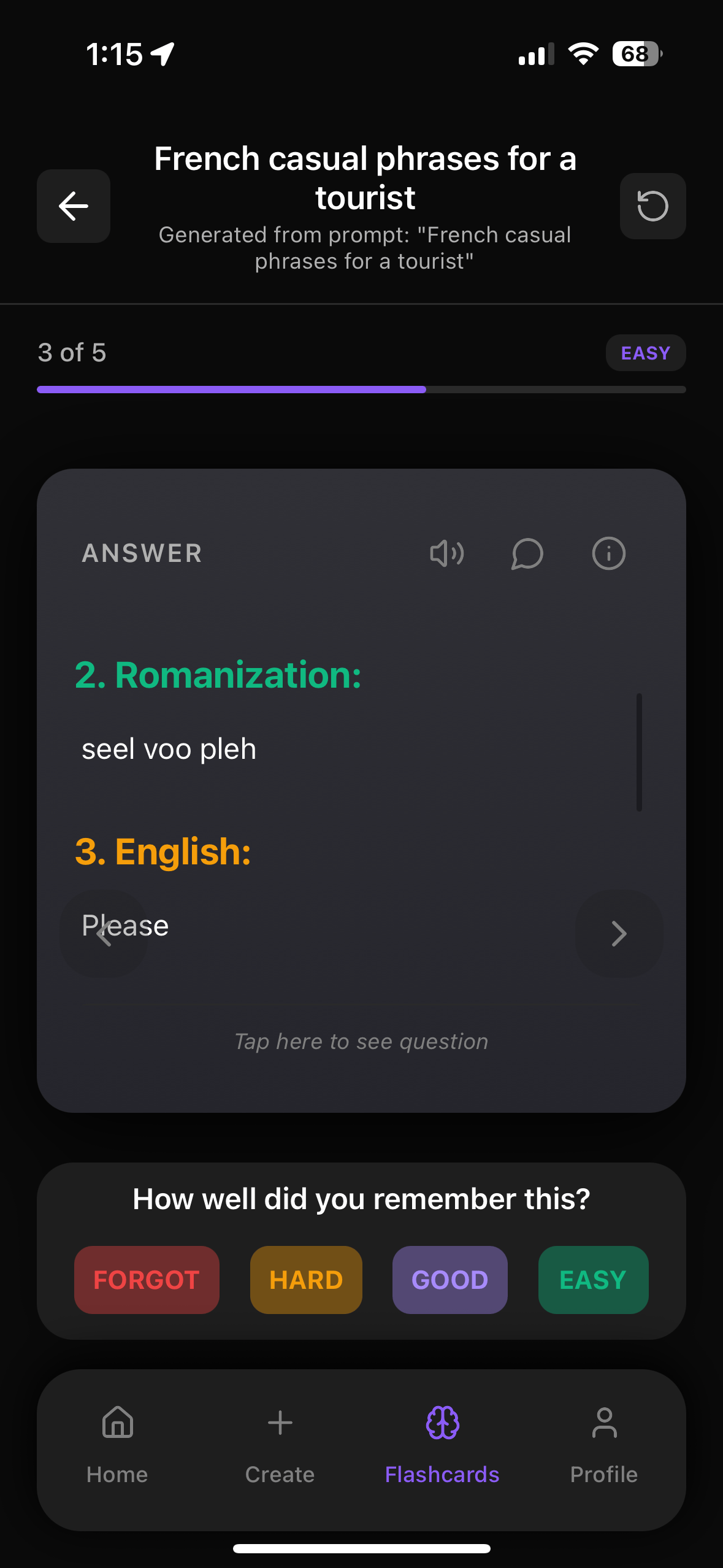
Why Simple Nursing Flashcards Beat Cramming Every Time
Trying to wrap your head around the complete guide to simple nursing flashcards? No worries, I've got your back. You know how sometimes studying can feel like you're trying to juggle a million things at once? Well, flashcards are like your secret weapon to break all that info into easy-to-handle pieces. It's kinda like turning a complicated recipe into a simple step-by-step. The trick is using them right—with a bit of active recall, spaced repetition, and keeping at it. And that's where Flashrecall comes in handy. It’s like having a study buddy who does the hard work for you, creating flashcards from your materials and timing your reviews just right. If you’re on the hunt for some cool tricks to study smarter and remember more, you might wanna check out our complete guide. It’s packed with tips that’ll have you acing those nursing exams in no time!
- Fast to make
- Easy to review consistently
- Not a total time sink
That’s where using something like Flashrecall makes a massive difference. It’s a flashcard app that basically does the boring parts for you and lets you focus on the actual learning:
👉 https://apps.apple.com/us/app/flashrecall-study-flashcards/id6746757085
You can turn your notes, slides, PDFs, and even YouTube lectures into flashcards in seconds, and it handles spaced repetition + active recall automatically.
Let’s break down how to build simple nursing flashcards that actually stick — and how to make the process way easier with Flashrecall.
What Makes a “Good” Nursing Flashcard?
A lot of nursing students accidentally make bad flashcards:
- Cards that are too long
- Cards with multiple answers
- Cards that are just copy-pasted notes
A good nursing flashcard is:
1. Simple – one clear question, one clear answer
2. Specific – no vague “explain…” or “discuss…” prompts
3. Testable – something you could realistically be quizzed on
4. Clinical – whenever possible, tied to real situations
Examples of Simple, High-Quality Nursing Flashcards
- Front: What is the antidote for heparin overdose?
- Back: Protamine sulfate.
- Front: Normal potassium (K⁺) range?
- Back: 3.5–5.0 mEq/L.
- Front: A client with COPD is on 2 L/min oxygen via nasal cannula. The nurse notices the client’s oxygen saturation is 88%. What is the priority action?
- Back: Assess the client’s respiratory status and signs of distress before changing oxygen flow; COPD patients may have lower baseline O₂ sats.
- Front: Key adverse effect to monitor with ACE inhibitors (e.g., lisinopril)?
- Back: Dry cough; also monitor for angioedema and hyperkalemia.
These are short, focused, and actually test your understanding — perfect for flashcards.
How To Make Simple Nursing Flashcards Without Wasting Hours
You don’t have time to sit there manually typing 500 cards from a PowerPoint.
That’s where Flashrecall really shines.
Step 1: Grab Your Sources
You can turn almost anything into flashcards in Flashrecall:
- Lecture slides (screenshots or PDFs)
- Textbook pages (photos)
- YouTube nursing lectures (just paste the link)
- Class notes (copy-paste text or upload)
- Your own typed prompts
Flashrecall can instantly generate cards from:
- Images
- Text
- Audio
- PDFs
- YouTube links
- Or cards you type manually if you prefer control
So instead of rewriting everything, you just feed the app your content and let it build a starting deck for you.
👉 Try it here (free to start):
https://apps.apple.com/us/app/flashrecall-study-flashcards/id6746757085
Using Flashrecall To Turn Nursing Content Into Simple Flashcards
Here’s how a typical workflow might look.
Example: Turning a Pharm Lecture Into Flashcards
1. Screenshot your pharm slides or save them as a PDF.
2. Import them into Flashrecall.
3. Let Flashrecall auto-generate flashcards from the content.
4. Skim through the cards:
- Delete anything too detailed
- Edit long answers into short, punchy points
- Break long cards into 2–3 smaller ones
You go from zero to full pharm deck in minutes instead of hours.
Example: Using YouTube Nursing Lectures
Say you’re watching a video on heart failure meds:
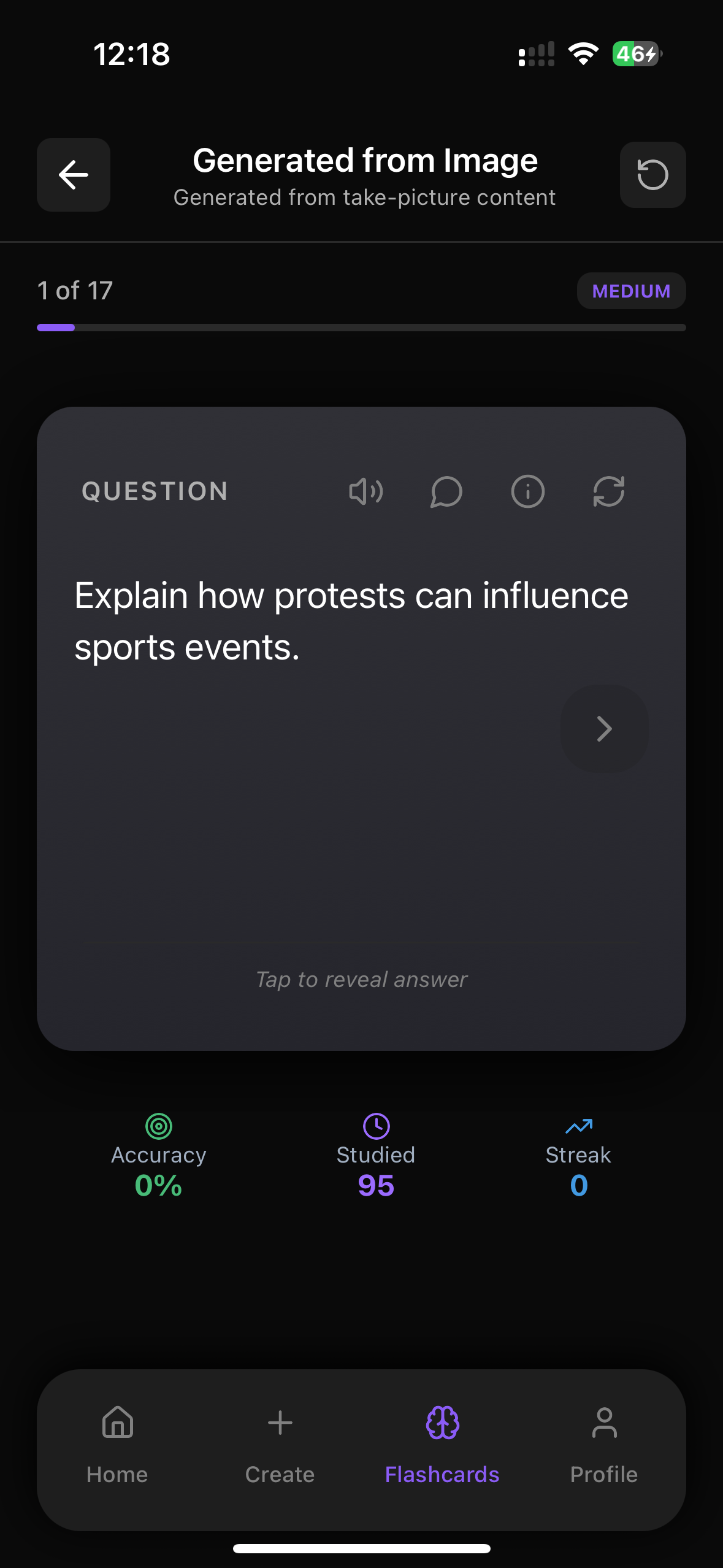
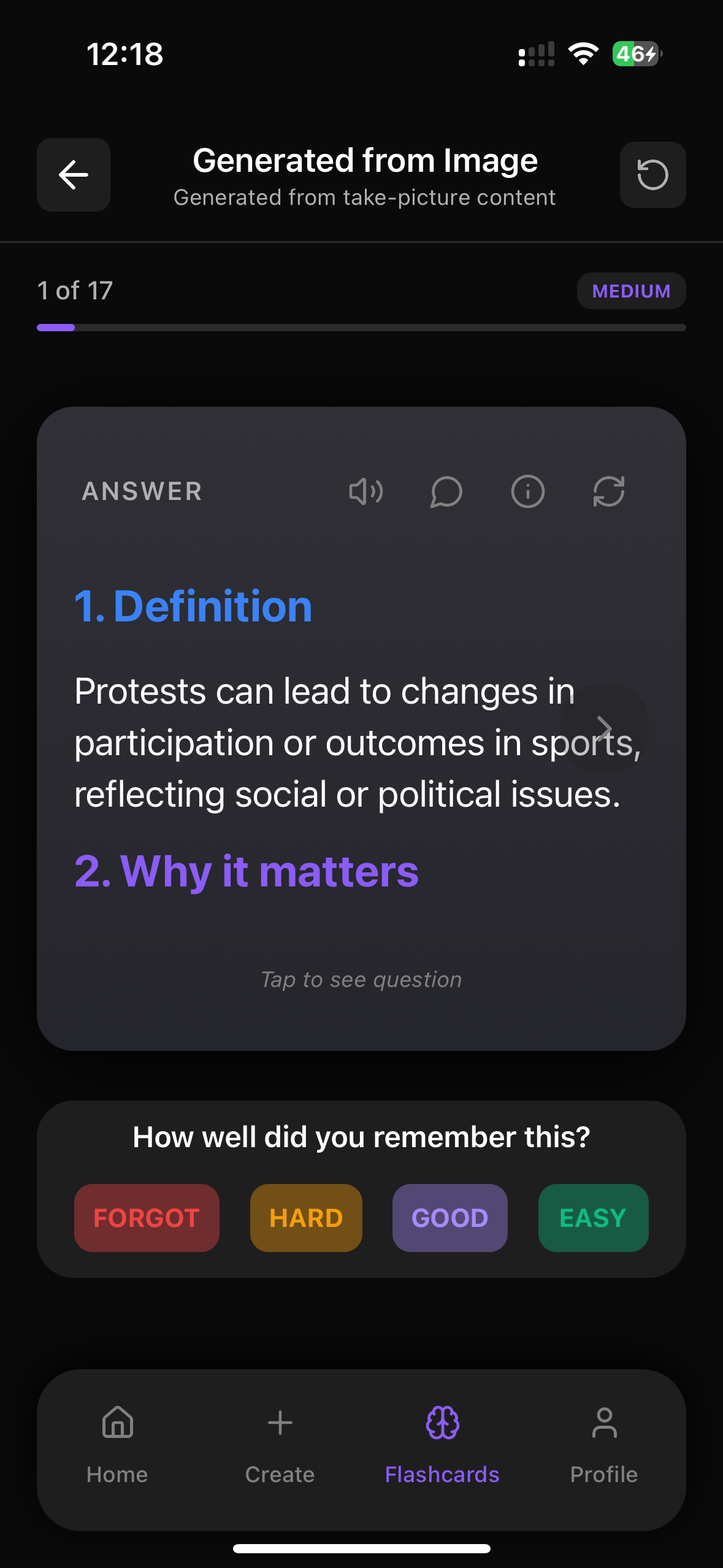
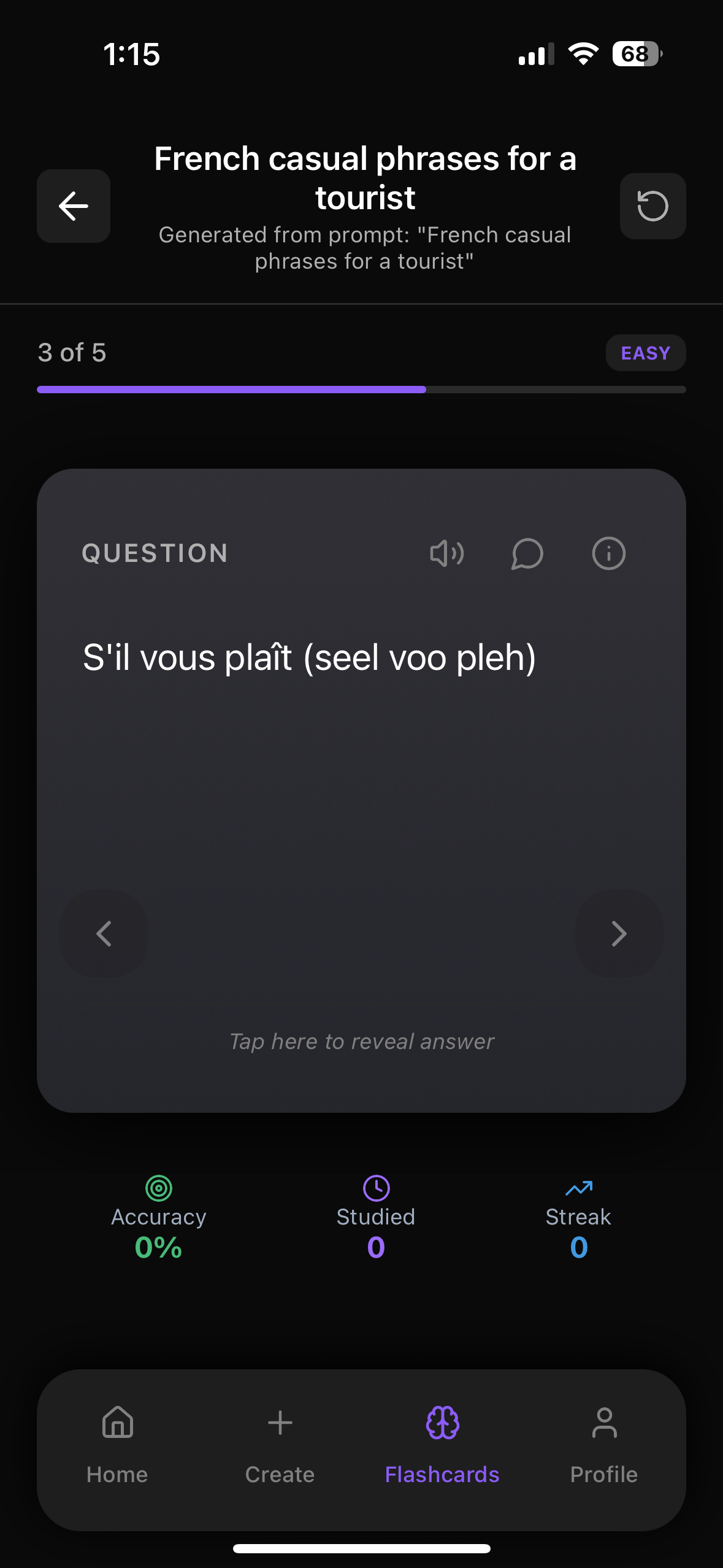
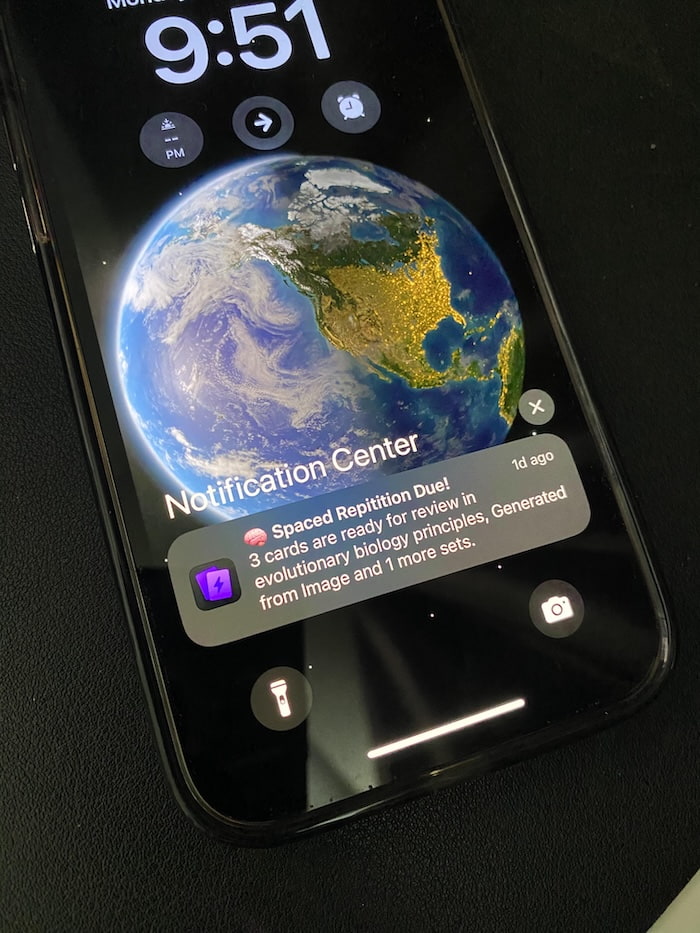
Flashrecall automatically keeps track and reminds you of the cards you don't remember well so you remember faster. Like this :
1. Paste the YouTube link into Flashrecall.
2. It generates flashcards based on the video content.
3. You clean them up:
- Turn “explain” type questions into more direct Q&A
- Add lab values, side effects, and nursing implications
You’ve now turned passive watching into active recall practice.
How To Write Simple Nursing Flashcards For Different Topics
1. Pharmacology Flashcards
Pharm is brutal, but flashcards make it bearable.
Focus on:
- Drug class
- Mechanism of action (MOA)
- Key side effects
- Nursing considerations
- Black box warnings (if any)
- Front: Beta blockers: main mechanism of action?
- Back: Decrease heart rate and contractility by blocking beta-adrenergic receptors.
- Front: Major side effect to monitor with furosemide?
- Back: Hypokalemia; also monitor for dehydration and hypotension.
You can ask Flashrecall’s chat with the flashcard feature to explain a drug more deeply if you’re unsure about something. It’s like having a tutor inside your deck.
2. Med-Surg / Pathophysiology Flashcards
For med-surg, think in patterns:
- What’s happening in the body? (patho)
- Classic signs & symptoms
- Priority assessments
- Key interventions
- Front: Left-sided heart failure: classic symptoms?
- Back: Pulmonary congestion: dyspnea, crackles, orthopnea, cough, fatigue.
- Front: Priority nursing intervention for acute pulmonary edema?
- Back: Position in high Fowler’s, administer O₂, prepare for diuretics and vasodilators as ordered.
You can pull these straight from your med-surg book, snap a pic, and let Flashrecall build a first draft deck for you.
3. Lab Values Flashcards
Lab values are perfect for quick, simple flashcards.
Create cards like:
- Front: Normal sodium (Na⁺) range?
- Back: 135–145 mEq/L.
- Front: INR therapeutic range for a patient on warfarin?
- Back: 2.0–3.0 (may be 2.5–3.5 for some conditions).
You can even group them into mini decks:
- Electrolytes
- Coagulation
- Renal function
- ABGs
Flashrecall’s spaced repetition will keep cycling these just before you’re about to forget them, so they actually stick long term.
4. NCLEX-Style Priority Questions As Flashcards
Don’t just memorize facts; practice prioritization.
- Front: Which client should the nurse see first?
1. Post-op day 2 with pain 7/10
2. COPD client with O₂ sat 90% on 2 L
3. New onset confusion and restlessness
4. Diabetic client with blood glucose 180 mg/dL
- Back: Client with new onset confusion and restlessness – could indicate hypoxia or acute neurological change; priority to assess.
You can use Flashrecall’s chat feature to ask “Why is this the priority?” and get an explanation, which deepens understanding instead of just memorizing answers.
Why Spaced Repetition + Active Recall Matter So Much In Nursing
Nursing isn’t just about passing one exam. You need to remember:
- Meds
- Procedures
- Safety rules
- Critical values
Flashrecall has both built in:
- It shows you cards just as you’re about to forget them
- It tracks what you know well vs. what you struggle with
- It sends study reminders, so you don’t have to remember to review
So instead of cramming pharm the night before, you’re seeing those drug cards a little every day, automatically.
And yes — it works offline, so you can review on the bus, in line for coffee, or during quick breaks at clinical.
How Flashrecall Makes Simple Nursing Flashcards Way Easier
Here’s what makes it especially good for nursing students:
- Instant card creation from:
- Images (slides, textbook pages)
- PDFs
- YouTube links
- Typed or pasted text
- Audio
- Manual card creation if you like full control
- Built-in active recall (it’s all flashcards, not passive notes)
- Built-in spaced repetition with auto reminders
- Study reminders so you actually keep up
- Chat with your flashcards to ask follow-up questions when something doesn’t make sense
- Works offline – perfect for commuting or dead hospital Wi-Fi
- Great for anything:
- Nursing school
- NCLEX prep
- Pharm, med-surg, patho
- Even beyond nursing: medicine, business, languages, etc.
- Fast, modern, and easy to use
- Free to start
- Works on iPhone and iPad
You can grab it here:
👉 https://apps.apple.com/us/app/flashrecall-study-flashcards/id6746757085
Simple Game Plan To Start Using Nursing Flashcards Today
If you want a quick, no-overwhelm approach, try this:
Step 1: Pick ONE Topic
For example: Heart Failure or Insulin or Electrolytes. Don’t try to do all of nursing school in one night.
Step 2: Import Your Material Into Flashrecall
- Snap pics of your textbook pages or slides
- Or upload a PDF / paste your notes
- Or drop a YouTube link from your favorite nursing channel
Let Flashrecall auto-generate starter flashcards.
Step 3: Clean Up The Cards
- Make every card short and simple
- Break big cards into multiple smaller ones
- Focus on:
- Must-know facts
- Priority actions
- Safety, side effects, red flags
Step 4: Review 10–20 Minutes A Day
- Use Flashrecall’s spaced repetition
- Let the app tell you what to review
- Do it while:
- Drinking coffee
- On the bus/train
- Before bed
Step 5: Add Clinical Scenarios
As you go through clinicals, add real-life examples:
- “Patient with CHF complains of sudden weight gain of 3 lbs in 1 day. What does this indicate?”
- “Post-op patient with HR 120, BP 88/50, and cool clammy skin. Priority action?”
Those are the cards that really lock things into long-term memory.
Final Thoughts: Simple Nursing Flashcards Don’t Have To Be Complicated
You don’t need fancy systems or 10 hours of card-making.
You need:
- Simple, clear flashcards
- Consistent review
- A tool that does the heavy lifting for you
Flashcards are still one of the most powerful ways to survive nursing school and actually feel confident in clinicals — especially when you combine them with spaced repetition and active recall.
If you want to skip the painful part of building everything from scratch and just start learning faster, try Flashrecall here:
👉 https://apps.apple.com/us/app/flashrecall-study-flashcards/id6746757085
Turn your notes into simple nursing flashcards, let the app handle the timing, and use your brain for what really matters: thinking like a nurse.
Frequently Asked Questions
What's the fastest way to create flashcards?
Manually typing cards works but takes time. Many students now use AI generators that turn notes into flashcards instantly. Flashrecall does this automatically from text, images, or PDFs.
Is there a free flashcard app?
Yes. Flashrecall is free and lets you create flashcards from images, text, prompts, audio, PDFs, and YouTube videos.
How do I start spaced repetition?
You can manually schedule your reviews, but most people use apps that automate this. Flashrecall uses built-in spaced repetition so you review cards at the perfect time.
What is active recall and how does it work?
Active recall is the process of actively retrieving information from memory rather than passively reviewing it. Flashrecall forces proper active recall by making you think before revealing answers, then uses spaced repetition to optimize your review schedule.
How can I study more effectively for this test?
Effective exam prep combines active recall, spaced repetition, and regular practice. Flashrecall helps by automatically generating flashcards from your study materials and using spaced repetition to ensure you remember everything when exam day arrives.
Related Articles
- OB HESI 2022 Quizlet: Why Most Nursing Students Struggle (And The Better Flashcard Study Hack You Should Use Instead)
- Fundamentals Of Nursing Flashcards: 7 Powerful Study Hacks Most Nursing Students Don’t Know – Learn Faster, Remember More, And Crush Your Exams
- Geeky Medics Flashcards: Why Most Med Students Need More (And The App That Actually Keeps Up)
Research References
The information in this article is based on peer-reviewed research and established studies in cognitive psychology and learning science.
Cepeda, N. J., Pashler, H., Vul, E., Wixted, J. T., & Rohrer, D. (2006). Distributed practice in verbal recall tasks: A review and quantitative synthesis. Psychological Bulletin, 132(3), 354-380
Meta-analysis showing spaced repetition significantly improves long-term retention compared to massed practice
Carpenter, S. K., Cepeda, N. J., Rohrer, D., Kang, S. H., & Pashler, H. (2012). Using spacing to enhance diverse forms of learning: Review of recent research and implications for instruction. Educational Psychology Review, 24(3), 369-378
Review showing spacing effects work across different types of learning materials and contexts
Kang, S. H. (2016). Spaced repetition promotes efficient and effective learning: Policy implications for instruction. Policy Insights from the Behavioral and Brain Sciences, 3(1), 12-19
Policy review advocating for spaced repetition in educational settings based on extensive research evidence
Karpicke, J. D., & Roediger, H. L. (2008). The critical importance of retrieval for learning. Science, 319(5865), 966-968
Research demonstrating that active recall (retrieval practice) is more effective than re-reading for long-term learning
Roediger, H. L., & Butler, A. C. (2011). The critical role of retrieval practice in long-term retention. Trends in Cognitive Sciences, 15(1), 20-27
Review of research showing retrieval practice (active recall) as one of the most effective learning strategies
Dunlosky, J., Rawson, K. A., Marsh, E. J., Nathan, M. J., & Willingham, D. T. (2013). Improving students' learning with effective learning techniques: Promising directions from cognitive and educational psychology. Psychological Science in the Public Interest, 14(1), 4-58
Comprehensive review ranking learning techniques, with practice testing and distributed practice rated as highly effective

FlashRecall Team
FlashRecall Development Team
The FlashRecall Team is a group of working professionals and developers who are passionate about making effective study methods more accessible to students. We believe that evidence-based learning tec...
Credentials & Qualifications
- •Software Development
- •Product Development
- •User Experience Design
Areas of Expertise
Ready to Transform Your Learning?
Start using FlashRecall today - the AI-powered flashcard app with spaced repetition and active recall.
Download on App Store