Anki Nursing Pharmacology: The Ultimate Guide To Memorizing Meds Faster (Without Burning Out) – Learn how to actually remember drug names, side effects, and interactions for exams and clinicals.
Anki nursing pharmacology decks feel clunky? See how spaced repetition, active recall, and a faster Flashrecall workflow make pharm cards way less painful.
How Flashrecall app helps you remember faster. It's free
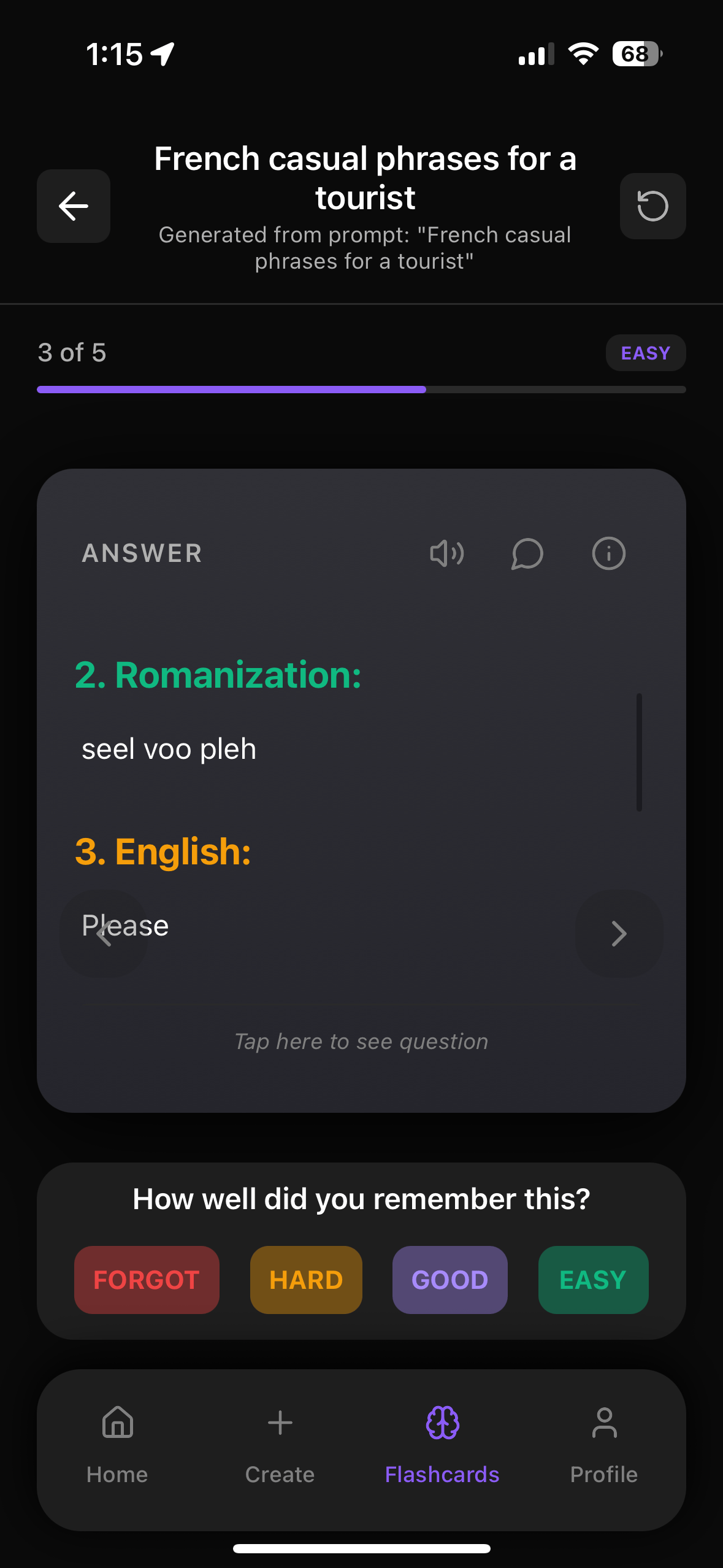
What Is “Anki Nursing Pharmacology” Really About?
Alright, let’s talk about what people mean when they say anki nursing pharmacology – it’s basically using spaced repetition flashcards (often with Anki) to memorize drugs, side effects, dosages, and nursing considerations for nursing school and the NCLEX. The idea is you break meds into bite-sized flashcards and review them on a schedule so you don’t forget everything two days later. This matters because pharm is one of those “you either know it or you don’t” subjects, and cramming the night before an exam usually ends in panic. Apps like Flashrecall do the same spaced repetition thing but in a much faster, cleaner way on your phone, so you can actually keep up with pharm without feeling like you’re drowning.
If you want that Anki-style pharm system but without the clunky setup, check out Flashrecall here:
https://apps.apple.com/us/app/flashrecall-study-flashcards/id6746757085
Why Nursing Pharmacology Is So Brutal (And Why Flashcards Work)
Pharm is hard because it’s:
- Hundreds of drug names (generic + brand)
- Classes and mechanisms of action
- Side effects and adverse reactions
- Contraindications and interactions
- Nursing considerations and patient teaching
That’s way too much to “just read” and hope it sticks.
Flashcards + spaced repetition work for pharm because they:
- Force active recall – you have to pull the answer from memory, not just recognize it
- Hit you with cards right before you forget them
- Turn this giant subject into small daily chunks
That’s exactly what people try to do with Anki nursing pharmacology decks. The only downside? Anki can feel… ancient. Sync issues, clunky interface, and it’s not exactly beginner-friendly on mobile.
That’s where Flashrecall comes in – same learning method, but way more modern and way easier to use on iPhone and iPad.
Anki vs Flashrecall For Nursing Pharmacology
You’ve probably seen people on Reddit or YouTube saying “Use Anki for pharm, it saved my life.” They’re not wrong about spaced repetition – they’re just using an older tool.
Here’s a quick comparison for nursing pharmacology flashcards:
What Anki Gives You
- Customizable cards (if you’re willing to learn how)
- Spaced repetition algorithm
- Shared decks (hit or miss in quality)
- Works on desktop and mobile (mobile app can be clunky)
What Flashrecall Does Better
With Flashrecall, you can create cards from almost anything:
- Take a photo of your pharm notes or textbook – it auto-generates flashcards
- Import PDFs from your syllabus or slides
- Paste text or type your own cards manually
- Drop in YouTube links from pharm lectures and turn them into cards
- Even use audio or prompts to build cards
So instead of spending 3 hours formatting Anki cards, you can build a whole pharm deck in minutes and actually start studying.
Flashrecall has spaced repetition built-in, with automatic review scheduling and study reminders, so you don’t have to:
- Manually tune deck settings
- Guess when to review
- Remember to open the app
It just tells you, “Hey, you’ve got cards due,” and you knock them out.
Anki can feel like using software from 2005. Flashrecall is:
- Minimal and modern
- Fast to load
- Easy to use on iPhone and iPad
- Works offline, so you can study on the bus, at clinical, anywhere
This is something Anki doesn’t do: in Flashrecall, if you’re unsure about a drug or concept, you can literally chat with your flashcard and ask follow-up questions.
Example:
- “Explain this side effect in simpler terms.”
- “Why does this drug cause hyperkalemia?”
- “Give me a quick way to remember this mechanism.”
It’s like having a tiny tutor built into your cards.
You can grab Flashrecall here and start building your pharm deck:
https://apps.apple.com/us/app/flashrecall-study-flashcards/id6746757085
How To Study Nursing Pharmacology Like An Anki Pro (Using Flashrecall)
Let’s walk through a simple system you can copy.
1. Break Pharm Down By Drug Class
Instead of random cards, organize by class, for example:
- Beta blockers
- ACE inhibitors
- Calcium channel blockers
- Opioids
- Anticoagulants
- Insulin types
- Antibiotic classes
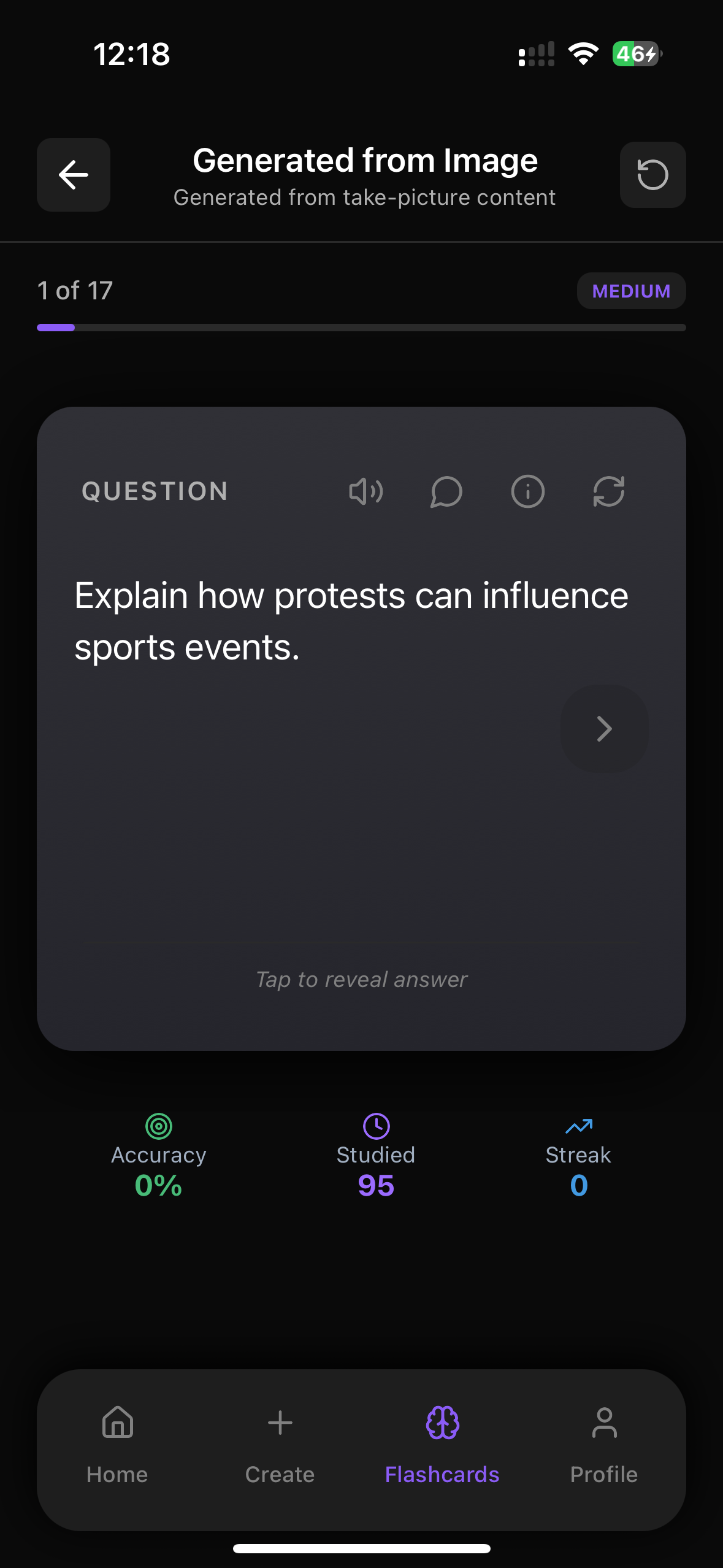
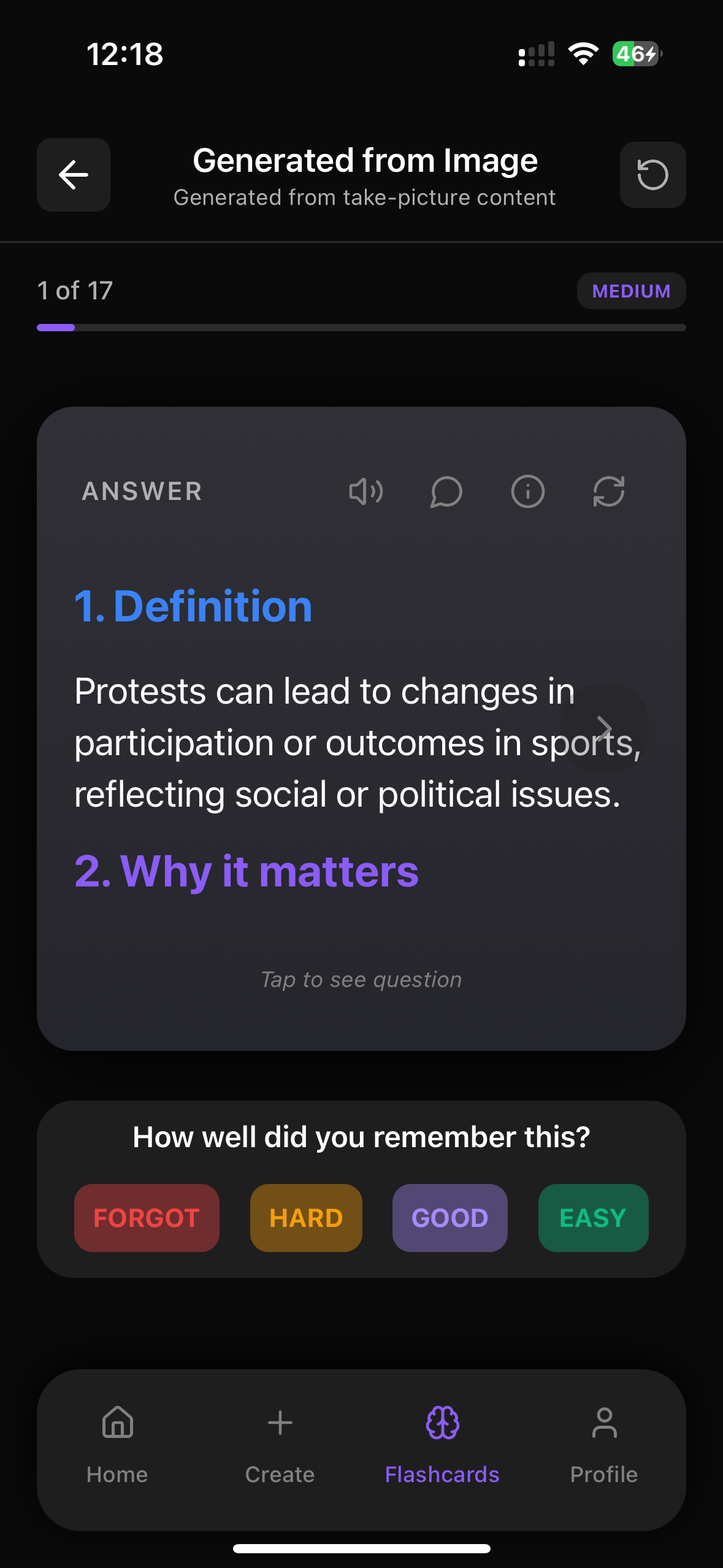
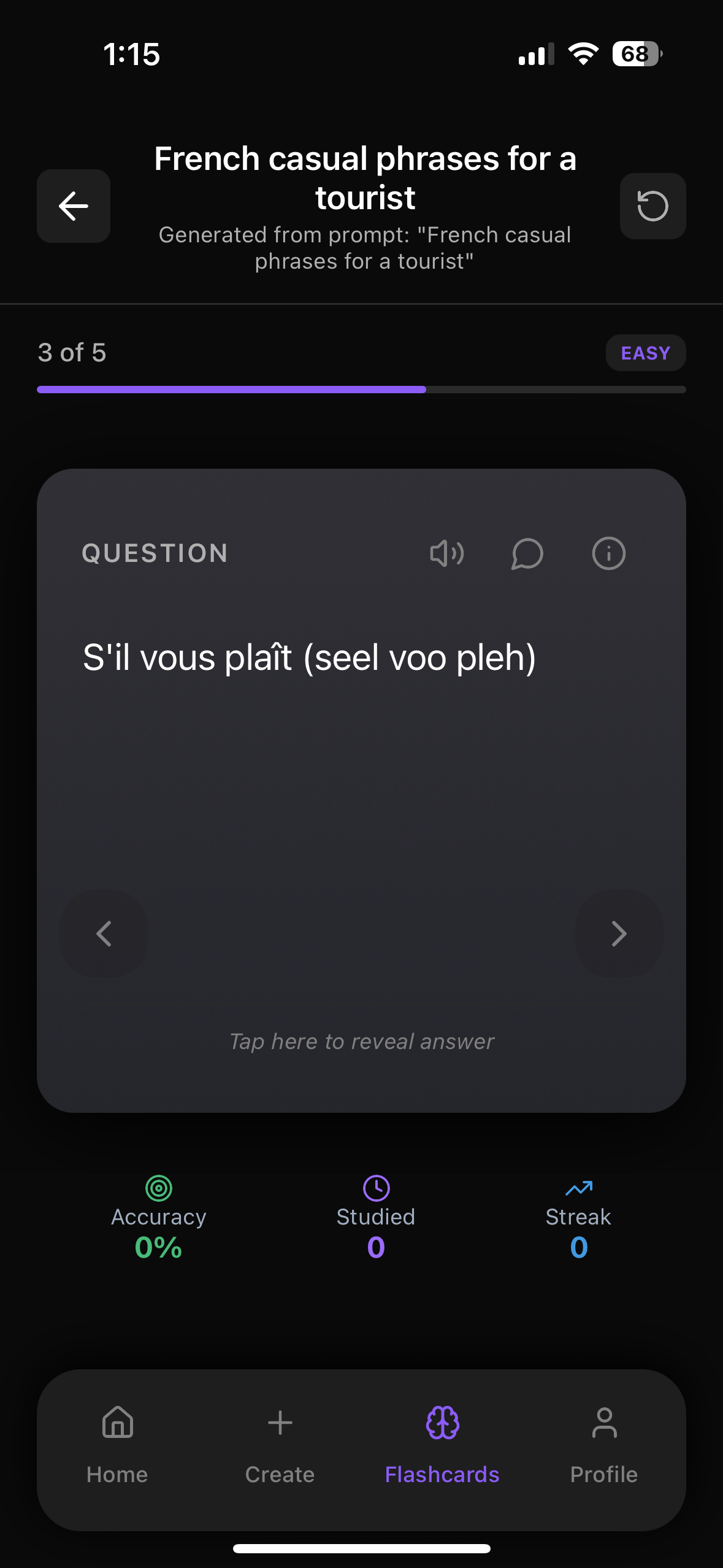
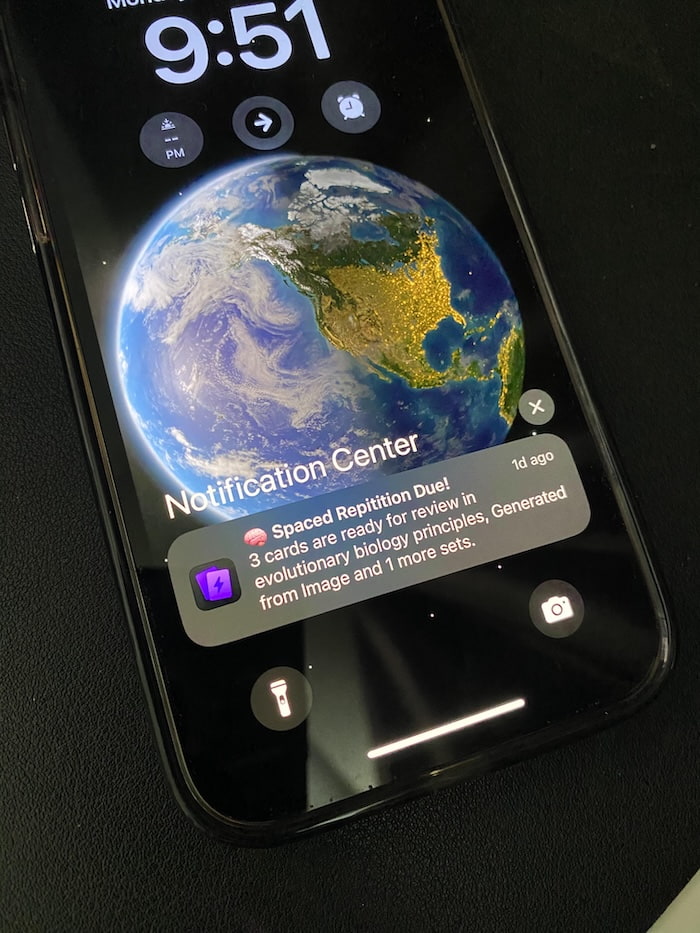
Flashrecall automatically keeps track and reminds you of the cards you don't remember well so you remember faster. Like this :
For each class, you want cards that cover:
- Prototype drug (e.g., Metoprolol for beta blockers)
- Mechanism of action
- Common side effects
- Serious/adverse effects
- Contraindications
- Nursing considerations
- Patient teaching
In Flashrecall, you can create a deck called “Nursing Pharmacology” and then use tags like `cardio`, `endocrine`, `neuro`, etc. Super simple to keep things organized.
2. Use Active Recall, Not Just Recognition
Don’t make weak cards like:
> Front: ACE inhibitors
> Back: Lisinopril
Make cards that force you to think:
- Front: “What is the mechanism of action of ACE inhibitors?”
- Front: “What’s a key adverse effect of ACE inhibitors nurses must monitor for?”
Flashrecall is built around active recall and spaced repetition, so every card is meant to make your brain work a bit, not just recognize terms.
3. Turn Your Class Notes Into Cards Fast
Here’s how to skip the busywork:
- Take a photo of your pharm lecture slide in Flashrecall
- Let the app turn it into flashcards automatically
- Edit or add anything you want
- Start reviewing the same day
You can do the same thing with PDFs from your professor. Import → auto cards → review. This is way quicker than manually typing everything into Anki.
4. Review A Little Every Day (Not 3 Hours Once A Week)
The whole point of “anki nursing pharmacology” style studying is small, consistent reviews.
With Flashrecall:
- The app schedules reviews for you
- You get notifications when you have cards due
- You can clear a review session in 5–15 minutes
This keeps pharm in your brain without you feeling like you’re chained to your desk.
Example Nursing Pharmacology Flashcards You Can Copy
Here are some sample card ideas you can recreate in Flashrecall.
Card Set: Beta Blockers
- Front: “Common beta blocker drug names (generic)?”
- Front: “Main mechanism of beta blockers?”
- Front: “Key nursing assessments before giving a beta blocker?”
Card Set: Insulin
- Front: “Rapid-acting insulins – onset, peak, duration?”
- Front: “Important patient teaching for insulin injections?”
You can build these manually in Flashrecall, or just snap your pharm tables and let the app convert them into flashcards automatically.
Using Flashrecall For NCLEX Pharm Prep
If you’re thinking long-term (not just passing the next quiz), you want a pharm deck that grows with you.
Here’s how to use Flashrecall for NCLEX-level pharm:
1. Start early – create decks from the start of your pharm course.
2. Tag by system – cardio, renal, endocrine, neuro, etc.
3. Add NCLEX-style questions as cards, not just facts.
4. Use the chat feature to break down anything confusing:
- “Explain this drug like I’m in first year.”
- “Give me a quick mnemonic for this med.”
Because Flashrecall works offline, you can review during:
- Commutes
- Breaks at clinical
- Waiting in line
- That 10-minute gap before class starts
It’s free to start, so you can test it with one unit (like cardio pharm) and see how much easier it feels compared to juggling PDFs and random notes.
Grab it here:
https://apps.apple.com/us/app/flashrecall-study-flashcards/id6746757085
So, Should You Use Anki Or Flashrecall For Nursing Pharmacology?
If you love tinkering with settings and don’t mind a clunky interface, Anki works and tons of people pass using it.
But if you want:
- Faster card creation (from images, PDFs, YouTube, text, audio)
- Built-in spaced repetition without setup
- Study reminders so you don’t forget to review
- A clean, modern app that runs smoothly on iPhone and iPad
- The ability to chat with your flashcards when you’re stuck
Then Flashrecall is just a better fit for nursing pharmacology in 2025.
You still get the “anki nursing pharmacology” benefits – spaced repetition, active recall, long-term memory – but in a way that’s actually easy to stick with during hectic nursing school life.
Try building a small pharm deck in Flashrecall (like just beta blockers and ACE inhibitors) and use it for a week. You’ll feel the difference when you sit down for your next exam.
Download Flashrecall here and turn pharm from chaos into something manageable:
https://apps.apple.com/us/app/flashrecall-study-flashcards/id6746757085
Frequently Asked Questions
Is Anki good for studying?
Anki is powerful but requires manual card creation and has a steep learning curve. Flashrecall offers AI-powered card generation from your notes, images, PDFs, and videos, making it faster and easier to create effective flashcards.
What's the fastest way to create flashcards?
Manually typing cards works but takes time. Many students now use AI generators that turn notes into flashcards instantly. Flashrecall does this automatically from text, images, or PDFs.
How do I start spaced repetition?
You can manually schedule your reviews, but most people use apps that automate this. Flashrecall uses built-in spaced repetition so you review cards at the perfect time.
What is active recall and how does it work?
Active recall is the process of actively retrieving information from memory rather than passively reviewing it. Flashrecall forces proper active recall by making you think before revealing answers, then uses spaced repetition to optimize your review schedule.
How can I study more effectively for this test?
Effective exam prep combines active recall, spaced repetition, and regular practice. Flashrecall helps by automatically generating flashcards from your study materials and using spaced repetition to ensure you remember everything when exam day arrives.
Related Articles
- Drug Cards For Nursing Students: 7 Powerful Tips To Learn Meds Faster (Without Losing Your Mind) – Learn how to make drug cards that actually stick in your brain and speed up your nursing exams and clinicals.
- Flashcards For Nursing Students: 7 Powerful Study Hacks To Remember Everything For Clinicals And Exams Fast – Learn how to actually retain drug names, lab values, and procedures without burning out.
- Simple Nursing Flashcards: 7 Powerful Tricks To Study Smarter And Remember Everything
Research References
The information in this article is based on peer-reviewed research and established studies in cognitive psychology and learning science.
Cepeda, N. J., Pashler, H., Vul, E., Wixted, J. T., & Rohrer, D. (2006). Distributed practice in verbal recall tasks: A review and quantitative synthesis. Psychological Bulletin, 132(3), 354-380
Meta-analysis showing spaced repetition significantly improves long-term retention compared to massed practice
Carpenter, S. K., Cepeda, N. J., Rohrer, D., Kang, S. H., & Pashler, H. (2012). Using spacing to enhance diverse forms of learning: Review of recent research and implications for instruction. Educational Psychology Review, 24(3), 369-378
Review showing spacing effects work across different types of learning materials and contexts
Kang, S. H. (2016). Spaced repetition promotes efficient and effective learning: Policy implications for instruction. Policy Insights from the Behavioral and Brain Sciences, 3(1), 12-19
Policy review advocating for spaced repetition in educational settings based on extensive research evidence
Karpicke, J. D., & Roediger, H. L. (2008). The critical importance of retrieval for learning. Science, 319(5865), 966-968
Research demonstrating that active recall (retrieval practice) is more effective than re-reading for long-term learning
Roediger, H. L., & Butler, A. C. (2011). The critical role of retrieval practice in long-term retention. Trends in Cognitive Sciences, 15(1), 20-27
Review of research showing retrieval practice (active recall) as one of the most effective learning strategies
Dunlosky, J., Rawson, K. A., Marsh, E. J., Nathan, M. J., & Willingham, D. T. (2013). Improving students' learning with effective learning techniques: Promising directions from cognitive and educational psychology. Psychological Science in the Public Interest, 14(1), 4-58
Comprehensive review ranking learning techniques, with practice testing and distributed practice rated as highly effective

FlashRecall Team
FlashRecall Development Team
The FlashRecall Team is a group of working professionals and developers who are passionate about making effective study methods more accessible to students. We believe that evidence-based learning tec...
Credentials & Qualifications
- •Software Development
- •Product Development
- •User Experience Design
Areas of Expertise
Ready to Transform Your Learning?
Start using FlashRecall today - the AI-powered flashcard app with spaced repetition and active recall.
Download on App Store