Arabic Medical Terminology Flashcards: 7 Powerful Ways To Learn Faster And Actually Remember Terms – Stop Forgetting Words And Start Sounding Like A Real Doctor In Arabic
Arabic medical terminology flashcards that don’t suck: short Q&A cards, real clinical phrases, spaced repetition, and app tips so you actually remember terms.
How Flashrecall app helps you remember faster. It's free
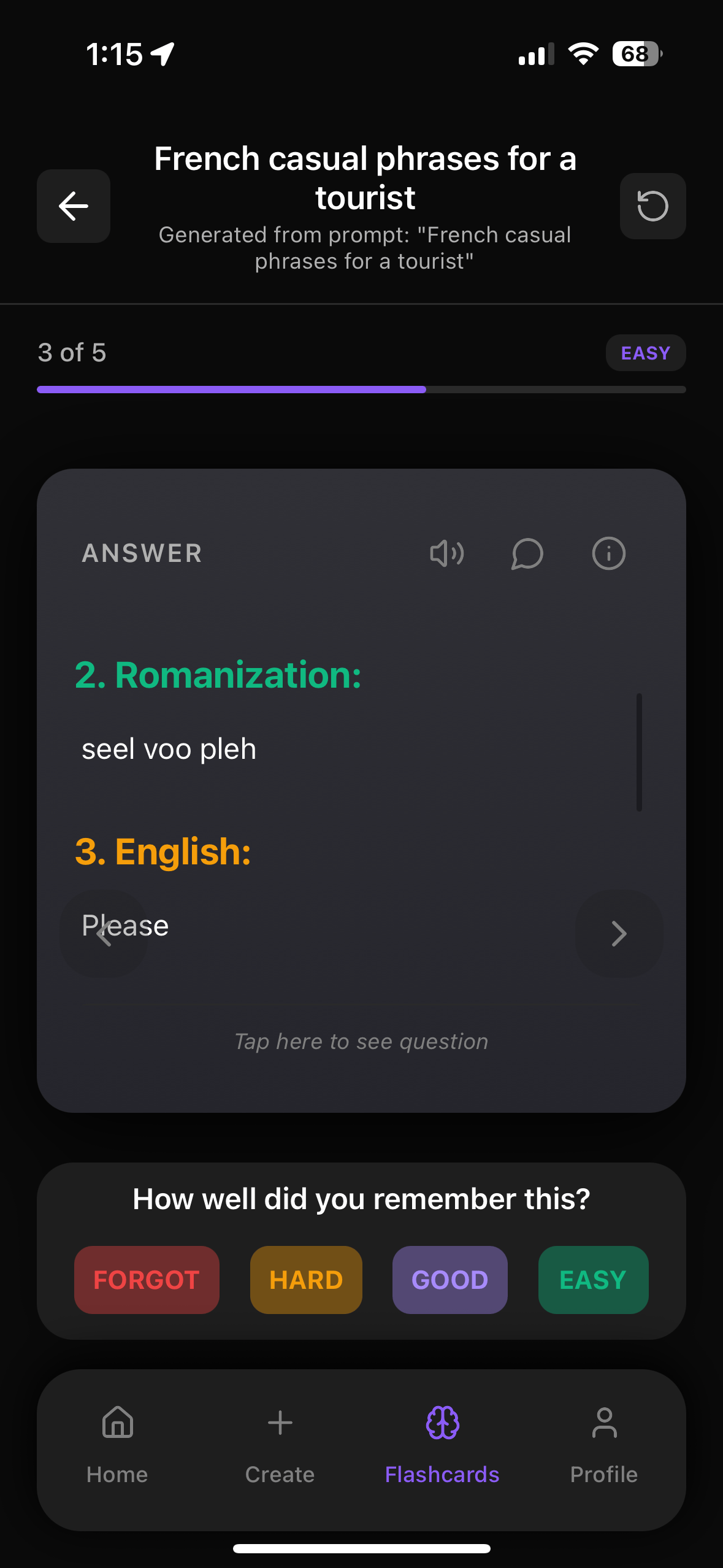
What Are Arabic Medical Terminology Flashcards (And Why They Actually Work)?
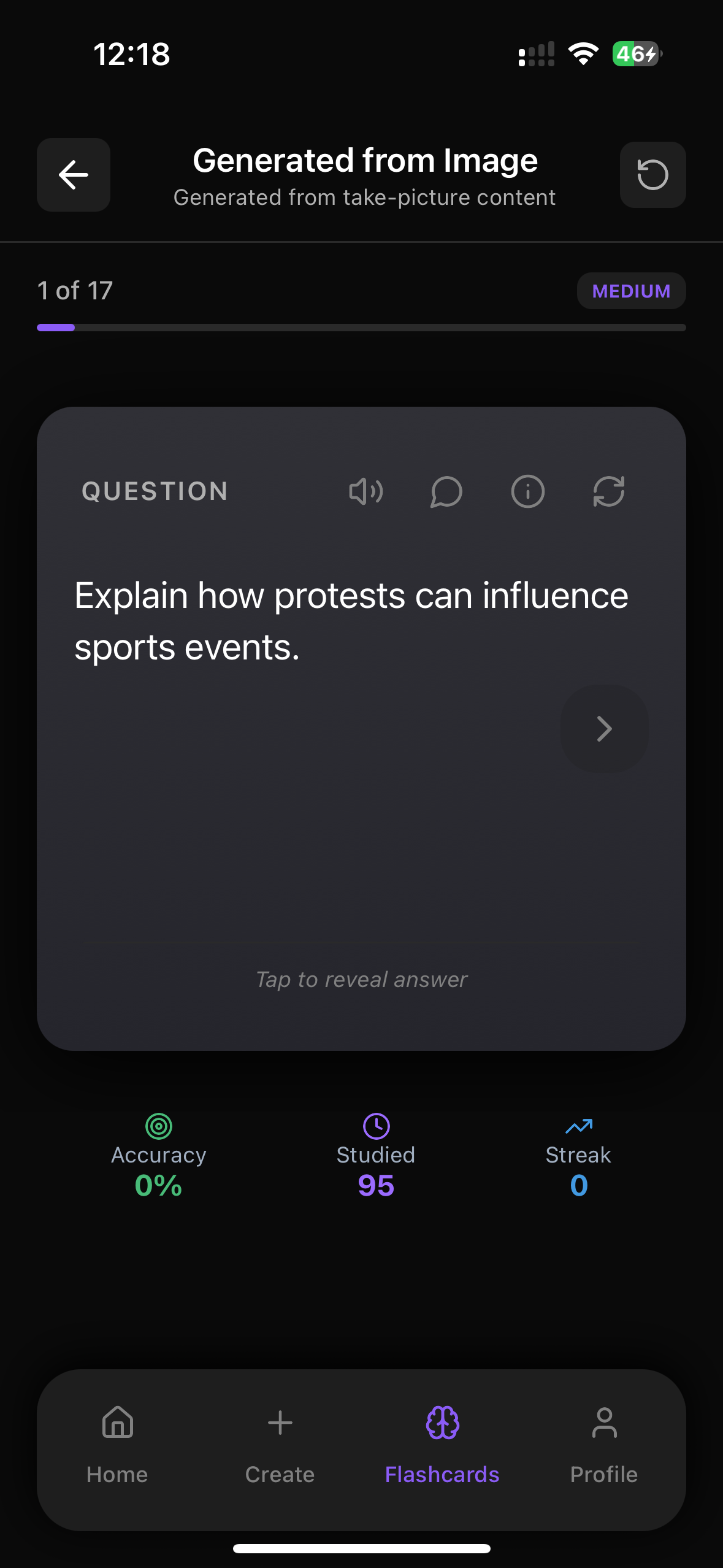
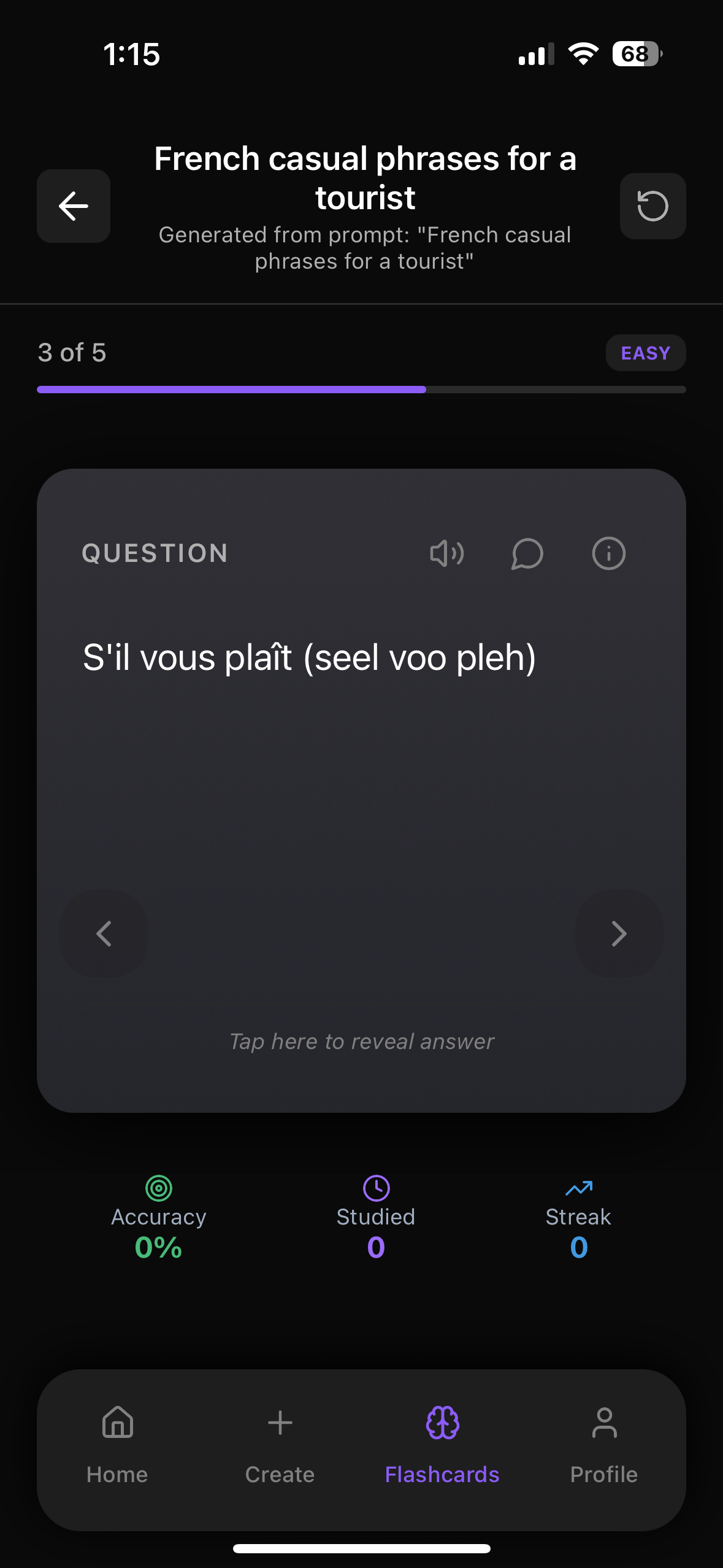
Alright, let’s talk about what arabic medical terminology flashcards actually are: they’re simple cards (digital or paper) where one side has the Arabic medical term and the other has the meaning, pronunciation, or example usage. They’re basically tiny question–answer prompts that train your brain to recall medical words in Arabic instead of just recognizing them. This matters because medicine is full of similar‑sounding terms, and when you add Arabic on top, it’s super easy to mix things up unless you practice recalling them actively. For example, you might put "ضغط الدم" on one side and "blood pressure" + a short clinical sentence on the other. Apps like Flashrecall make this whole process way easier by letting you create, organize, and review these cards with spaced repetition so you actually remember them long‑term.
By the way, if you want to start right away, Flashrecall is here:
https://apps.apple.com/us/app/flashrecall-study-flashcards/id6746757085
Why Flashcards Are Perfect For Arabic Medical Terms
Medical Arabic is a double challenge:
- You’re dealing with technical medical vocab
- In a language that might not be your first
Flashcards hit that sweet spot because they:
- Break big scary vocab lists into tiny chunks
- Force you to recall the word, not just stare at it
- Let you focus on high‑yield clinical words you’ll actually use with patients
With a flashcard app like Flashrecall, you don’t just make cards and forget about them. The app:
- Uses built‑in spaced repetition so hard cards show up more often and easy ones show up less
- Sends study reminders so you don’t fall off the wagon
- Works offline, so you can review on the bus, in the hospital cafeteria, or between classes
How To Structure Arabic Medical Terminology Flashcards (So They Don’t Suck)
Bad flashcards = lots of text, vague questions, and zero context.
Good flashcards = short, clear, and specific.
Here’s how to set up a solid Arabic medical terminology flashcard:
1. Basic Term Card
"ضغط الدم"
- Blood pressure
- Pronunciation: ḍaġṭ ad-dam
- Example: "ضغط الدم عند المريض مرتفع" – The patient’s blood pressure is high.
2. Symptom / Complaint
"ألم في الصدر"
- Chest pain
- Used in history taking
- Example: "هل تشعر بألم في الصدر؟" – Do you feel chest pain?
3. Diagnosis / Condition
"سكري من النوع الثاني"
- Type 2 diabetes
- Short note: metabolic disorder with insulin resistance
4. Verb / Instruction
"تنفّس بعمق"
- Breathe deeply
- Instruction used during examination
In Flashrecall, you can set these up manually or generate them super fast from text or PDFs. If you’ve got a medical Arabic PDF or notes from a course, you can import sections and turn them into cards instead of typing every single one from scratch.
Using Flashrecall Specifically For Arabic Medical Terms
Here’s how you’d actually use Flashrecall day‑to‑day for Arabic medical terminology:
1. Import Your Sources
Got:
- A PDF of Arabic medical vocab
- Lecture slides
- A YouTube video teaching medical Arabic phrases
- Typed vocab lists from class
In Flashrecall, you can make flashcards from text, PDFs, images, YouTube links, and typed prompts. That means:
- Screenshot a vocab table → turn it into cards
- Paste in a word list → auto-generate cards
- Use a YouTube link → pull key terms and phrases to study
Download it here if you haven’t already:
https://apps.apple.com/us/app/flashrecall-study-flashcards/id6746757085
2. Use Built-In Spaced Repetition (So You Don’t Forget Everything)
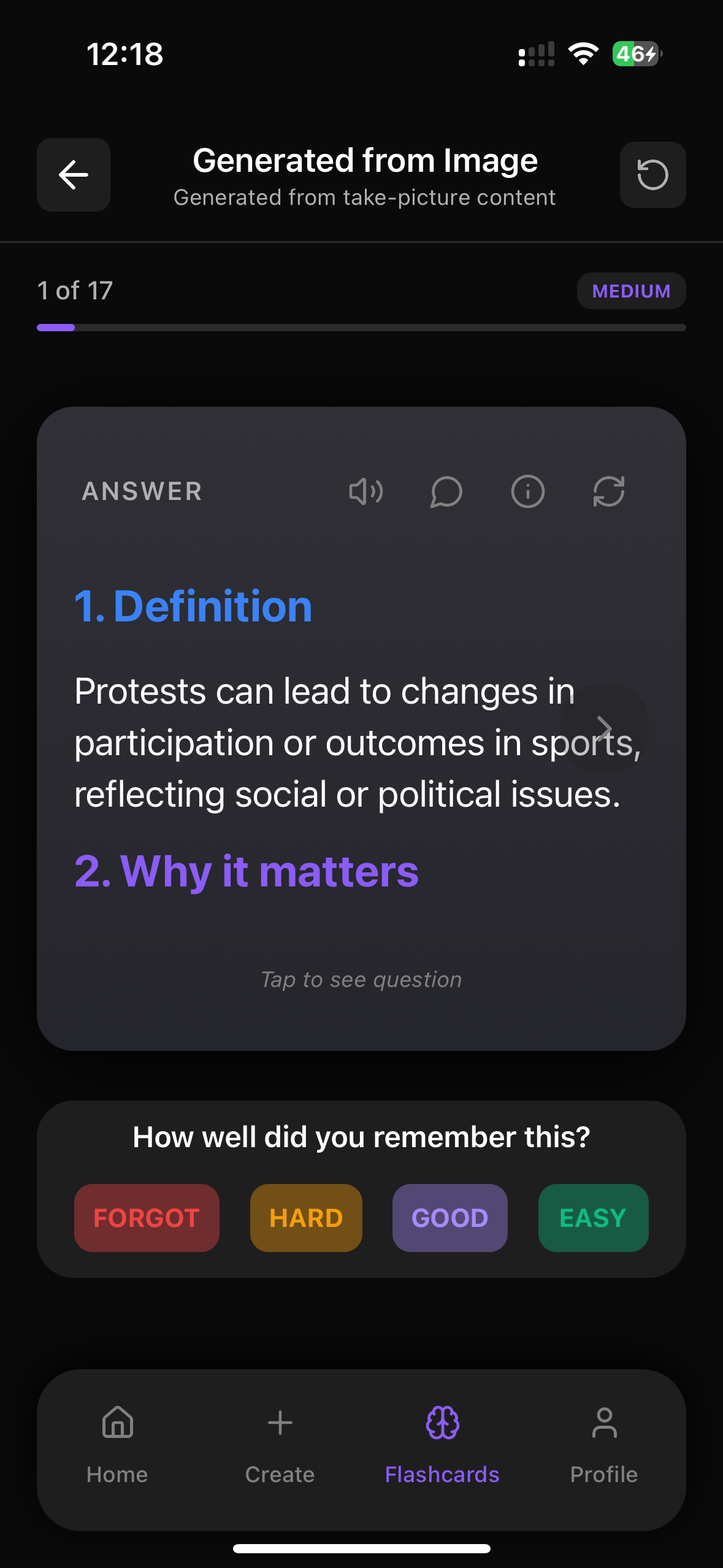
Flashrecall automatically keeps track and reminds you of the cards you don't remember well so you remember faster. Like this :
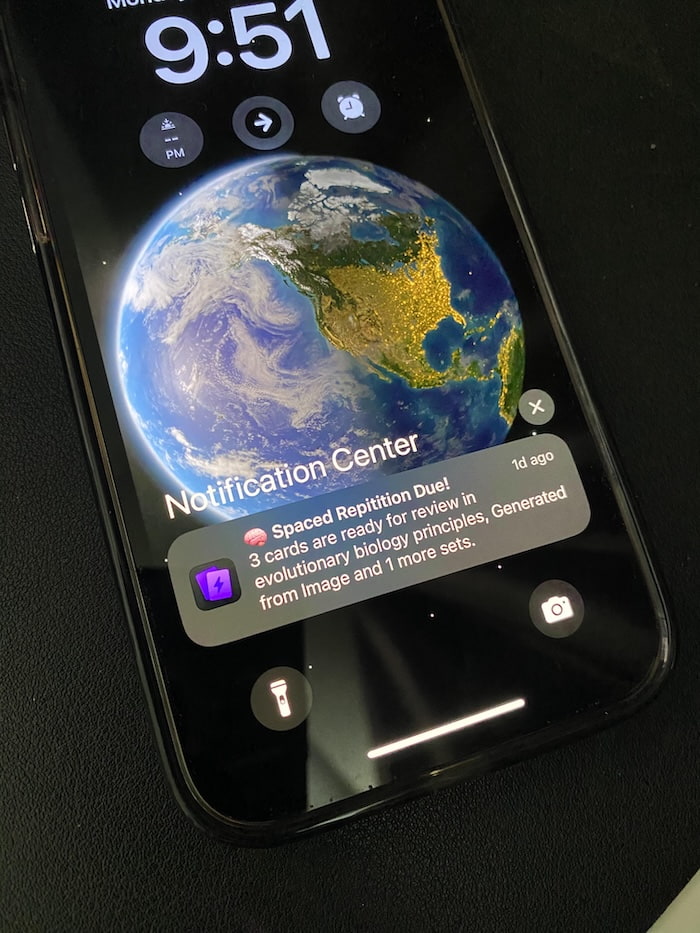
You don’t need to plan review schedules. Flashrecall:
- Shows you cards right before you’re about to forget them
- Adjusts intervals automatically based on how easy or hard you rate each card
- Sends auto reminders so you actually open the app and review
This is huge for Arabic medical vocab because you might not use these words every single day, but you still need them ready when talking to patients or reading notes.
3. Practice Active Recall (Not Just Passive Reading)
Every card in Flashrecall is designed around active recall: you see the prompt, try to remember the answer in your head, then flip.
For Arabic medical terms, you can:
- Put English on the front, Arabic on the back → good for speaking
- Or Arabic on the front, English on the back → good for reading charts or patient notes
You can even chat with the flashcard in Flashrecall if you’re unsure. For example, if you don’t quite get how "التهاب رئوي" (pneumonia) is used, you can ask for more example sentences or clarification right inside the app.
What To Actually Put On Your Arabic Medical Flashcards
Here’s a simple system so your cards stay clean and useful.
1. Core Vocabulary Sets
Break your deck into mini‑topics:
- Vital signs (ضغط الدم, نبض, حرارة, تنفس)
- Symptoms (حمى, غثيان, دوار, ضيق التنفس)
- Systems (القلب والأوعية الدموية, الجهاز التنفسي, الجهاز الهضمي)
- Common diseases (التهاب رئوي, فشل كلوي, سكري, ارتفاع ضغط الدم)
- Investigations (تحاليل الدم, أشعة سينية, تخطيط القلب)
- Procedures (خياطة الجرح, نقل الدم, إعطاء حقنة)
In Flashrecall, you can make separate decks or tags for each of these so you can focus on one area at a time.
2. Phrases You’ll Actually Say To Patients
Don’t just learn isolated words. Make cards with full clinical phrases:
- "منذ متى بدأ الألم؟" – When did the pain start?
- "هل لديك حساسية من أي دواء؟" – Do you have any allergies to medication?
- "سنأخذ عينة دم للفحص" – We’ll take a blood sample for testing.
These are gold if you plan to work with Arabic‑speaking patients.
3. Pronunciation Help
If pronunciation trips you up, add:
- Transliteration on the back (e.g., ḍīq an-nafas for ضيق النفس)
- A note like “stress on second syllable” if it helps you
You can also record audio yourself or from a teacher, then use Flashrecall’s ability to make flashcards from audio so you can test your listening too.
Study Routine: How To Use Arabic Medical Flashcards Each Day
Here’s a simple routine that actually works and doesn’t take over your life:
Daily (10–20 minutes)
1. Open Flashrecall → do your spaced repetition reviews first
2. Add 5–10 new cards (from class, clinic, or reading)
3. Quickly run through your newest cards one extra time
Because Flashrecall works offline, you can squeeze this in:
- On the commute
- Between patients
- While waiting for rounds to start
Weekly (30–45 minutes)
- Pick one topic (e.g., respiratory system)
- Add a batch of new terms + phrases
- Use the chat with the flashcard feature to ask for more example sentences or explanations for tricky words
Over a few weeks, you’ll have hundreds of high‑yield, actually useful Arabic medical terms in your deck, all being reviewed automatically.
Example Mini-Deck: Emergency Room Arabic
Here’s a quick example of what a focused deck might look like.
- "أين مكان الألم بالضبط؟" – Where exactly is the pain?
- "هل يمكنك تقييم الألم من ١ إلى ١٠؟" – Can you rate the pain from 1 to 10?
- "هل تتناول أي أدوية حالياً؟" – Are you currently taking any medications?
- "هل لديك صعوبة في التنفس؟" – Do you have difficulty breathing?
- "سنقوم بعمل تخطيط للقلب الآن" – We’re going to do an ECG now.
Each of these can be a flashcard in Flashrecall, with:
- Arabic on the front
- English translation + pronunciation on the back
You can also tag this deck as “Emergency” so you can filter and drill only ER phrases when needed.
Why Use Flashrecall Instead Of Just Paper Cards?
Paper cards work, but they’re a hassle. Flashrecall just makes everything smoother:
- Automatic spaced repetition – no manual scheduling
- Study reminders – the app nudges you before you forget
- Instant card creation from images, text, PDFs, YouTube, audio
- Chat with the flashcard if you’re confused and want more examples
- Works offline on iPhone and iPad
- Fast, modern, and free to start
And it’s not just for Arabic medical terminology. You can use the same app for:
- Other languages
- Medical school exams
- Nursing, pharmacy, dentistry
- Business terms, university courses, anything you want to remember
Grab it here and start building your Arabic medical deck today:
https://apps.apple.com/us/app/flashrecall-study-flashcards/id6746757085
Final Tips To Make Your Arabic Medical Flashcards Actually Stick
To wrap it up, here are some quick wins:
- Keep cards short – one idea per card
- Mix single terms + full phrases
- Add examples that sound like real patient interactions
- Review a little every day instead of cramming
- Let spaced repetition in Flashrecall handle the timing for you
Do that consistently, and you’ll go from “I kind of recognize that word” to actually using Arabic medical terminology confidently in real conversations.
Frequently Asked Questions
What's the fastest way to create flashcards?
Manually typing cards works but takes time. Many students now use AI generators that turn notes into flashcards instantly. Flashrecall does this automatically from text, images, or PDFs.
Is there a free flashcard app?
Yes. Flashrecall is free and lets you create flashcards from images, text, prompts, audio, PDFs, and YouTube videos.
How do I start spaced repetition?
You can manually schedule your reviews, but most people use apps that automate this. Flashrecall uses built-in spaced repetition so you review cards at the perfect time.
What's the best way to learn vocabulary?
Research shows that combining flashcards with spaced repetition and active recall is highly effective. Flashrecall automates this process, generating cards from your study materials and scheduling reviews at optimal intervals.
How can I study more effectively for this test?
Effective exam prep combines active recall, spaced repetition, and regular practice. Flashrecall helps by automatically generating flashcards from your study materials and using spaced repetition to ensure you remember everything when exam day arrives.
Related Articles
- Arabic Flashcards: The Powerful Way To Finally Stick Vocabulary And Speak With Confidence – Most Learners Quit Too Soon…Here’s How To Make Arabic Words Actually Stay In Your Brain
- Create Study Flashcards: 7 Powerful Tips To Learn Faster And Remember More – Stop Wasting Time With Ineffective Notes And Do This Instead
- Create Flashcards The Smart Way: 7 Powerful Tips To Learn Faster And Remember More – Stop Wasting Time On Boring Notes And Turn Them Into High‑Impact Flashcards
Research References
The information in this article is based on peer-reviewed research and established studies in cognitive psychology and learning science.
Cepeda, N. J., Pashler, H., Vul, E., Wixted, J. T., & Rohrer, D. (2006). Distributed practice in verbal recall tasks: A review and quantitative synthesis. Psychological Bulletin, 132(3), 354-380
Meta-analysis showing spaced repetition significantly improves long-term retention compared to massed practice
Carpenter, S. K., Cepeda, N. J., Rohrer, D., Kang, S. H., & Pashler, H. (2012). Using spacing to enhance diverse forms of learning: Review of recent research and implications for instruction. Educational Psychology Review, 24(3), 369-378
Review showing spacing effects work across different types of learning materials and contexts
Kang, S. H. (2016). Spaced repetition promotes efficient and effective learning: Policy implications for instruction. Policy Insights from the Behavioral and Brain Sciences, 3(1), 12-19
Policy review advocating for spaced repetition in educational settings based on extensive research evidence
Karpicke, J. D., & Roediger, H. L. (2008). The critical importance of retrieval for learning. Science, 319(5865), 966-968
Research demonstrating that active recall (retrieval practice) is more effective than re-reading for long-term learning
Roediger, H. L., & Butler, A. C. (2011). The critical role of retrieval practice in long-term retention. Trends in Cognitive Sciences, 15(1), 20-27
Review of research showing retrieval practice (active recall) as one of the most effective learning strategies
Dunlosky, J., Rawson, K. A., Marsh, E. J., Nathan, M. J., & Willingham, D. T. (2013). Improving students' learning with effective learning techniques: Promising directions from cognitive and educational psychology. Psychological Science in the Public Interest, 14(1), 4-58
Comprehensive review ranking learning techniques, with practice testing and distributed practice rated as highly effective
Ebbinghaus, H. (1885). Memory: A Contribution to Experimental Psychology. New York: Dover
Pioneering research on the forgetting curve and memory retention over time

FlashRecall Team
FlashRecall Development Team
The FlashRecall Team is a group of working professionals and developers who are passionate about making effective study methods more accessible to students. We believe that evidence-based learning tec...
Credentials & Qualifications
- •Software Development
- •Product Development
- •User Experience Design
Areas of Expertise
Ready to Transform Your Learning?
Start using FlashRecall today - the AI-powered flashcard app with spaced repetition and active recall.
Download on App Store